

Global Framework on Chemicals

Many toxic chemicals are not regulated by existing global policy agreements but their impacts are felt across the world. IPEN works for policies to control these hazardous chemicals, including through the Global Framework on Chemicals (GFC). 

A Common Statement to Protect Global Health

The GFC represents a critical opportunity for the world to work together to address the toxic chemicals and waste crisis. Its multistakeholder and multisectoral collaborative approach will be essential in promoting solutions to these urgent challenges. We invite civil society groups to join us in this Common Statement and commit to taking action to meet the aims of the GFC and forge a toxics-free future.

Read the Common Statement, background, and endorse the statement for your organization.

Learn more about IPEN’s work at the latest GFC Meetings and previous SAICM sessions.

The Strategic Approach to International Chemicals Management (SAICM) was established at the 2002 World Summit on Sustainable Development as a global commitment to reform how chemicals are produced and used in order to minimize the harms from toxic pollutants.

With SAICM set to end in 2020, IPEN raised concerns with governments about the 2020 SAICM timeline and the ongoing need to address global chemical policies. IPEN successfully urged governments to address the concern, with an IPEN paper serving as a basis for discussions. During the SAICM Beyond 2020 process (2017-2023), IPEN and Pesticide Action Network collaborated to produce a series of documents highlighting civil society views for the Beyond 2020 process. In 2023, IPEN welcomed the creation of the successor to SAICM, the Global Framework on Chemicals (GFC). For hundreds of chemicals not regulated under any international treaty, the GFC serves as the only global forum for broad chemical safety work. 

See more on IPEN’s Role and background on SAICM and the GFC.

Highly Hazardous Pesticides

Among other priorities, a Global Alliance on Highly Hazardous Pesticides was established through the GFC, supported by the UN Food and Agriculture Organization, the International Labour Organization, UN Development Programme, UNEP, and the World Health Organization. The Alliance declared a goal of eliminating HHPs by 2035 (IPEN and the Pesticide Action Network supported a proposal for such an Alliance in 2014). In March 2024, UNEA echoed this goal with a resolution calling for a global phase-out of HHPs by 2035. Learn more about IPEN members’ national work on pesticides.

Выбранае відэа

Endocrine Disrupting Chemicals

Work on endocrine disrupting chemicals (EDCs) will also continue through the GFC. EDCs are linked to increased risks of serious diseases, including cancers, infertility, diabetes, and many others. Since 2014, IPEN has collaborated with the world’s leading medical and scientific authority on EDCs, the Endocrine Society, producing three joint publications that outline the health concerns and calls for global controls on this group of toxic chemicals.

In 2021, IPEN co-hosted a webinar with two leading experts on EDCs, Dr. Shanna Swan and Dr. Pete Myers discussing the threat that toxic chemicals are having on human fertility and disease and the far reaching consequences that could arise if the problems are not addressed. The webinar was a co-production of IPEN and Commonweal  with former IPEN Co-Chairs Sharyle Patton and  Pamela Miller hosting.

Electronics

Chemical threats to human health in electronics production and e-waste have been well documented with links to severe illnesses, including cancer, lung disease, reproductive disorders, and many others. IPEN and its members have documented toxic threats from the electronics industry, prompting global and national policy deliberations to address the sector’s operations.

Plastic Chemicals

Chemicals common in many plastics include phthalates, called “the everywhere and everyone” chemicals, bisphenols (like BPA, a chemical banned from children’s products in several countries), and other chemicals in plastic consumer products, e-waste, and many other products. The GFC targets around chemical safety will be relevant in the Plastics Treaty negotiations and other global and national policy developments.

PFAS “Forever Chemicals”

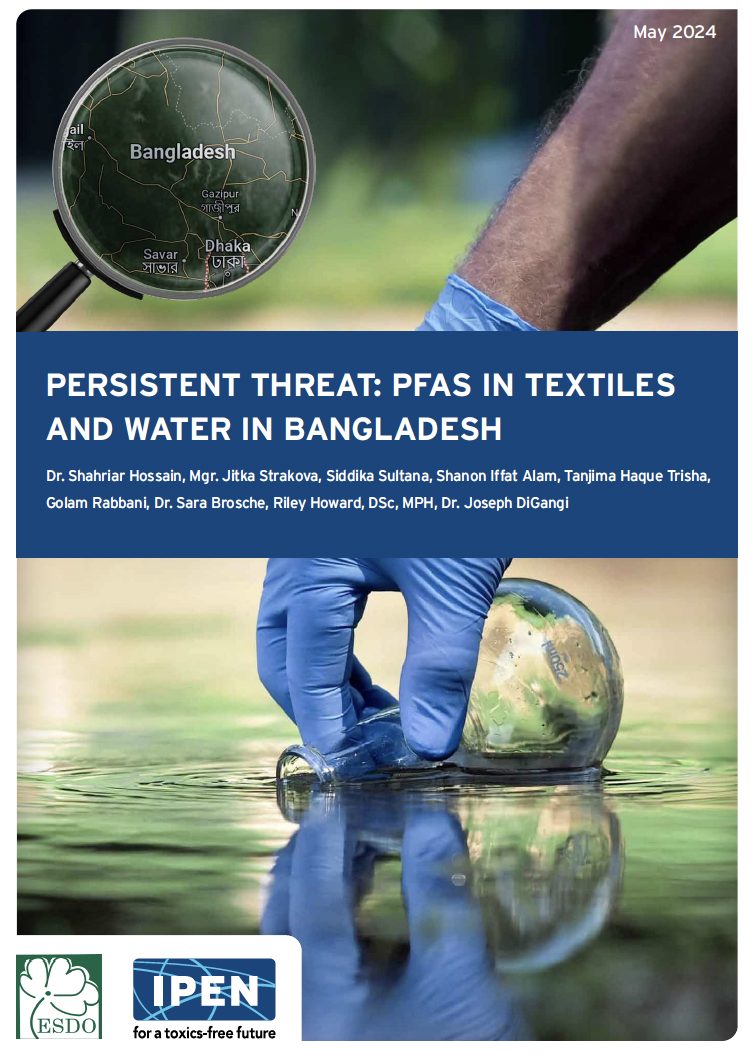
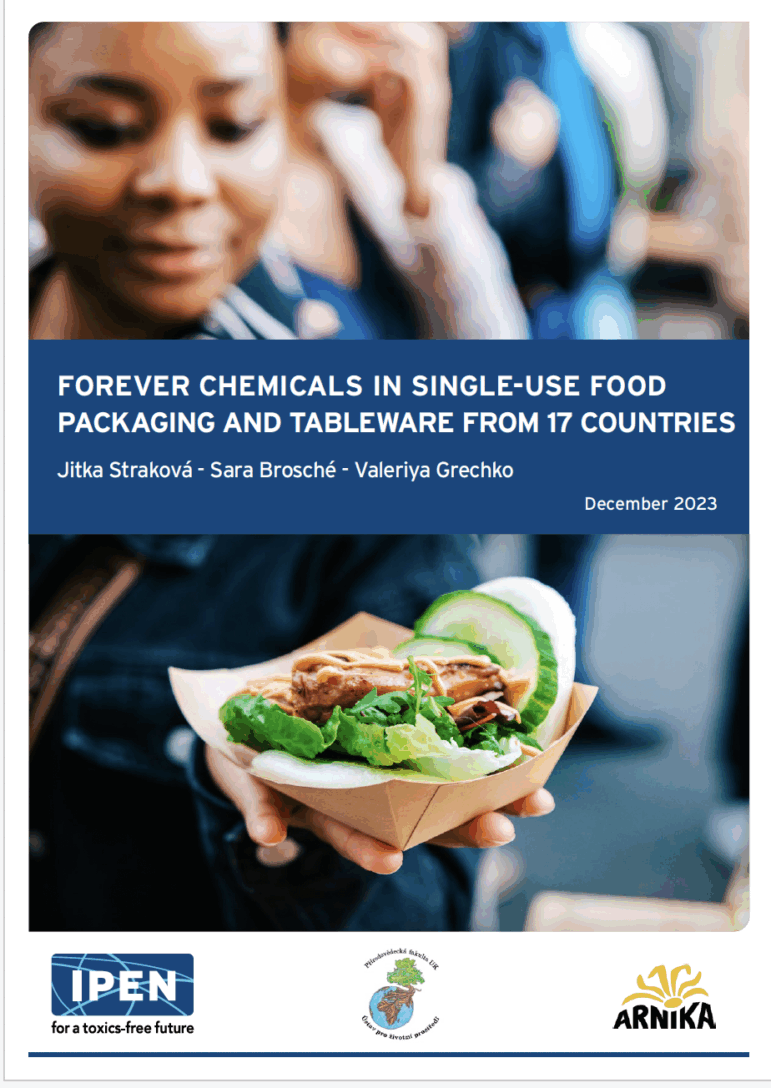
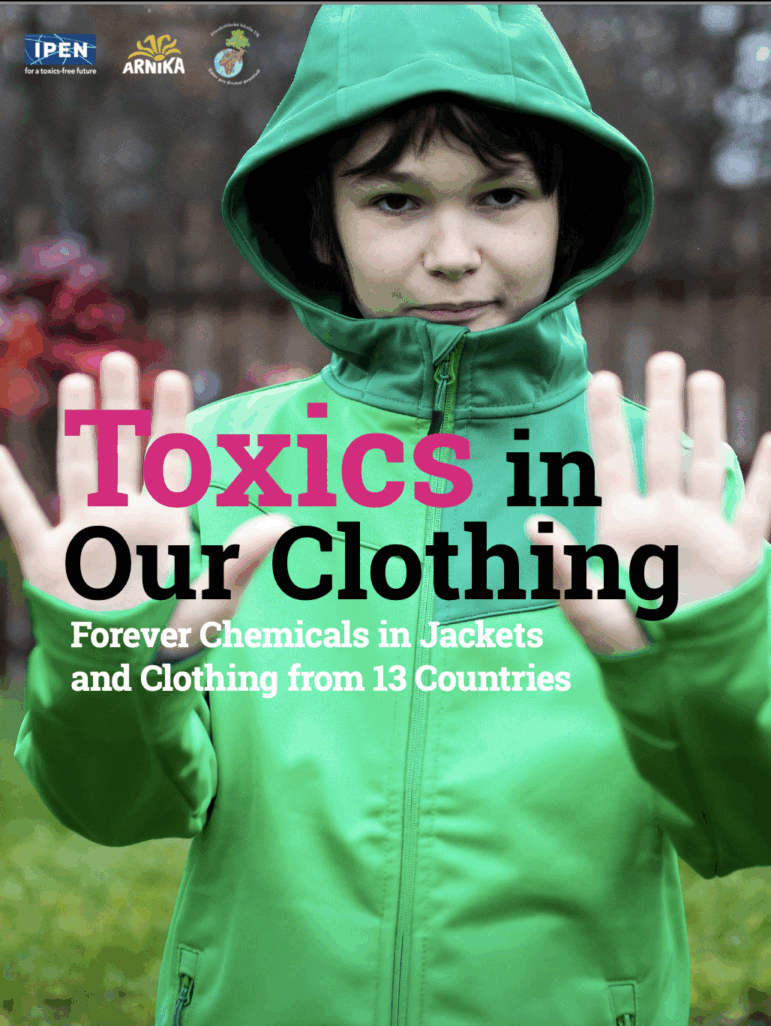
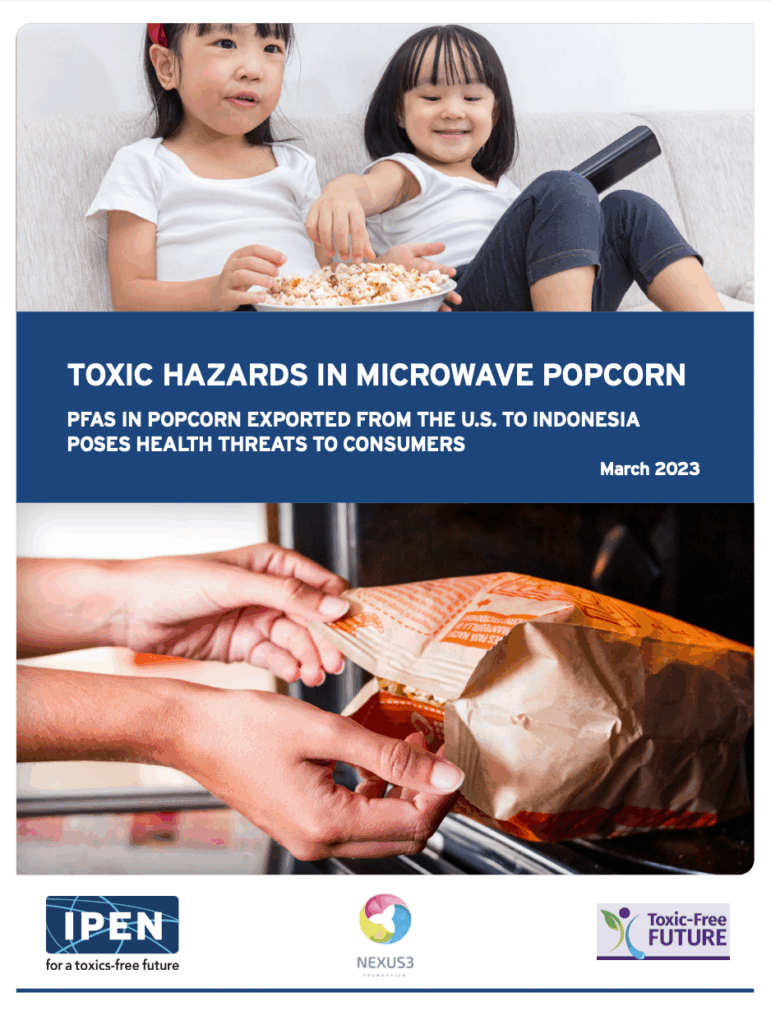
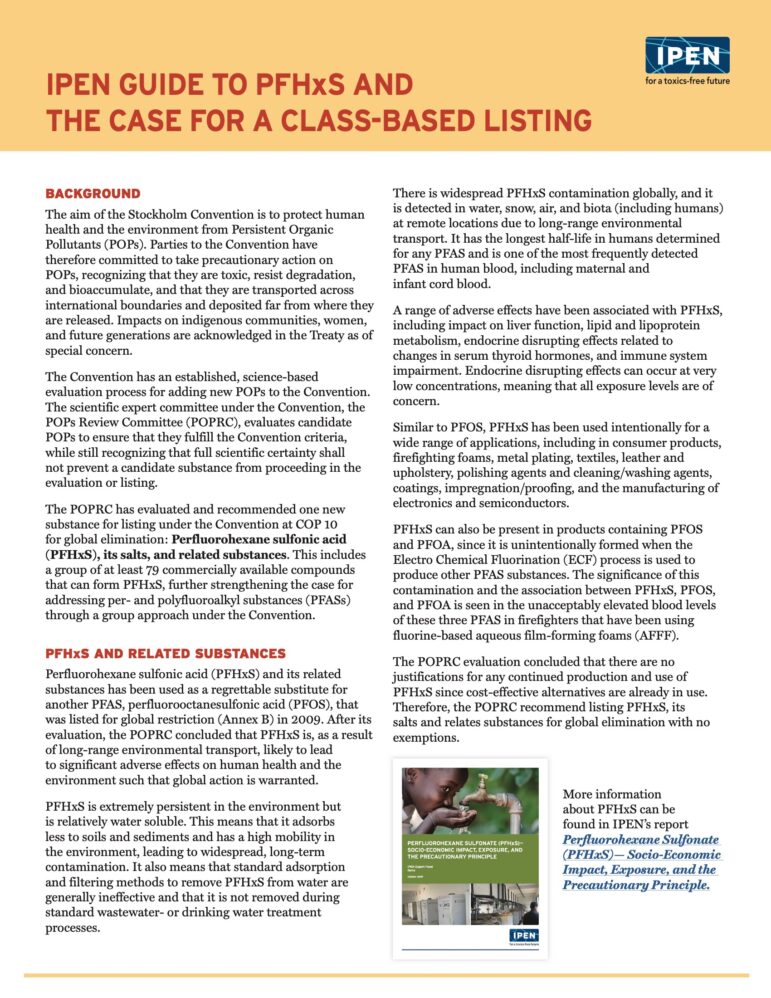
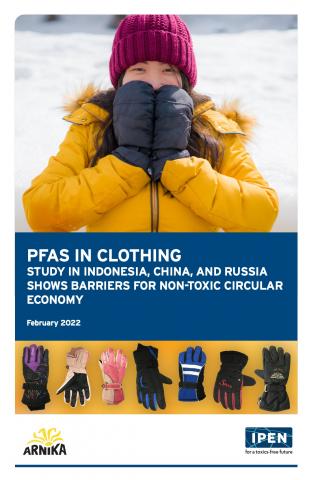
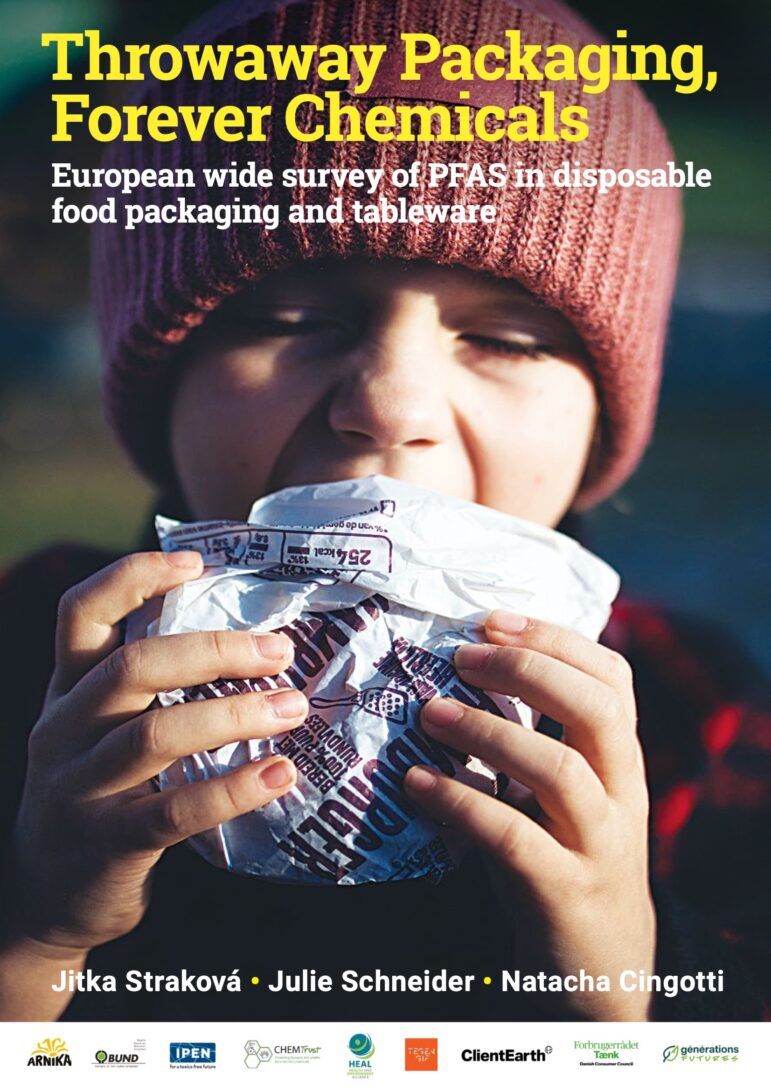
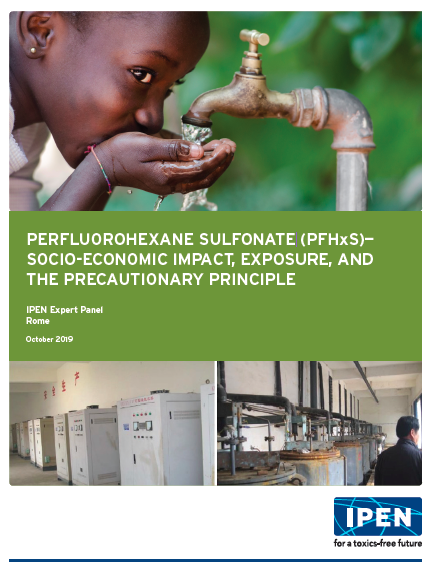
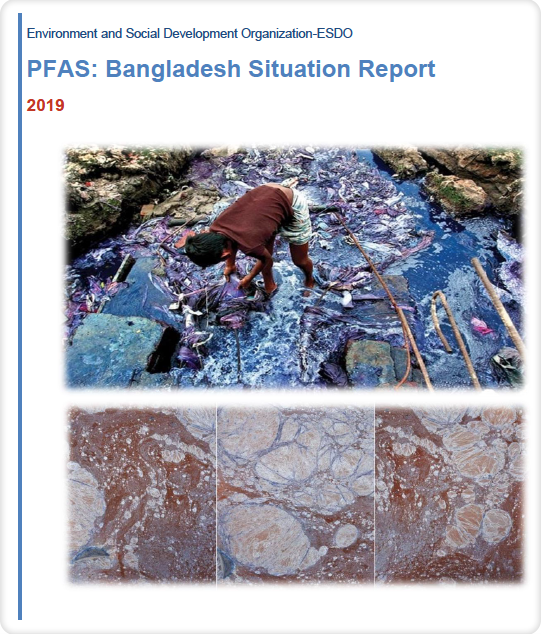
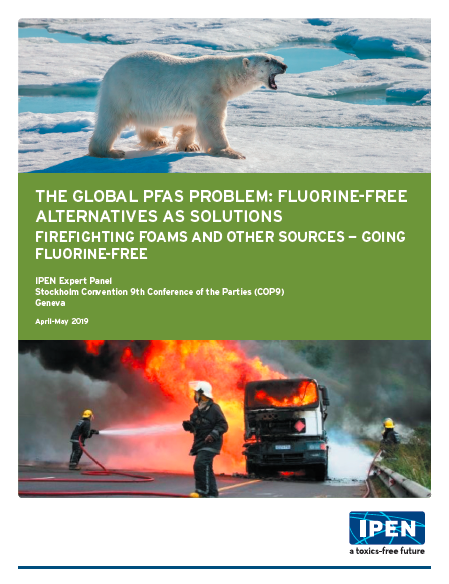
IPEN also works to investigate toxic PFAS “forever chemicals” in waterways, textiles, food packaging, and other products. While IPEN has successfully advocated for banning some large groups of PFAS through the Stockholm Convention, many remain unregulated and in wide use. Click to see IPEN members’ PFAS country reports and more PFAS publications, below.

Публікацыі

ІПЭН (Міжнародная сетка па ліквідацыі забруджвальных рэчываў)
Агляд прыватнасці

Гэты вэб-сайт выкарыстоўвае файлы cookie, каб забяспечыць вам найлепшыя магчымыя ўмовы выкарыстання. Інфармацыя з файлаў cookie захоўваецца ў вашым браўзеры і выконвае такія функцыі, як пазнаванне вас пры вяртанні на наш вэб-сайт і дапамога нашай камандзе зразумець, якія раздзелы сайта вы лічыце найбольш цікавымі і карыснымі.