

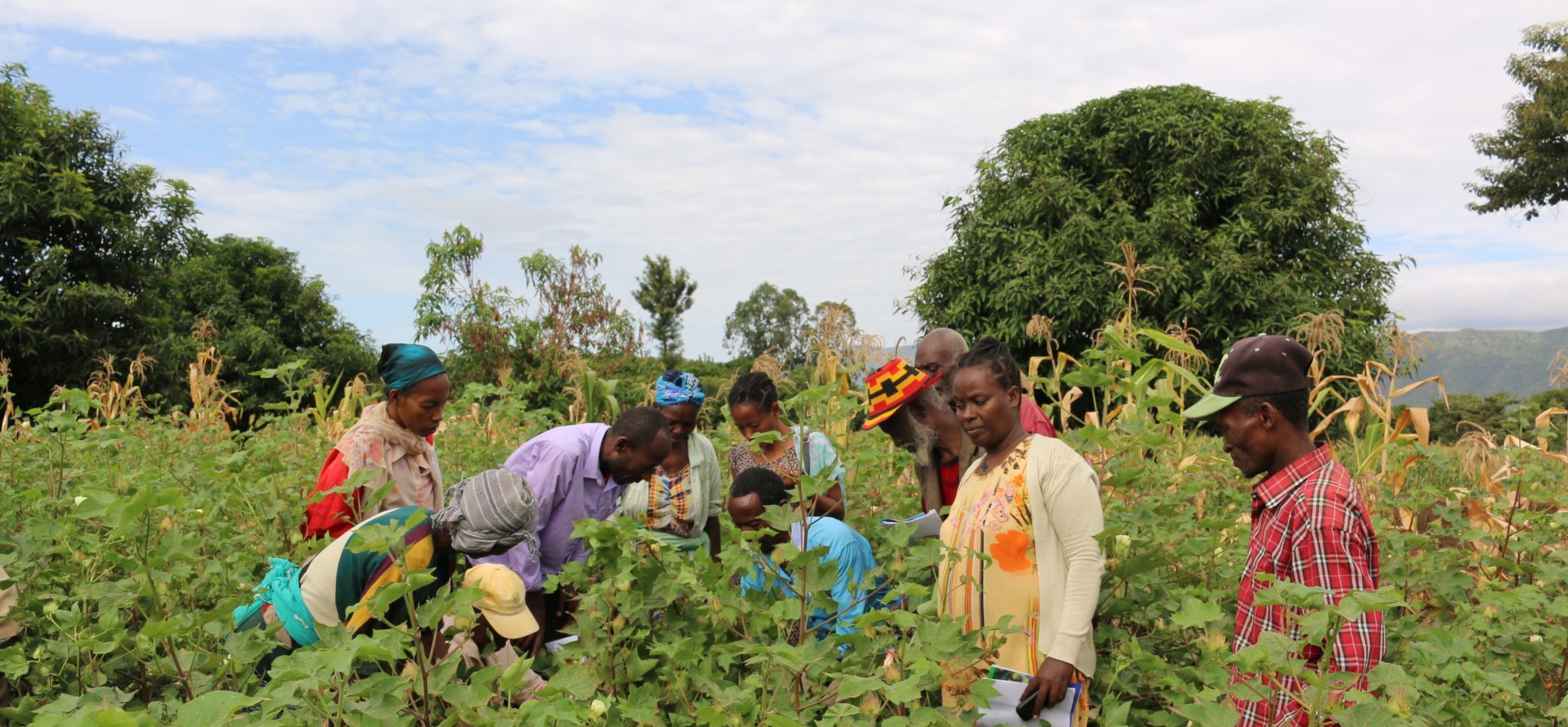
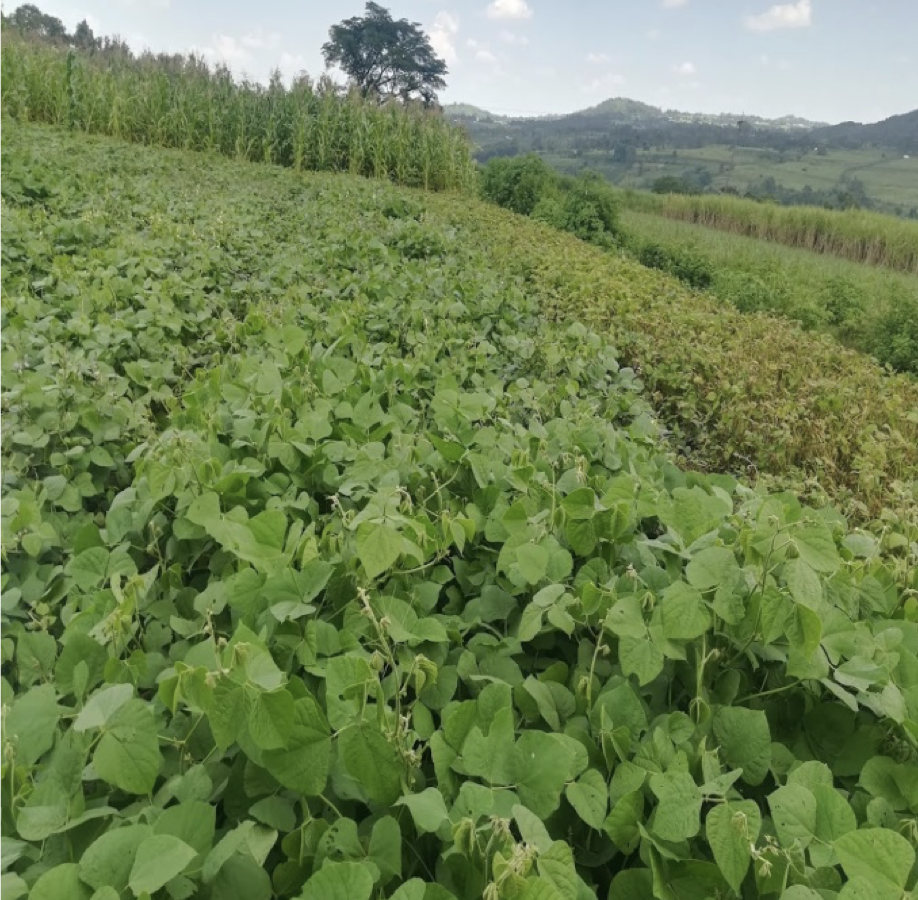
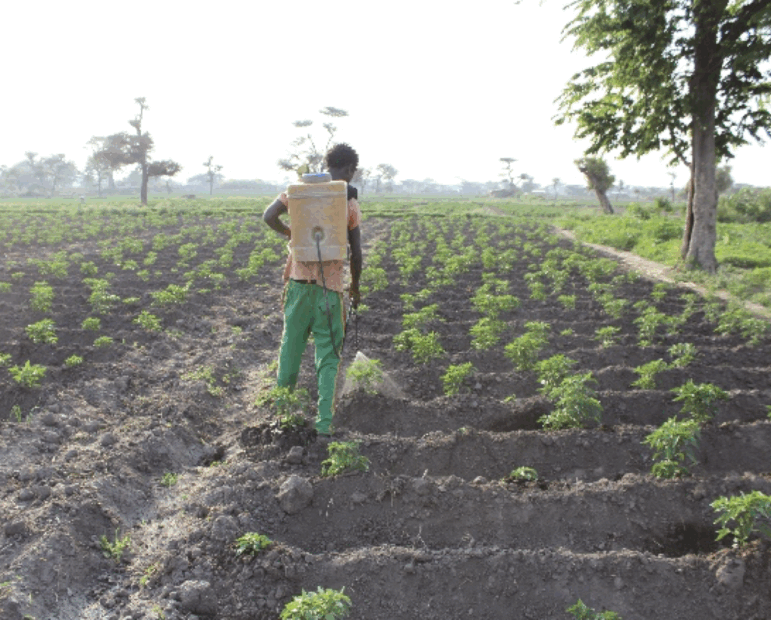
Farmers in a field in Ethiopia learning about pesticide-free farming

Nacionalna akcija

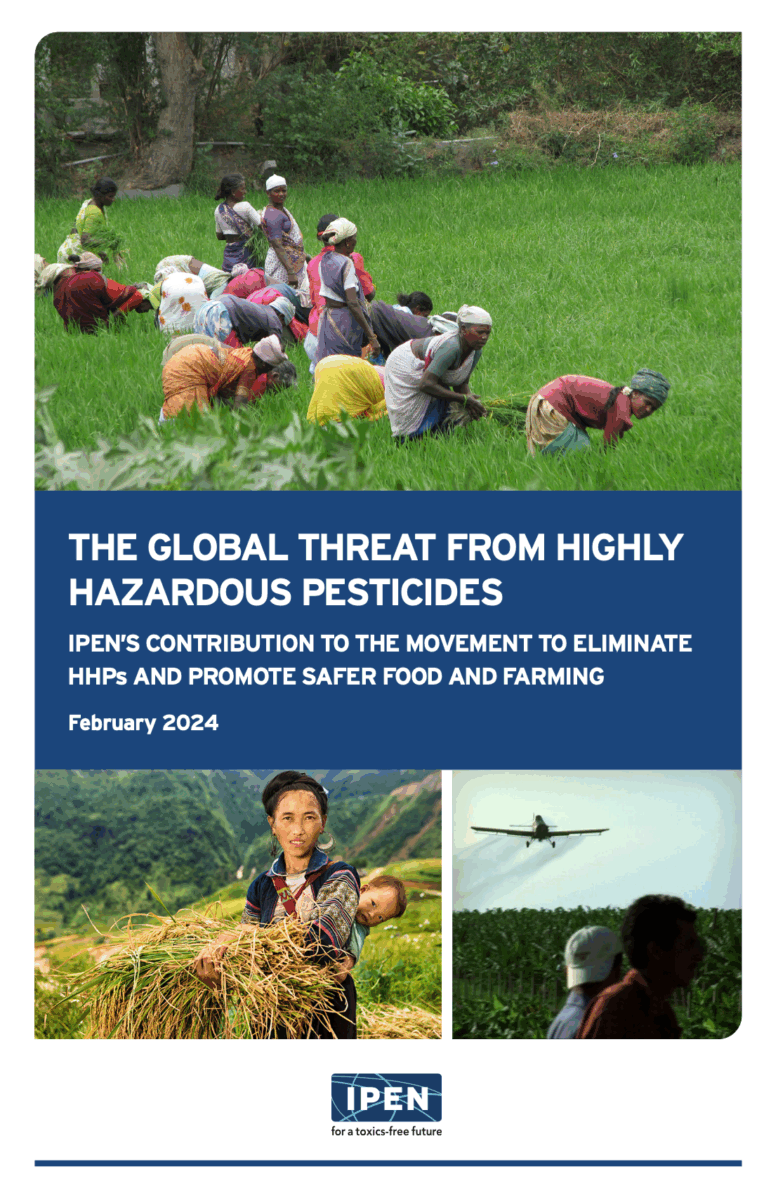
For decades, IPEN members have conducted scientific studies, produced original research, and advocated for sustainable farming solutions to replace toxic pesticides.

See some of the national projects by IPEN members, below.

National research by IPEN members

Highly Hazardous Pesticides (HHPs)

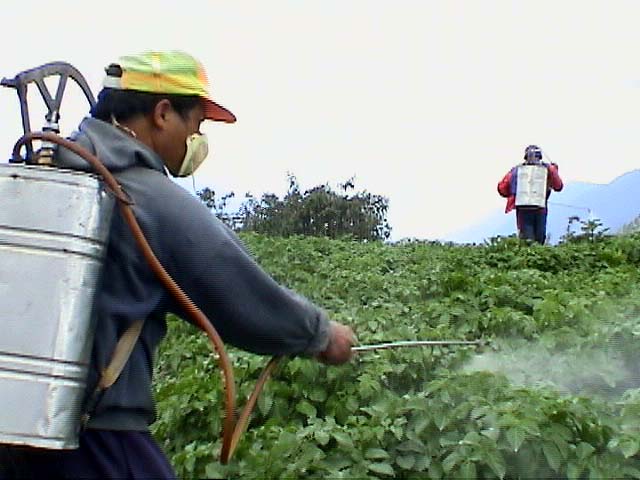
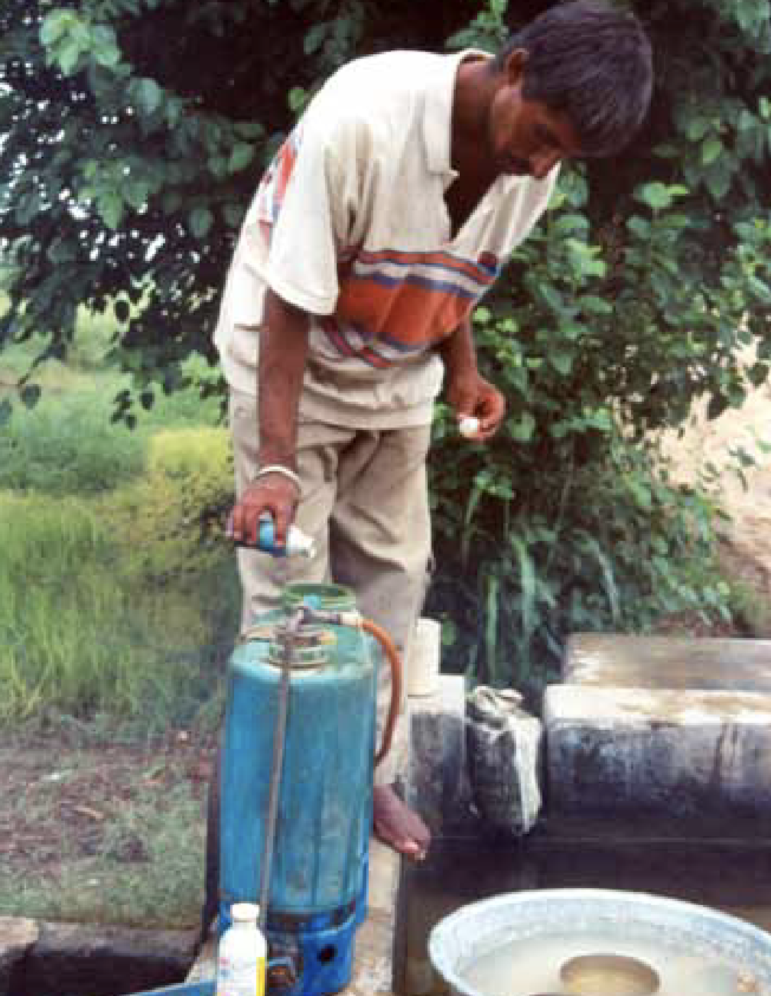
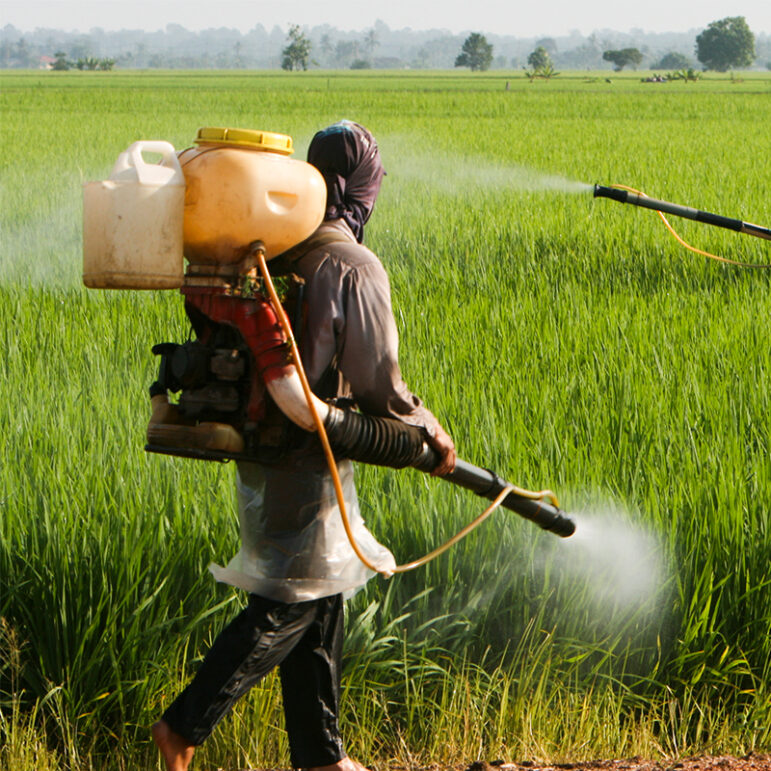
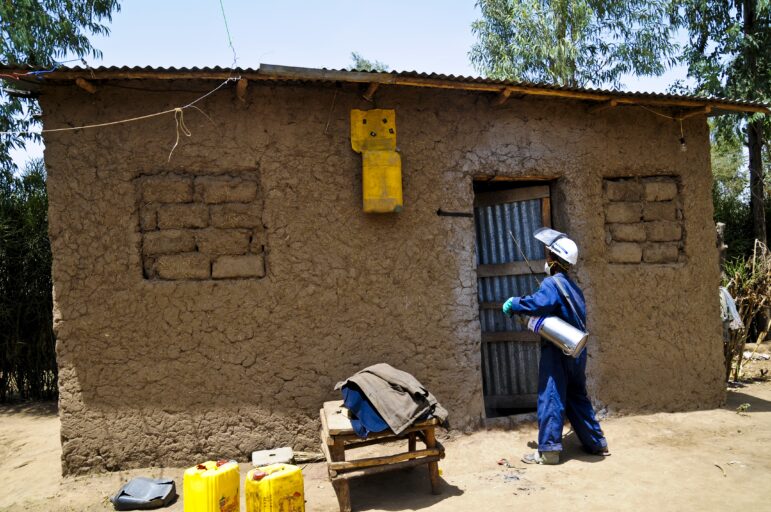
IPEN members in dozens of countries have conducted research to document highly hazardous pesticides (HHPs) in their countries.

Alternatives to Pesticides

IPEN members documented threats from pesticides and efforts by farmers and others in their countries to replace toxic chemicals with agroecological practices.

Chloryprifos

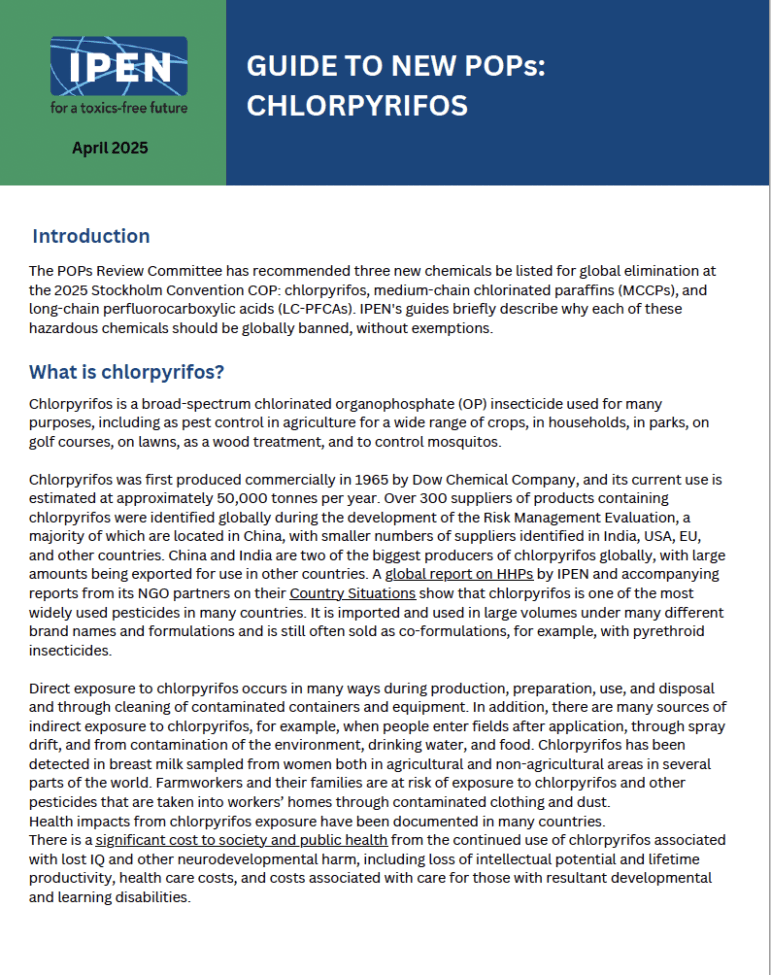
Studies have linked the toxic pesticide chlorpyrifos to neurodevelopmental harm, with particularly disturbing effects on children’s developing brains. Reports by IPEN members documented chlorpyrifos in their countries and helped bring about a decision at the Stockholm Convention in 2025 to globally ban this toxic chemical.

Sulfluramid Use in Latin America

IPEN members in Latin America documented ongoing uses of sulfluramid, a pesticide that creates the globally banned PFAS “forever chemical” PFOS when used. Their report and factsheet advocates for an end to the exemption that allows ongoing uses of this toxic chemical.

DDT and its Legacy

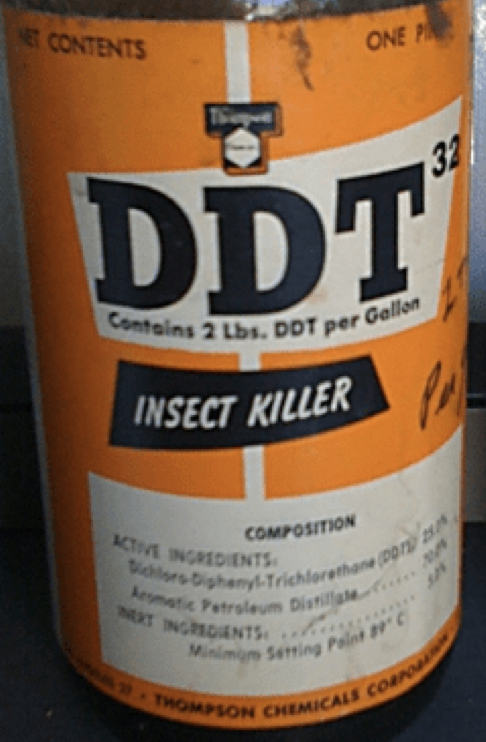
While DDT has been banned globally since 2004, ongoing uses and the legacy of its production and use create highly toxic pollution. See reports from IPEN members documenting DDT impacts in their countries.

For more, see IPEN’s work on Eliminating Hazardous Pesticides

Publikacije

IPEN (Međunarodna mreža za uklanjanje zagađivača)
Pregled privatnosti

Ova web stranica koristi kolačiće kako bismo vam mogli pružiti najbolje korisničko iskustvo. Informacije o kolačićima pohranjuju se u vašem pregledniku i obavljaju funkcije poput prepoznavanja kada se vratite na našu web stranicu i pomažu našem timu da razumije koje dijelove web stranice smatrate najzanimljivijima i najkorisnijima.