

Eliminating Toxic Pesticides

IPEN has worked to end threats to health and the environment from toxic pesticides since its inception and continues to lead  global and national advocacy efforts for safer agroecological practices.

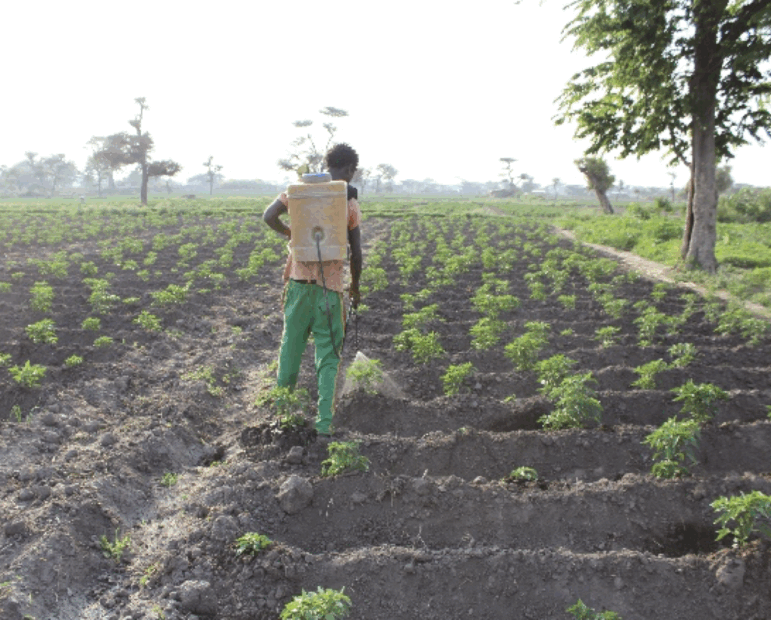
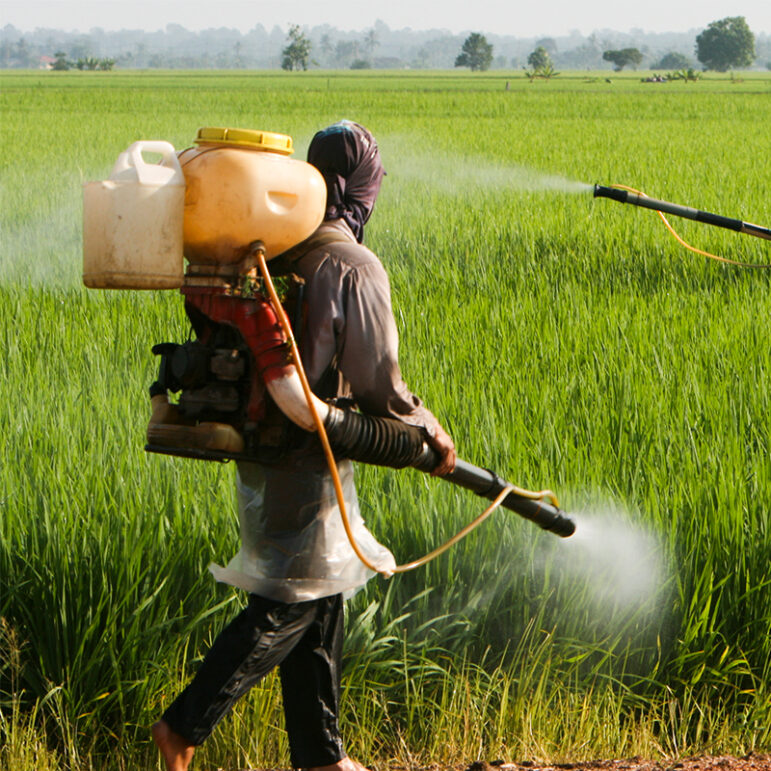
After WWII, pesticide and fertilizer use increased dramatically. With the advent of pesticides, many targeted pests began developing resistance. This often led growers to a new phenomenon called secondary pest outbreaks: pests that had previously been harmless began to appear in epidemic numbers. New pesticides were then introduced to control the secondary pests, with increasing risks to health and diminishing soil quality.

By the mid-1950s, researchers were already documenting problems from pesticides, including health threats and threats to safe drinking water, clean air, soil quality, and sustainable farming.

Early Work

IPEN works to eliminate harmful pesticides through the Stockholm Convention, the GFC, and through national policy development. In 2003, IPEN began advocating for adding the toxic pesticide lindane to the Stockholm Convention’s list of globally banned POPs. In 2009 lindane and another toxic pesticide, chlordecone, were added to the list. 

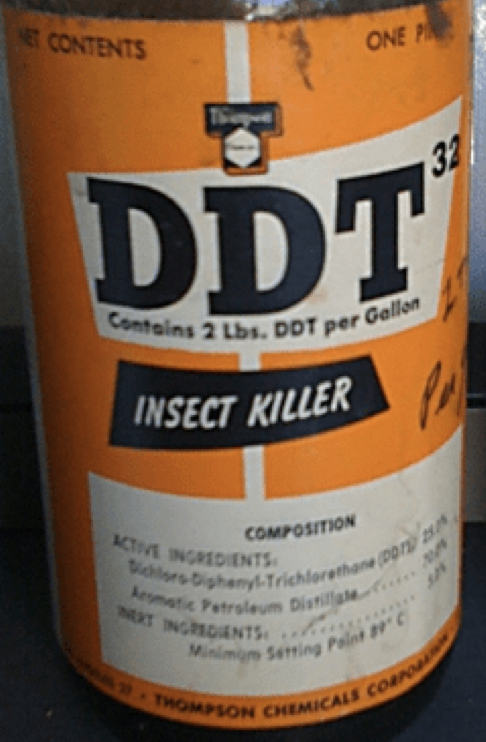
IPEN, Pesticide Action Network (PAN), and a coalition of organizations produced a Guide to Hazardous Pesticides for groups working on SAICM projects (SAICM was the predecessor to the GFC). IPEN also released a study on DDT found in free-range egg samples from 18 countries, finding some egg samples with 14 times higher levels of DDT than allowed under EU safety rules. 

A Global Alliance

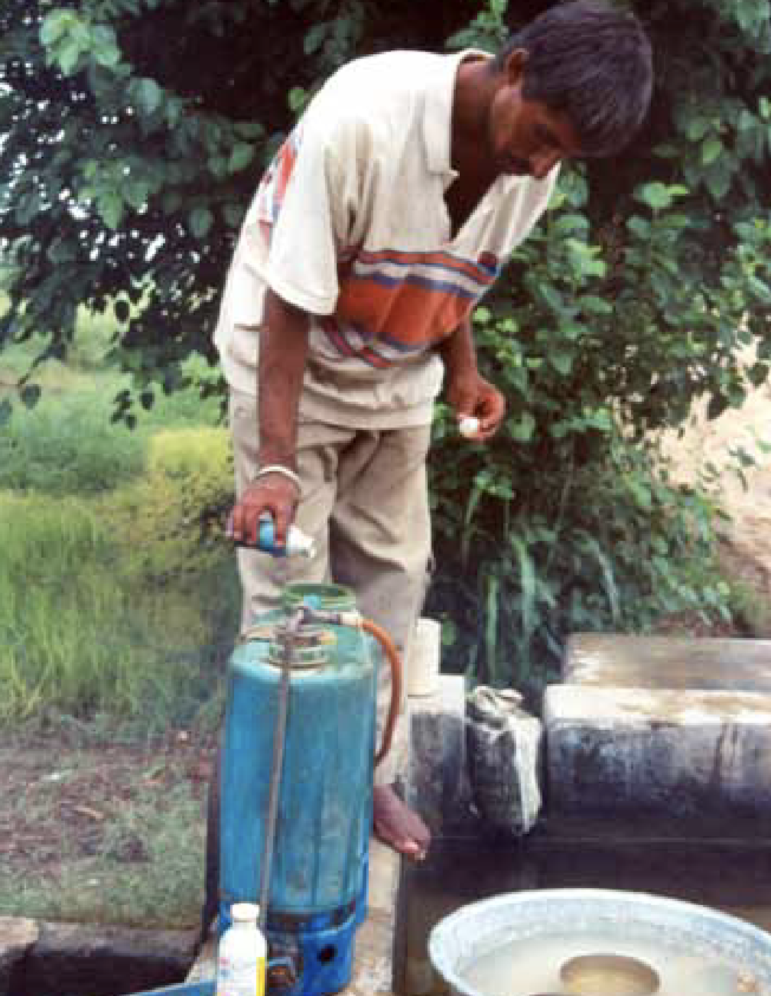
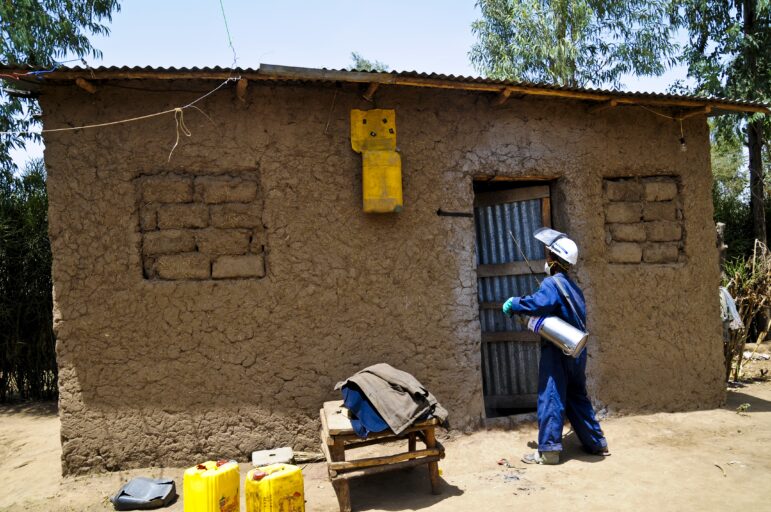
In 2014, PAN and IPEN supported a proposal by African nations calling for a Global Alliance on Highly Hazardous Pesticides (HHPs), noting that pesticides represent the largest source of chemical exposure in many developing countries. The groups reiterated the call for a global phase-out at the 2015 SAICM meeting and called for the use of agroecology to replace toxic pesticides in farming. In 2023, IPEN welcomed creation of the Global Alliance on HHPs as part of the Global Framework on Chemicals.

Documenting Double Standards

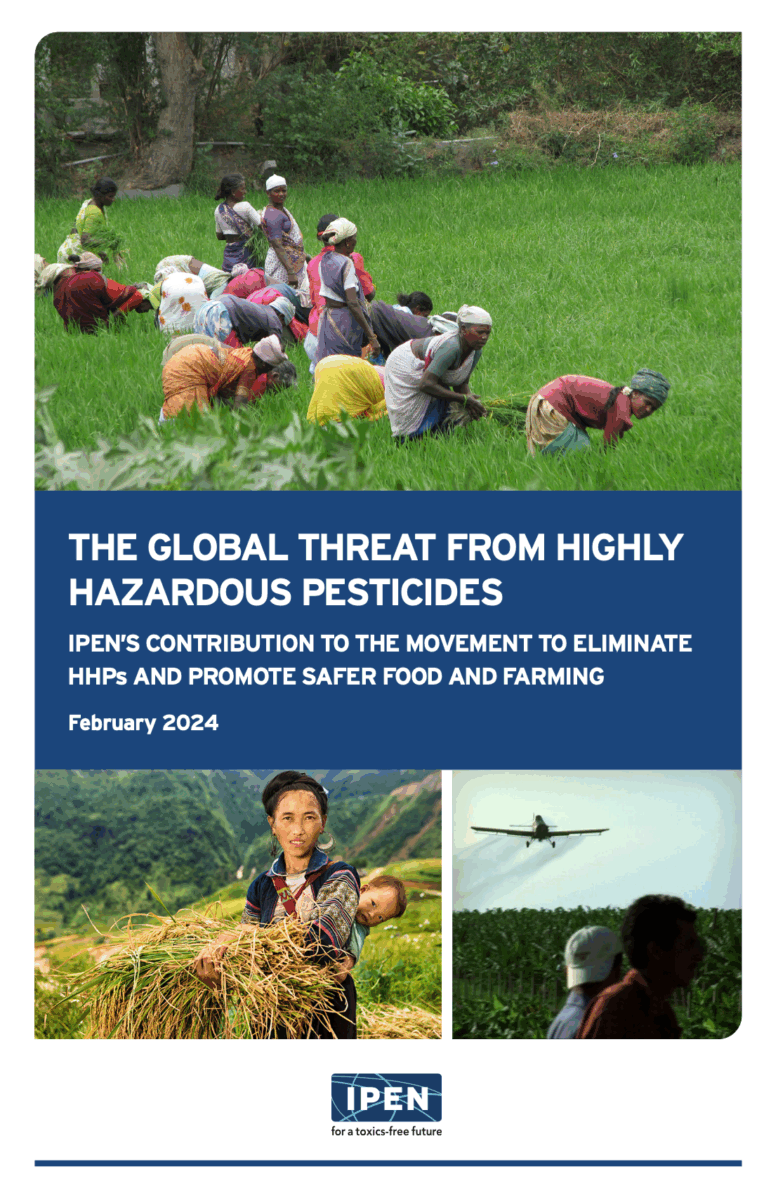
A 2024 IPEN report provided an overview on the global spread and dangers of HHPs. Building on work by IPEN and its partners from 2017-2024 and covering 83 projects in 43 low- and middle-income countries (LMICs), the report provides background information on HHPs, identifies safe alternatives already available, and provides a deeper dive into four HHP case studies. The report also documents the double-standards by which pesticides banned in wealthier countries remain in use in LMICs – noting that more than two hundred HHPs are allowed for use in these countries that have been banned elsewhere.

Banning a Brain-Damaging Pesticide

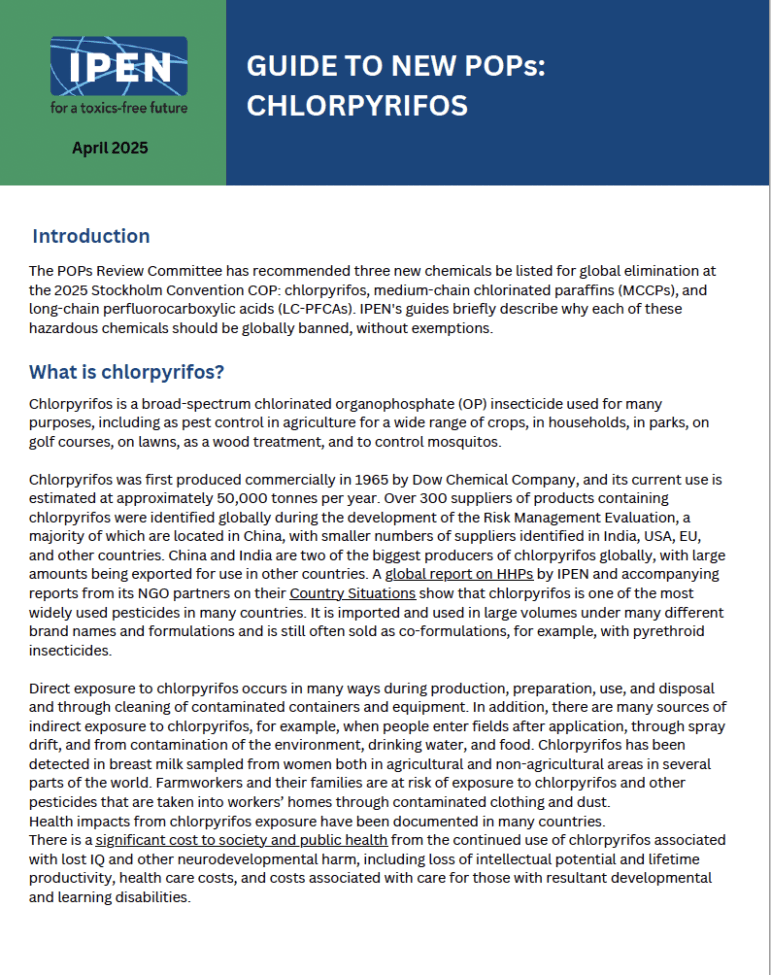
In 2025, IPEN advocacy contributed to the Stockholm Convention decision to ban the HHP chlorpyrifos, a pesticide known to cause damage to children’s developing brains. Additionally, work for national regulations also brought success: advocacy in Nepal by IPEN member the Center for Public Health and Environmental Development (CEPHED) led to a national ban by their government on three HHPs. Several IPEN members also produced national reports on chlorpyrifos threats in their countries.

Հրատարակություններ

IPEN (Միջազգային աղտոտիչների վերացման ցանց)
Գաղտնիության ակնարկ

Այս կայքը օգտագործում է cookie-ներ, որպեսզի մենք կարողանանք ձեզ հնարավորինս լավ օգտվողի փորձառություն ապահովել։ Cookie-ների մասին տեղեկությունները պահվում են ձեր զննարկչում և իրականացնում են այնպիսի գործառույթներ, ինչպիսիք են՝ ձեզ ճանաչելը, երբ վերադառնում եք մեր կայք, և օգնել մեր թիմին հասկանալ, կայքի որ բաժիններն եք դուք համարում ամենահետաքրքիր և օգտակար։.