
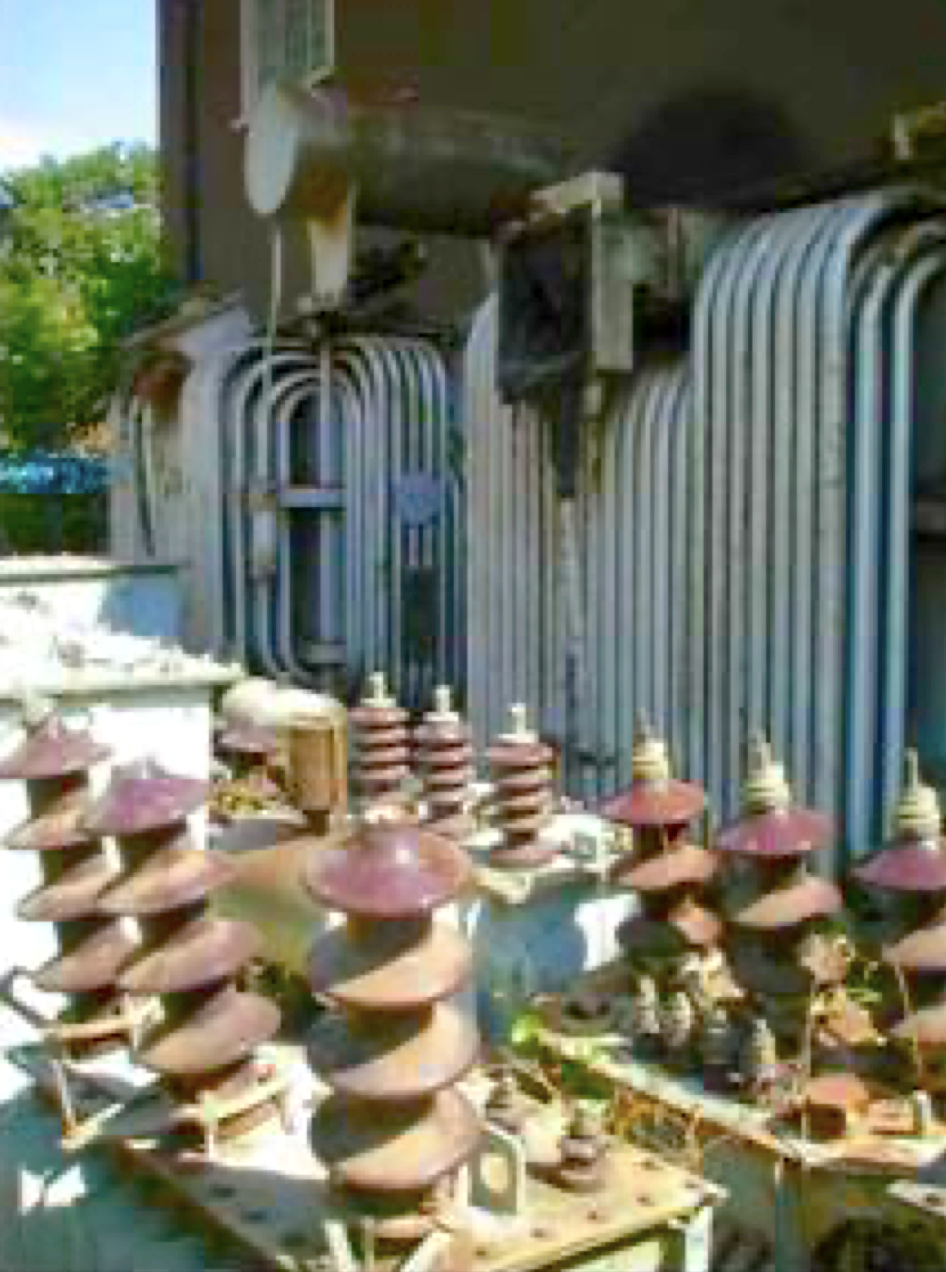
Polychlorinated biphenyls (PCBs) are globally banned under the Stockholm Convention, as one of the original 12 “dirty dozen” banned substances. Unfortunately, data shows that most countries are not on track to remove PCBs from the environment by the 2028 global Stockholm Convention goal.
To promote an end to uses of PCBs and safer dispoal methods, IPEN Participating Organizations conducted reseach in their countries to highlight quantities of PCBs remaining to destroy, provide information on PCBs inventory-related data, and pomote non-combustions methods of destruction.
Also, see IPEN publications calling for the use of non-combustion technologies for POPs waste destruction.

 English
  简体中文
简体中文  Français
  Bahasa Indonesia
  Русский
  Español
  العربية
  Shqip
Shqip  Հայերեն
  Azərbaycan dili
  Беларуская мова
  Български
  Cantonese
  Hrvatski
  Čeština
  ქართული
  Deutsch
  Ελληνικά
  हिन्दी
  Қазақ тілі
  한국어
한국어  Кыргызча
  Bahasa Melayu
  नेपाली
  Português do Brasil
  Kiswahili
  Svenska
  Tagalog
  தமிழ்
தமிழ்  ไทย
ไทย  Українська
  Tiếng Việt