


IPEN’s Role: Implementing a Global Framework
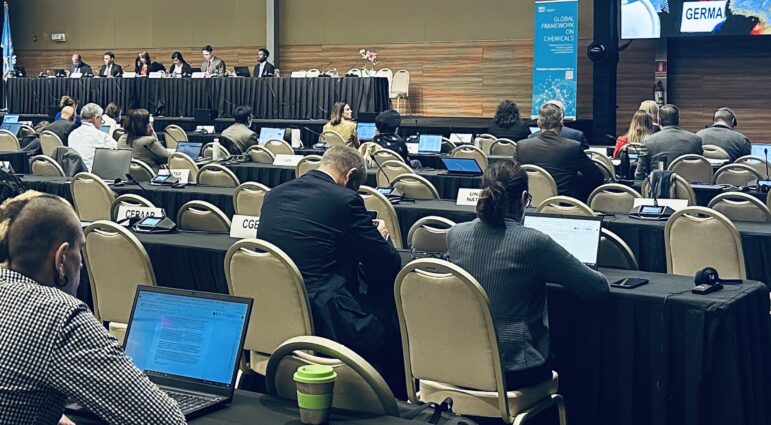
Many hazardous chemicals that pose threats to human health and the environment are not regulated under any international treaty. IPEN works for global and national policies to end and reduce the use of all harmful chemicals, including through the Global Framework on Chemicals (GFC).
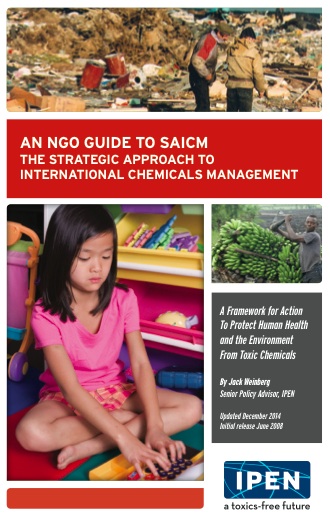
The GFC was initiated in 2023 following the culmination of the Strategic Approach to International Chemicals Management (SAICM), a cooperation developed in 2002 to reduce and minimize harms from the way chemicals are produced and used.
IPEN and its members contributed to SAICM from its inception and were active participants throughout its process. In 2006, when SAICM was adopted in Dubai, IPEN released its Dubai Declaration for a Toxics-Free Future, calling for a world “in which all chemicals are produced and used in ways that eliminate significant adverse effects on human health and the environment.”
IPEN’s work provided the SAICM process with critical, unique research documenting threats to human health and the environment from chemicals and wastes from many parts of the world where no previous data existed. IPEN also contributed creative, comprehensive policy solutions that were adopted within SAICM and by many national and local governments – work IPEN is continuing through the Global Framework on Chemicals.
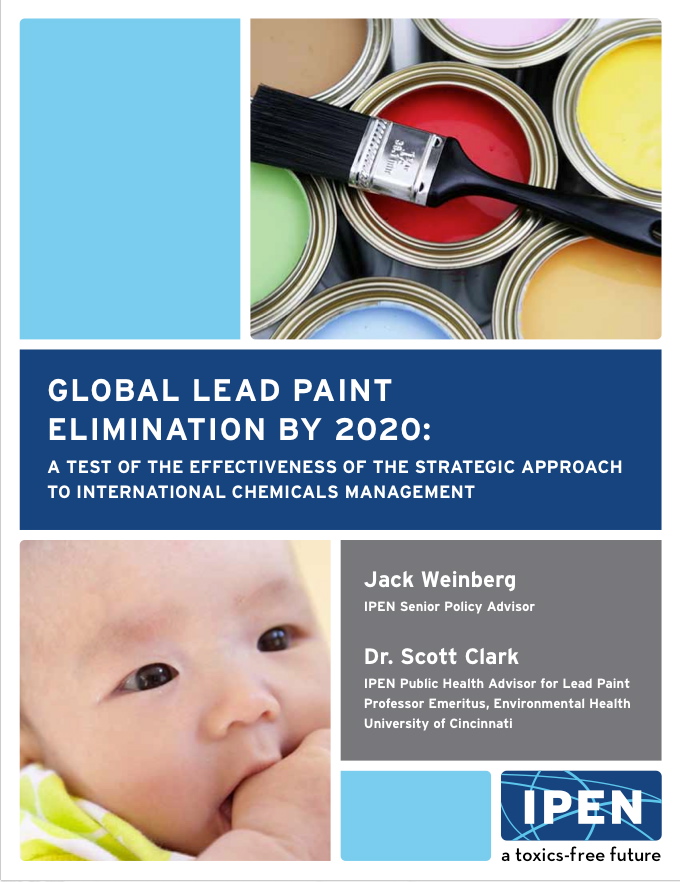
When SAICM was established, IPEN and a collaboration of international public interest groups created a SAICM Global Outreach project to catalyze joint efforts around the world toward SAICM’s chemical safety goals. The Common Statement on SAICM was adopted by more than 1,000 public interest groups in more than 100 countries. With the Global Outreach project, IPEN also created educational materials on SAICM, mercury pollution, lead paint, пестицидтер, chemicals in products, toxic flame retardant chemicals, and ПОПтар to provide the tools needed to advance SAICM goals.
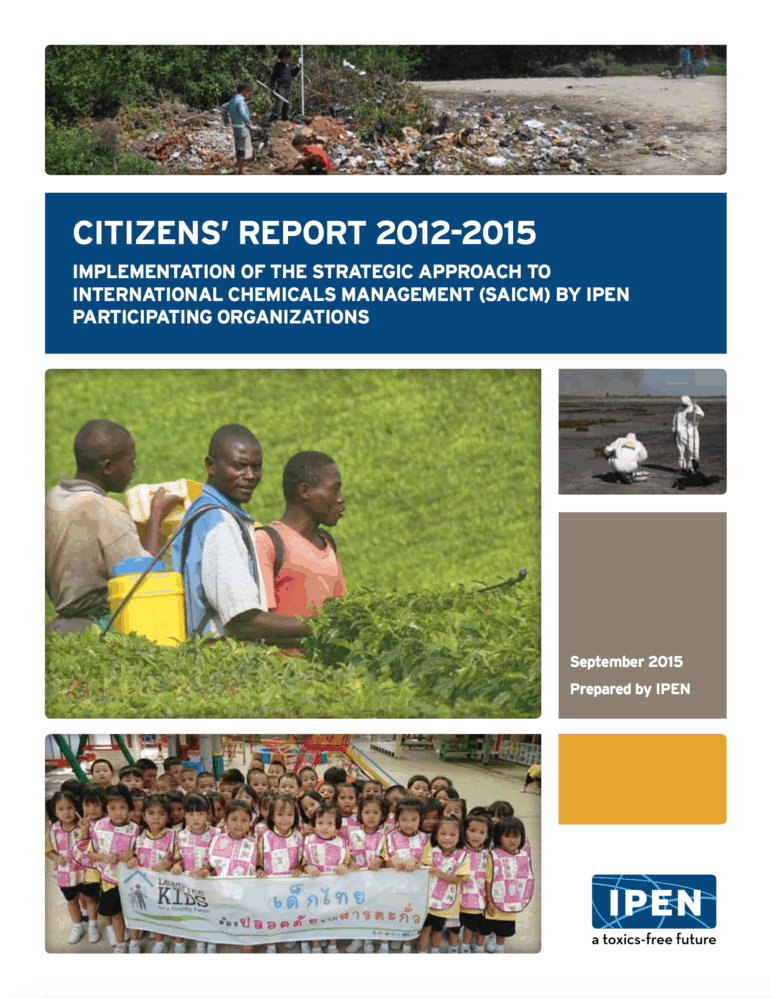
A 2009 IPEN report highlighted more than 300 SAICM-related projects by IPEN members. In 2010, IPEN launched the International SAICM Implementation Project (ISIP), resulting in more than 100 activities in 50 countries. A 2012 IPEN report noted more than 300 SAICM-related activities conducted by IPEN members in 50 countries, including lead paint testing, promoting sustainable farming, addressing toxic chemicals in manufacturing and wastes, assessing chemical hotspots, and exposing the illegal traffic of chemicals and wastes, among other areas.
The 2014 IPEN report with the Endocrine Society, An Introduction to Endocrine Disrupting Chemicals (EDCs), helped prompt discussions in SAICM and ultimately resulted in EDCs being adopted as a priority emerging issue. In 2020, IPEN есебі with the Center for International Environmental Law outlined options for implementing the “polluters pay” principle for the costs associated with toxic chemicals and waste.
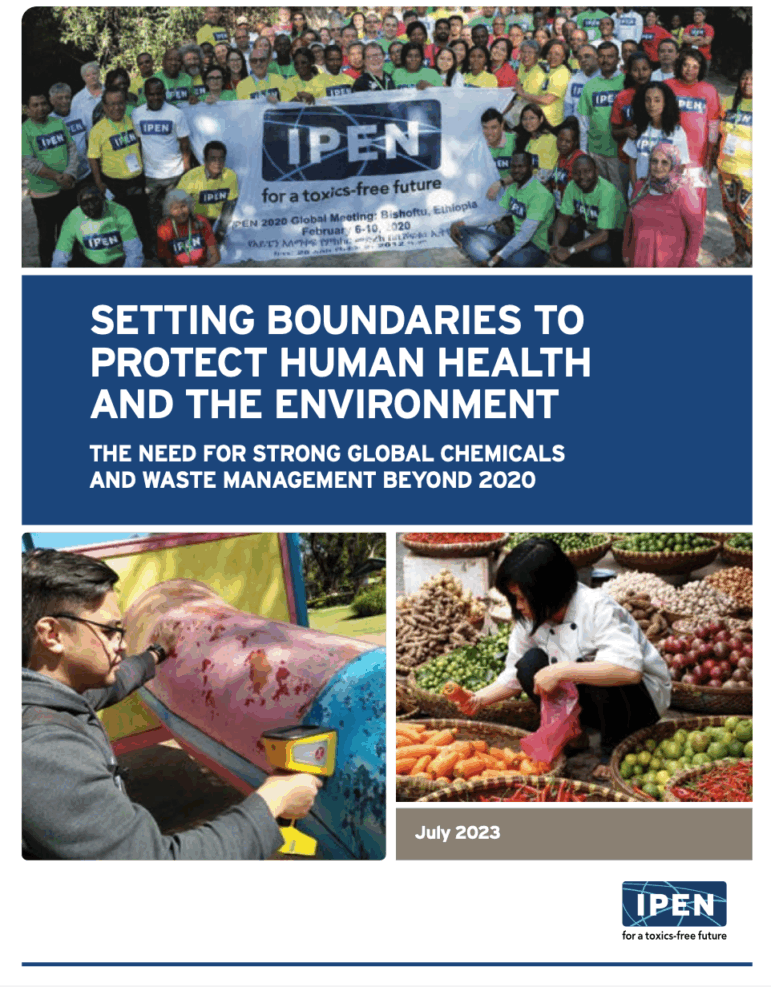
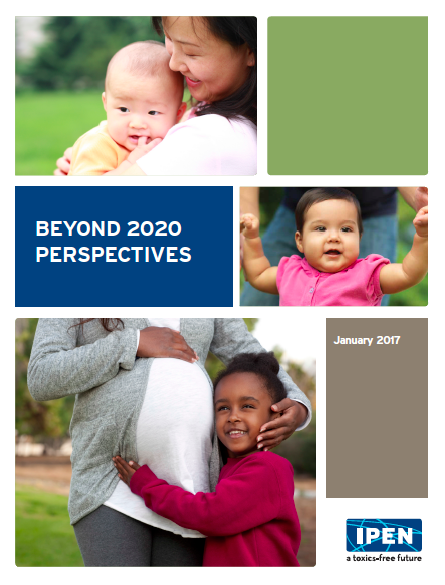
SAICM was slated to end in 2020, but it was clear that toxic chemicals would remain a threat to human health and the environment. In 2015, an IPEN paper helped kick-off “Beyond 2020” discussions, and the Beyond 2020 Perspectives, produced by IPEN and Pesticide Action Network, helped set the table for the creation of the Global Framework on Chemicals.