

Plastics Treaty INC-1

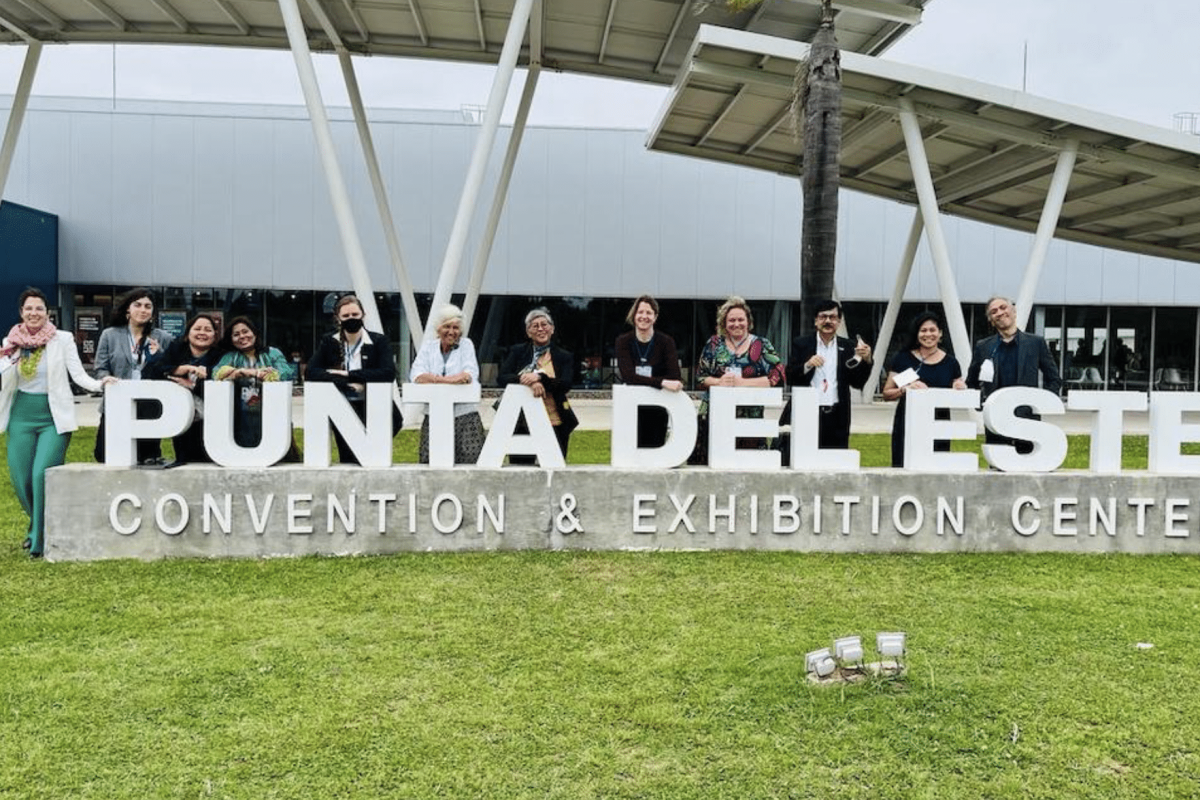
Punta del Este 28 November - 2 December 2022

The first meeting of the Intergovernmental Negotiating Committee (INC-1) of the Plastics Treaty took place from 28 November – 2 December 2022 in Punta del Este, Uruguay.

See IPEN’s Пластикалық шарт платформасы.

Пластика туралы келісім ресурстары

The Plastic Treaty negotiations are scheduled to continue through 2024, with regular sessions of the Intergovernmental Negotiating Committee (INC).

Әр келіссөз сессиясы үшін IPEN жиналыс күн тәртібі мен өзекті мәселелер бойынша саясаттық құжаттар, сондай-ақ шолу материалдары, есептер және басқа да құжаттар әзірлейді. 

Our Quick Views and some other materials are available in several languages.

VIDEO

Plastics Poisoning Our Health

Plastics contain toxic chemicals linked to cancer, brain damage, infertility, and other serious conditions. About one-quarter of the chemicals in plastics are known to be toxic, while hundreds more may be as harmful but have never been tested. A Plastics Treaty must be a global health treaty.

See IPEN’s video “Exposing Problems from Toxic Chemicals in Plastics,” available in Ағылшынша, Spanish, and French.

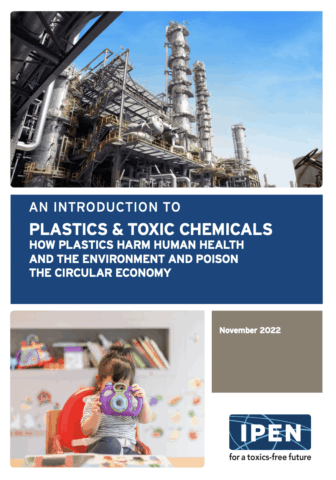
AN INTRODUCTION TO

Plastics and Toxic Chemicals

IPEN’s new guide, “An Introduction To Plastics & Toxic Chemicals: How Plastics Harm Human Health And The Environment And Poison The Circular Economy,” provides background on plastics as materials that pose threats to human health, the environment, and a non-toxic circular economy for delegates, policymakers, public interest groups, and the media.

VIDEO

Plastics and Environmental Injustice

Plastics transport chemicals into every nook and cranny of the world – they bring toxic chemicals into our homes and ultimately into our bodies. Communities already facing disproportionate health impacts from chemical exposures face the greatest threats from plastics.

See the IPEN video “Plastics, Plastic Waste, and Chemicals in Africa”’ showing how exports of plastics and plastic waste, mostly from wealthy countries, bring toxic chemicals to Africa, exposing children and families to harmful chemicals and poisoning the circular economy. Available in Ағылшынша және French.

How Plastics Poison the Circular Economy

The toxic chemicals in plastics make them inherently incompatible with circular economic approaches. We need immediate steps to significantly reduce production of plastics and a fundamental shift in our materials economy to replace them with safer, sustainable materials that promote a healthy, circular economic future.

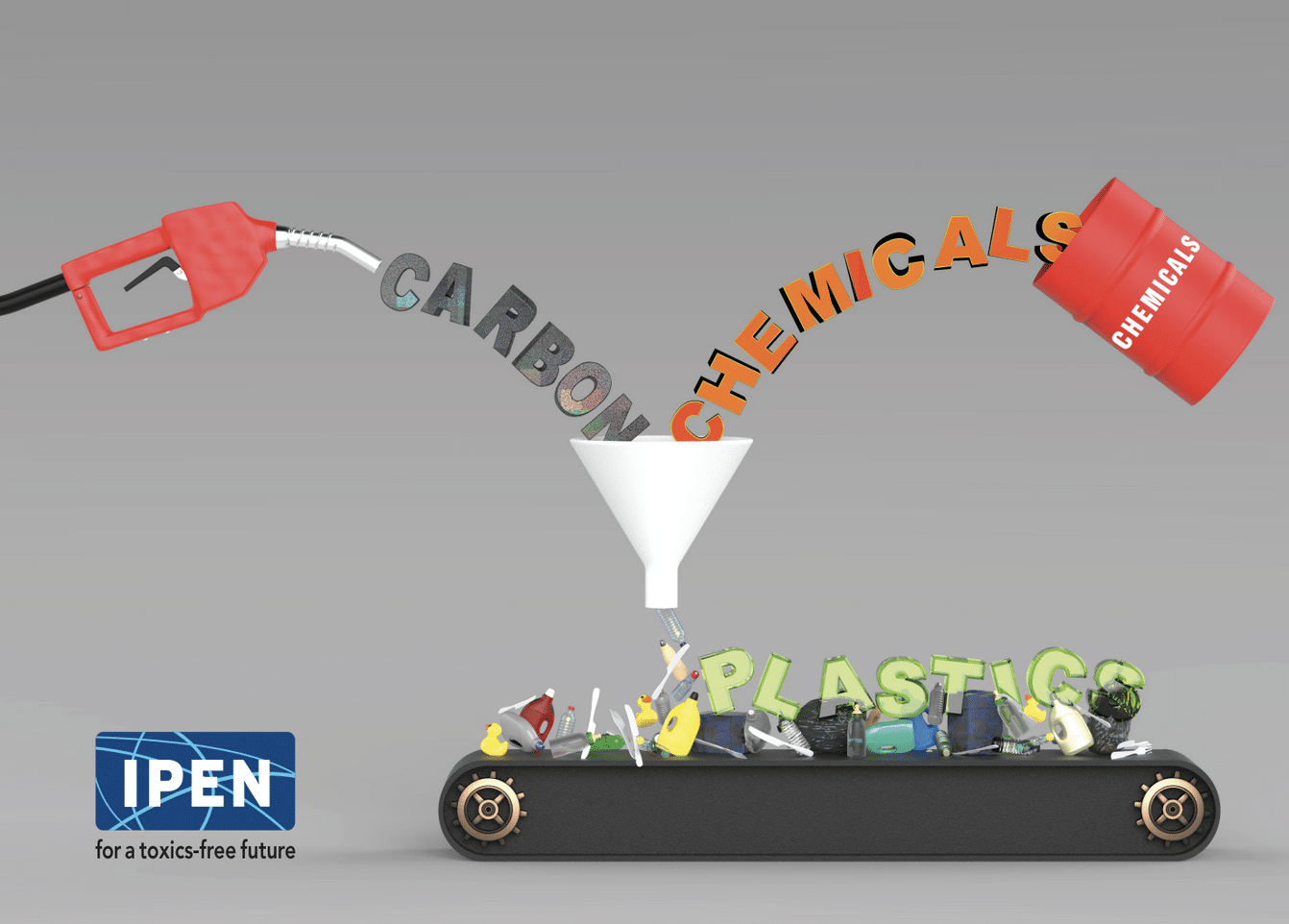
For a meaningful Plastics Treaty, it is important to address plastics as materials made from carbon and chemicals. People are exposed to toxic chemicals at every phase of the plastics life cycle – from oil extraction to plastics production, transport, use, and disposal.

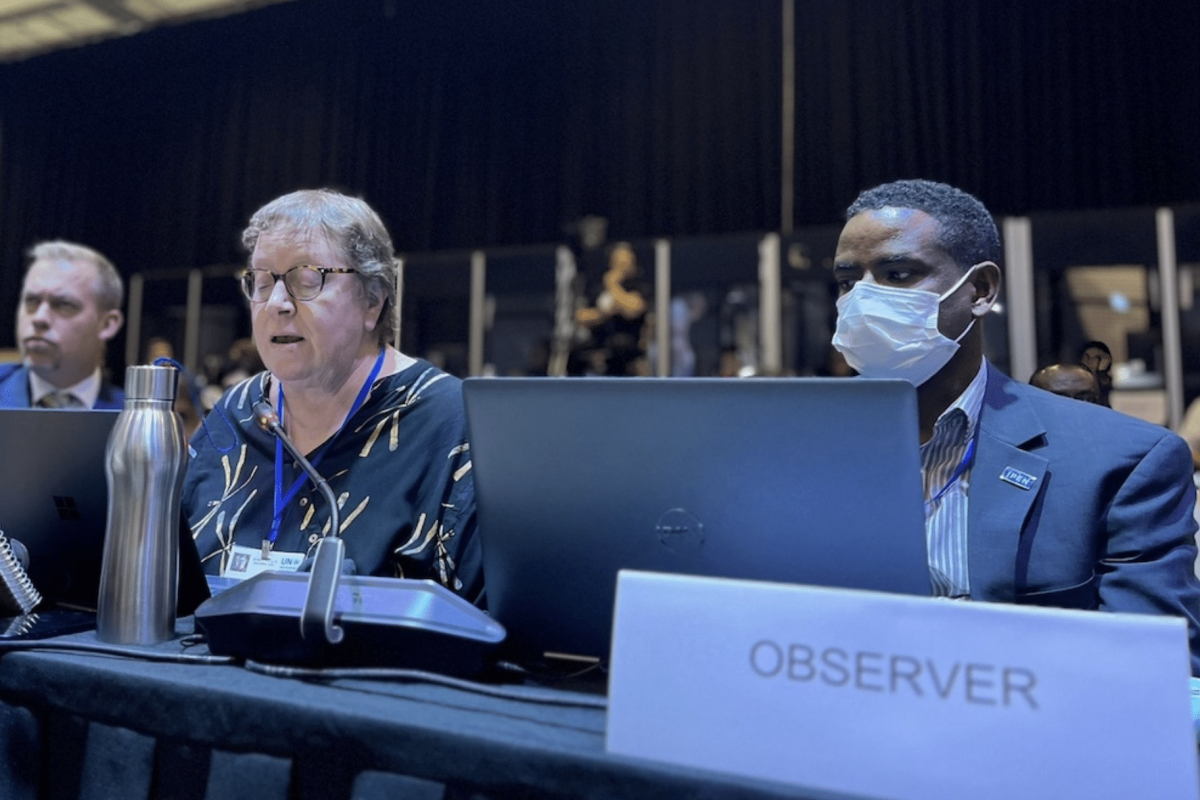
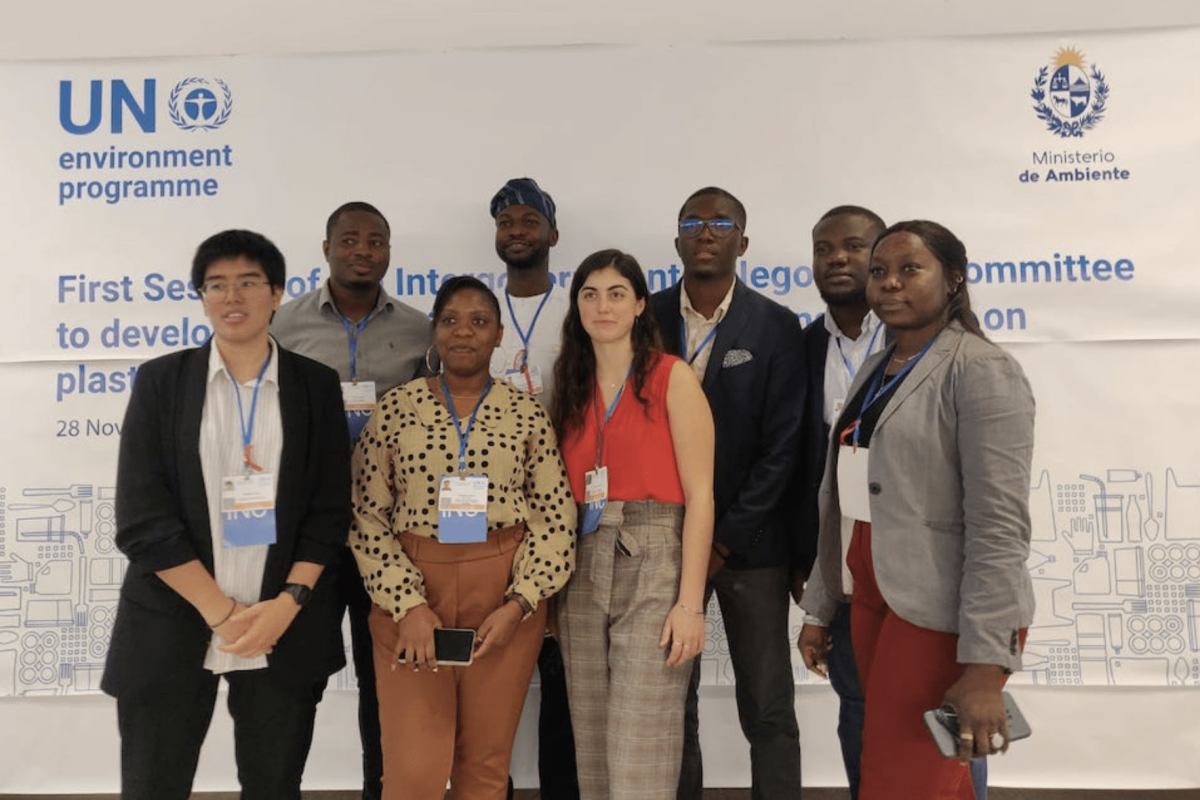
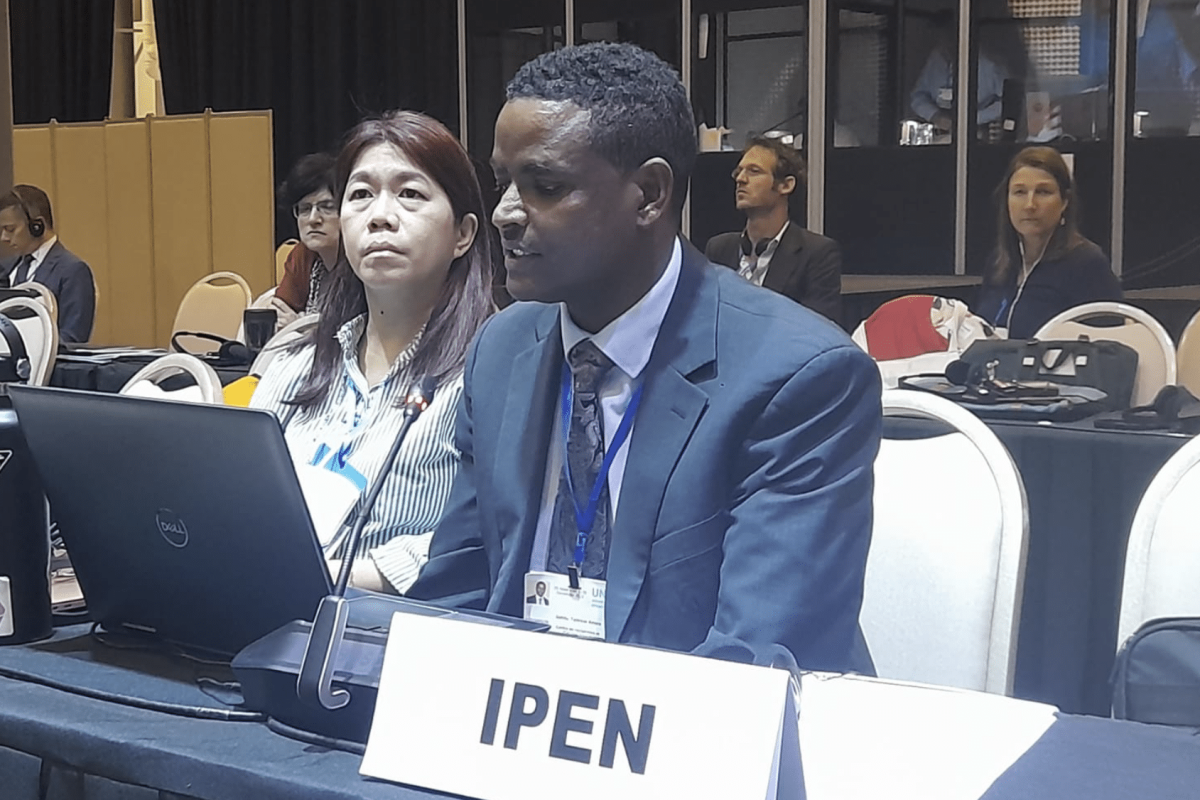
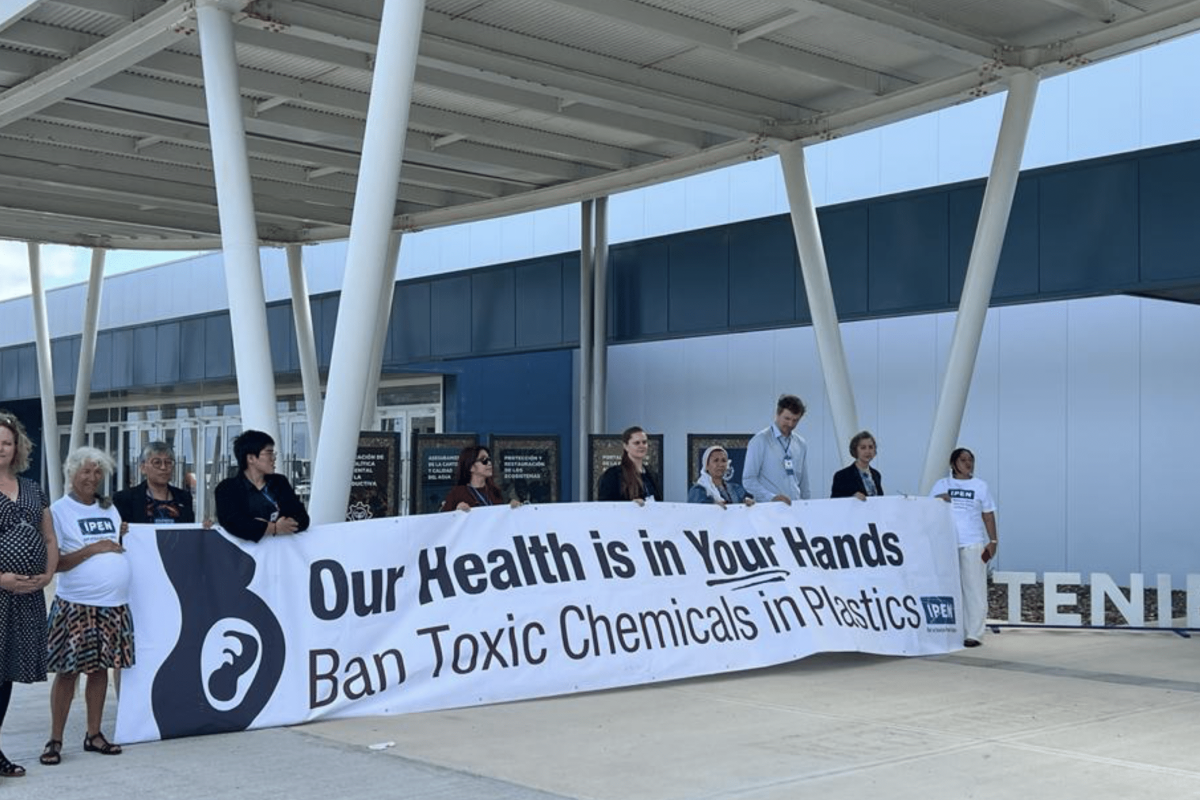
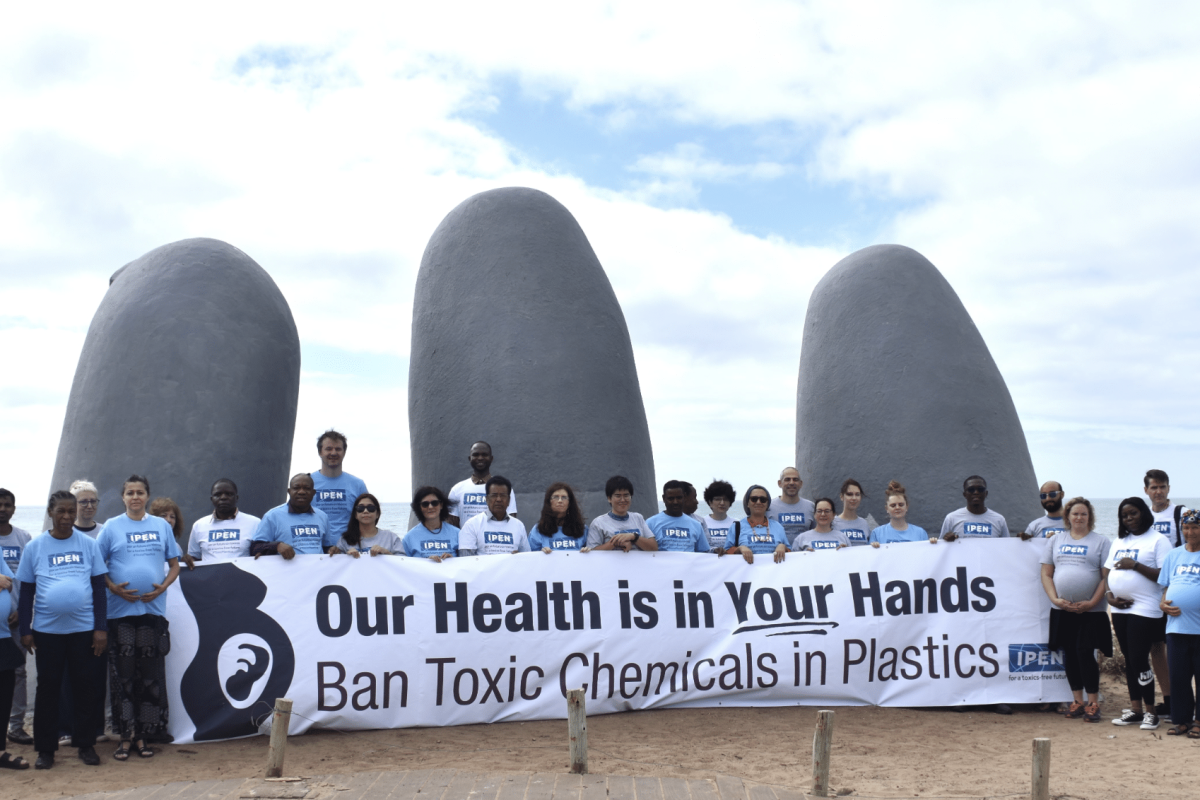
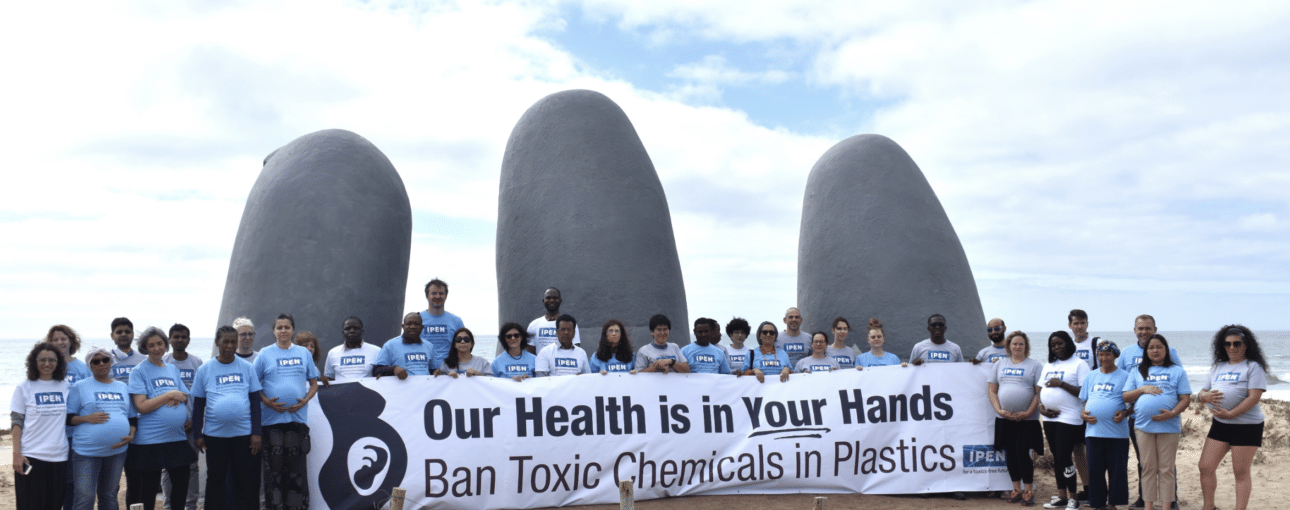
Images from INC-1

THE MYTH OF

Plastic Recycling

Industry promotes recycling as the solution to plastics pollution, but most plastics are never recycled. Further, making plastic waste into fuel creates more dangerous chemicals, magnifying the health threats from plastics.

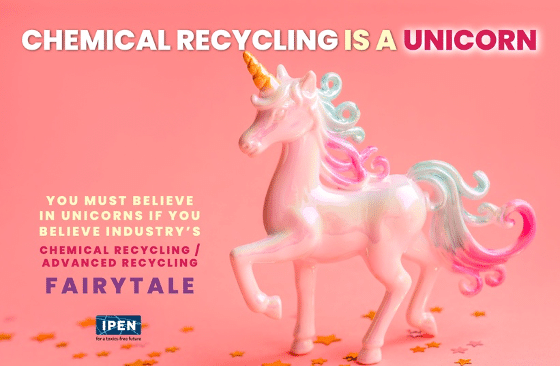
See IPEN’s reports on refuse-derived fuel (plastic waste fuel) and plastic waste management hazards, and our 2022 event on plastic chemical recycling.

IPEN (Халықаралық ластаушы заттарды жою желісі)
Жеке өмірге қатысты шолу

Бұл веб-сайт сізге мүмкіндігінше үздік пайдаланушы тәжірибесін ұсыну үшін cookie-файлдарды пайдаланады. Cookie-файлдар туралы ақпарат браузеріңізде сақталып, сіз веб-сайтымызға қайта кіргенде сізді тану және веб-сайттың қай бөлімдері сізге ең қызықты әрі пайдалы екенін анықтауға көмектеседі.