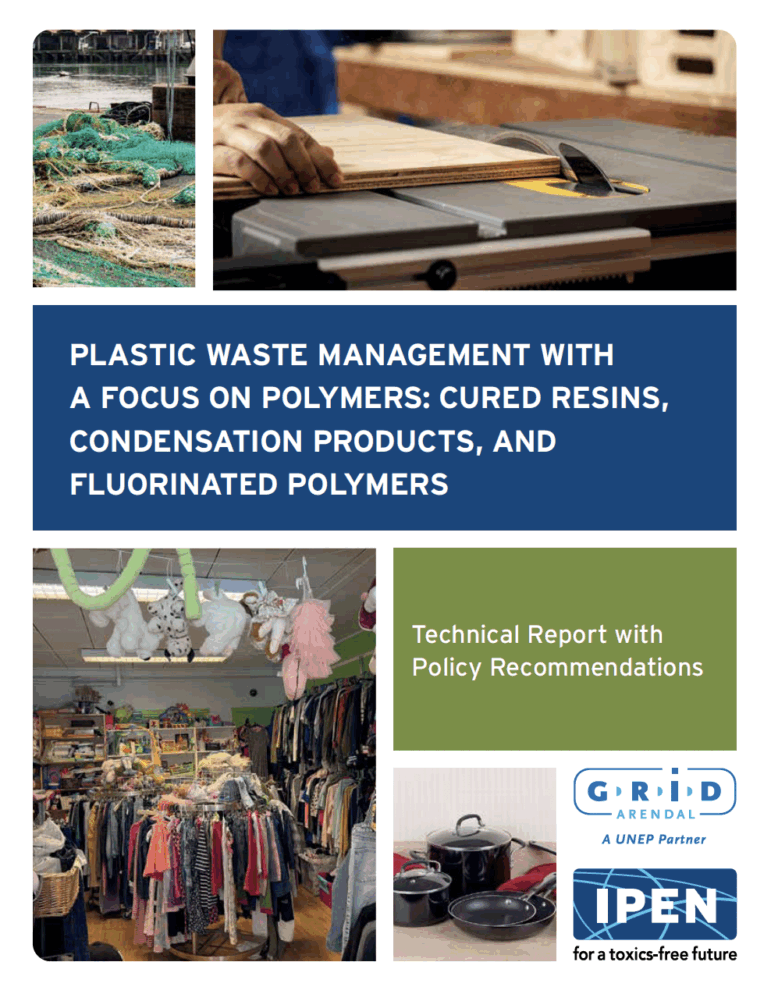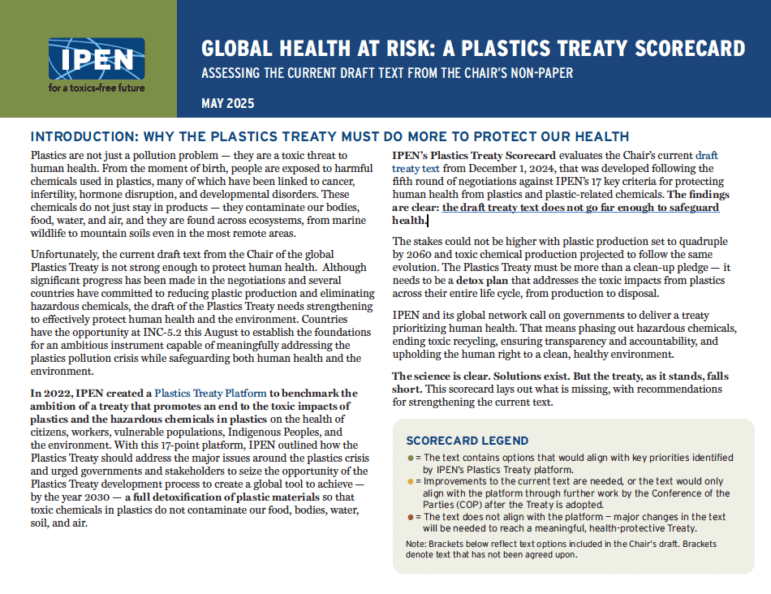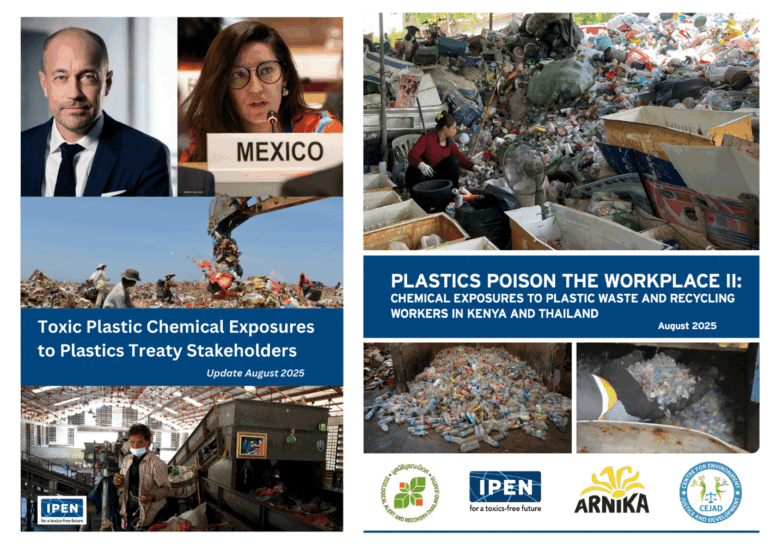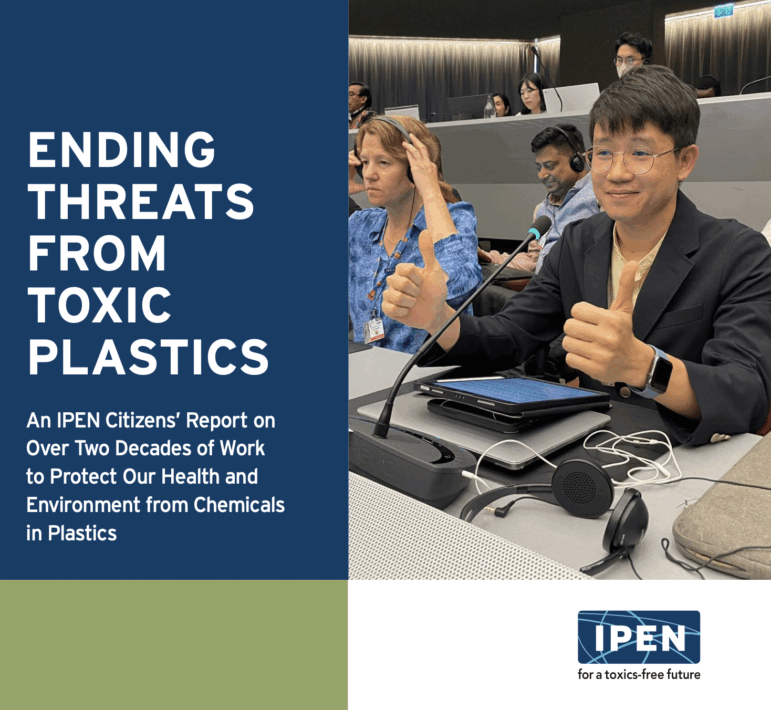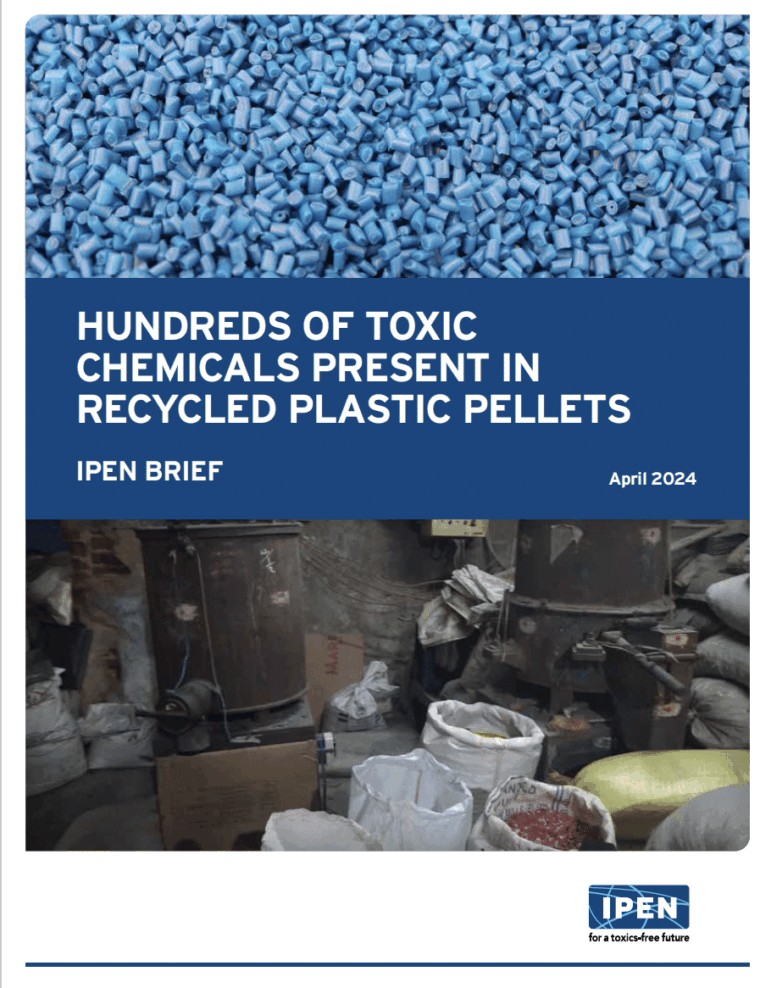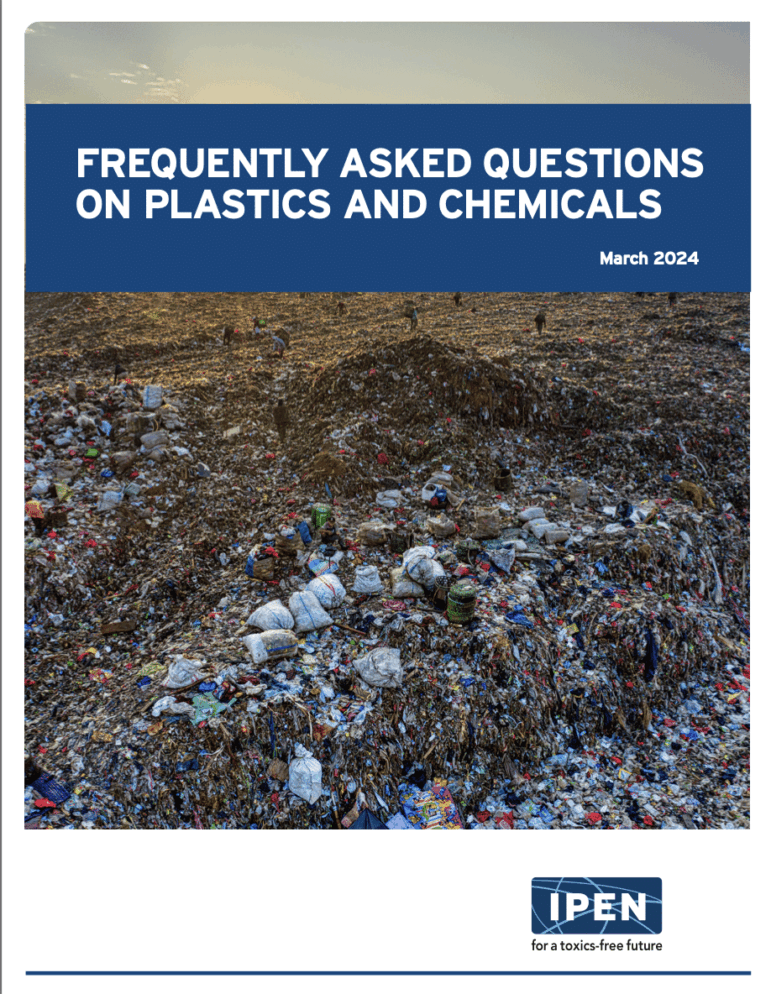


For more than twenty years, IPEN members have produced original research and advocated for national regulations to prevent threats from plastics and plastic waste. Their work has successfully changed national and global policies to protect health and the environment.
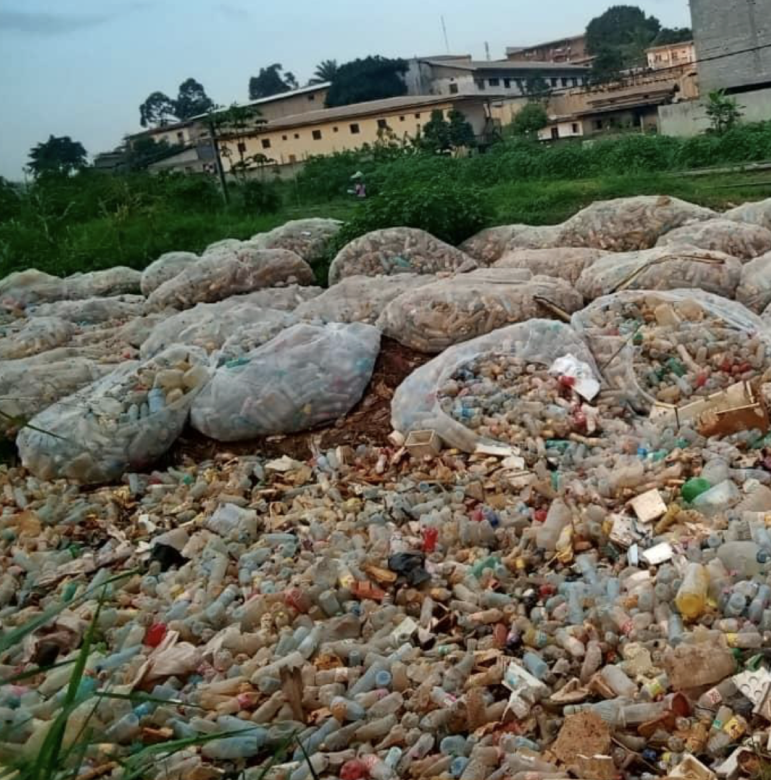
IPEN members have documented threats from plastic waste in their countries, including from plastic recycling, waste dumps, and plastic waste fuels.
IPEN мүчөлөрү тарабынан жүргүзүлгөн улуттук изилдөө
IPEN members have researched impacts from the production and use of endocrine disrupting chemicals in plastics: phthalates – the everywhere and everyone chemical – and bisphenols.
Plastic Products
For decades, IPEN members have tested plastic toys and children’s products, textiles, household goods, and other products for toxic plastic chemicals.
Plastic Waste: Country-based Reports
IPEN members have documented threats from plastic waste in their countries, including from plastic recycling, waste dumps, and other sources.
Plastic Waste Fuels: Burning Plastic, Creating Pollution
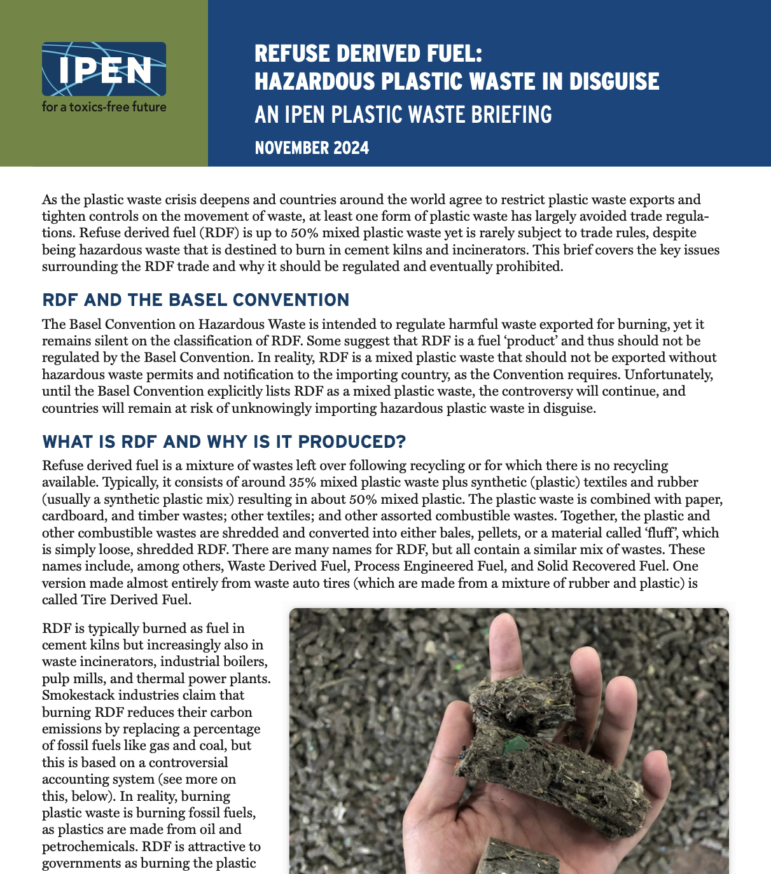
With growing mounds of plastic waste, the industry is moving to promote burning plastic waste as fuel. IPEN members researched the situation in their countries around plastic waste fuels, also called refuse-derived fuel or RDF.
Plastic Recycling Dangers
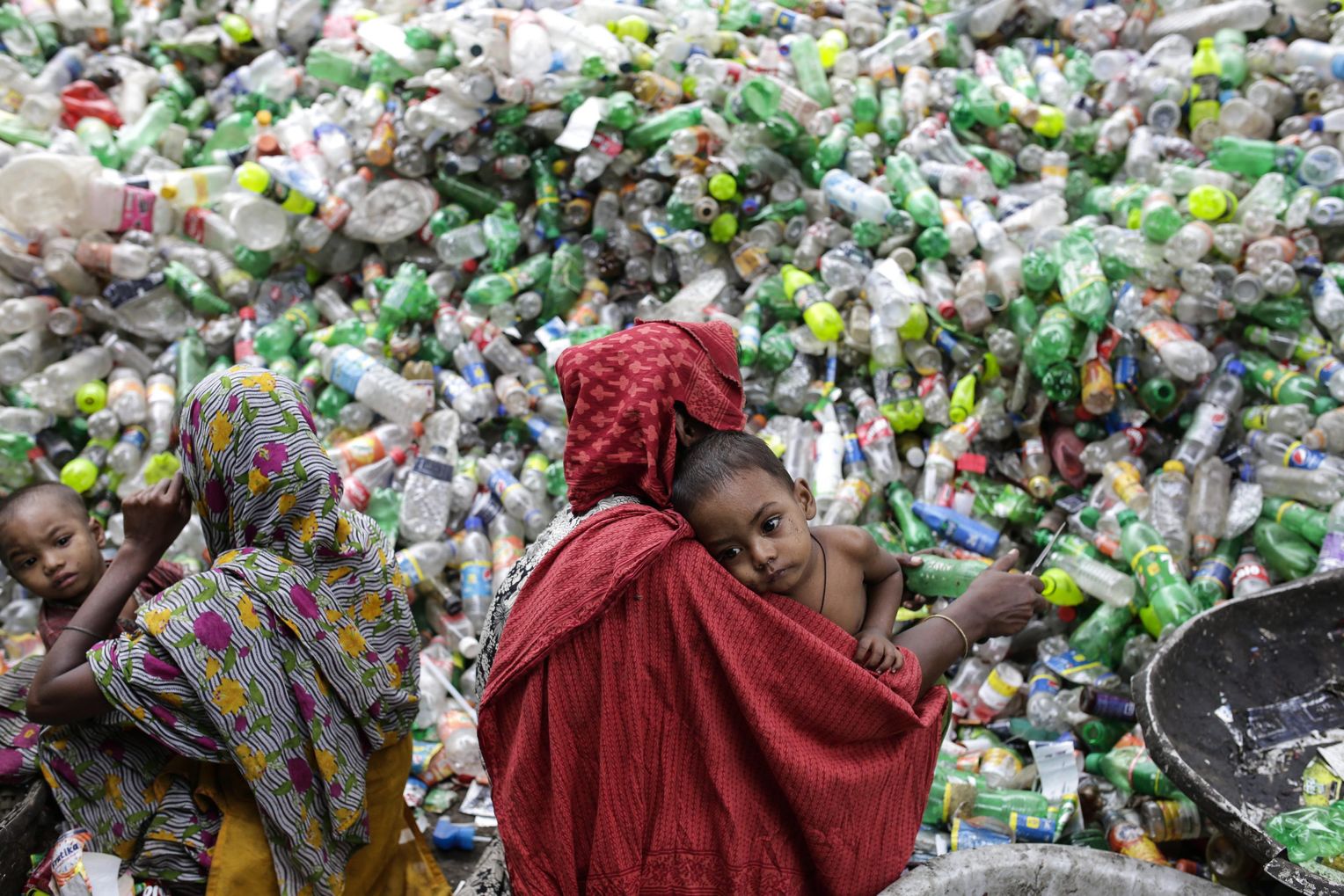
IPEN and its members have conducted several studies showing the dangers from plastic recycling to consumers, communities, and plastic waste workers.
Plastic Waste & the Food Chain
Since 2005, IPEN members have documented health threats to the food chain and the environment from plastic waste burning in incinerators and waste dumps by sampling chicken eggs from free-range chickens roaming near these facilities, documenting chemical releases from plastic waste.
Plastic: Country-based Reports
IPEN members have conducted research on threats from plastic production, imports, use, and disposal in their countries, including from plastic recycling, waste dumps, incineration, and other sources. Their reports are often the only source of local information on impacts from plastics, and serve to inform national, regional, and global policy deliberations.