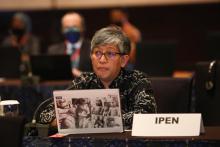
Geneva, Switzerland – IPEN advocates from around the world at the Fifth Conference of the Parties (COP5) of the Minamata Convention on Mercury note that the outcomes this week have been a mix of disappointing decisions with positive progress on some issues. Among the items where the COP5 fell short was in adopting a weak standard for mercury in waste and allowing blanket exemptions even for this weak standard that could result in undeclared shipments of toxic mercury-tainted waste being exported from wealthy regions to low- and middle-income countries.
Groups Say: To Protect Indigenous Rights, End the Mercury Trade, Ban Mercury in Mining
Thursday, 02 November 2023
Geneva, Switzerland-At the Minamata Convention negotiations Tuesday delegates approved a resolution calling for support to the participation of Indigenous Peoples in the fight to end mercury pollution.
29 October 2023, Quezon City. The toxics watchdog group EcoWaste Coalition appealed to all parties to the Minamata Convention on Mercury to come up with united decisions that will lead to the elimination of all mercury-added cosmetics from the face of the earth, including e-commerce.
Global mercury pollution has been recognised as a major problem that can only be tackled effectively by international regulation and government cooperation. Mercury is a hazardous neurotoxin that can cause many health problems in humans, and most exposure is caused by dietary impacts such as eating contaminated fish where mercury bioaccumulates.
The Minamata Convention on Mercury has been developed as the main international legal instrument to protect human health and the environment from mercury pollution with range of controls on trade, emissions, and use of mercury. The fifth Conference of the Parties (COP-5) of the Minamata Convention on Mercury (Mercury Treaty) will take place in Geneva from 30 October to 3 November 2023, and several important decisions will be discussed.
The fifth Conference of the Parties (COP-5) of the Minamata Convention on Mercury (Mercury Treaty) will take place in Geneva from 30 October to 3 November 2023, and several important decisions will be discussed. These decisions may include:
Empowering women in the fight to eliminate toxic chemicals
Thursday, 14 September 2023
By Yuyun Ismawati
In 2019, during the week of the 78th independence of Indonesia, in mid-August the media covered various stories about the worst air pollution in the capital, Jakarta. The authorities tried to answer the questions with empty promises and mismatched solutions.
UN Special Rapporteur urges closing a loophole in Minamata Convention on Mercury to stop human rights abuses linked to mercury in gold mining
Tuesday, 13 September 2022
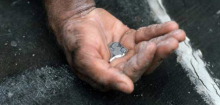
Geneva, Switzerland - As many as 15 million men, women and children around the world suffer significant and potentially life-threatening human rights abuses from mercury used in small-scale gold mining, according to a groundbreaking report presented today by Marcos A. Orellana, the UN Special Rapporteur on Toxics and Human Rights.