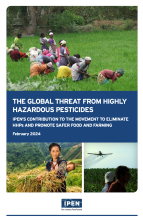
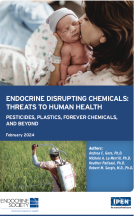
The report “Endocrine Disrupting Chemicals: Threats to Human Health” by the Endocrine Society in collaboration with IPEN provides a comprehensive update on the state of the science around EDCs, with increasing evidence that this large group of toxic substances may be implicated in rising global health concerns. Evidence detailed in the report suggests that EDCs in the environment can contribute to disorders such as diabetes, neurological disorders, reproductive disorders, inflammation, and compromised immune functioning.
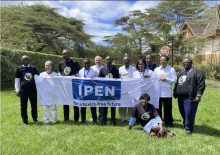
IPEN members from around the world participated in the sixth session of the U.N. Environment Assembly (UNEA-6) in Nairobi, Kenya from February 26 to March 1, 2024. The theme of the session was "Effective, inclusive and sustainable multilateral actions to tackle climate change, biodiversity loss and pollution."
In previous UNEA meetings IPEN has advocated for strong global protections from toxic chemicals, including successfully working for adoption of the resolution for a Plastics Treaty at UNEA-5.
Women and Chemicals is a subject of serious concern but unfortunately it has not been given adequate attention, mainly due to lack of comprehensive data over the impact of chemicals on women’s health. Men and women are differently exposed to different chemicals due to their occupation, environmental, and social factors. They have different gender roles and face different social determinants. Women also face different exposure routes and overall women are more susceptible to health harms from chemicals.
It has only been a few years since I graduated from college with a degree in Chemistry and Environmental Science. Recently, there have been more female graduates at my university, and shortly after graduation, I began working for the NGO Arnika, transitioning from a predominantly female academic environment to an NGO that also has many women on staff.
This series of PowerPoint Presentation (in pdf format) is an introduction to the Rotterdam Convention and how it can help speed global lead paint elimination. It explains who can submit a notification, how to go about submitting a notification, and some of the key issues countries wishing to submit a notification need to understand.