

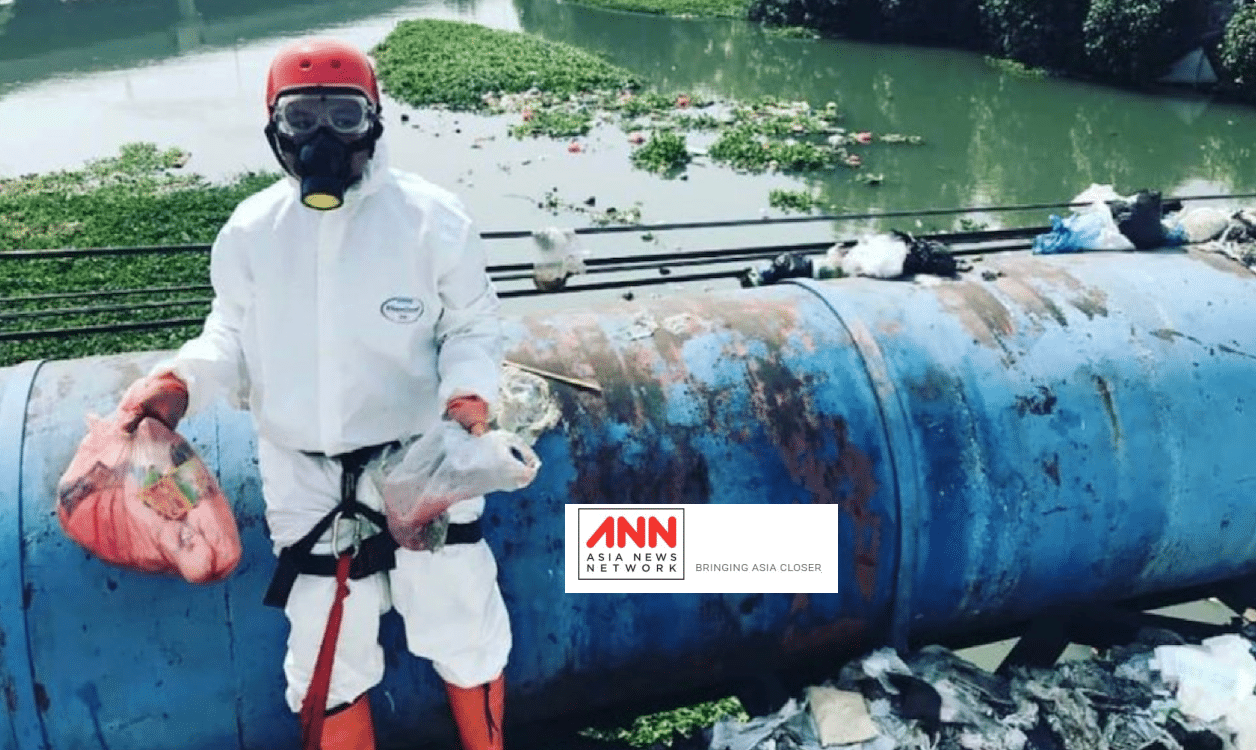
In Asia News Network, a story notes that environmentalists have been pressing Indonesia and other Southeast Asian nations to push for strong terms in a global agreement to eradicate the global scourge of plastic pollution, warning of the dire environmental and health impacts from plastic waste in the future.
Delegates and other stakeholders from 184 countries, including Indonesia, have been gathering in Geneva, Switzerland since Aug. 5 in a session of the United Nations Environment Programme’s (UNEP) Intergovernmental Negotiating Committee (INC) to develop an internationally legally binding treaty that would dictate how countries should work to tackle global plastic pollution.
The meeting marks the INC’s final series of negotiations on the treaty, which has been ongoing since mid-2022.
With the meeting nearing its final day, slated on Thursday, environmental activists from Indonesia, Vietnam, Malaysia, Thailand and the Philippines have been calling on their countries’ governments to make haste and reach an agreement that would prioritize the safety of future generations against the plastic pollution crisis.
“We urge delegates to remember the mandate: To end plastic pollution and protect human health and the environment throughout the full life cycle of plastics,” said Yuyun Ismawati, senior advisor of environment health advocacy group Nexus3 Foundation and IPEN Co-chair, in a statement on Tuesday.
Yuyun and other campaigners warned that Thursday would be “a point of no return” in the global effort to end plastic pollution.
“Limiting plastic production, controlling toxic chemicals and reducing subsidies for plastic producers are the only ways to meet this goal,” she added.
Yuyun, who is also a member of steering committee of the Alliance or Zero Waste Indonesia (AZWI), regretted the position taken by Indonesia, despite the country’s history of “championing reasonable consumption and production programs” under the Sustainable Development Goals (SDGs).
She also highlighted the Indonesian delegation’s position in the negotiation for continuously stressing low plastic consumption in the country as a good thing, despite studies showing that Indonesia stands among the highest microplastic “consumers”.
“Indonesia wants to be in the middle,” Yuyun said, “but does not necessarily want to contribute to finding the middle-ground.”
Read the full story here.
 English
  简体中文
简体中文  Français
  Bahasa Indonesia
  Русский
  Español
  العربية
  Shqip
Shqip  Հայերեն
  Azərbaycan dili
  Беларуская мова
  Български
  Cantonese
  Hrvatski
  Čeština
  ქართული
  Deutsch
  Ελληνικά
  हिन्दी
  Қазақ тілі
  한국어
한국어  Кыргызча
  Bahasa Melayu
  नेपाली
  Português do Brasil
  Kiswahili
  Svenska
  Tagalog
  தமிழ்
தமிழ்  ไทย
ไทย  Українська
  Tiếng Việt