

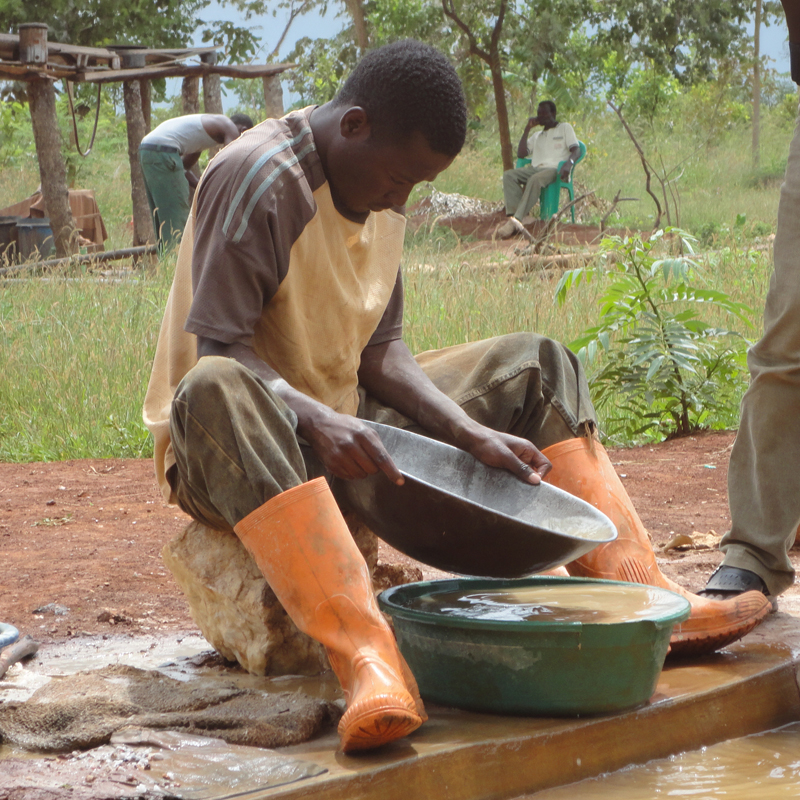
Sa Scientific American, an IPEN study showing high levels of mercury in hair samples from Indigenous women in Peru and Nicaragua is featured.
The IPEN report analyzed hair samples from 105 women of child-bearing age (18-44) in four Indigenous communities in Peru and two in Nicaragua. All lived along rivers close to gold mining operations, and fish was part of their diets.
An analysis performed at the Biodiversity Research Institute in Maine found 88 percent of these women had mercury levels above the United States Environmental Protection Agency’s 1 ppm threshold for adverse effects from mercury in a developing fetus. All but one had levels above 0.58 ppm, a stronger threshold proposed by a variety of environmental organizations based on research linking low levels of mercury exposure to brain damage to fetuses.
“Rivers are becoming contaminated as a result of the mercury use and gold extraction,” Lee Bell, the lead author of the study and IPEN’s mercury and persistent organic pollutants policy adviser.
 English
  简体中文
简体中文  Français
  Bahasa Indonesia
  Русский
  Español
  العربية
  Shqip
Shqip  Հայերեն
  Azərbaycan dili
  Беларуская мова
  Български
  Cantonese
  Hrvatski
  Čeština
  ქართული
  Deutsch
  Ελληνικά
  हिन्दी
  Қазақ тілі
  한국어
한국어  Кыргызча
  Bahasa Melayu
  नेपाली
  Português do Brasil
  Kiswahili
  Svenska
  Tagalog
  தமிழ்
தமிழ்  ไทย
ไทย  Українська
  Tiếng Việt