

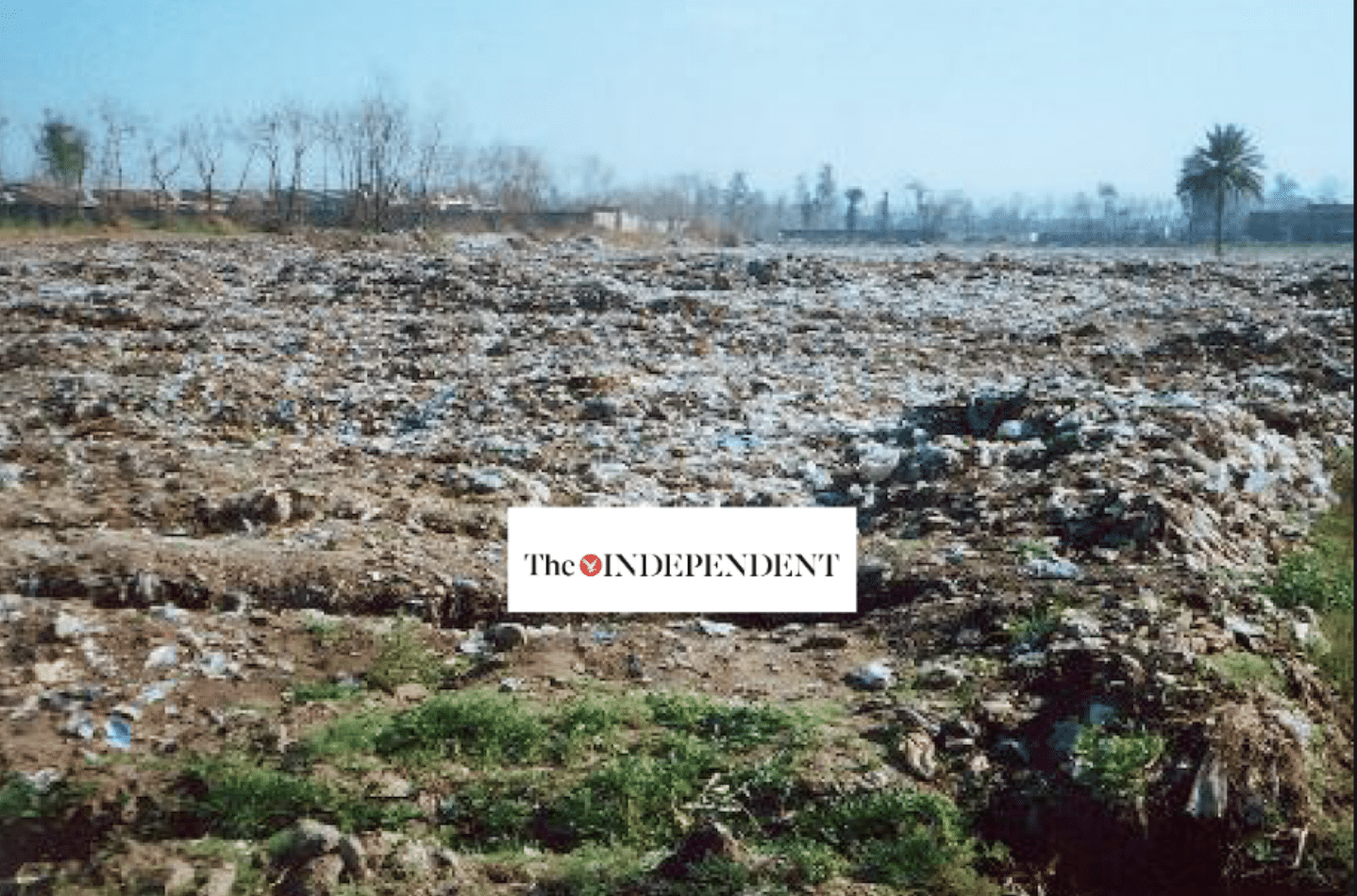
The Independent reports that talks on the world’s first legally binding treaty to end plastic pollution are hanging in the balance with just two days left before the deadline and negotiators deadlocked over the most contentious issues, including limits on production.
Environmentalists and Indigenous leaders held signs on Tuesday asking nations to show courage and agree to a strong treaty.
“We’ve invested a lot into coming all the way to Geneva, away from our communities, away from our families, because we understand how important an issue this is and how crucial a moment this is,” said Juressa Lee, who is from New Zealand and was representing the Aotearoa Plastic Pollution Alliance.
A coalition of environmental and health organisations have said countries were “moving far too slowly” after the first week, and that “blocking countries” risked pushing the talks towards a “lowest common denominator” outcome.
Bjorn Beeler, international coordinator of the International Pollutants Elimination Network (IPEN), said producing more plastics is becoming a “planetary crisis”.
“By the year 2060, you’re looking at four times more plastic on the planet than you have today,” he told The Independent.“That’s enormous if you think about just the volume of that material – and it’s not only the plastics, it’s the number of chemicals used to produce that.”
“The third planetary crisis is chemical pollution, harming human health and even the ability of the next generation to reproduce.”
“Who’s responsible? Who should pay for this mess? If it’s circularity and recycling, it’s you and me, taxpayers. If you export primary plastic polymers, you should pay. You’re exporting pollution and telling everybody else to recycle,” he said.
The treaty’s outcome, as the negotiations conclude on Thursday, will determine whether the final text addresses such upstream drivers of pollution or concentrates on downstream waste management.
Read the full story here.
 English
  简体中文
简体中文  Français
  Bahasa Indonesia
  Русский
  Español
  العربية
  Shqip
Shqip  Հայերեն
  Azərbaycan dili
  Беларуская мова
  Български
  Cantonese
  Hrvatski
  Čeština
  ქართული
  Deutsch
  Ελληνικά
  हिन्दी
  Қазақ тілі
  한국어
한국어  Кыргызча
  Bahasa Melayu
  नेपाली
  Português do Brasil
  Kiswahili
  Svenska
  Tagalog
  தமிழ்
தமிழ்  ไทย
ไทย  Українська
  Tiếng Việt