


Plastics Treaty INC-2

Paris 29 May - 2 June, 2023

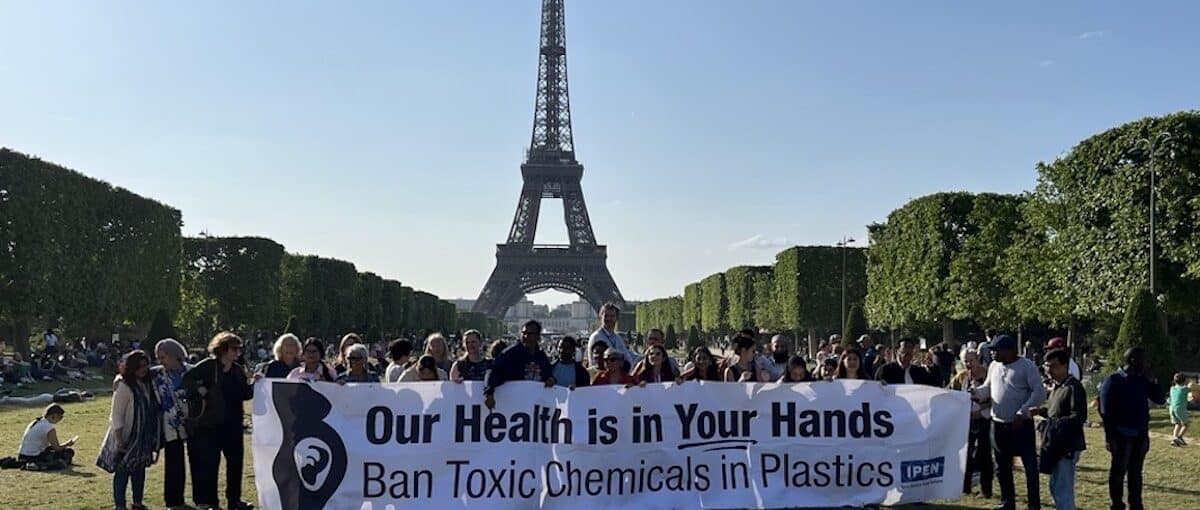
The second meeting of the Intergovernmental Negotiating Committee (INC2) of the Plastics Treaty took place from 29 May – 2 June 2023 in Paris, France.

See IPEN’s summary of what happened at the INC2.

موارد معاهدة البلاستيك

من المقرر أن تستمر مفاوضات معاهدة البلاستيك حتى عام 2024، مع عقد دورات منتظمة للجنة التفاوض الحكومية الدولية (INC).

تُعدّ "الشبكة الدولية للتخلص من الملوثات العضوية الثابتة" (IPEN) وثائق سياسات حول بنود جدول أعمال الاجتماع والقضايا الناشئة، بالإضافة إلى أوراق موجز وتقارير ومواد أخرى لكل جلسة تفاوض. 

تتوفر "ملخصاتنا السريعة" وبعض المواد الأخرى بعدة لغات.

Plastics Treaty INC-2

IPEN in the News

IPEN participates throughout the Plastics Treaty talks, including by offering our views to the plenary of delegates. 

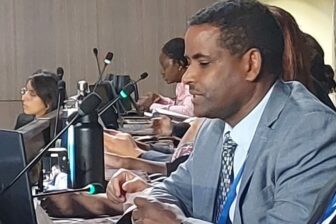
Click on the video to see IPEN Co-chair Tadesse Amera speaking to CNN during INC-2.

INC-2 Side Events

IPEN co-organized a side event at the Plastics Treaty INC-2 on “Plastic pollution, toxicity, chemicals, and potential risks to human health” featuring Therese Karlsson, IPEN Science Advisor, and former IPEN Co-Chair Olga Speranskaya,.

IPEN member Mr. Indika Rajapaksha, Environment Officer, Centre for Environmental Justice of Sri Lanka presented on a panel on “Oceans and the marine environment.” 

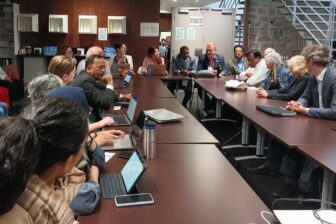
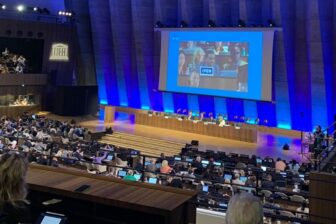
Images from INC-2

Troubling Toxics: Eliminating Harmful Plastic Chemicals Through the Plastics Treaty

The IPEN briefing “Troubling Toxics” discusses approaches in the Plastics Treaty to establish criteria for a negative list of toxic chemicals associated with the production, use, and disposal of plastics.  IPEN calls for a strategy that combines a negative list of toxic chemicals to eliminate from plastics with an approach that prohibits marketing chemicals when there is no available toxicity data. 

Health Threats from Plastic Recycling

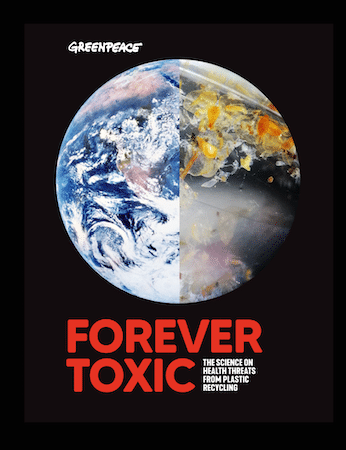
A new report from Greenpeace USA, in collaboration with IPEN and The Last Beach Cleanup, shows that recycling actually increases the toxicity of plastics and highlights the threats that recycled plastics pose to the health of consumers, frontline communities, and workers in the recycling sector. Along with previous research showing that very little plastic reaches recycling facilities, the report concludes that the upcoming global Plastics Treaty negotiations in Paris must focus on capping and then phasing down plastic production.

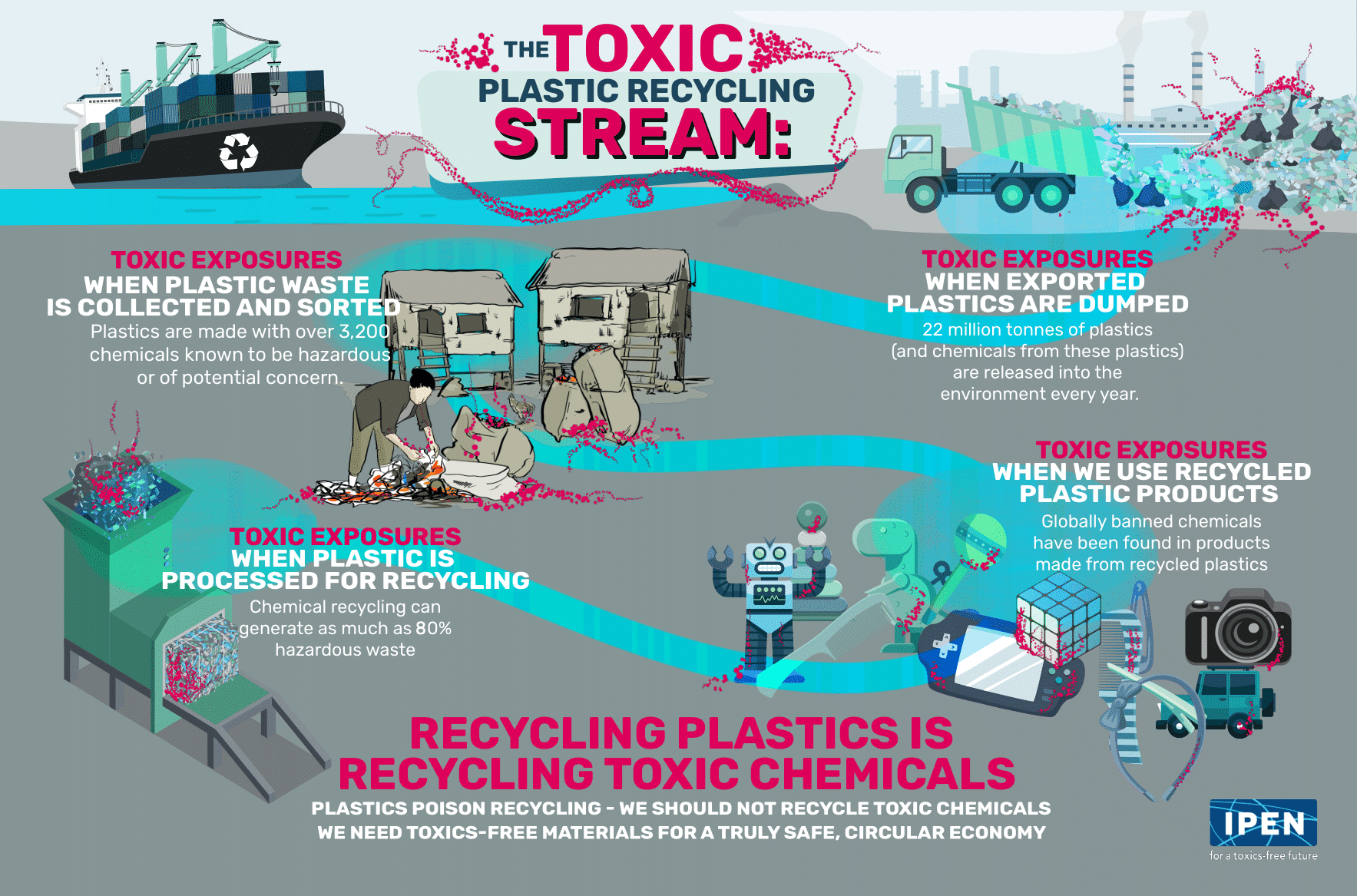
Plastic Recycling is Recyling Toxic Chemicals

IPEN is concerned about the health and environmental threats throughout the plastic recycling stream. Studies from IPEN and others have shown that plastic recycling poses health threats to consumers, waste and recycling workers, and communities. 

Webinar

Chemicals and Plastics Governance Under the Plastics Treaty

See the IPEN webinar with Dr. Karen Raubenheimer and Niko Urho, authors of the new UNEP/FAO “Report on global governance of plastics and associated chemicals.”

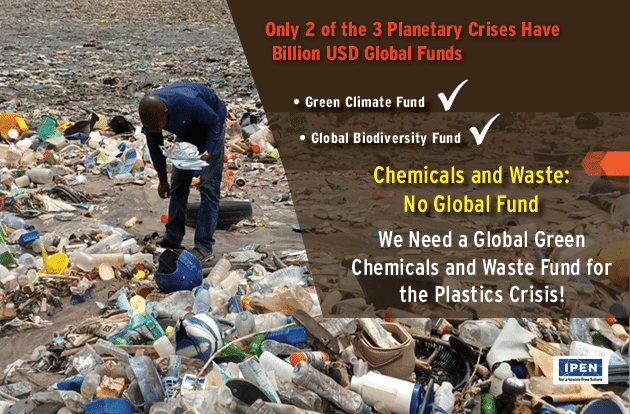
No Funds for the Plastics Crisis

Three planetary crises have been identified, but global funds have been established for only two. IPEN is calling for a Global Green Chemicals and Waste Fund to address the toxic impacts from chemicals in plastics and plastic waste. 

الشبكة الدولية للقضاء على الملوثات (IPEN)
نظرة عامة على الخصوصية

يستخدم هذا الموقع الإلكتروني ملفات تعريف الارتباط حتى نتمكن من تزويدك بأفضل تجربة مستخدم ممكنة. يتم تخزين معلومات ملفات تعريف الارتباط في متصفحك وتؤدي وظائف مثل التعرف عليك عند عودتك إلى موقعنا الإلكتروني ومساعدة فريقنا على فهم أقسام الموقع التي تجدها أكثر إثارة للاهتمام وفائدة.