

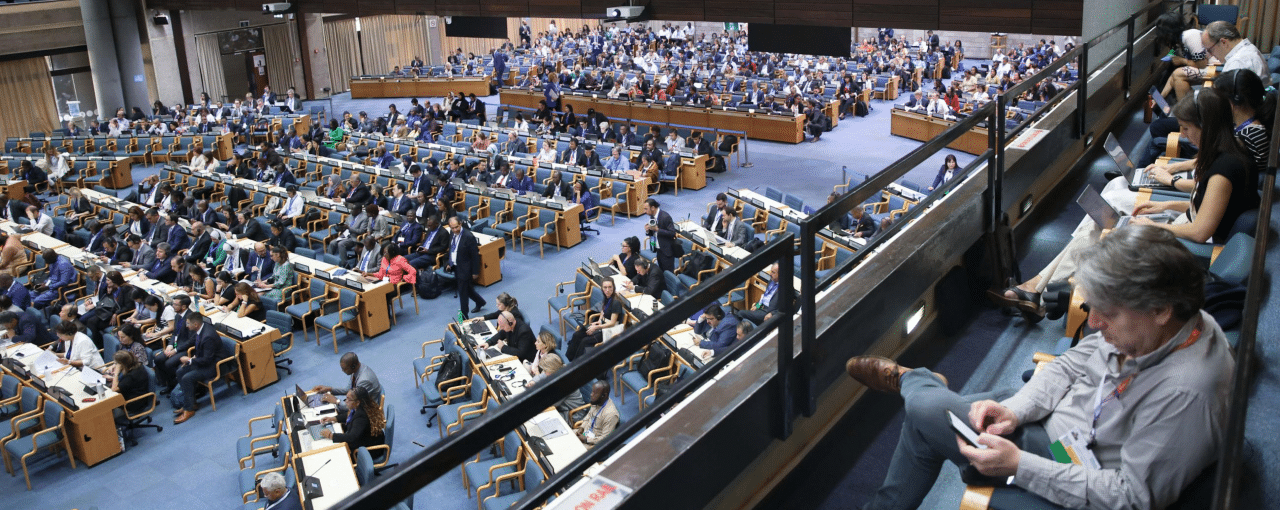
Ottawa 23-29 April 2024

The fourth meeting of the Intergovernmental Negotiating Committee (INC-4) of the Plastics Treaty was held from 23 – 29 April 2024, in Ottawa, Canada
موارد معاهدة البلاستيك
من المقرر أن تستمر مفاوضات معاهدة البلاستيك حتى عام 2024، مع عقد دورات منتظمة للجنة التفاوض الحكومية الدولية (INC).
تُعدّ "الشبكة الدولية للتخلص من الملوثات العضوية الثابتة" (IPEN) وثائق سياسات حول بنود جدول أعمال الاجتماع والقضايا الناشئة، بالإضافة إلى أوراق موجز وتقارير ومواد أخرى لكل جلسة تفاوض.
Our Quick Views are available in several languages.
INC-4 Press Statement, April 30: After a Slow Start, Plastics Treaty Talks Gain New Momentum at INC-4
The Plastics Treaty fourth Intergovernmental Negotiating Committee (INC-4) closed early this morning, for the first time with draft text outlining pathways toward a global agreement. In a positive development, the draft text includes options for addressing the overproduction of plastic and eliminating toxic chemicals throughout the plastics life cycle. While these and other key issues remain contentious (with bracketed text, signaling ongoing discussions toward a final agreement), leadership from the Chair helped move the overall talks forward and create a plan for technical work groups before INC-5 in November in the Republic of Korea.
The Arctic's Plastic Crisis
A timely report from Alaska Community Action on Toxics and IPEN highlights perspectives from Arctic Indigenous leaders and explains how plastics, chemicals, and climate change are interconnected crises that are particularly harmful to the Arctic and threaten Indigenous rights.

We’ve already seen over a thousand wells drilled near our community associated with oil and gas development. It is very concerning to us because we see the changes to our lands and waters and these changes affect our daily lives.
Rosemary Ahtuangaruak
Iñupiaq scholar, activist, leader, former health aide, and founder of Grandmothers Growing Goodness from the Native Village of Nuiqsut
My role has been to be an advocate, to inform people about the routes of contamination…. (it’s important) to be open to learning and be open to finding opportunities for the community, because it only takes one person to see an opportunity and bring it to the table for everybody.
Jasmine Jemewouk
Indigenous leader, Iñupiaq and Cherokee Native from Elim, Alaska
Worldwide we are not prepared for catastrophic disasters. Rural Alaska, rural communities, Indigenous tribes all over the world are under assault... We are overwhelmed with concern about the health harms associated with climate change, the loss of sea ice and melting permafrost, and the mobilization of chemicals and plastics — these are all interconnected. We are running out of time!
Delbert Pungowiyi
Yupik Elder, Arctic Indigenous leader, and human rights advocate from Sivuqaq, Alaska
The chemicals present in our bodies are passed on to our Indigenous children and harm their ability to learn our languages, songs, stories, and knowledge.
Vi Pangunnaaq Waghiyi
Yupik Mother and Grandmother, member of the White House Environmental Justice Advisory Council from Sivuqaq, Alaska
We don't just eat one chemical. We eat the whole fish.
Violet Yeaton
Sugpiat and a Long-time Community Advocate from the Native Village of Port Graham
The Endocrine Society and IPEN provide a comprehensive update on the science of endocrine disrupting chemicals (EDCs), which may be particularly harmful during the fetal and infant stages. The report examines bisphenols and phthalates, two toxic chemical groups found in many plastics, and includes a special feature highlighting EDC exposures throughout the plastic life cycle.
Children's Health Threats from Plastic Chemicals

Project TENDR, an alliance of 50+ leading scientists, health professionals, and advocates, share a briefing for delegates outlining how common exposures to plastic and its toxic chemicals are harming children’s brain development. They summarize the scientific evidence and offer policy recommendations to strengthen the Plastics Treaty to protect children’s health.
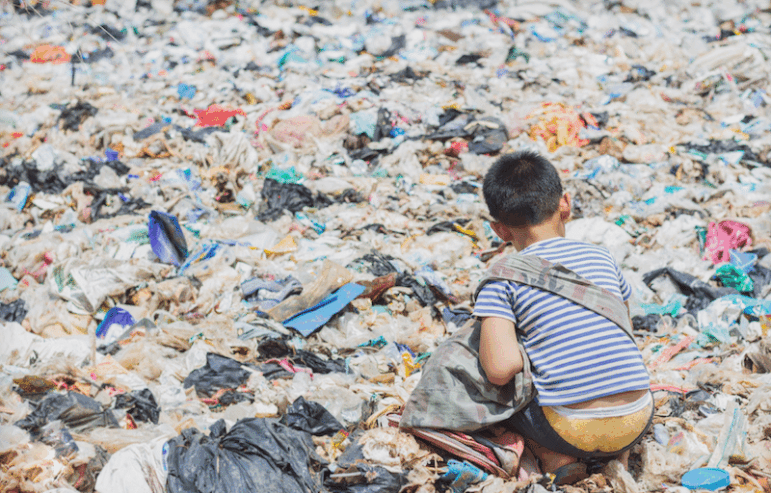
Troubling Toxics: Eliminating Harmful Plastic Chemicals Through the Plastics Treaty
The IPEN briefing “Troubling Toxics” discusses approaches in the Plastics Treaty to establish criteria for a negative list of toxic chemicals associated with the production, use, and disposal of plastics. IPEN calls for a strategy that combines a negative list of toxic chemicals to eliminate from plastics with an approach that prohibits marketing chemicals when there is no available toxicity data.
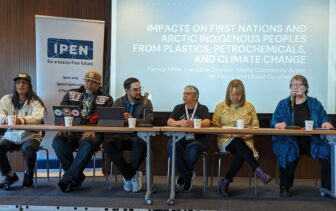
INC-4 Event: Threats to Indigenous Peoples from Plastics, Chemicals, and Climate Change
On Thursday, April 25, IPEN co-hosted a press briefing on threats to Indigenous Peoples from plastics, chemicals, and climate change.
Click below for more about this event.
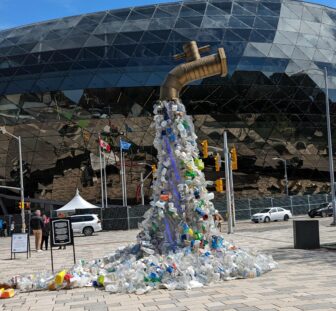
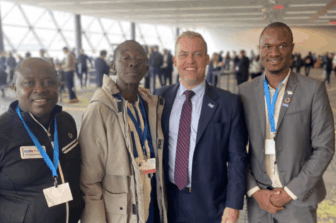
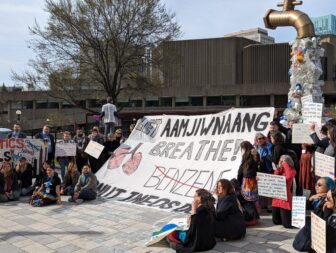
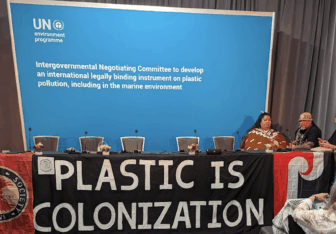
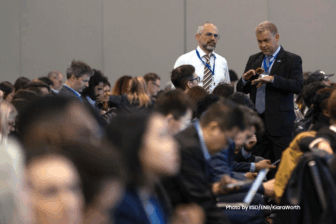
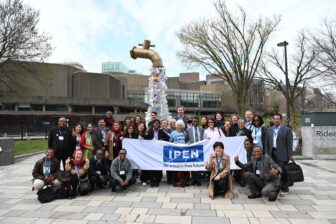
Images from INC-4


 English
  简体中文
简体中文  Français
  Bahasa Indonesia
  Русский
  Español
  العربية
  Shqip
Shqip  Հայերեն
  Azərbaycan dili
  Беларуская мова
  Български
  Cantonese
  Hrvatski
  Čeština
  ქართული
  Deutsch
  Ελληνικά
  हिन्दी
  Қазақ тілі
  한국어
한국어  Кыргызча
  Bahasa Melayu
  नेपाली
  Português do Brasil
  Kiswahili
  Svenska
  Tagalog
  தமிழ்
தமிழ்  ไทย
ไทย  Українська
  Tiếng Việt