
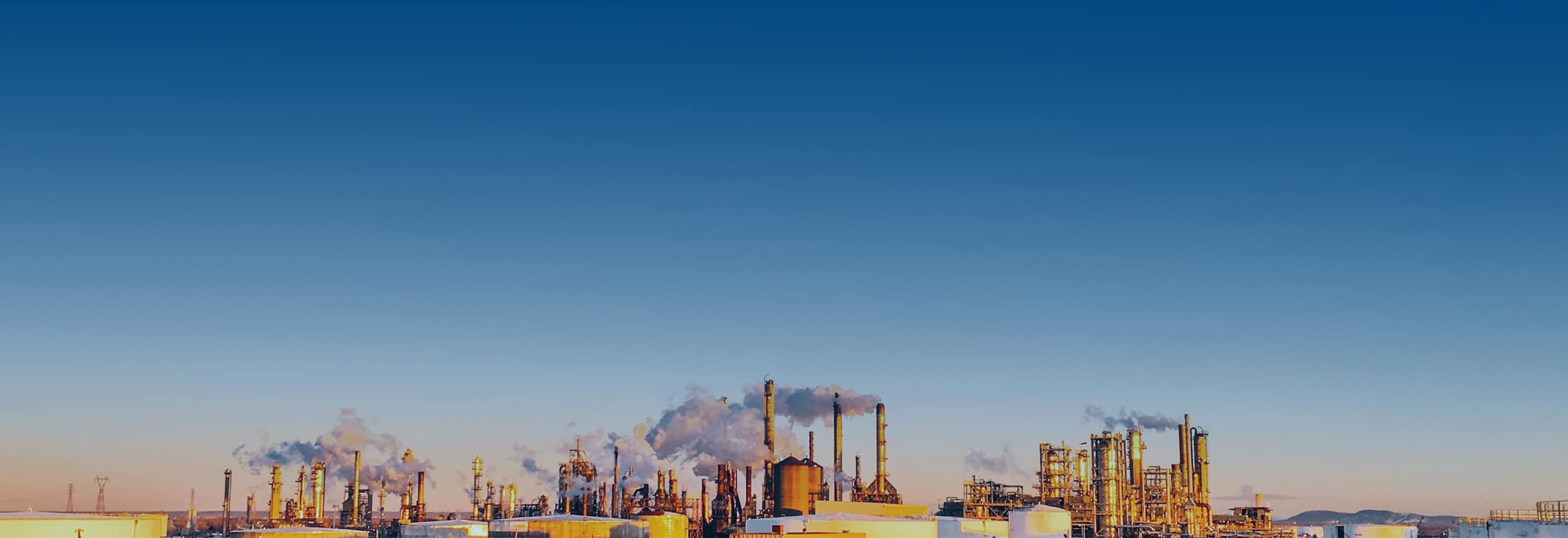
Un complejo industrial de refinerías con numerosas chimeneas que emiten humo bajo un cielo azul despejado, con edificios bajos y equipos repartidos por el primer plano.

Extracción y producción

Production
Production of plastic
for use by consumers
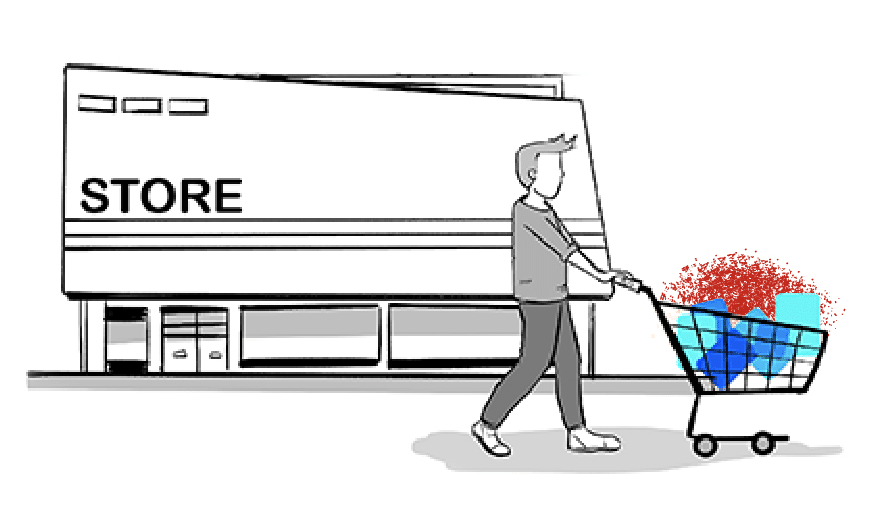
Use
Consumers purchase
plastics in stores
Recycling
Plastic products are sent
to recycling centers
Plastic Fuel
Toxic chemicals in plastic
are burnt as cheap fuel
Landfill litter
Recycled plastic components
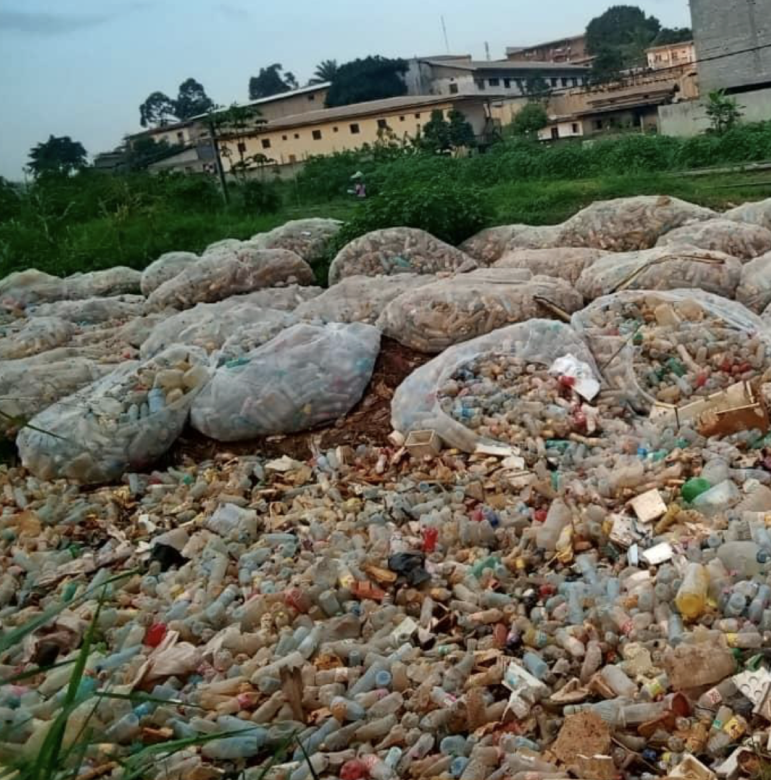
are discarded in landfills.
Global Waste Trade
The toxic chemicals end up in the new products.

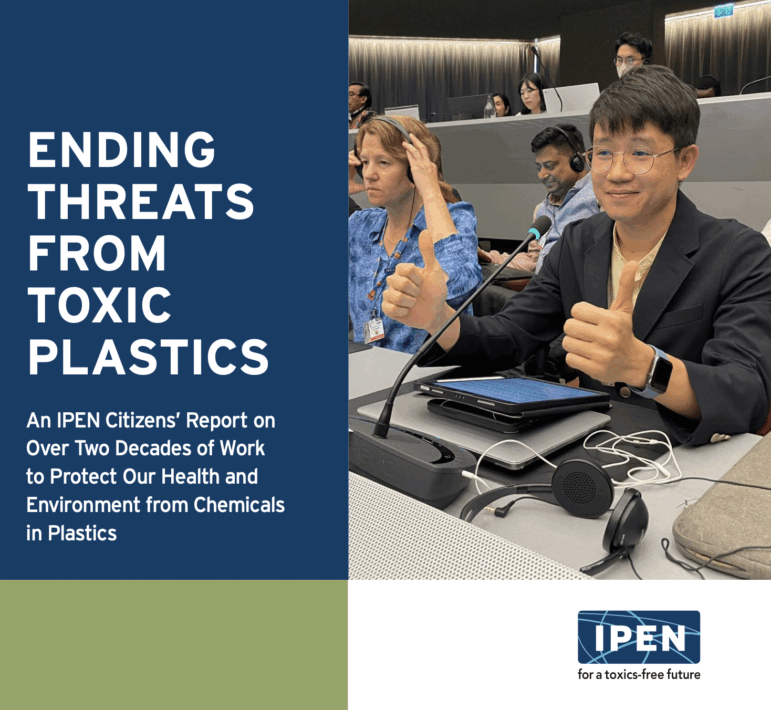
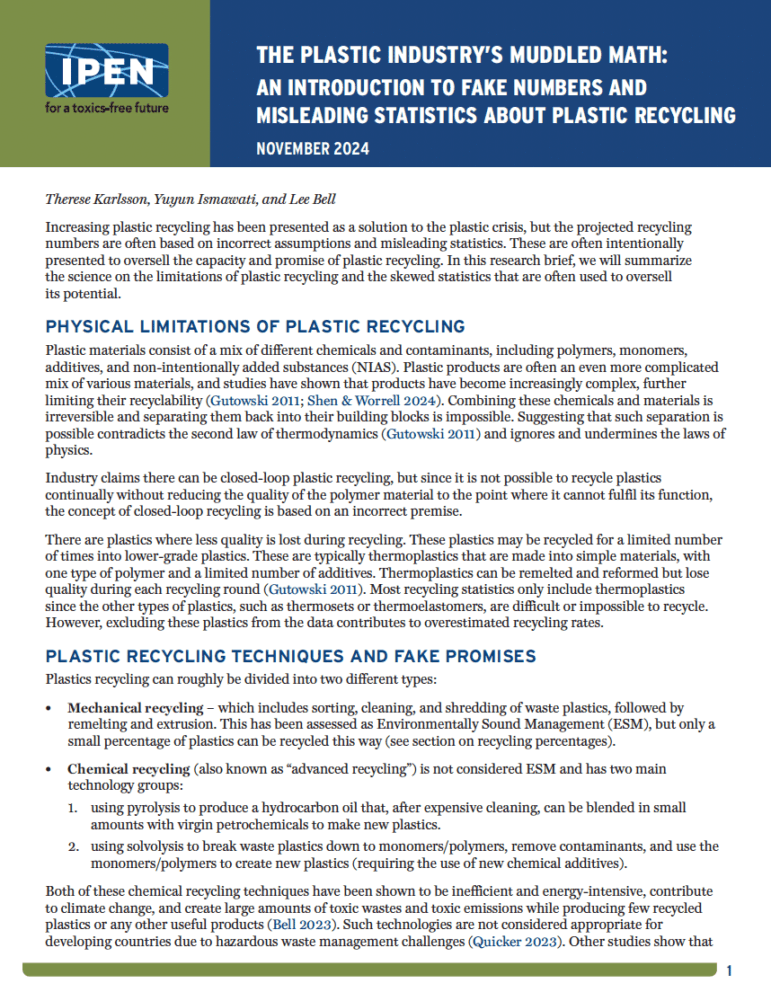
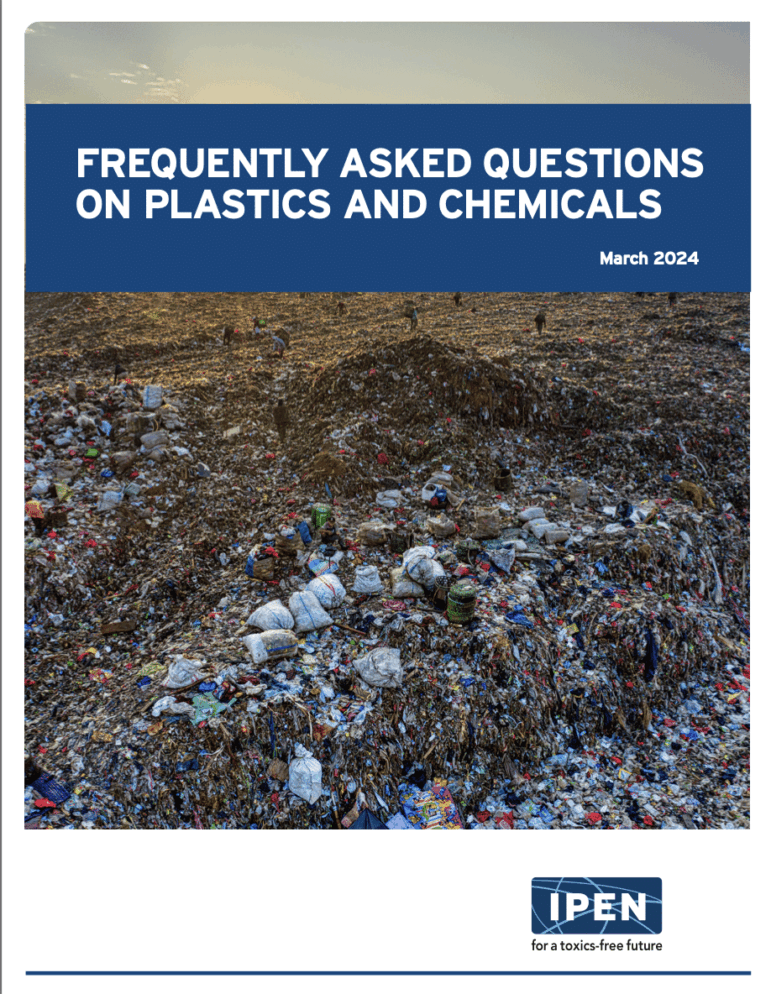
Toxic Threats Throughout the Plastics Life Cycle

Extracción y producción

Toxic threats begin even before plastics are produced, from extraction of the materials used to create plastics.

Oil and gas extraction can release toxic air and water pollutants, posing health threats to nearby communities – disproportionally impacting low-income communities of color in the U.S. and low- and middle-income countries in the Global South. Chemical exposures from fossil fuel extraction have been linked to neuro-, reproductive, and developmental toxicity.

By understanding the plastics crisis as a problem of overproduction, we shift the focus from solutions based on hopeless recycling schemes and blaming consumers to the real root causes – corporate profits from producing more and more unsustainable materials.

Plastics production releases toxic chemicals that are harmful to human health, with exposures to nearby communities and occupational risks for workers. Air pollution around plastic plants is also a significant health hazard to nearby communities: more than 100 concerning chemicals in air pollution from plastic manufacture have been identified, including cancer-causing substances and endocrine disrupting chemicals.

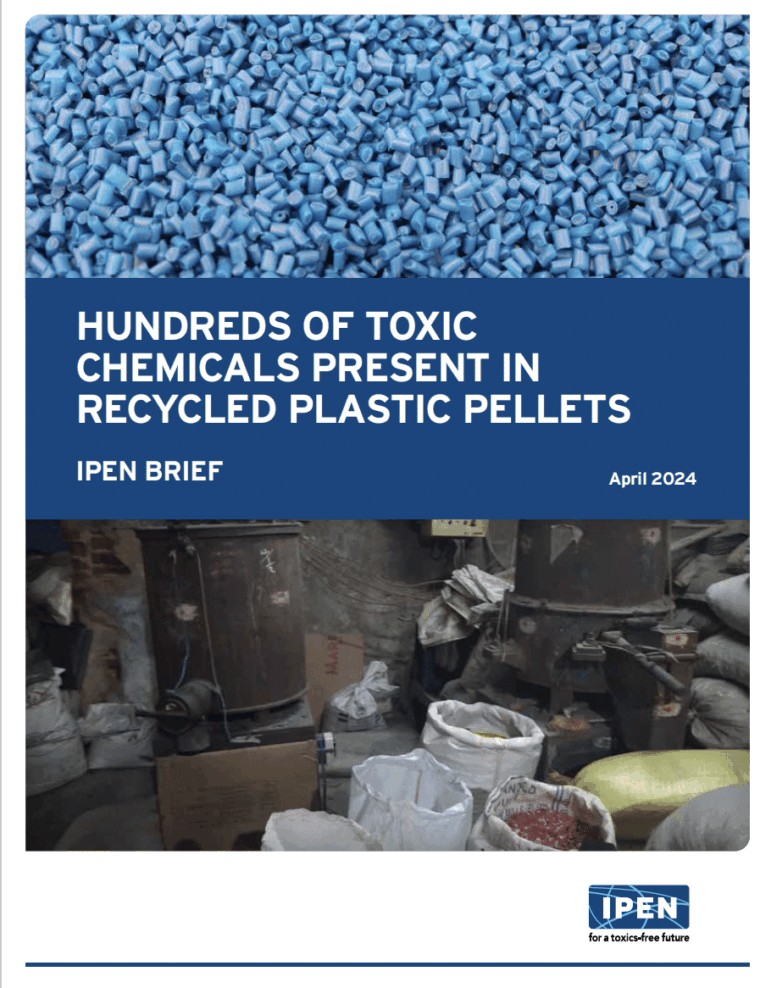
Plastics manufacture also pollutes waterways. Plastic makers create plastic pellets (also called nurdles), lentil-sized plastic discs that are shipped for further production into products. Since pellets are made with toxic chemicals, spills and transport losses spread the toxic chemicals globally, primarily through waterways. One study estimated that 230,000 tons of plastic pellets per year enter the environment. 

See more in IPEN’s summary of our two studies on plastic pellets.

Publicaciones

IPEN (Red Internacional de Eliminación de Contaminantes)
Resumen de privacidad

Esta web utiliza cookies para que podamos ofrecerte la mejor experiencia de usuario posible. La información de las cookies se almacena en tu navegador y realiza funciones tales como reconocerte cuando vuelves a nuestra web o ayudar a nuestro equipo a comprender qué secciones de la web encuentras más interesantes y útiles.