

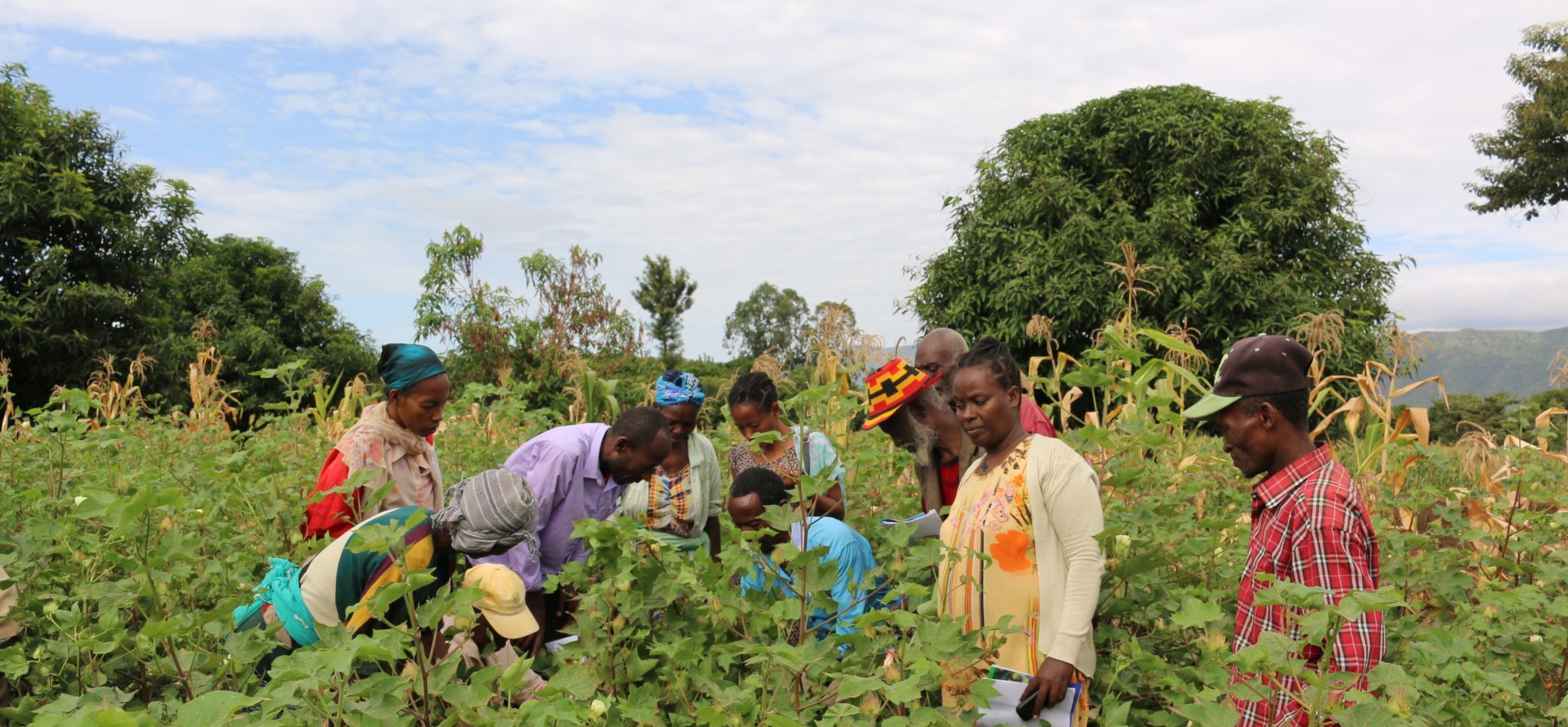
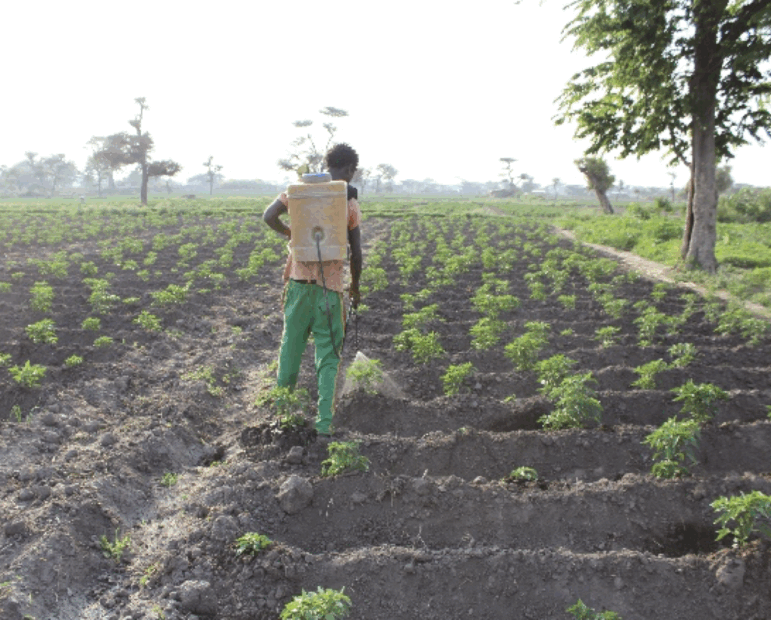
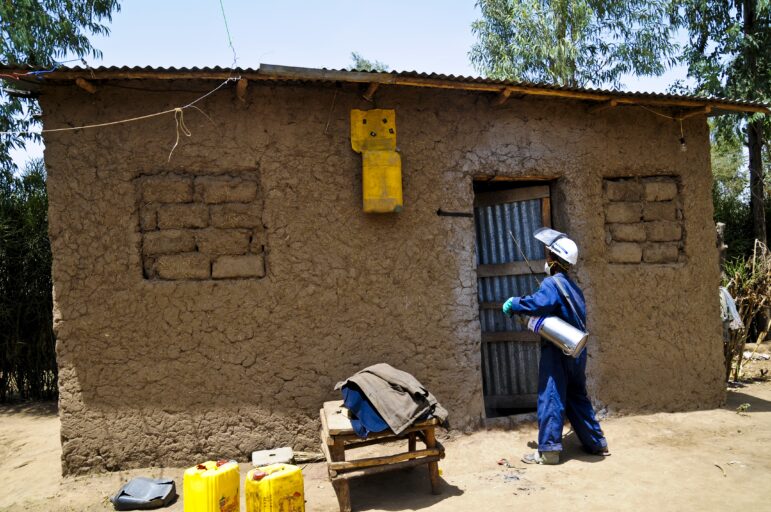

Agricultores etíopes aprenden a cultivar sin pesticidas

Eliminación de plaguicidas peligrosos

De un vistazo

Toxic Threats to Food, Farming, and Health

Pesticides are chemicals designed to be toxic and to harm or kill living organisms, including plants, insects, fungi, and animal pests. Herbicides and insecticides are major categories of pesticides, with fungicides and rodenticides also widely used. Several toxic pesticides were among the first chemicals named for global elimination under the Stockholm Convention, and IPEN has worked for more than 25 years to eliminate threats to human health and the environment from hazardous pesticides and promote organic, agroecological farming.

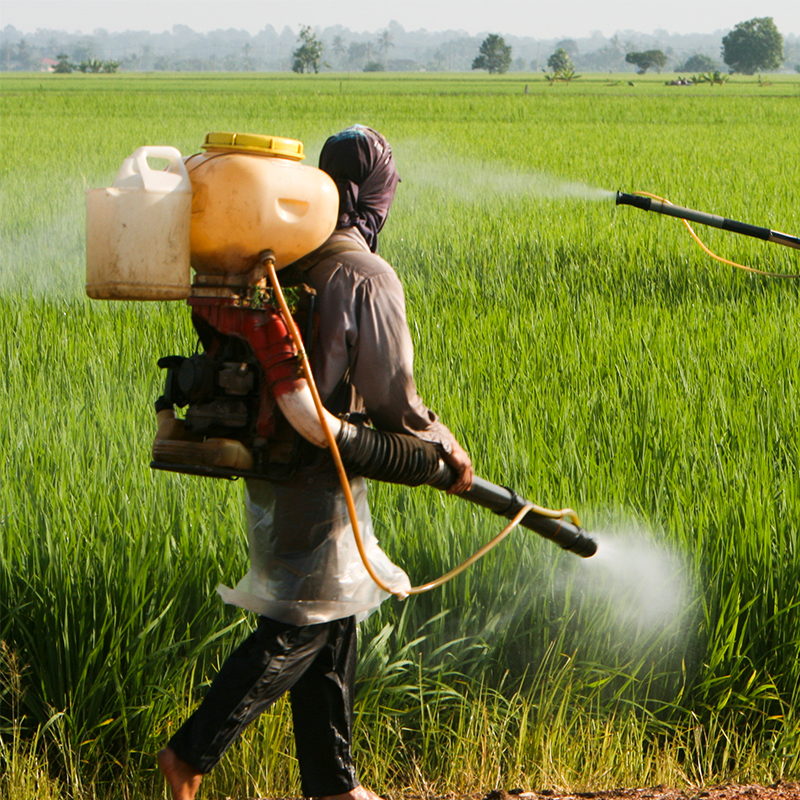
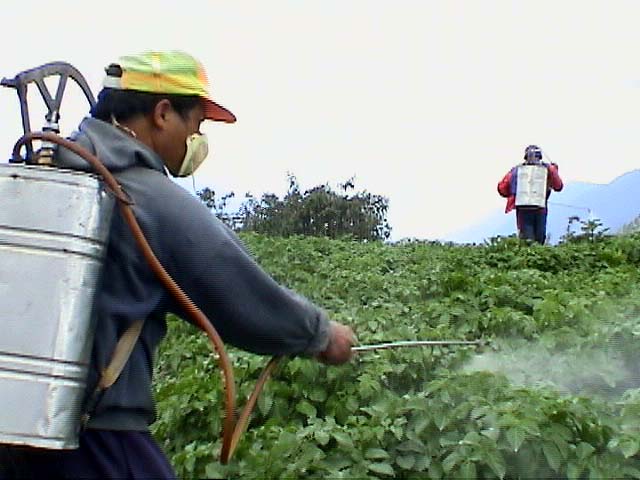
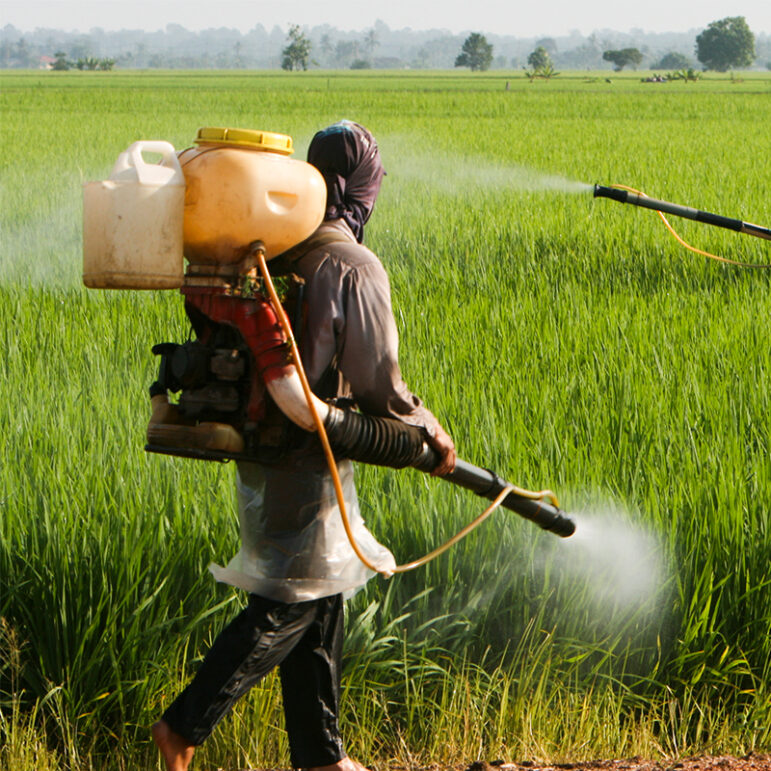
Una persona con ropa protectora rocía productos químicos sobre plantas de arroz verdes en un campo, usando un gran tanque y una manguera que lleva en la espalda. Otro pulverizador es visible en el lado derecho de la imagen.

Acción mundial y nacional

IPEN works for meaningful international agreements and national policies to protect people from toxic pesticides, including advocating for an end to the production and use of highly hazardous pesticides (HHPs) by 2035.

En las noticias

Safer, Sustainable Farming Without Toxic Pesticides

Many hazardous pesticides are used around the world, resulting in serious health problems, significant environmental damage, and impacts on soil and wildlife that threaten sustainable farming. The term highly hazardous pesticide (HHP) is used to describe acutely toxic pesticides and pesticides that cause serious health effects, including cancers, nervous system disorders, reproductive problems, immune system effects, and endocrine system disruption. For more than a decade, IPEN and the Pesticide Action Network (PAN) have led calls for an international cooperation to phase out the use of HHPs.

In 2023, IPEN welcomed decisions by the Global Framework on Chemicals (GFC) and UNEA calling for a global phase-out of HHPs by 2035 and forming a Global Alliance on HHPs.

Some countries that have banned certain harmful pesticides continue to allow these pesticides to be produced for export, mostly to low- and middle-income countries, putting people in the receiving countries at risk. IPEN works to expose and end these double standards in the production and use of hazardous pesticides. 

IPEN advocates for agroecology, the science of organic farming, to replace toxic pesticides and to promote safer, sustainable food production. Working through the Stockholm Convention, the GFC, and by working for national pesticide regulations around the world, IPEN promotes a healthier, toxics-free food supply and safer farming for workers, farmers, and rural communities.

Pesticides used in LMICs that are banned elsewhere

0 +

Share of pesticides which are HHPs in some LMICs

0 %

Children under age 12 who work in agriculture globally

0 M
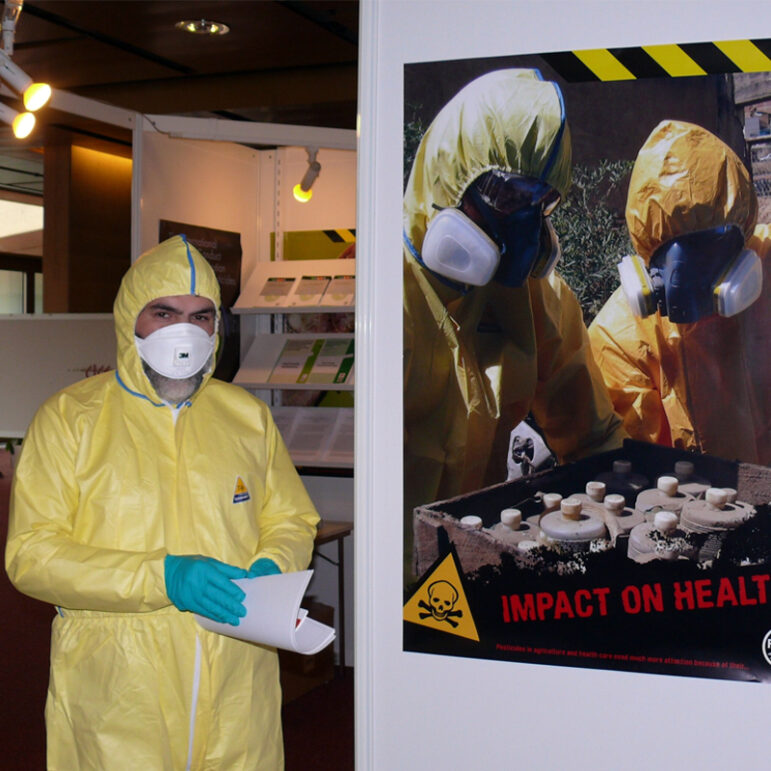
A person in a yellow hazmat suit and mask stands indoors holding papers next to a poster showing two people in similar protective gear inspecting objects, with the text IMPACT ON HEALTH and a skull warning symbol.

IPEN’s Role: Eliminating Toxic Pesticides

IPEN works to end threats from hazardous pesticides with partners in agricultural policy, public health, labor, Indigenous rights, and other sectors. We work for stronger policies through the Stockholm Convention, the GFC, and through national policy development. Our members and  collaborative partners have spurred dozens of national regulations and helped create stronger global policies to phase out harmful pesticides.

See more background on IPEN’s history of work toward eliminating toxic pesticides.

Publicaciones

IPEN (Red Internacional de Eliminación de Contaminantes)
Resumen de privacidad

Esta web utiliza cookies para que podamos ofrecerte la mejor experiencia de usuario posible. La información de las cookies se almacena en tu navegador y realiza funciones tales como reconocerte cuando vuelves a nuestra web o ayudar a nuestro equipo a comprender qué secciones de la web encuentras más interesantes y útiles.