
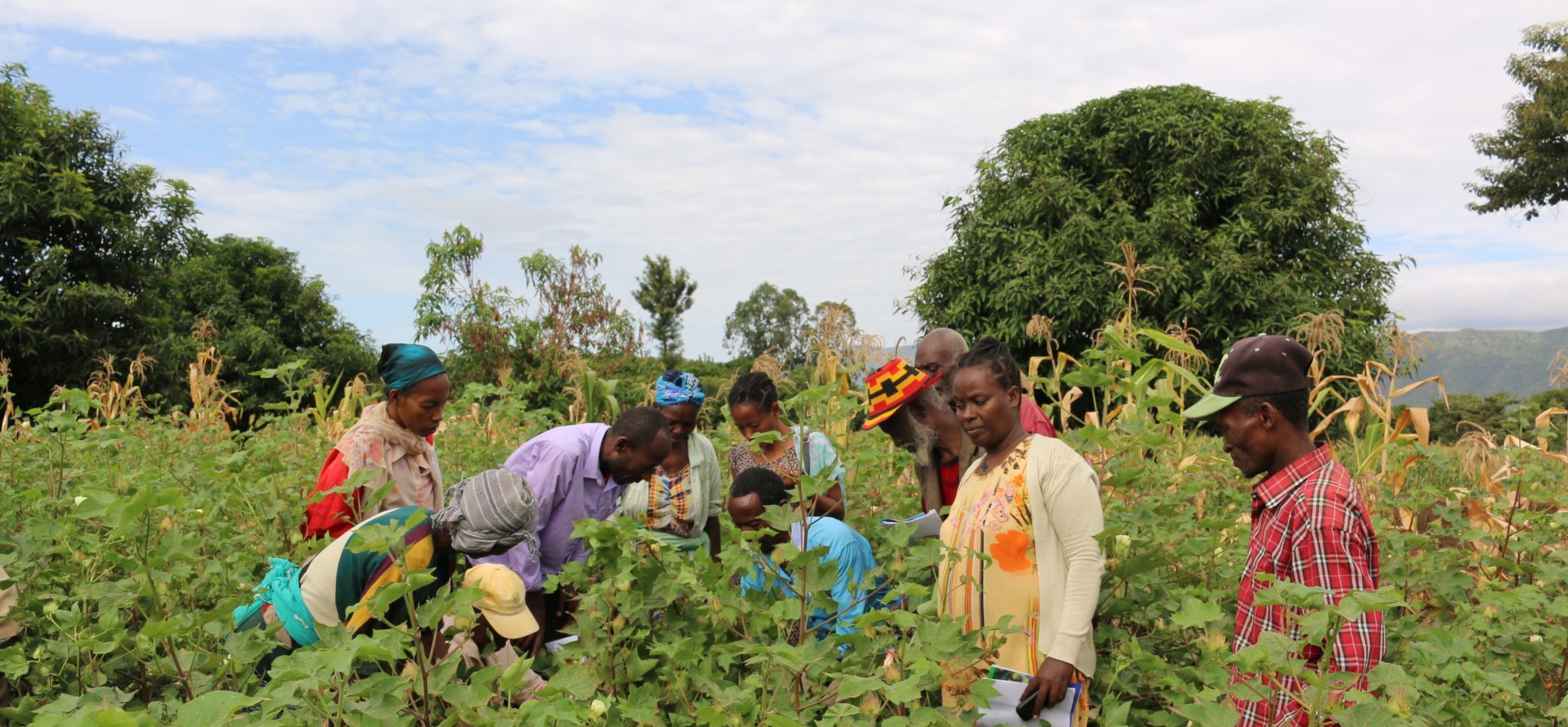
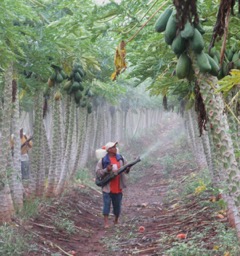
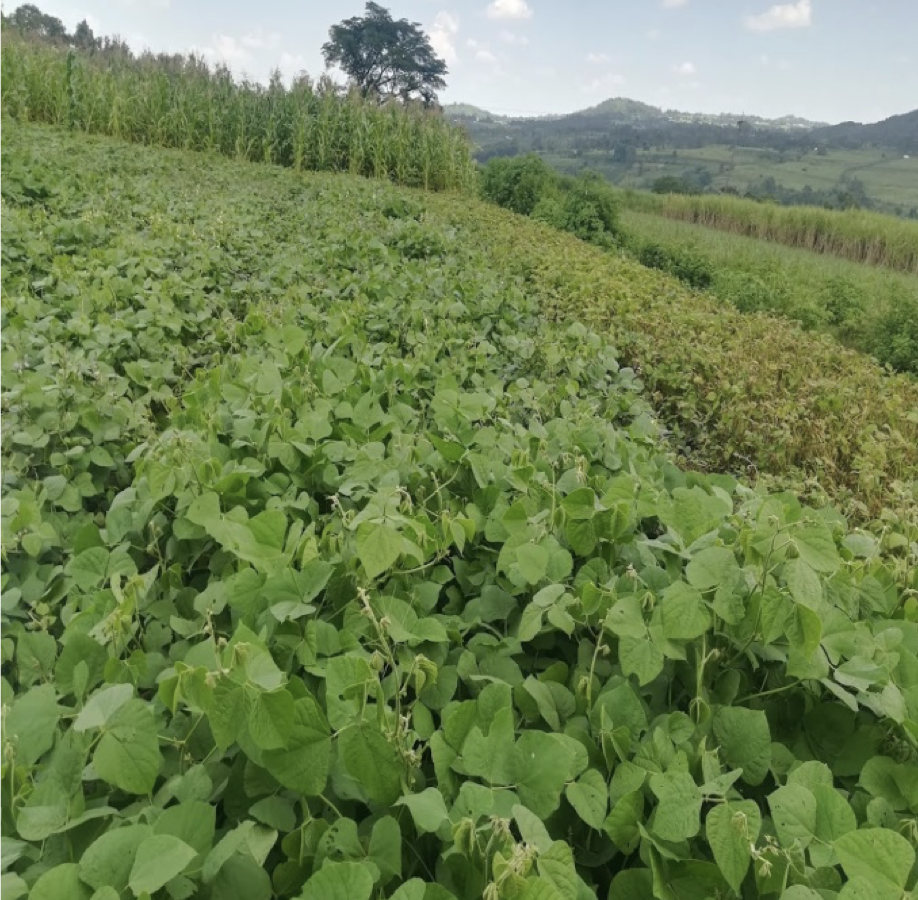
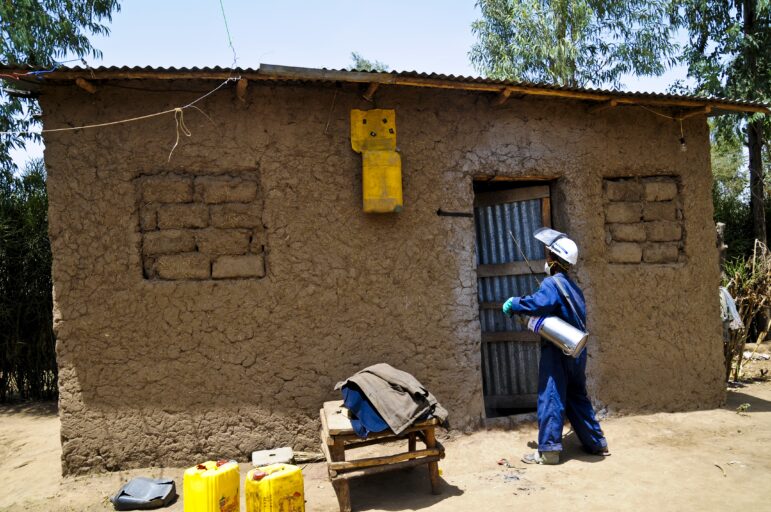

Petani di ladang di Ethiopia belajar tentang pertanian bebas pestisida

Menghilangkan Pestisida Berbahaya

Sekilas tentang

Toxic Threats to Food, Farming, and Health

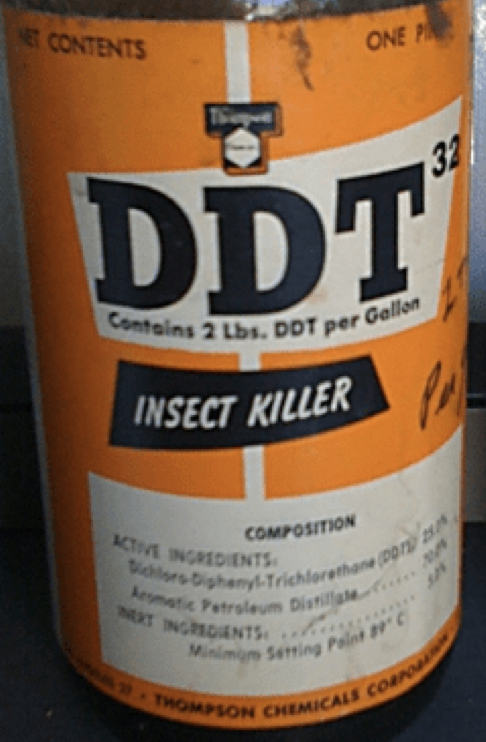
Pesticides are chemicals designed to be toxic and to harm or kill living organisms, including plants, insects, fungi, and animal pests. Herbicides and insecticides are major categories of pesticides, with fungicides and rodenticides also widely used. Several toxic pesticides were among the first chemicals named for global elimination under the Stockholm Convention, and IPEN has worked for more than 25 years to eliminate threats to human health and the environment from hazardous pesticides and promote organic, agroecological farming.

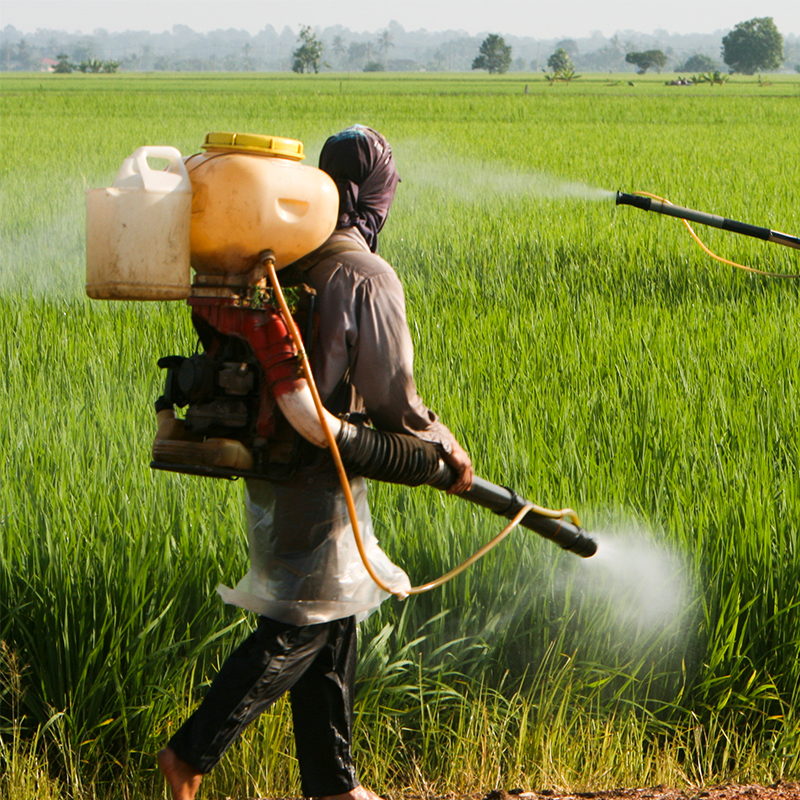
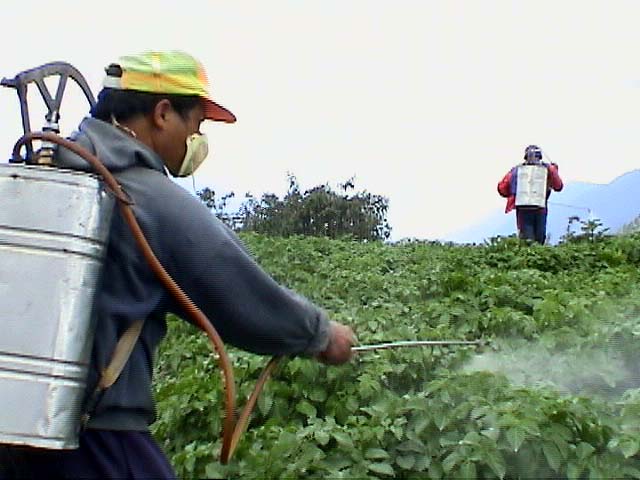
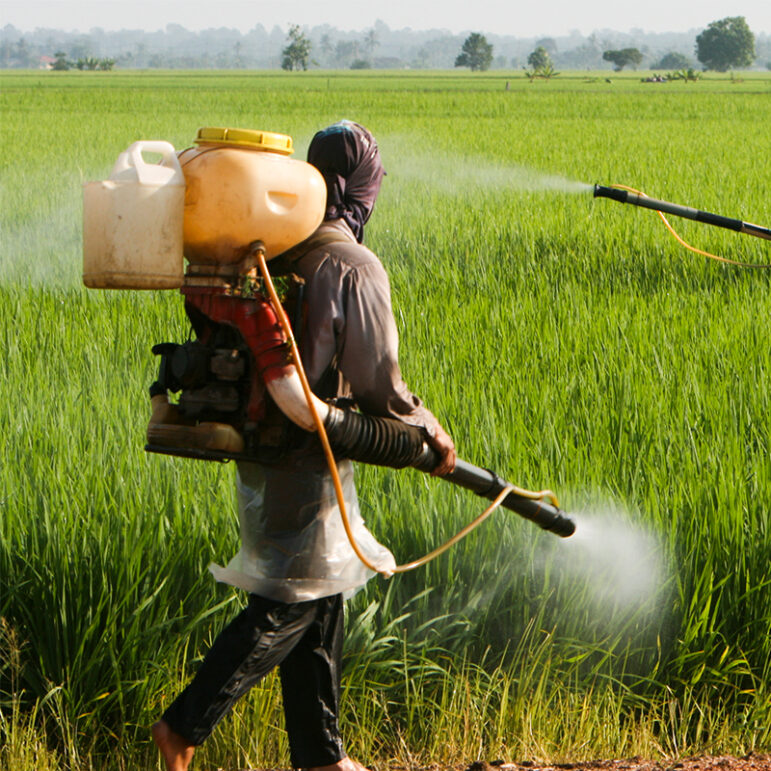
Seseorang mengenakan pakaian pelindung menyemprotkan bahan kimia pada tanaman padi hijau di ladang, menggunakan tangki besar dan selang yang dibawa di punggungnya. Penyemprot lain terlihat di sisi kanan gambar.

Aksi Global dan Nasional

IPEN works for meaningful international agreements and national policies to protect people from toxic pesticides, including advocating for an end to the production and use of highly hazardous pesticides (HHPs) by 2035.

Dalam Berita

Safer, Sustainable Farming Without Toxic Pesticides

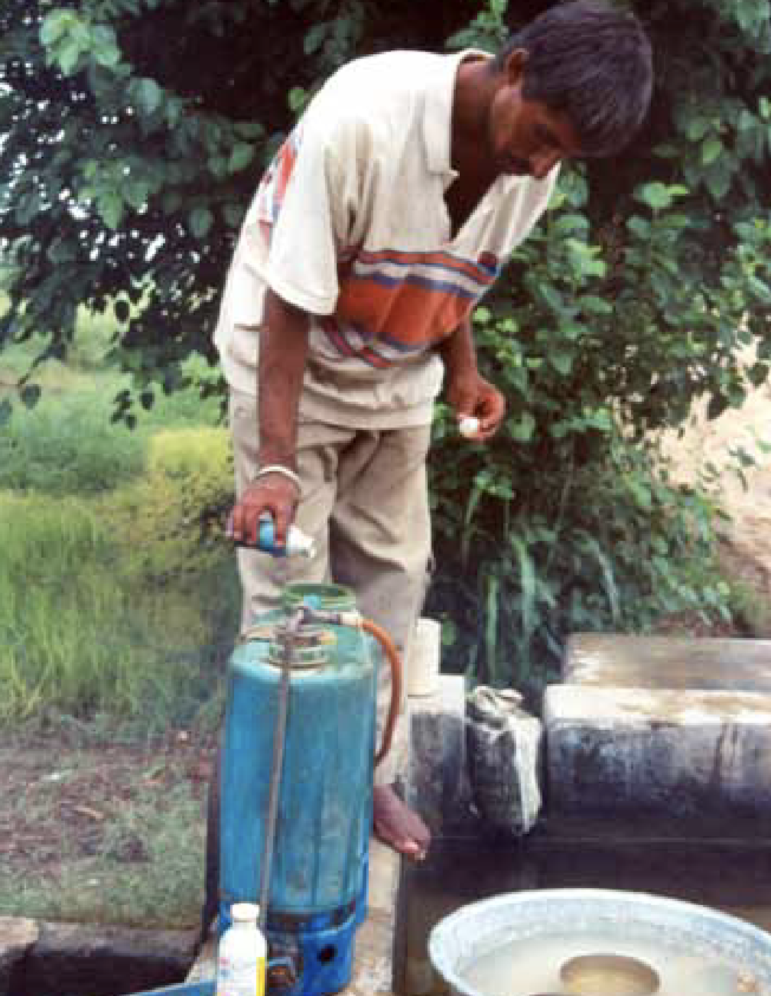
Many hazardous pesticides are used around the world, resulting in serious health problems, significant environmental damage, and impacts on soil and wildlife that threaten sustainable farming. The term highly hazardous pesticide (HHP) is used to describe acutely toxic pesticides and pesticides that cause serious health effects, including cancers, nervous system disorders, reproductive problems, immune system effects, and endocrine system disruption. For more than a decade, IPEN and the Pesticide Action Network (PAN) have led calls for an international cooperation to phase out the use of HHPs.

In 2023, IPEN welcomed decisions by the Global Framework on Chemicals (GFC) and UNEA calling for a global phase-out of HHPs by 2035 and forming a Global Alliance on HHPs.

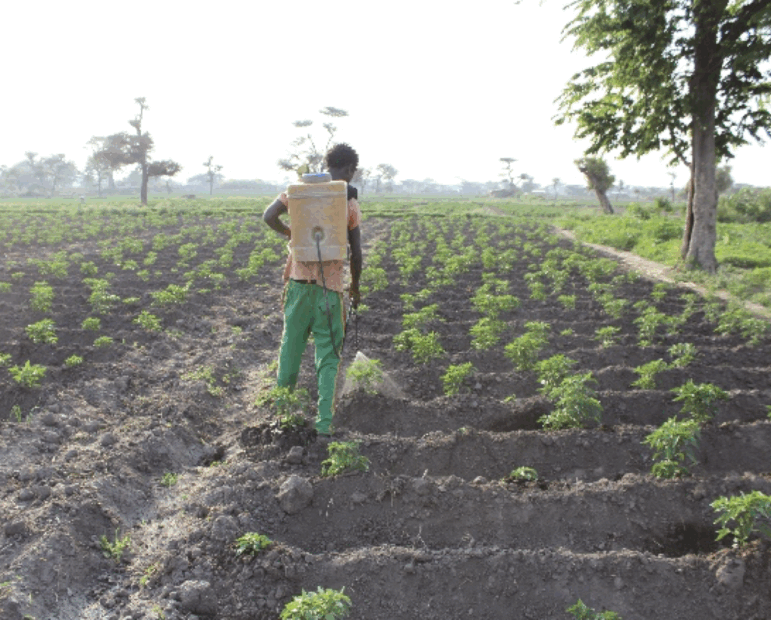
Some countries that have banned certain harmful pesticides continue to allow these pesticides to be produced for export, mostly to low- and middle-income countries, putting people in the receiving countries at risk. IPEN works to expose and end these double standards in the production and use of hazardous pesticides. 

IPEN advocates for agroecology, the science of organic farming, to replace toxic pesticides and to promote safer, sustainable food production. Working through the Stockholm Convention, the GFC, and by working for national pesticide regulations around the world, IPEN promotes a healthier, toxics-free food supply and safer farming for workers, farmers, and rural communities.

Pesticides used in LMICs that are banned elsewhere

0 +

Share of pesticides which are HHPs in some LMICs

0 %

Children under age 12 who work in agriculture globally

0 M
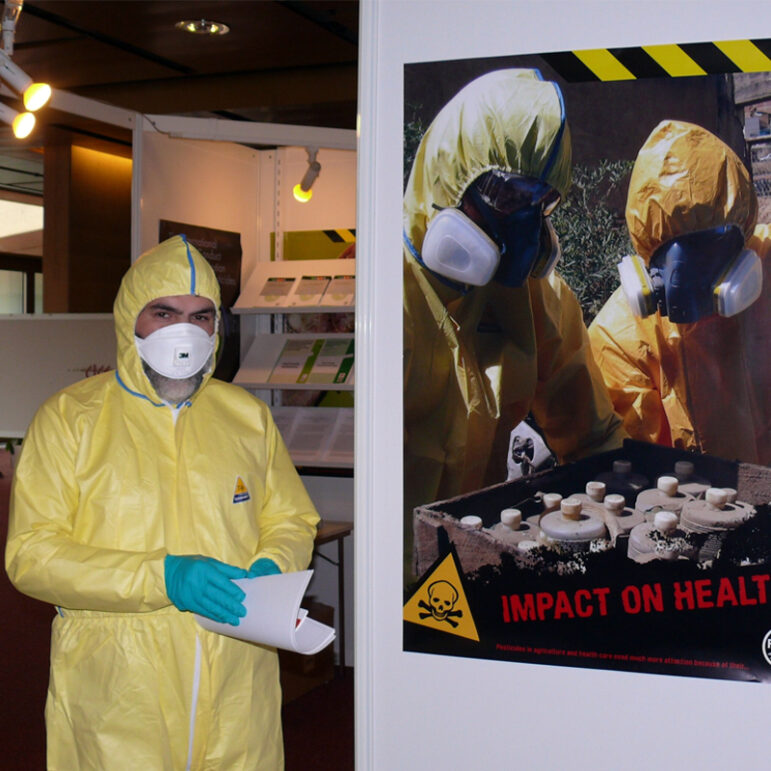
A person in a yellow hazmat suit and mask stands indoors holding papers next to a poster showing two people in similar protective gear inspecting objects, with the text IMPACT ON HEALTH and a skull warning symbol.

IPEN’s Role: Eliminating Toxic Pesticides

IPEN works to end threats from hazardous pesticides with partners in agricultural policy, public health, labor, Indigenous rights, and other sectors. We work for stronger policies through the Stockholm Convention, the GFC, and through national policy development. Our members and  collaborative partners have spurred dozens of national regulations and helped create stronger global policies to phase out harmful pesticides.

See more background on IPEN’s history of work toward eliminating toxic pesticides.

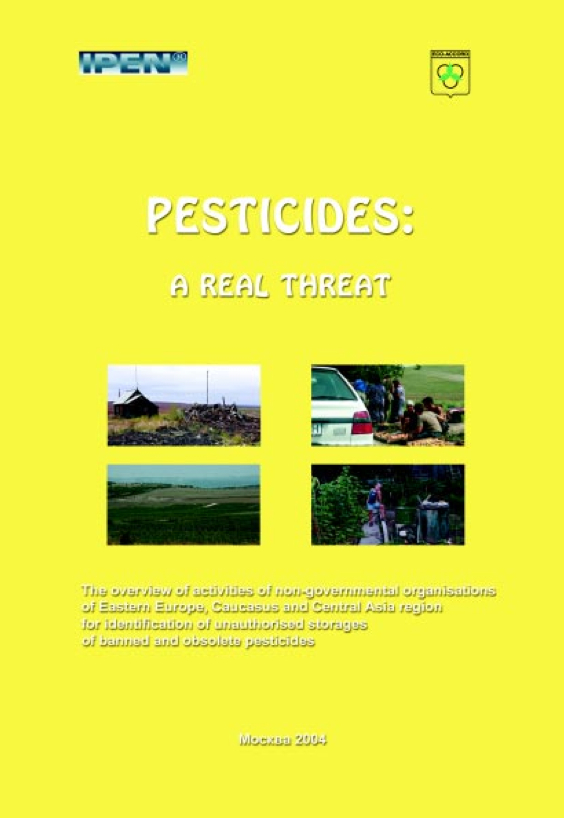
Publikasi

IPEN (Jaringan Penghapusan Polutan Internasional)
Ikhtisar Privasi

Situs web ini menggunakan cookie agar kami dapat memberikan Anda pengalaman pengguna terbaik. Informasi cookie disimpan di browser Anda dan menjalankan fungsi seperti mengenali Anda saat Anda kembali ke situs web kami dan membantu tim kami untuk memahami bagian situs web mana yang menurut Anda paling menarik dan berguna.