

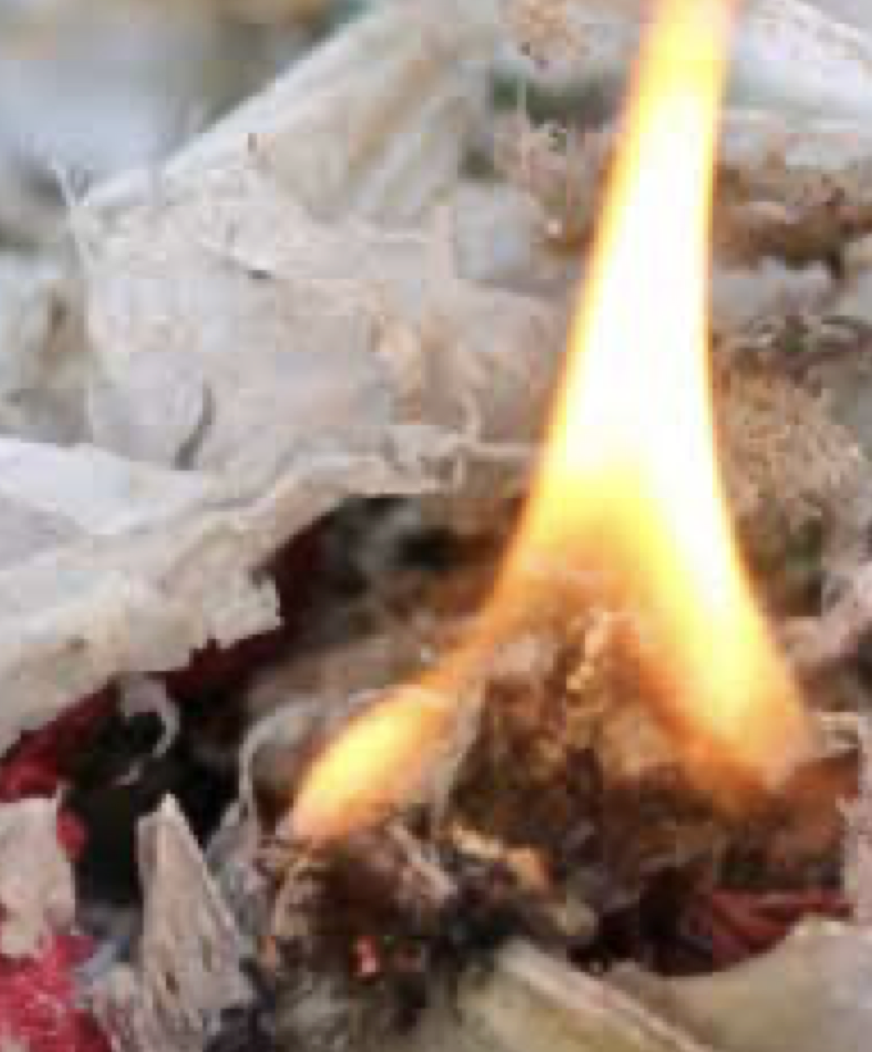
In Mongabay, a story notes that nations are increasingly turning to burning municipal waste to make fuel as a solution to both problems.
One approach, dubbed refuse-derived fuel (RDF), processes, packages and burns conglomerated combustible organic waste with large amounts of potentially hazardous plastics in order to make fuel to produce heat or electricity. RDF is an escalating global trend causing concern among environmental experts due to its potential climate, pollution and human health impacts.
RDF is typically made up of around 50% plastic waste, which is combined with other combustible materials like wood, cardboard and textiles. The mixed waste is processed via drying and shredding, with the resulting materials then burned in so-called waste-to-energy incinerators, cement kilns, or other industrial facilities such as paper mills.
“Our concerns about [RDF] relate to the fact that plastic consists of polymers that are mixed with many, many different chemicals,” says Lee Bell, technical and policy adviser at the International Pollutants Elimination Network (IPEN), an NGO.
More than 4,000 chemicals found in plastics are of concern due to their persistent, bioaccumulative, and/or toxic properties, and it’s becoming clear that plastic pollution is a human health concern. “If you burn RDF, you generate a whole range of toxic emissions,” Bell says. “The creation of Refuse-Derived Fuel, which is a plastic-based fuel, is also a way of avoiding more sound management options.”
Research by IPEN suggests RDF is a growing environmental and public health concern, with production and incineration on the rise in the Global South, particularly Asia. Major worries: A lack of standardized environmental regulation, inconsistent fuel quality control, and inadequate pollution controls, particularly in developing nations.
 English
  简体中文
简体中文  Français
  Bahasa Indonesia
  Русский
  Español
  العربية
  Shqip
Shqip  Հայերեն
  Azərbaycan dili
  Беларуская мова
  Български
  Cantonese
  Hrvatski
  Čeština
  ქართული
  Deutsch
  Ελληνικά
  हिन्दी
  Қазақ тілі
  한국어
한국어  Кыргызча
  Bahasa Melayu
  नेपाली
  Português do Brasil
  Kiswahili
  Svenska
  Tagalog
  தமிழ்
தமிழ்  ไทย
ไทย  Українська
  Tiếng Việt