

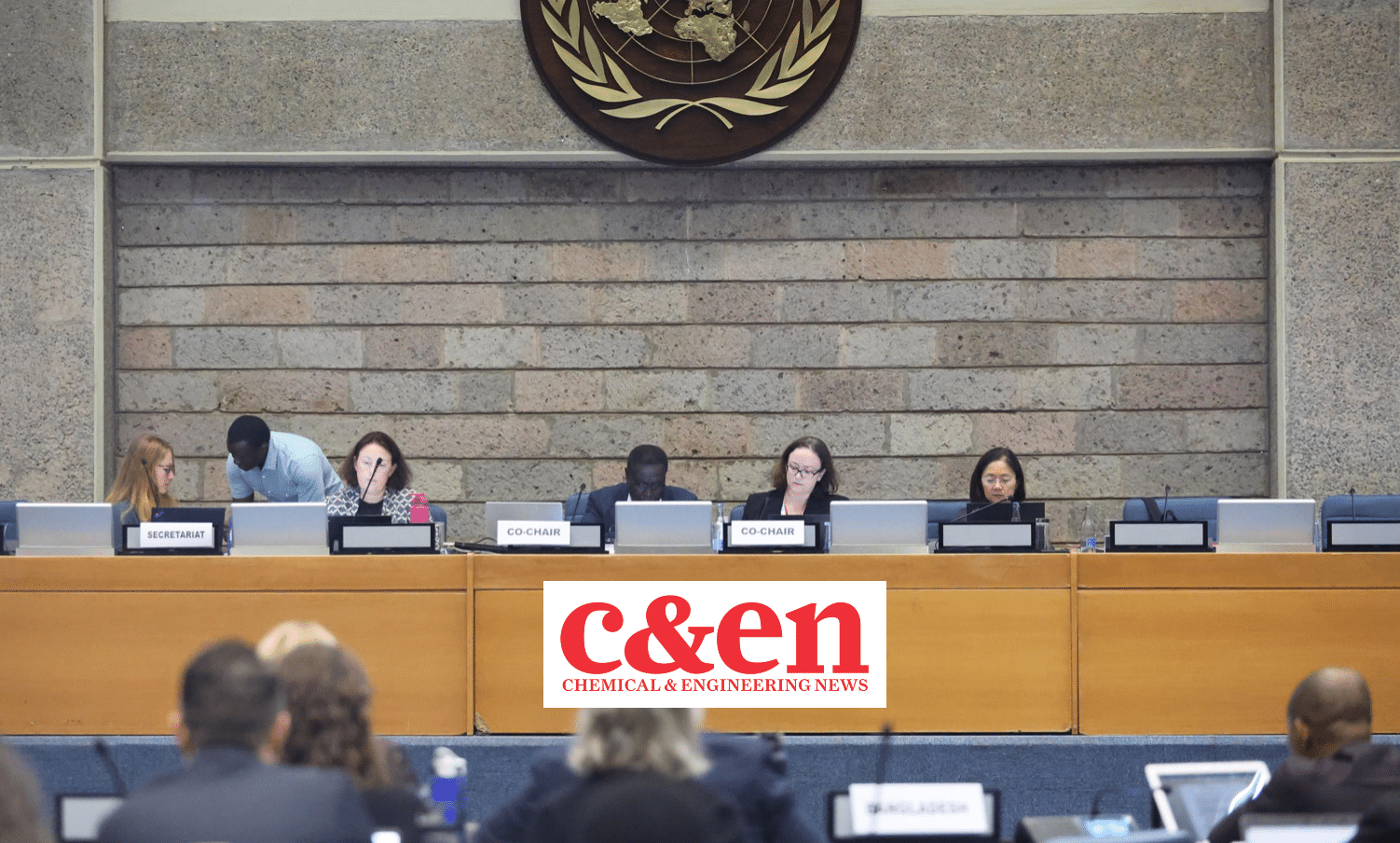
As negotiators head home after the third United Nations Intergovernmental Negotiating Committee on Plastic Pollution (INC-3) meeting, some are muttering under their breath. Participants did advance the treaty’s ultimate goal—ending plastic pollution—during the session, held from Nov. 13 to 19 in Nairobi, Kenya. But for some, that progress is overshadowed by negotiation breakdowns on the last day.
Plastic-producing countries and industries argue that production does not have anything to do with pollution, says Björn Beeler, international coordinator for the International Pollutants Elimination Network (IPEN), an advocacy group. “It’s an illogical argument because when you produce more plastic, you have more plastic waste,” he says. The meeting ended with more proposed amendments to the zero draft and no official direction for the scope of the work before the next session, scheduled for April 2024 in Ottawa, Ontario.
“It was a baby step forward and a missed opportunity to make progress on the supposed timeline,” Beeler says. The negotiations were tense, but overall the treaty is progressing, he says. “Our view is not doom and gloom. This is how meetings go when you have high stakes.”
The draft has moved forward, Beeler says. “There were 500 submissions to the treaty during the week.” The draft ballooned, but this is a normal process, he says.
One of the main concerns was about how to fund the eventual treaty. “The global south wants to have that conversation immediately,” Beeler says. “But developed countries don’t want to commit to [financing] at all. Before they fund this thing, they want to know what they’re funding.”
Another sticking point is defining the life cycle of plastic, which determines what entities are responsible for creating pollution. Some organizations, such as GAIA, say the life cycle starts when the carbon source comes out of the ground, Roff says. “Oil countries are saying that it’s once [plastic] becomes waste,” Beeler says. “A more moderate argument is that once you have carbon and make plastic, then that leads to pollution.”
The process is chaotic, Beeler says, but the treaty will get there in the end. “The first draft is coming, but it’s like honey that’s been in the fridge,” he says. “It’s very slow.”
Read the full story from Chemical and Engineering News.
 English
  简体中文
简体中文  Français
  Bahasa Indonesia
  Русский
  Español
  العربية
  Shqip
Shqip  Հայերեն
  Azərbaycan dili
  Беларуская мова
  Български
  Cantonese
  Hrvatski
  Čeština
  ქართული
  Deutsch
  Ελληνικά
  हिन्दी
  Қазақ тілі
  한국어
한국어  Кыргызча
  Bahasa Melayu
  नेपाली
  Português do Brasil
  Kiswahili
  Svenska
  Tagalog
  தமிழ்
தமிழ்  ไทย
ไทย  Українська
  Tiếng Việt