
Minamata Convention COP-5

Fifth Conference of the Parties (COP-5) to the Minamata Convention on Mercury
제네바, 스위스
November 2023

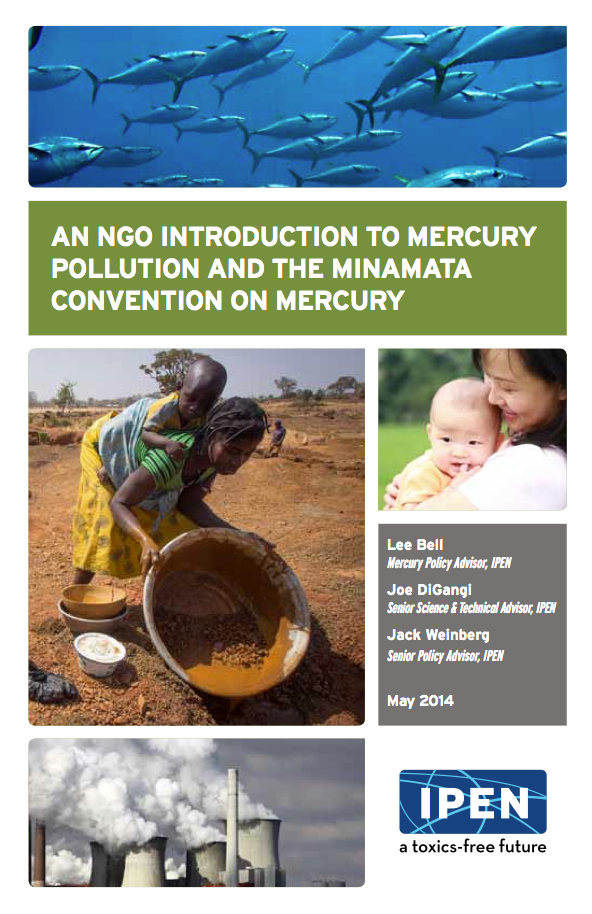
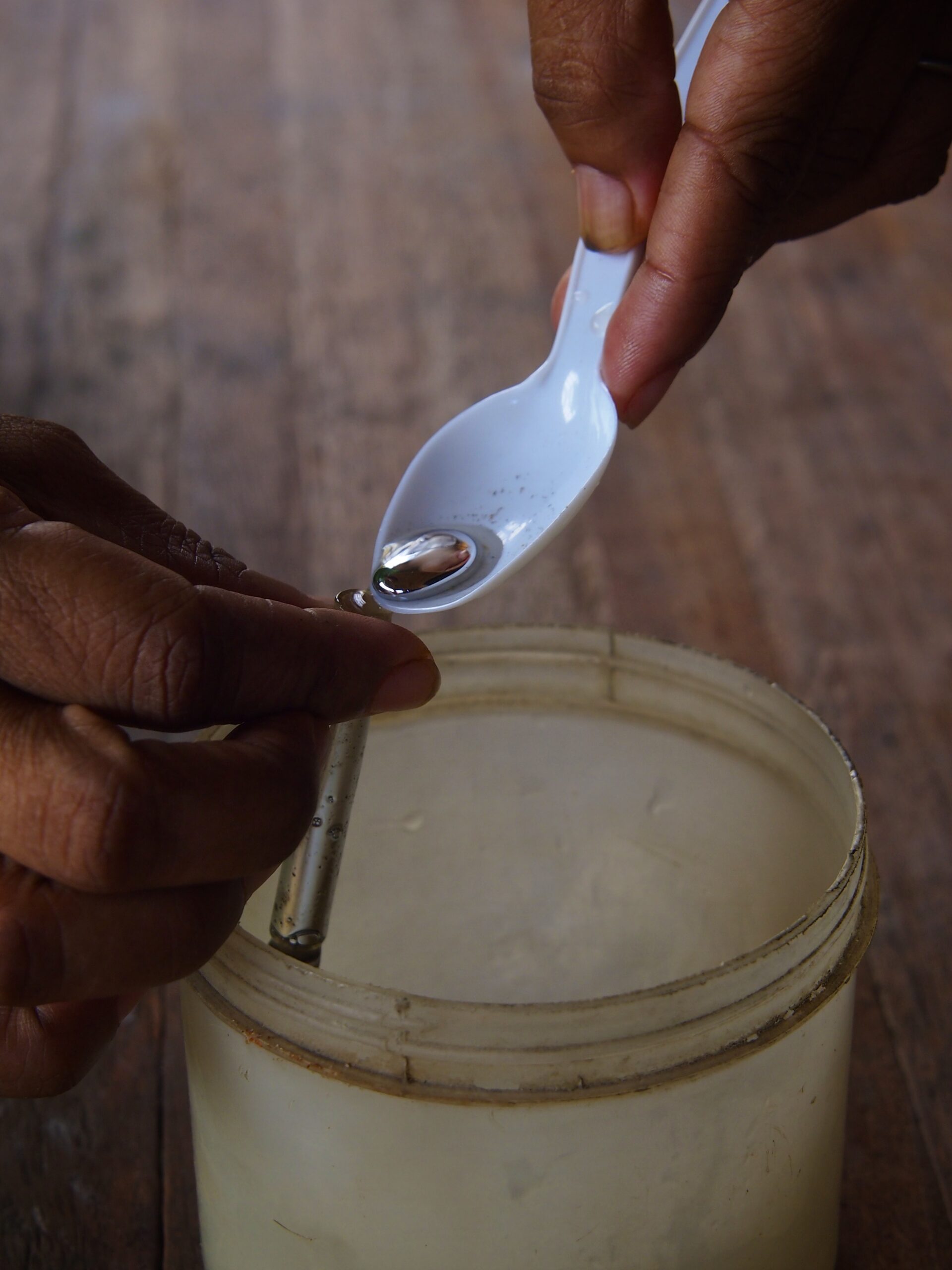
 The Minamata Convention on Mercury has been developed as the main international legal instrument to protect human health and the environment from mercury pollution with a range of controls on trade, emissions, and use of mercury.

IPEN Statement on COP-5

Minamata Convention Calls for Inclusion of Indigenous Peoples in the Fight to End Mercury Pollution

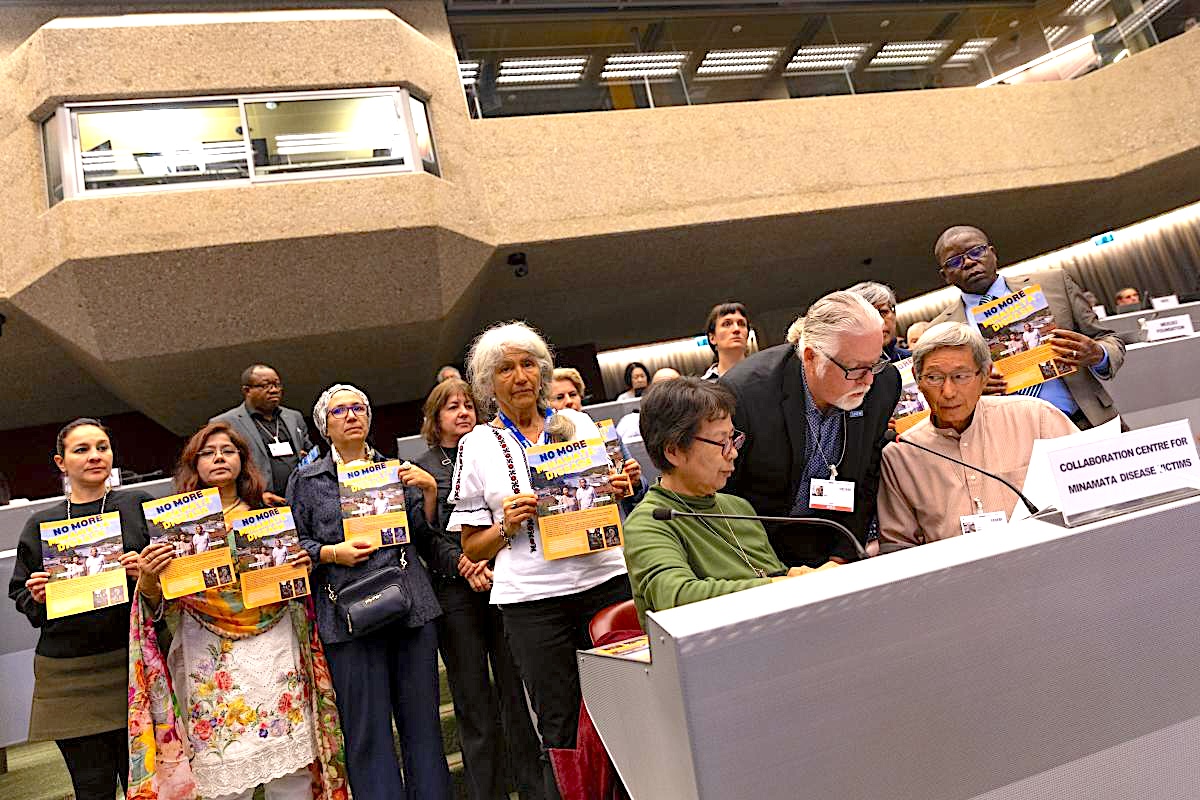
At COP-5, countries approved a resolution calling for support of the participation of Indigenous Peoples in the fight to end mercury pollution. The resolution urged Parties to engage Indigenous Peoples in mercury elimination efforts and noted that future negotiations should include a focus on “…the needs and priorities of Indigenous Peoples, as well as local communities, with regard to the effects of mercury in their health, livelihoods, culture and knowledge, with a view to future work on identifying possible solutions.”

Click below to read the full statement from IPEN and the International Indian Treaty Council.

프라이스_머큐리_조약_006

COP-5 Updates

At COP-5, IPEN tracked progress and discussions on many issues. Several developments included:  

  • Progress was made on ending mercury use in dental amalgam, with Parties called on to regularly report their phase-out efforts. 
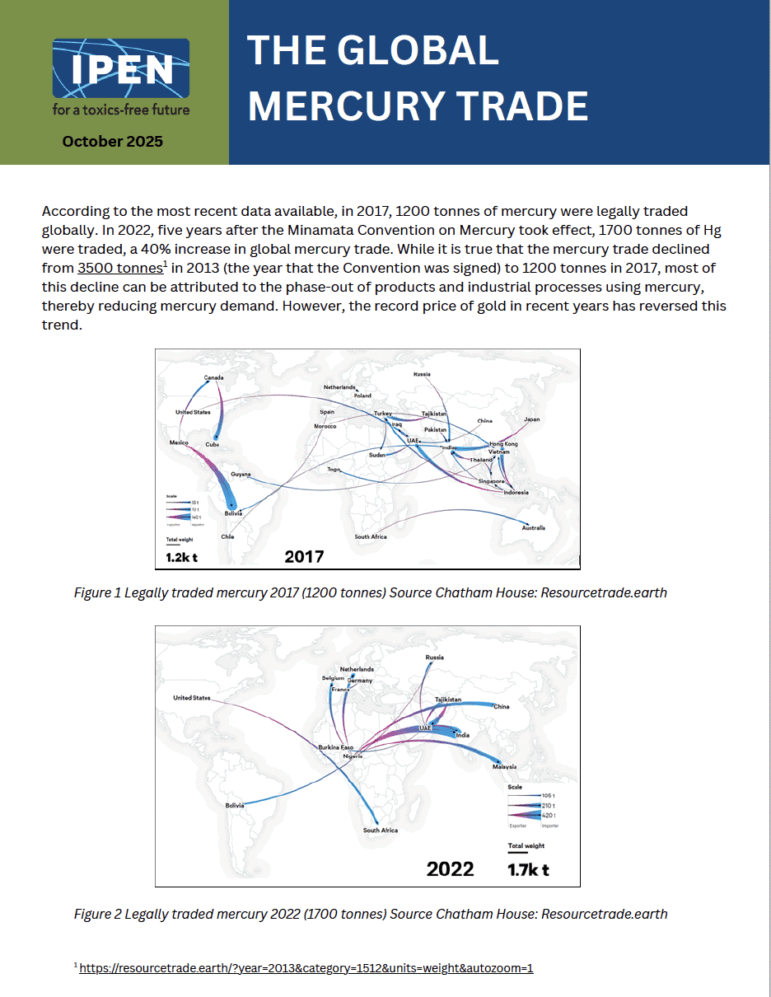
  • IPEN called on Parties to support the Bali Declaration launched by Indonesia at COP-4, to combat the illegal trade of mercury and move toward ending the mercury trade globally, especially for its use in the ASGM sector.
  • Calls continued for measures to control mercury emissions, including from coal.
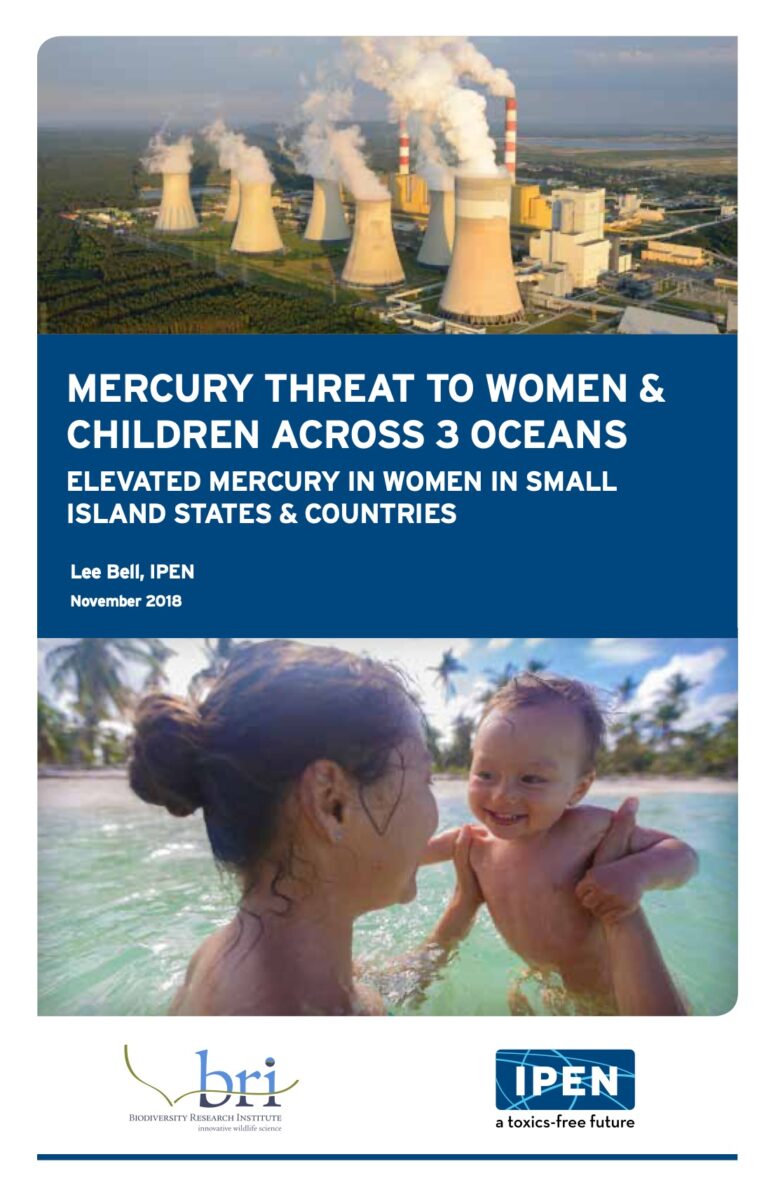
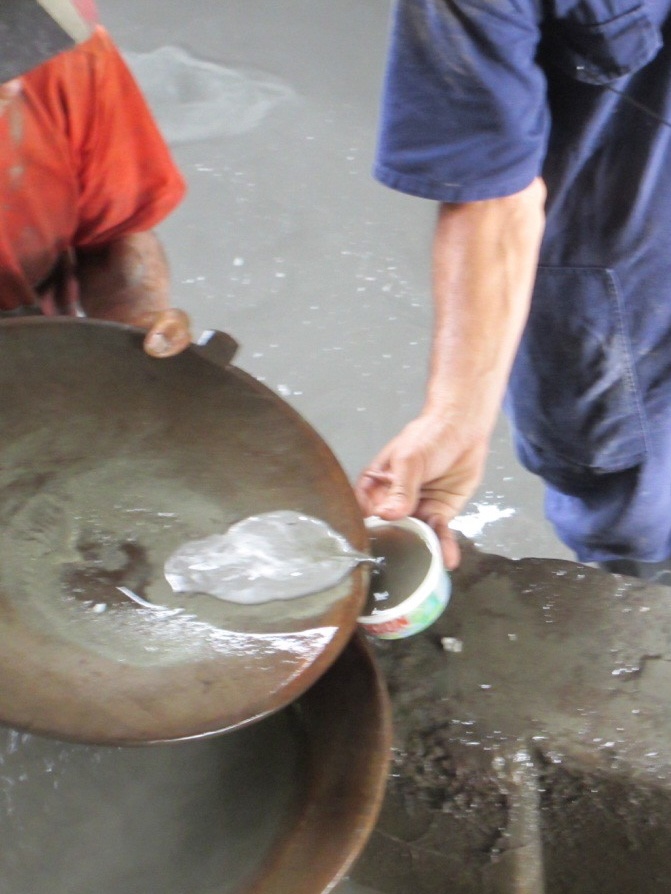
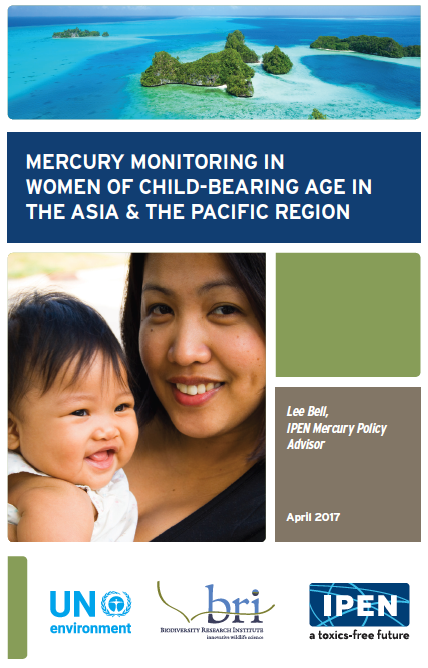
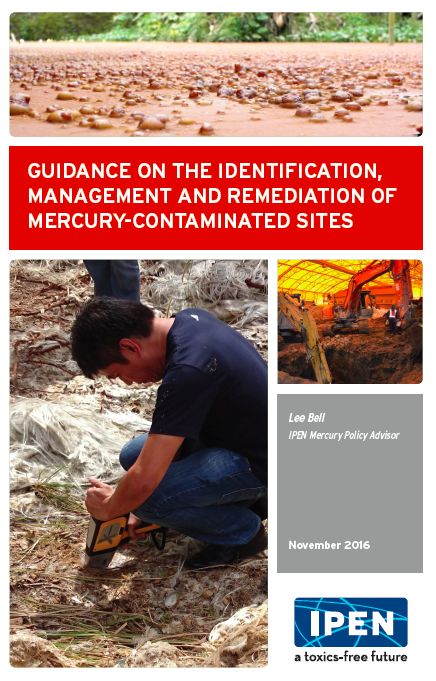
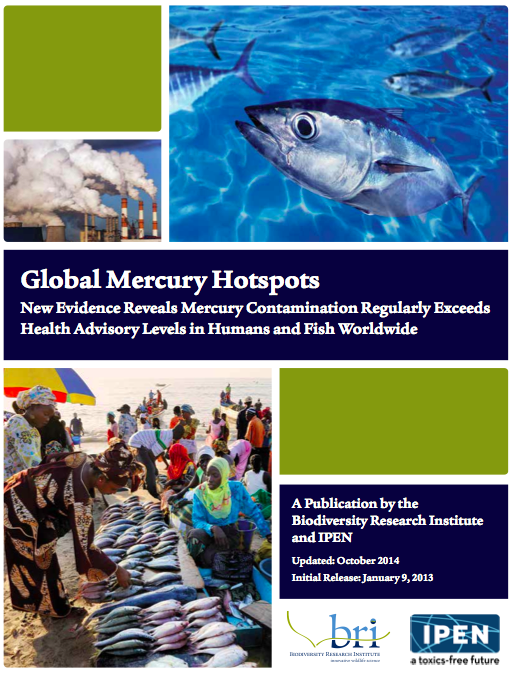
  • IPEN called for prohibiting mercury use in ASGM under the Convention, presenting its original research on Mercury in Women of Child-bearing Age in 25 Countries and Mercury Exposure of Women in Four Latin American Gold Mining Countries.
  • IPEN criticized adoption of a standard for defining mercury waste that is not health protective and that would allow countries to set even less safe standards, or no standard at all. IPEN previously argued that the most health-protective standard should be adopted. IPEN noted that allowing a blanket exemption to the standard could result in undeclared shipments of toxic mercury-tainted waste being dumped by wealthy regions into low- and middle-income countries. 
국제 유해물질 제거 네트워크
개인정보 처리방침

이 웹사이트는 최고의 사용자 경험을 제공하기 위해 쿠키를 사용합니다. 쿠키 정보는 브라우저에 저장되며, 웹사이트 재방문 시 사용자를 인식하고 웹사이트의 어떤 섹션이 가장 흥미롭고 유용한지 이해하는 데 도움이 되는 기능을 수행합니다.