

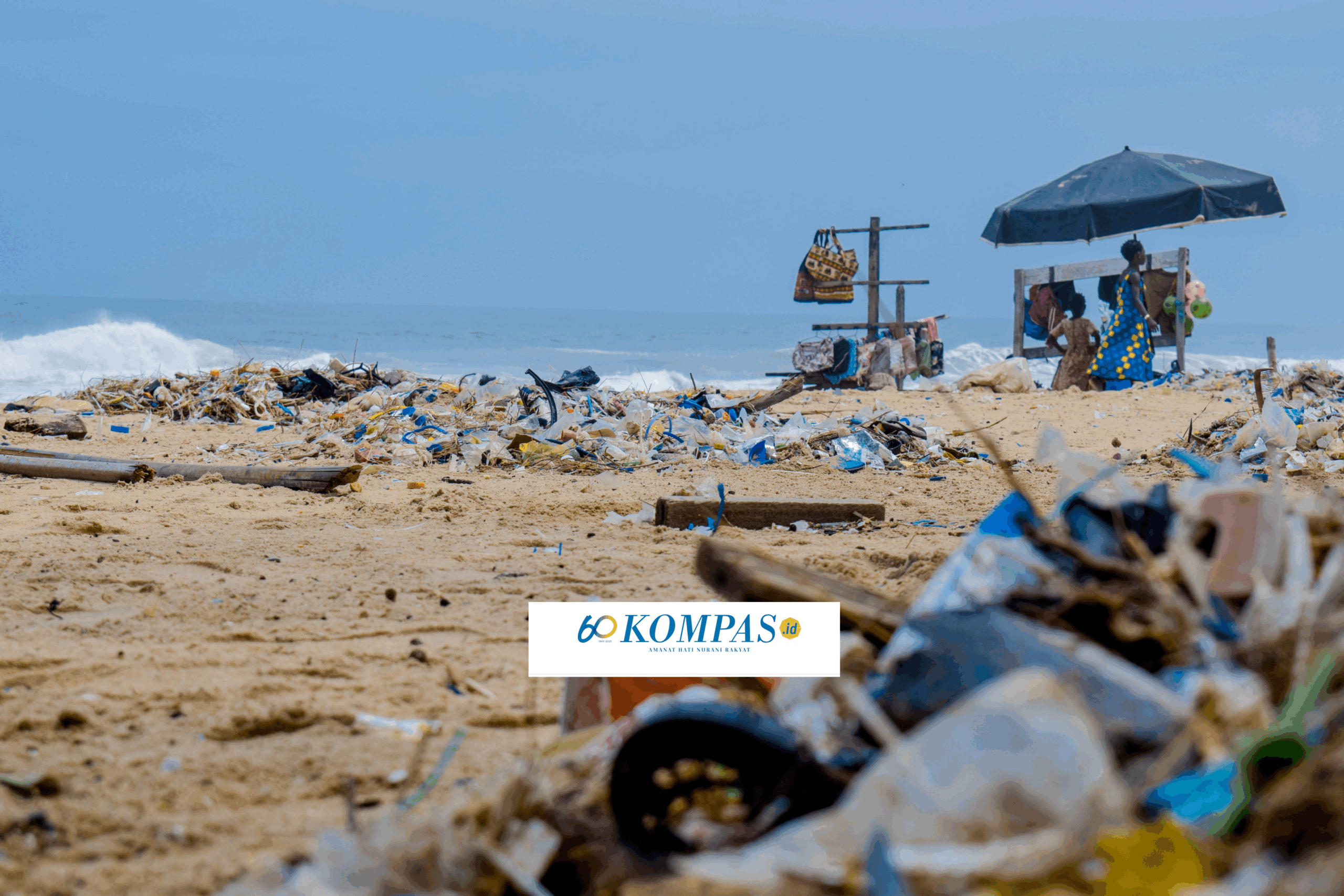
An article in Kompas notes that negotiations at the United Nations Office in Geneva, Switzerland, were finally concluded without consensus on Friday (15/8), although the majority of countries acknowledged that plastic has become a global issue and that an agreement is necessary to protect health and the environment. Negotiations will resume on a date to be determined later, but the direction moving forward remains uncertain.
The majority of countries have come together to support the proposal from Switzerland and Mexico, which includes global regulations concerning toxic plastic chemicals in products. Approximately 90 countries support the call of this proposal to identify and eliminate hazardous plastic chemicals, along with measures for transparency and traceability of chemicals in plastic products. Many countries also support a just transition, establishing a new special fund, and making decisions through a two-thirds majority vote when consensus cannot be reached.
However, these measures are hindered by a small group of oil and petrochemical-producing countries led by Saudi Arabia. The countries that refer to themselves as the “like-minded countries” have rejected the voting.
The International POPs Elimination Network (IPEN) notes that the agreement process over the past three years has drawn significant attention in most countries to the need to control excessive plastic production and address the threats of toxins to health and the environment from plastic chemicals. “IPEN is pleased to see many member countries remain dedicated to advocating for the Plastic Agreement that upholds human rights to a clean and healthy environment. However, from the experience of participating in negotiations for various international environmental agreements, this is the first time we have encountered a negotiation session that ended in a deadlock,” said Yuyun Ismawati, Co-Chair of IPEN.
IPEN is a network comprising more than 600 non-governmental organizations in over 120 countries that work to reduce and eliminate the dangers of toxic chemicals to human health and the environment. According to Yuyun, the failure of the negotiations this time was caused by a combination of various factors, including geopolitics. “The pressure from major plastic-producing countries in the status quo, supported by the petrochemical and plastic industries, made it difficult for the Chair of the INC to take action and failed to demonstrate decisiveness and leadership,” she said.
See the full story here.
 English
  简体中文
简体中文  Français
  Bahasa Indonesia
  Русский
  Español
  العربية
  Shqip
Shqip  Հայերեն
  Azərbaycan dili
  Беларуская мова
  Български
  Cantonese
  Hrvatski
  Čeština
  ქართული
  Deutsch
  Ελληνικά
  हिन्दी
  Қазақ тілі
  한국어
한국어  Кыргызча
  Bahasa Melayu
  नेपाली
  Português do Brasil
  Kiswahili
  Svenska
  Tagalog
  தமிழ்
தமிழ்  ไทย
ไทย  Українська
  Tiếng Việt