

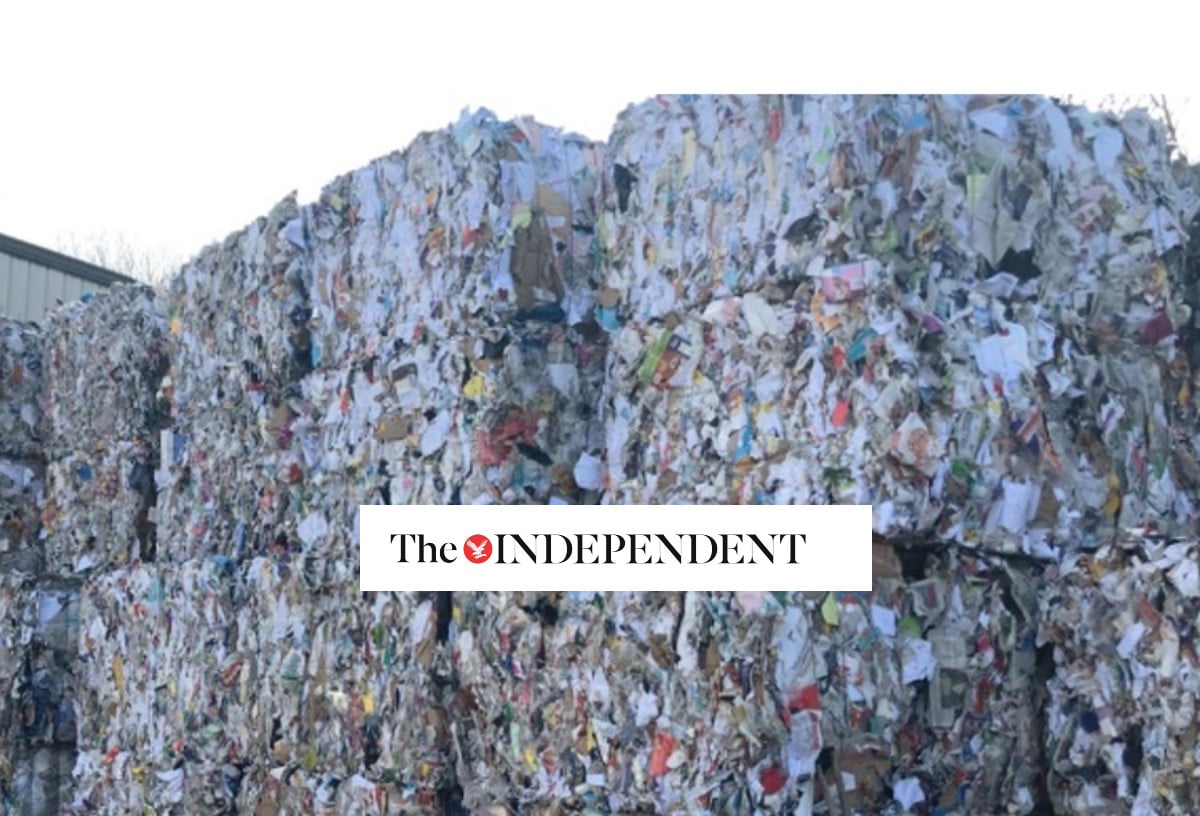
A story in The Independent notes that at least 234 fossil fuel and petrochemical industry lobbyists have registered to attend the final round of plastics treaty negotiations in Geneva this week, the highest number ever, prompting new warnings that industry pressure could weaken the global effort to end plastic pollution.
According to an analysis by the Center for International Environmental Law (CIEL) and partners, lobbyists representing fossil fuel and petrochemical interests now outnumber the combined delegations of all 27 EU nations plus the EU itself.
The findings for the ongoing INC5.2 show that:
- At least 234 fossil fuel and chemical lobbyists are registered.
- At least 6 lobbyists are embedded in Egypt’s country delegation, four in Kazakhstan’s, three each in China’s and Iran’s, two in Chile’s, and one in the Dominican Republic’s
- Lobbyists outnumber scientific coalitions, with 60 representatives, and Indigenous representatives, with 36, by a margin of about 4:1 and 7:1, respectively.
Rachel Radvany, environmental health campaigner at CIEL, said the industry was not just attending, it was actively shaping the outcome. “On the first day of INC 5.2, we saw them boldly take the floor, speak in plenary, and push their agenda in plain sight,” she said. “They’re working in lockstep with petrostates to drag the process toward the lowest common denominator.”
CIEL and its allies, including campaigners like Greenpeace, IPEN, GAIA, the International Indigenous Peoples’ Forum on Plastics, are urging the UN Environment Programme to adopt a robust conflict of interest policy, warning that failure to do so could lead to a treaty designed to protect polluters instead of people.
Read the full story in The Independent.
 English
  简体中文
简体中文  Français
  Bahasa Indonesia
  Русский
  Español
  العربية
  Shqip
Shqip  Հայերեն
  Azərbaycan dili
  Беларуская мова
  Български
  Cantonese
  Hrvatski
  Čeština
  ქართული
  Deutsch
  Ελληνικά
  हिन्दी
  Қазақ тілі
  한국어
한국어  Кыргызча
  Bahasa Melayu
  नेपाली
  Português do Brasil
  Kiswahili
  Svenska
  Tagalog
  தமிழ்
தமிழ்  ไทย
ไทย  Українська
  Tiếng Việt