
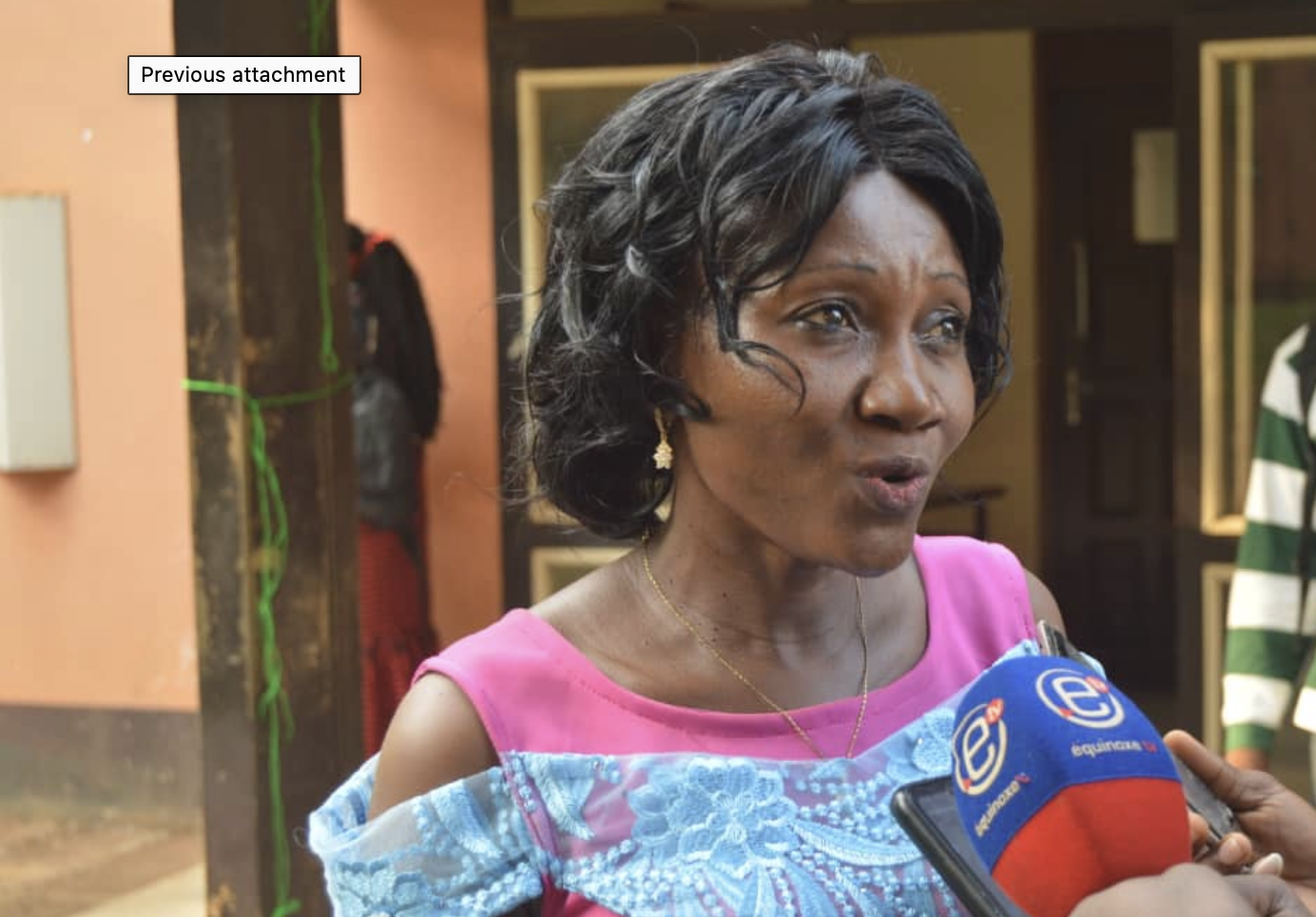
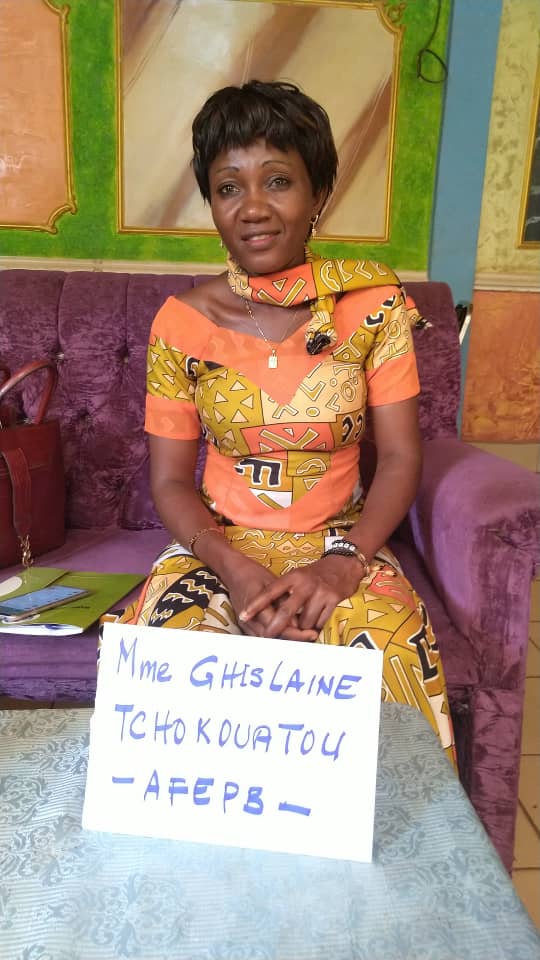
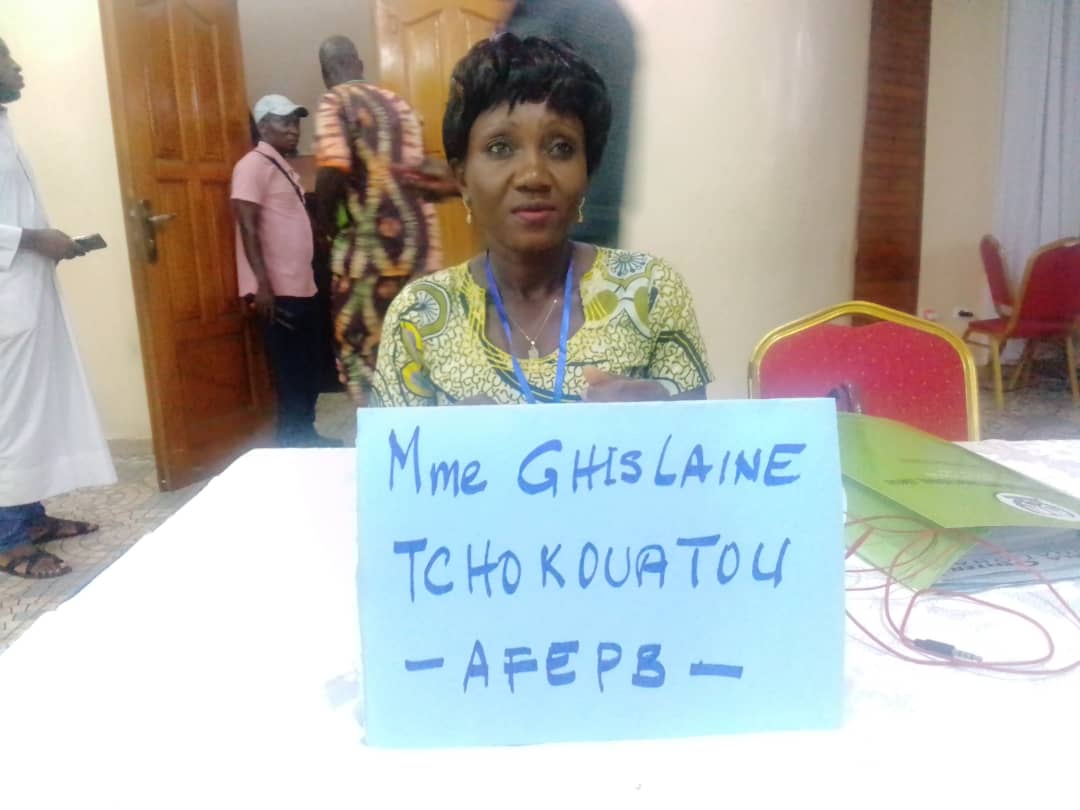
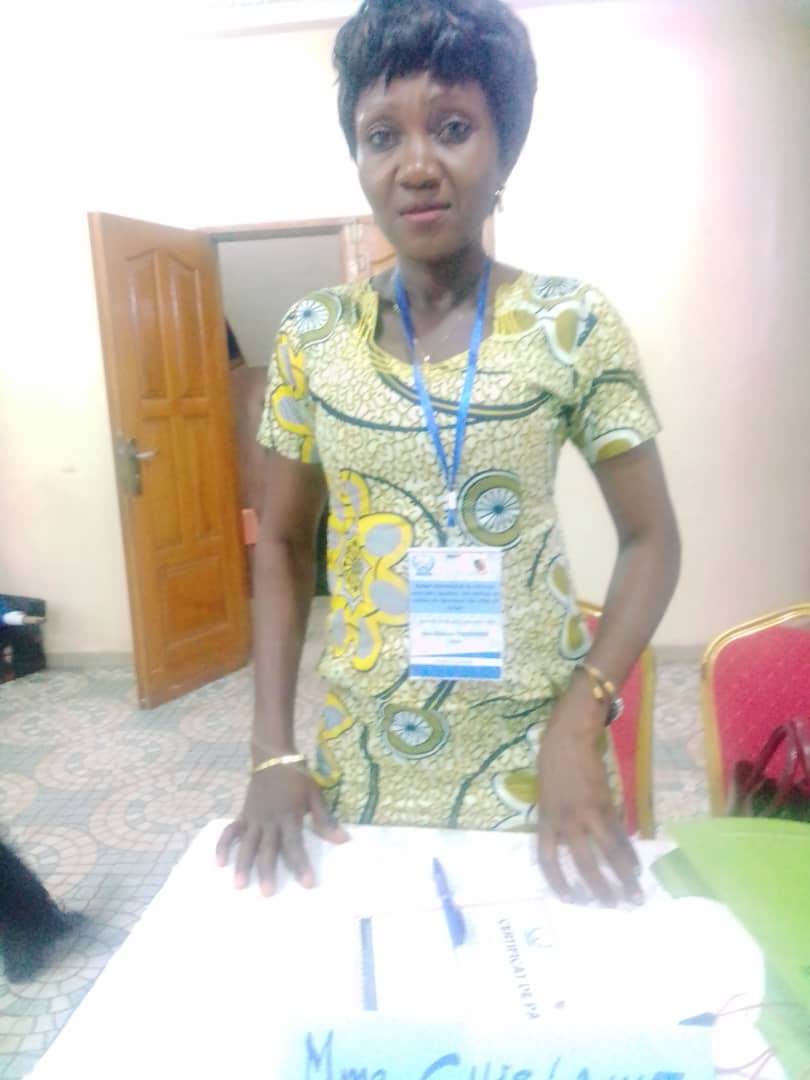
My name is Ghislaine TCHOKOUATOU, and I hold a Brevet de Technicien Supérieur in Accounting and Business Management. In 2013, I became interested in environmental causes and began working with the Cameroonian non-governmental organization Jeunes Volontaires pour l’Environnement (JVE). For several years, they have been carrying out awareness-raising, education and advocacy campaigns to limit the aggravating actions of climate dysfunction in Cameroon and beyond. JVE is working towards effective involvement of young people and women in decision-making, a rational management of waste and harmful chemicals, and other issues. Since 2022, I have been working as the president of the NGO Action des Femmes pour une Planète Bio Cameroun.
In 2020, I coordinated a project “PCB Reduction in Cameroon through the use of local expertise and the development of national capacities” in the South and West regions of Cameroon. This campaign identified potential sources of PCBs (polychlorinated biphenyls) in the two regions of the country and raised awareness among the population of exposed areas and informed workers of companies that use PCB-containing equipment on the risks associated with PCB contamination. Carrying out these field activities led us to discover that many women were using PCB oil from a transformer explosion to fight termites and other bugs on wood and furniture. PCBs were also used by women to give shine to a floor that was smoothed after washing. In addition, PCBs from the explosion of an electrical transformer was spilled onto the ground, onto crops, and sometimes into surrounding streams where women get water supplies and sometimes do laundry. The clothes used by the men who regularly handle the PCBs were given to the woman for washing. Several women in the exposed area had symptoms very similar to the consequences of contamination with persistent organic pollutants such as fertility problems, cancer, breathing difficulties, and much more.
As part of this study, in 2023, we initiated a movement against plastics in Cameroon. We realized that women in their daily jobs are at the center of the handling of plastics, whether in food, household, textiles, beauty, and other products. Plastics are an integral part of a woman’s life and when chemicals from plastics are released they can impact in women’s bodies and cause harmful effects to the fetus and the baby before and after birth. Toxic chemical additives in plastic such as bisphenol A, phthalates, PCBs, lead, flame retardants, and others can affect the health of woman, their fetuses, their families, and more.
Beauty products used in Cameroon almost always contain plastic. Even worse, these products contain toxic plastic that is harmful to women’s health. According to a study by the Plastic Soup Foundation, about 83% of sunscreen products, 80% of hand sanitizers, 71% of shampoos and 61% of face creams contain microplastics in their formulations; these beauty products put women at greater risk of plastic poisoning and chemical risk related to their formulation.
I believe that it is time for appropriate and fair regulatory measures to be taken to restrict, if not completely prohibit, the use of hazardous chemicals in products in order to protect everyone from exposure to toxic substances.
 English
  简体中文
简体中文  Français
  Bahasa Indonesia
  Русский
  Español
  العربية
  Shqip
Shqip  Հայերեն
  Azərbaycan dili
  Беларуская мова
  Български
  Cantonese
  Hrvatski
  Čeština
  ქართული
  Deutsch
  Ελληνικά
  हिन्दी
  Қазақ тілі
  한국어
한국어  Кыргызча
  Bahasa Melayu
  नेपाली
  Português do Brasil
  Kiswahili
  Svenska
  Tagalog
  தமிழ்
தமிழ்  ไทย
ไทย  Українська
  Tiếng Việt