
The world is trying to figure out how to deal with the over 350 million metric tons of plastic waste we create every year. Scientists know that microplastics and chemicals from plastics are harming human health in a myriad of ways, and people in low-income communities tend to bear the burden of both the health and environmental costs. And the amount of waste continues to rise—the United Nations expects it to triple by 2050.
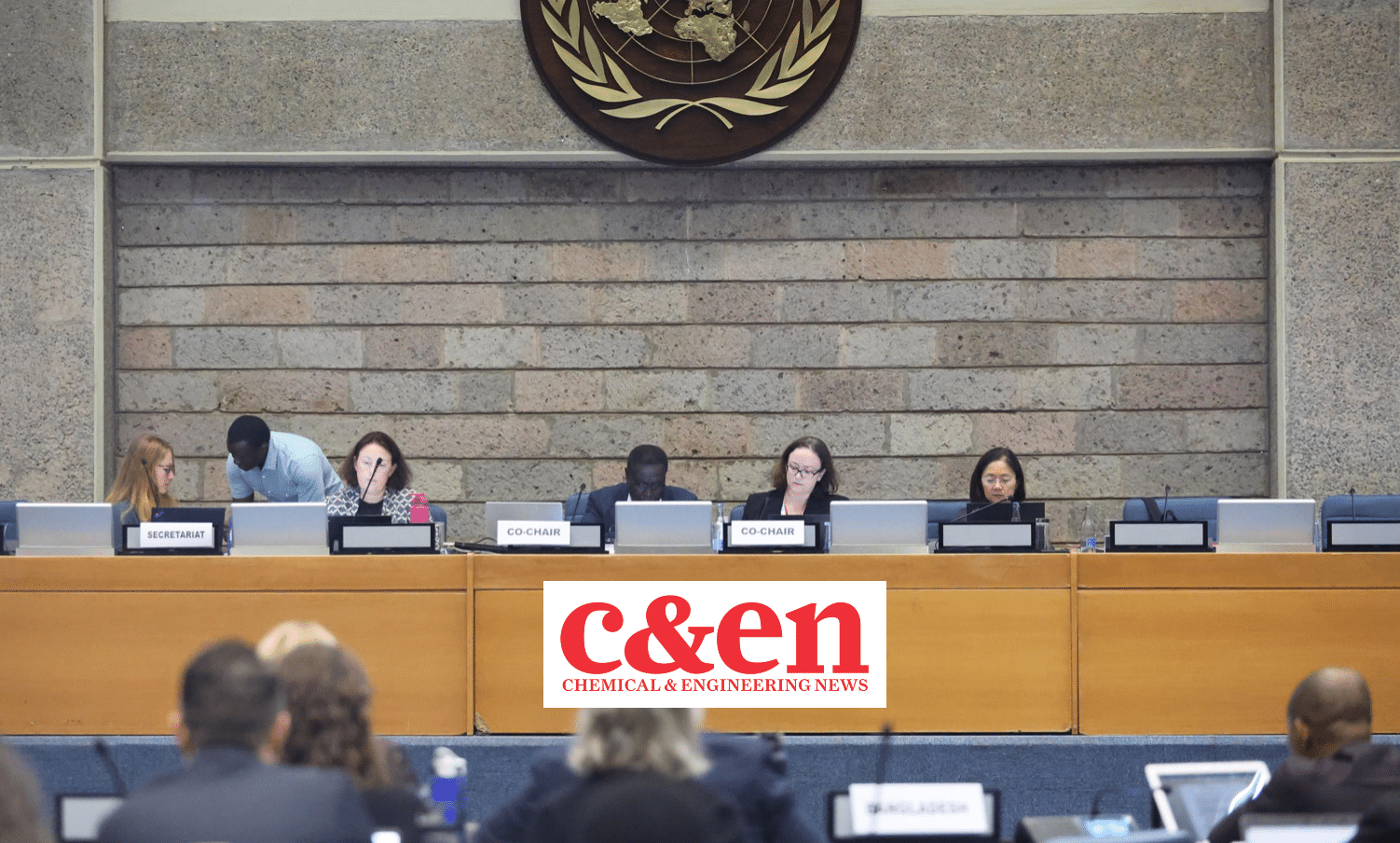
To address the issue, the UN Environment Programme (UNEP) started working in 2022 on a global treaty to end plastic pollution. The goal is to create a legally binding agreement that addresses the impact that plastic pollution is having on human health and the environment, defines ways to reduce this impact, and resolves to initiate these measures on a global scale. On April 23, the fourth of five meetings to negotiate such a treaty starts in Ottawa, Ontario.
UNEP released the revised zero draft in late December. The formerly 31-page document had ballooned to 69 pages. Now the task at INC-4 is to get to a first draft of the treaty. Luis Vayas Valdivieso, chair of the INC and Ecuador’s ambassador to the UK says he doesn’t see INC-3 as a failure. “We had a rich and constructive discussion at INC-3, and we need to pick that up from day 1 at INC-4,” he says.
However, some experts are still antsy about the plastic treaty’s progress. “We’re about two to maybe three INCs behind. We should already have frameworks around articles of controls that we are negotiating,” says Björn Beeler, international coordinator for the International Pollutants Elimination Network (IPEN), an advocacy group. “We’re still having an argument around plastic waste, or life cycle.”

The INC-4 meeting is where the treaty text really has to be clarified, Beeler says: not only the details of the text, but what intersessional work will happen after to get to the next hurdle. “We need to further develop the content of the controls and means of implementation for INC-5,” he says. “This will be a very, very hard fight.”
Read the full story from Chemical and Engineering News.
 English
  简体中文
简体中文  Français
  Bahasa Indonesia
  Русский
  Español
  العربية
  Shqip
Shqip  Հայերեն
  Azərbaycan dili
  Беларуская мова
  Български
  Cantonese
  Hrvatski
  Čeština
  ქართული
  Deutsch
  Ελληνικά
  हिन्दी
  Қазақ тілі
  한국어
한국어  Кыргызча
  Bahasa Melayu
  नेपाली
  Português do Brasil
  Kiswahili
  Svenska
  Tagalog
  தமிழ்
தமிழ்  ไทย
ไทย  Українська
  Tiếng Việt