




Toxic Threats Throughout the Plastics Life Cycle
Disposal and Plastic Recycling
Recycling Plastics = Recycling Toxic Chemicals
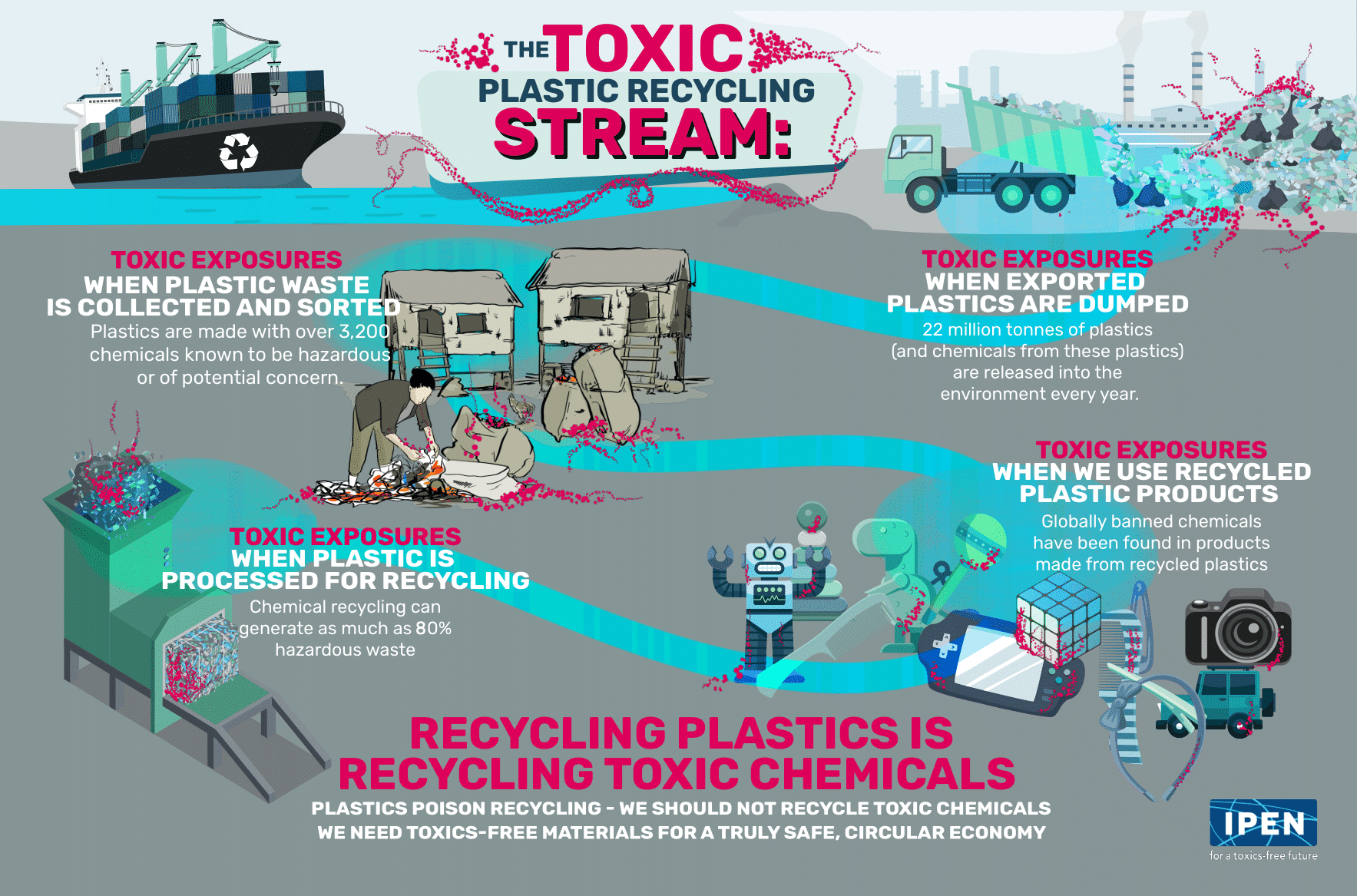
Plastics are made with toxic chemicals that can cause cancer, infertility, and other serious conditions. People are exposed to these toxic chemicals through the life cycle, including through the plastic recycling chain: by plastic recycling technologies, when they use recycled plastic products, and when recycled plastic becomes plastic waste.
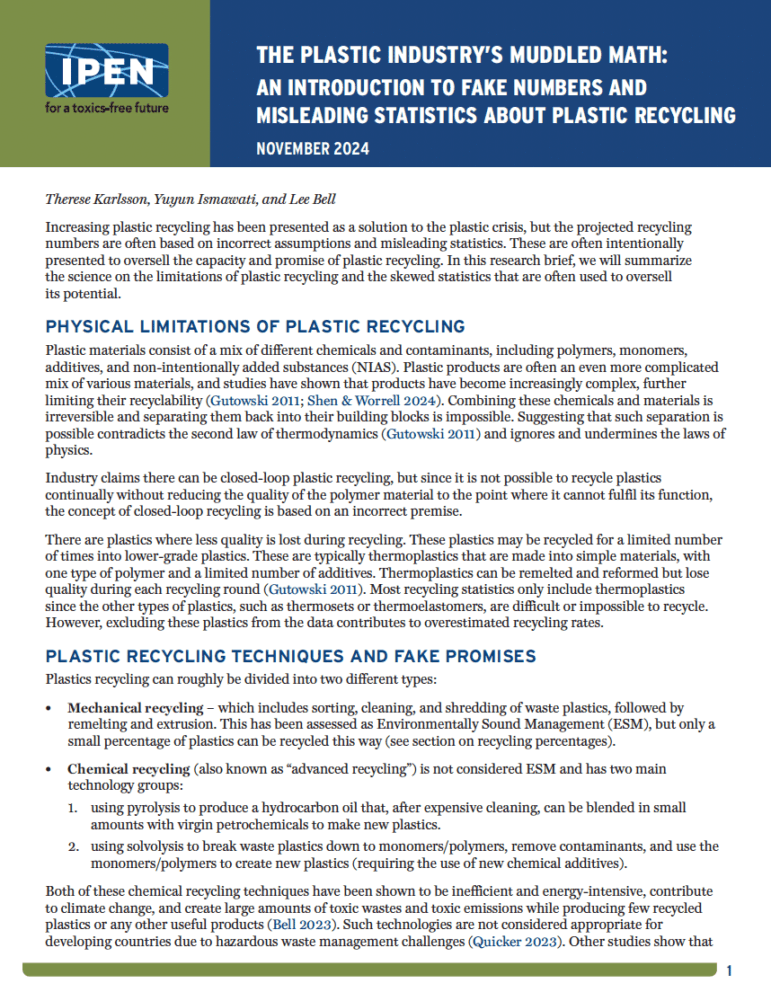
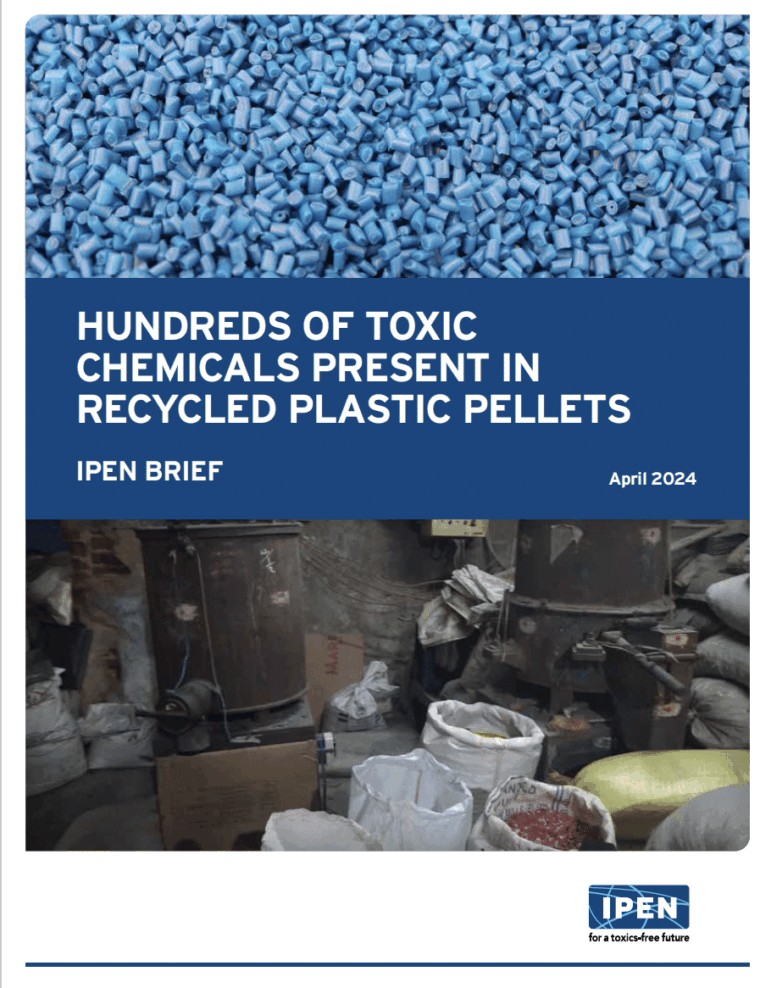
There is no “magic box” where plastics made with toxic chemicals go in and safe materials come out. When plastics are recycled toxic chemicals are combined and new harmful chemicals are formed, and this toxic stew ends up in the recycled product. See the Greenpeace report “Forever Toxic,” featuring several IPEN studies on plastic recycling.
Plastics poison people and pollute the planet
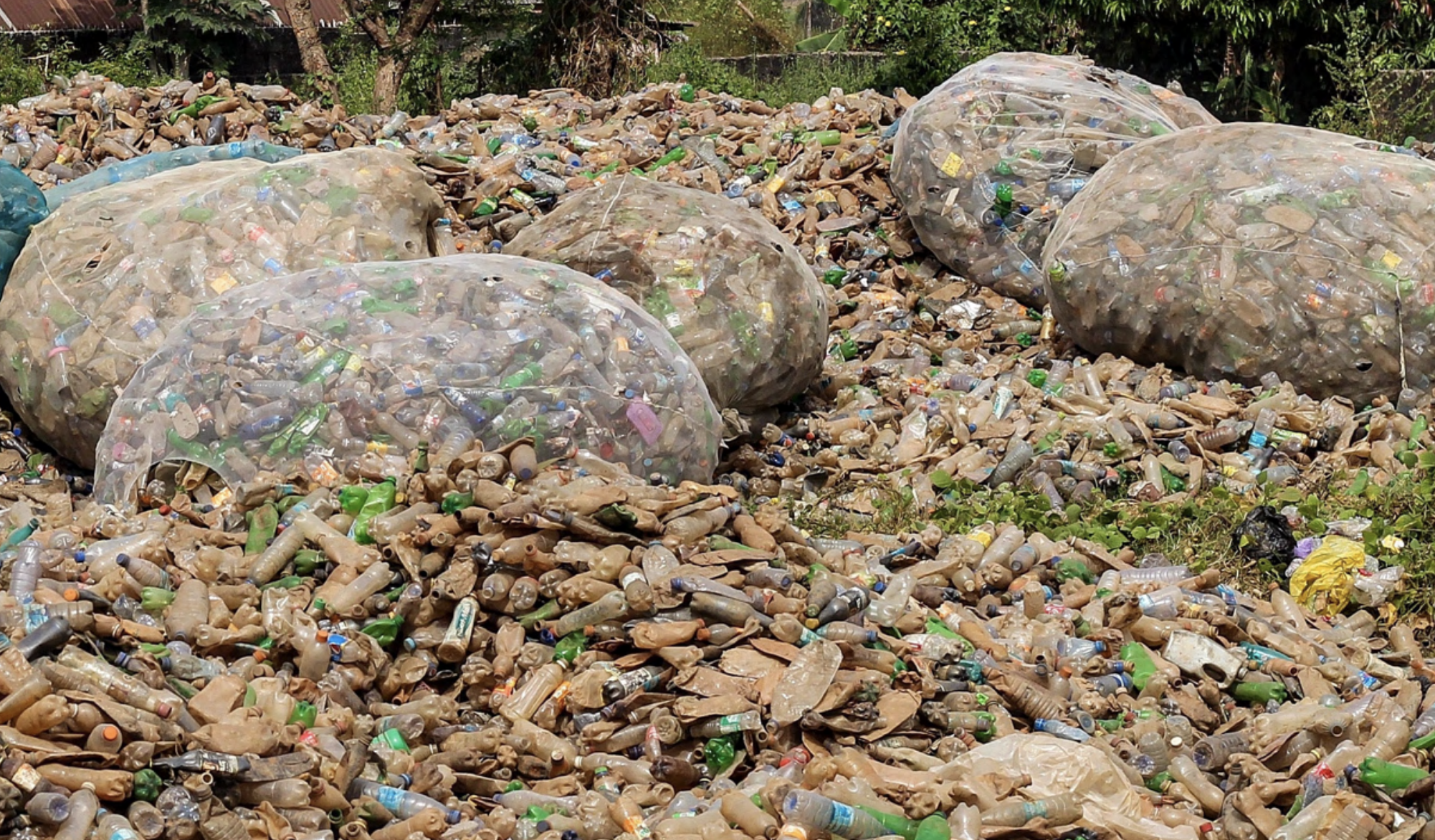
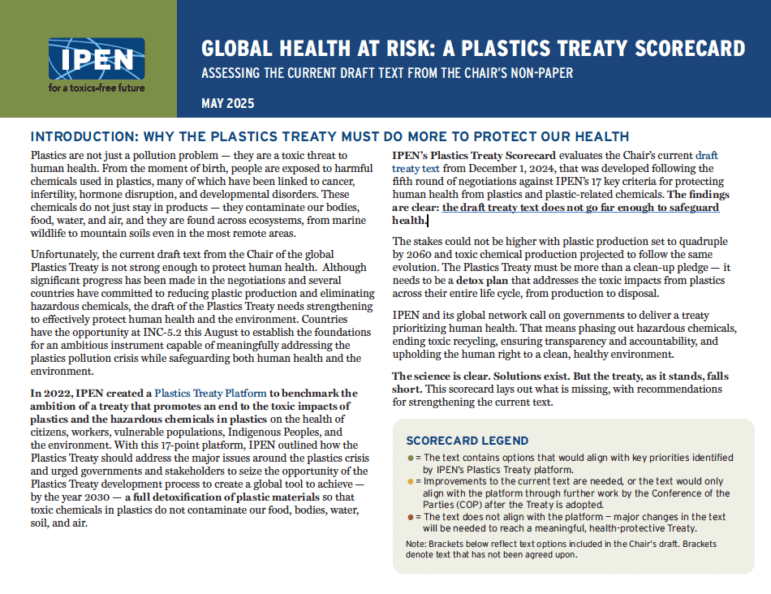
Plastics poison recycling. We should not recycle toxic chemicals that poison our bodies and pollutes our air, water, and foodMost plastics are not designed to be recycled, and 90% of all the plastic waste ever produced has been dumped in landfills or incinerated, with only 9% recycled.
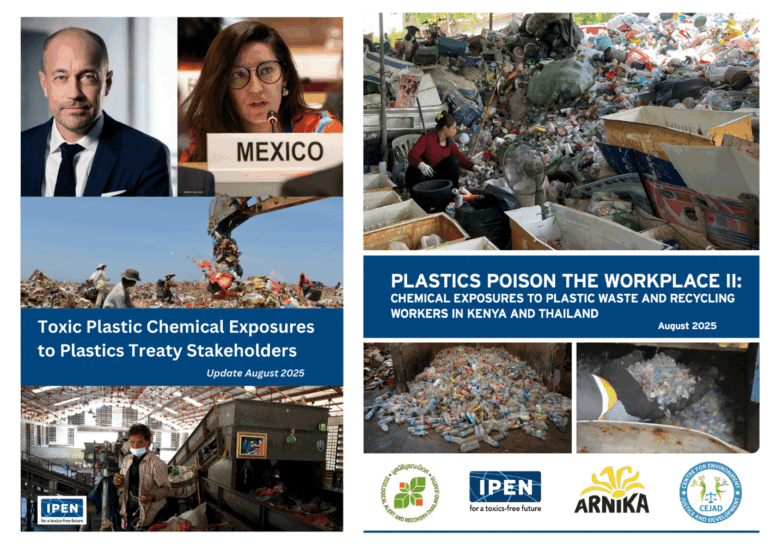
See reports showing threats from plastic recycling to communities, consumers, and waste workers. And learn more about how waste incineration drives the triple planetary crisis.
Toxic exposures throughout the plastic recycling stream
Throughout the recycling process, plastics release toxic chemicals that threaten our health and the environment.
Export, collection, and sorting
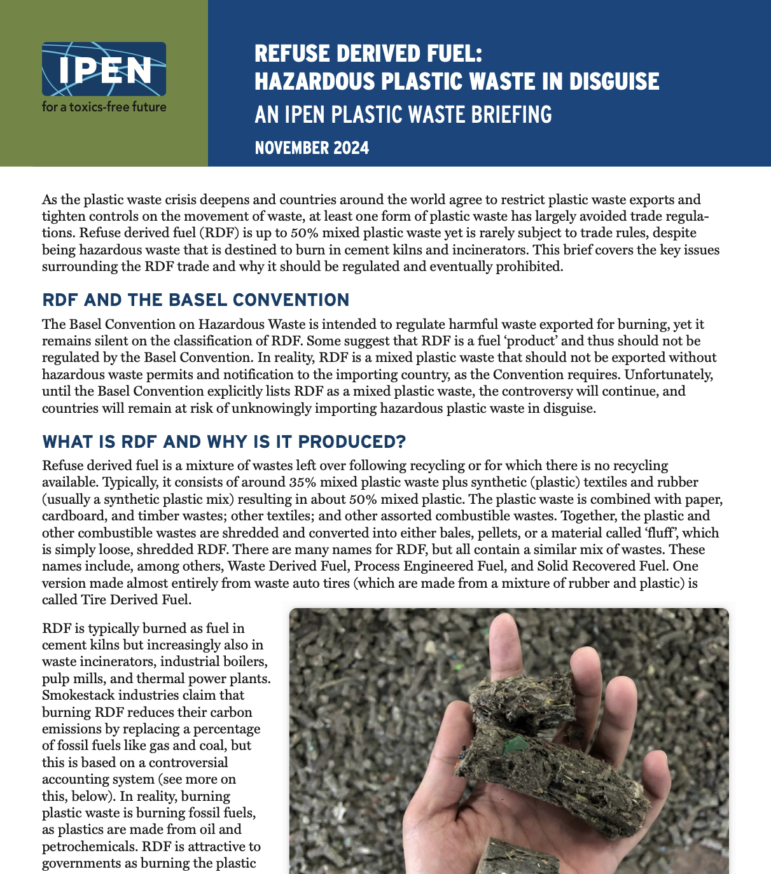
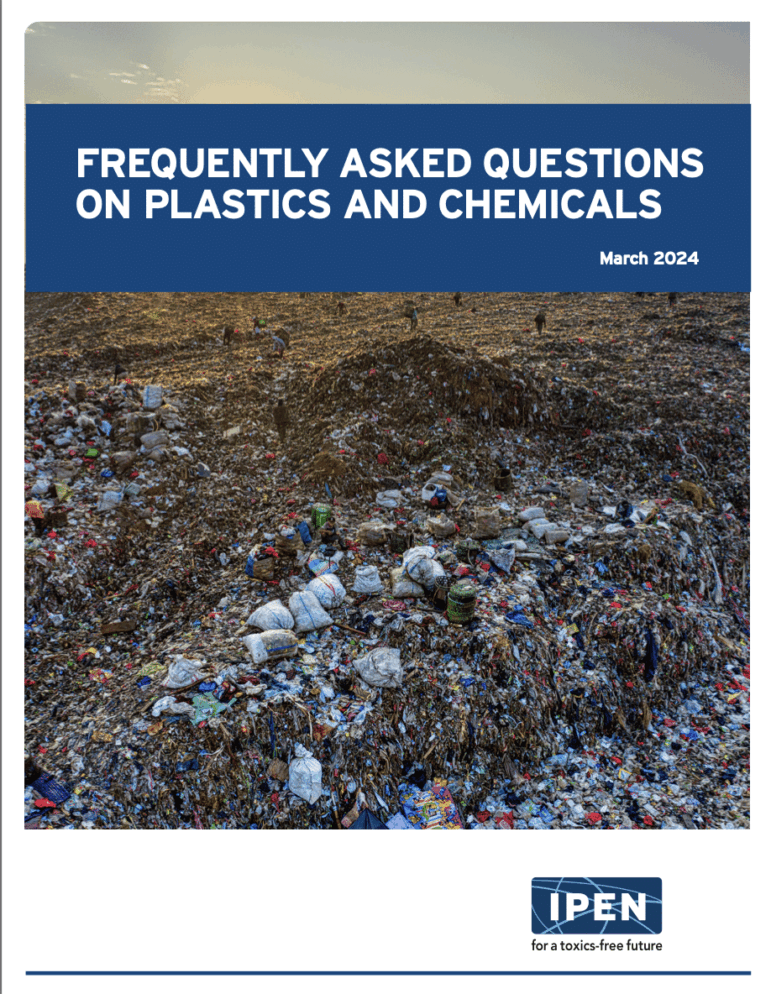
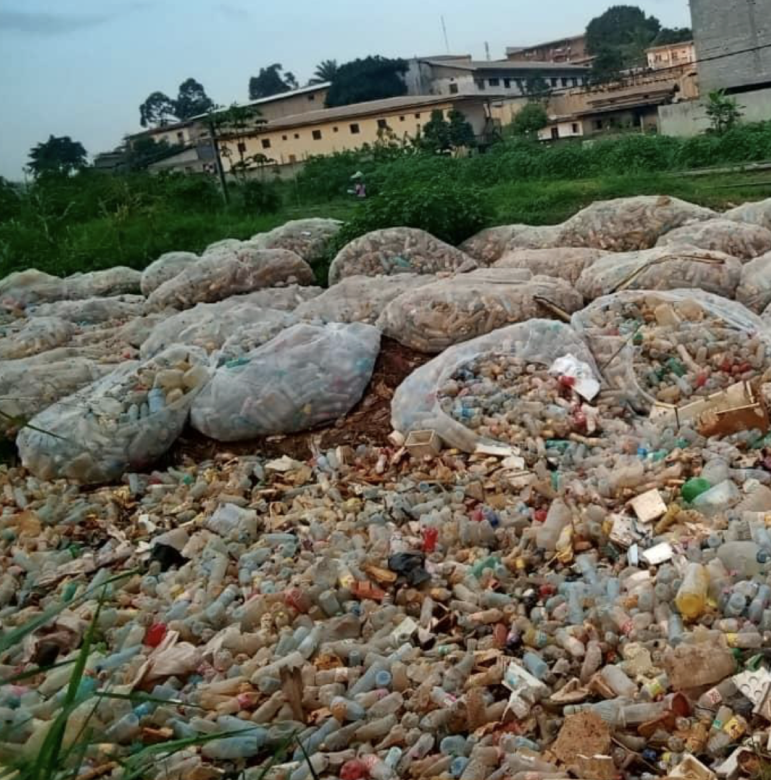
Plastics exported under the guise of recycling are often dumped or burned, leading to chemicals from plastics poisoning the environment and food chain. This means that waste workers and their communities are exposed to toxic chemicals when plastics for recycling are collected and sorted.
Processing
Recycled Products
Plastic recycling and waste pickers’ health
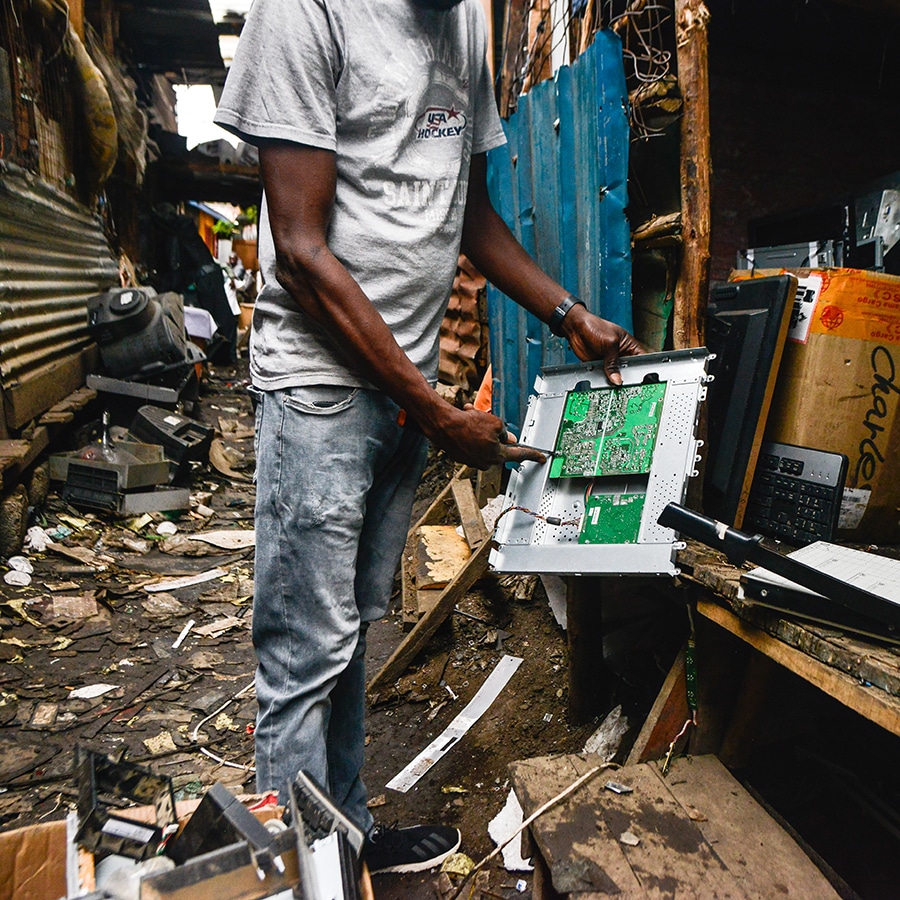
Gathering and sorting plastics safely is important, and it’s especially important to protect waste workers from toxic chemicals in plastics that lead to health threats and contaminate their communities.
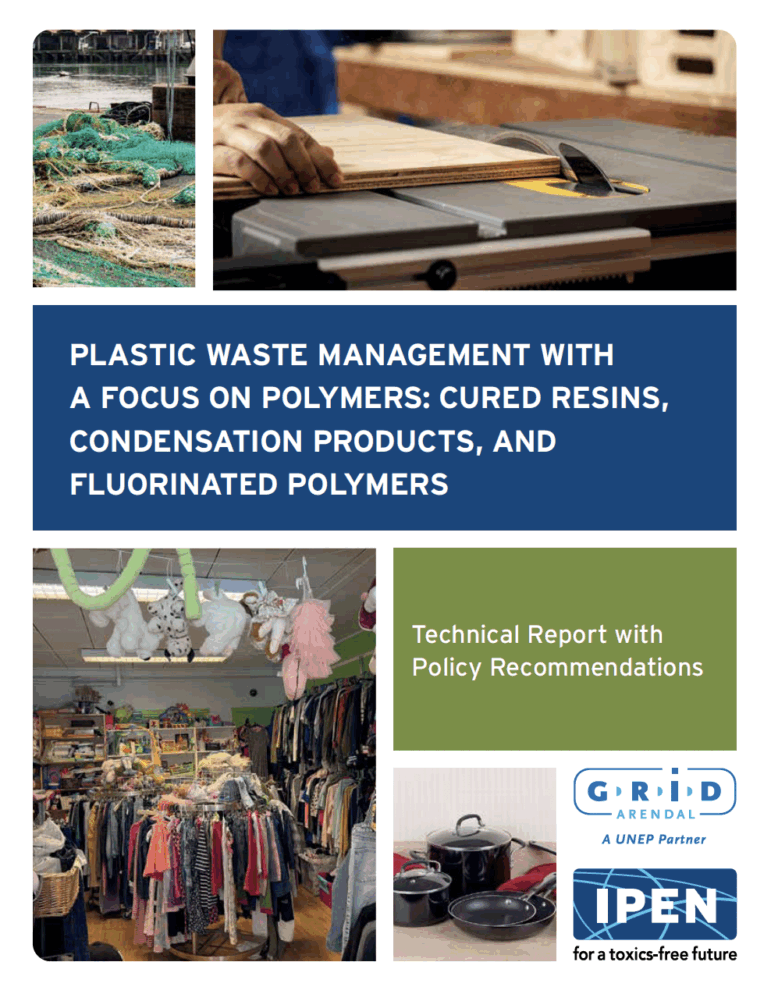
But while waste workers collect massive amounts of plastics, a very small amount of the collected plastics are ever recycled – instead plastics containing toxic chemicals are dumped or burned, and recycled plastic products contain toxic chemical mixtures that threaten consumers’ health. Because plastic recycling results in recycling toxic chemicals that poison workers, communities, and consumers, IPEN rejects the plastics industry’s campaign to push recycling as the solution to the plastics crisis. Instead, we call for reducing plastic production and focusing on producing safer, toxics-free materials. Learn more in IPEN’s “Plastic Waste Management” report.