


IPEN’s Role: Tackling Toxic Plastics

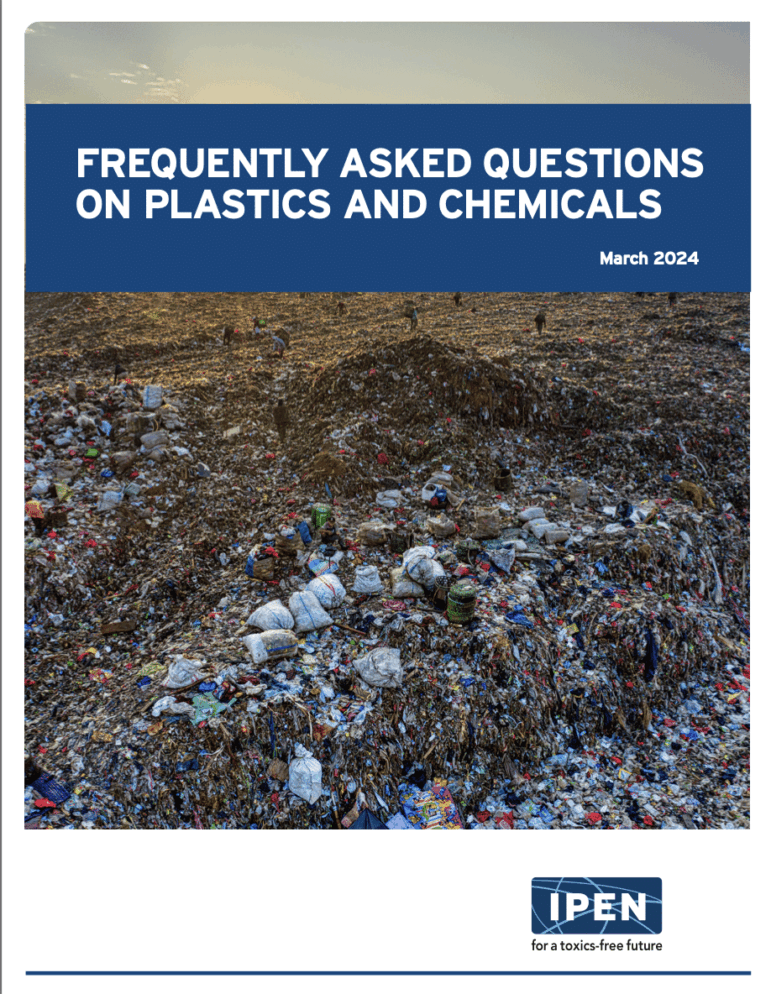
In 2022, the UN Environment Assembly passed a resolution calling for a global Plastics Treaty. By that time, IPEN and its members had been working for almost two decades producing scientific studies and conducting policy advocacy to document and address the increasing plastics crisis.

See IPEN’s Plastics Map visualizing 20+ years of studies and policy analyses on toxic plastics.

IPEN's Global Actions to End Toxic Plastics

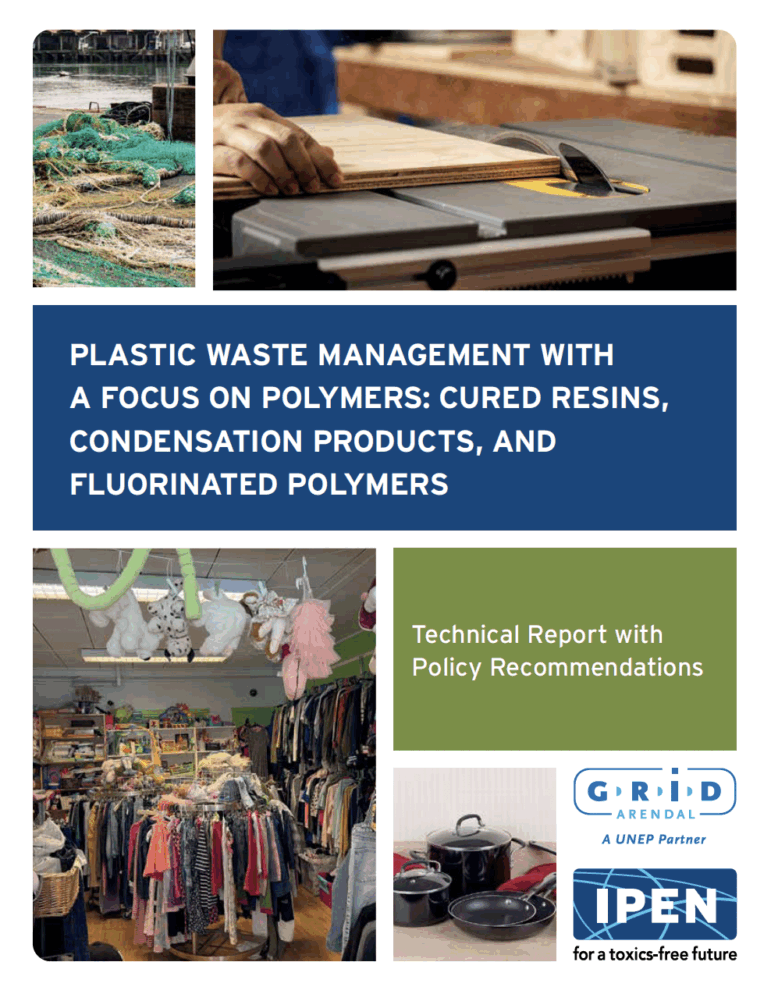
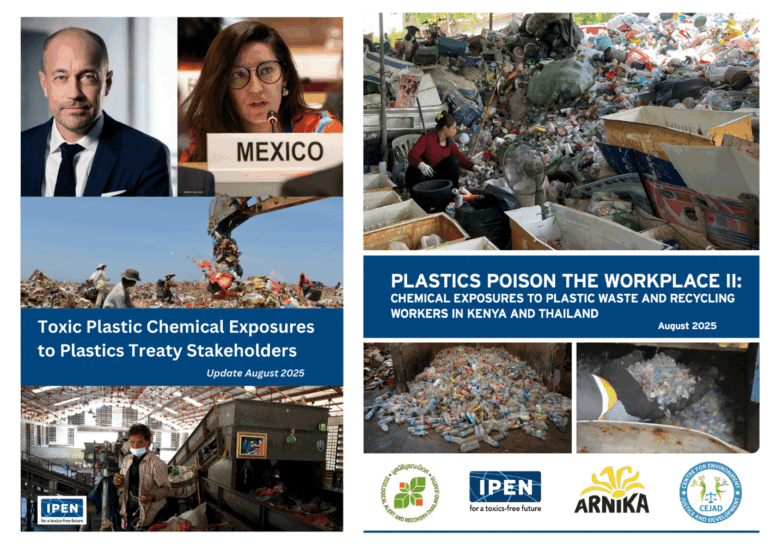
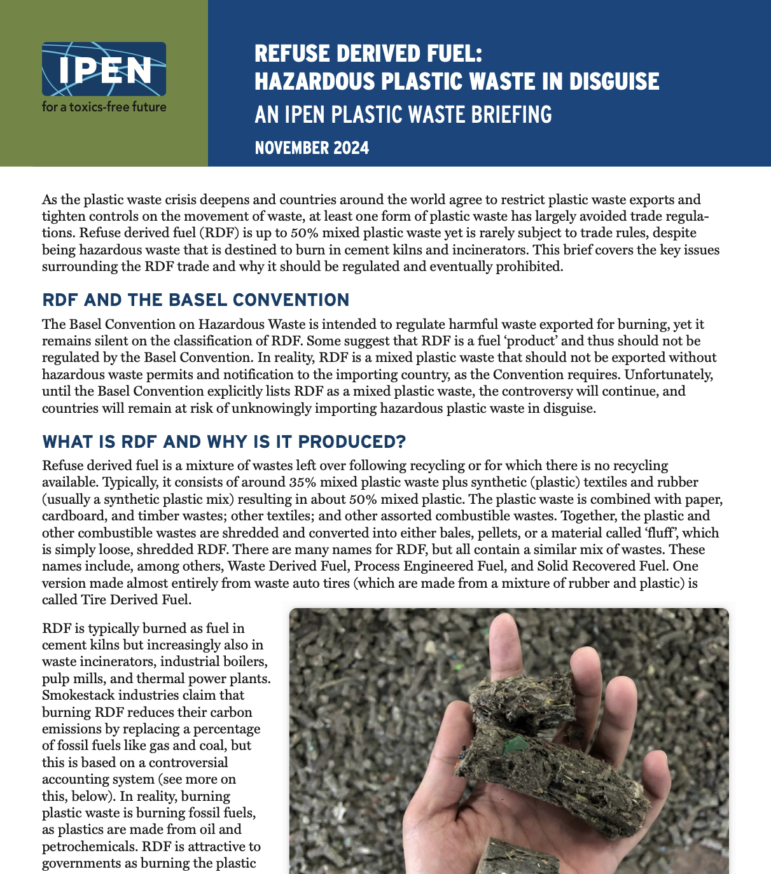
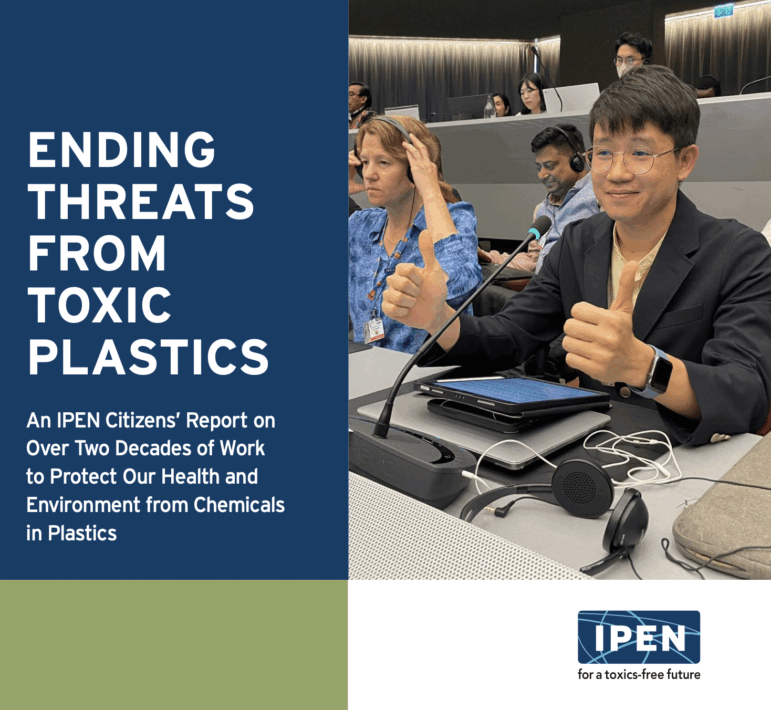
For more than 20 years, IPEN and our global members have produced original science, country-based data, and policy proposals to end the health and environmental threats from plastics. We’ve produced more than 135 publications in more than 85 countries, which are visualized in our new map.
 
Explore the map and find research and resources from your country or region. For the best experience, we recommend viewing the map on your desktop.

Вибране відео

IPEN: Exposing Invisible Threats from Toxic Plastics

See webinar recordings, short videos, and animations describing problems with toxic plastics.

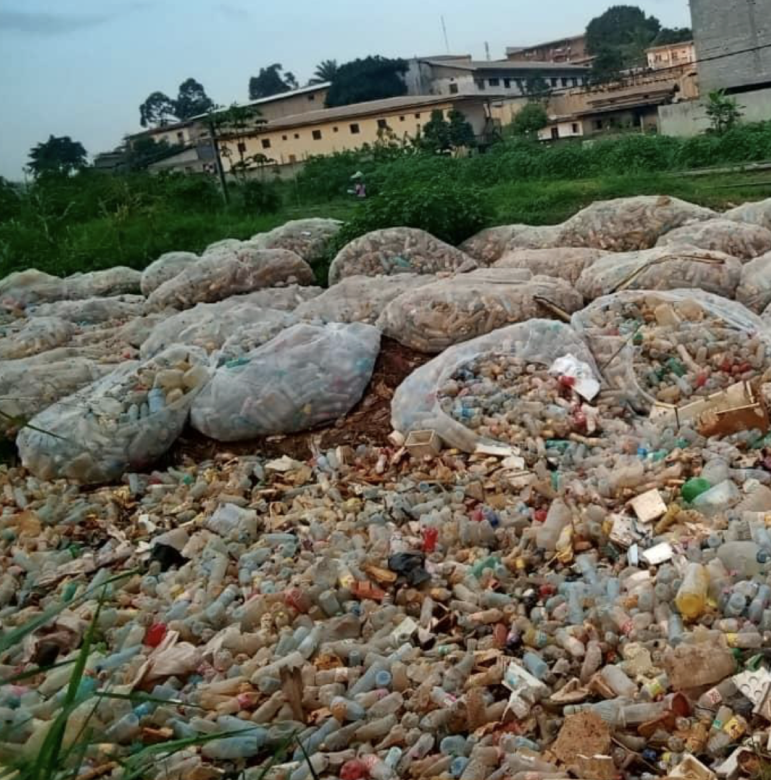
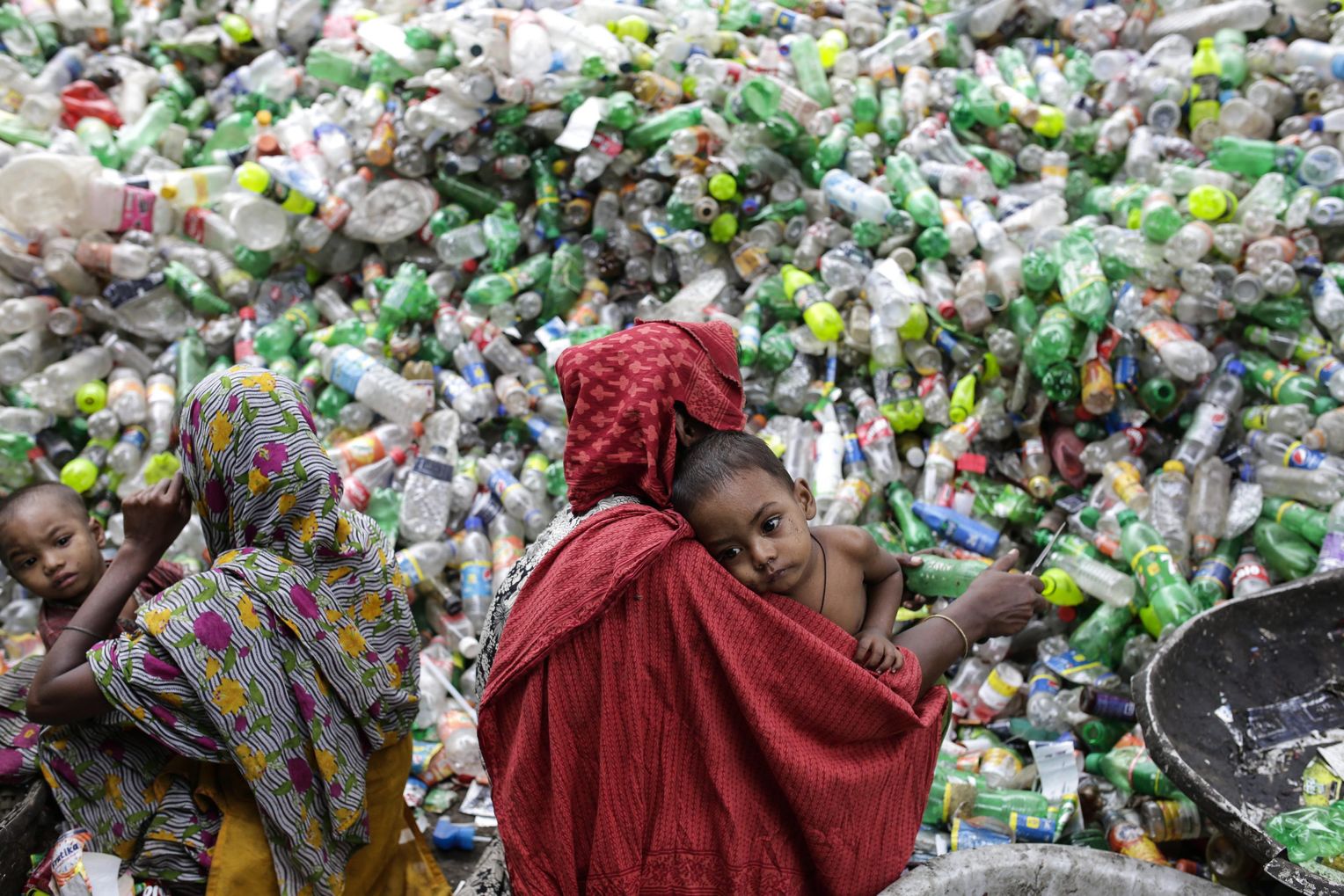
Following a decade of conducting studies to expose threats from plastic products, transport, and waste disposal, in 2018, IPEN came into the Basel Convention ready to fight the trade in plastic waste. The Convention’s discussions followed the 2017 decision by China to close its borders to the plastic waste trade, leaving a major hole to fill for nations wanting to dump their waste overseas. With a dedicated team at the negotiations, IPEN and a broad coalition welcomed an agreement to include plastic waste under the Convention’s guidance, meaning most plastic wastes could no longer be exported for burning or landfills. 

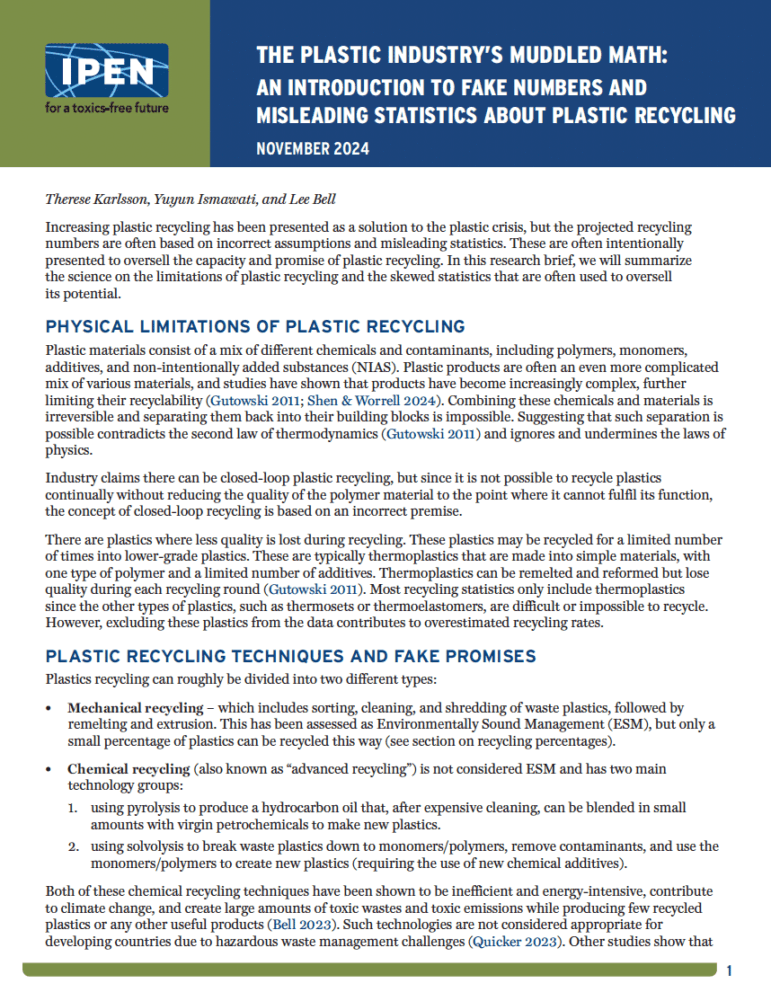
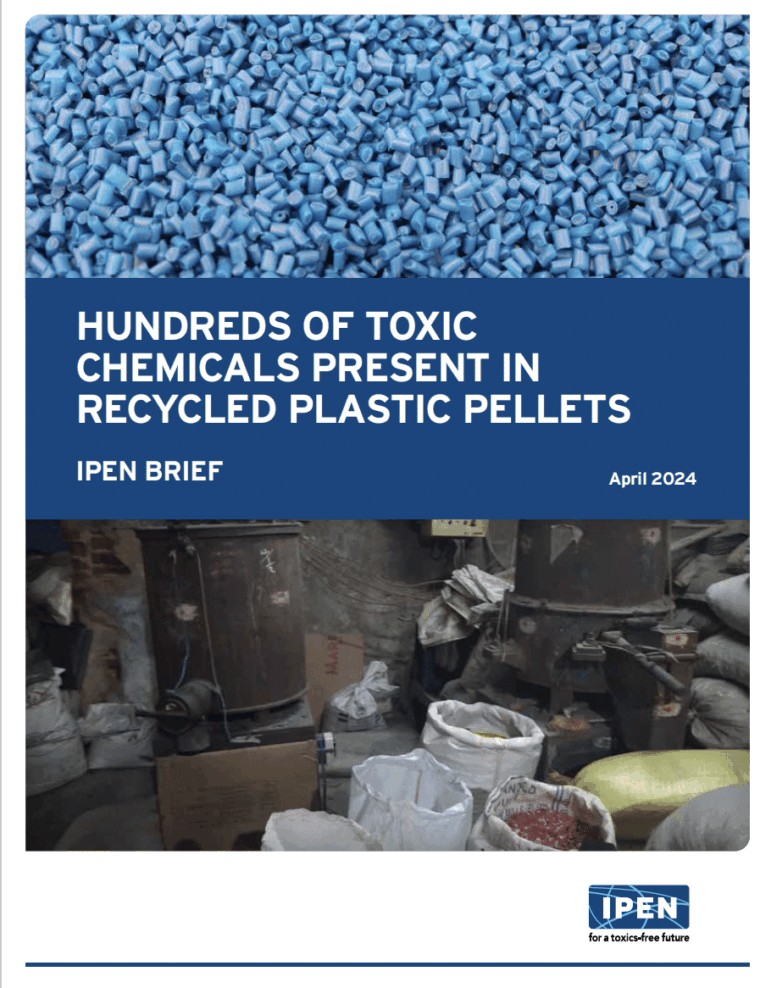
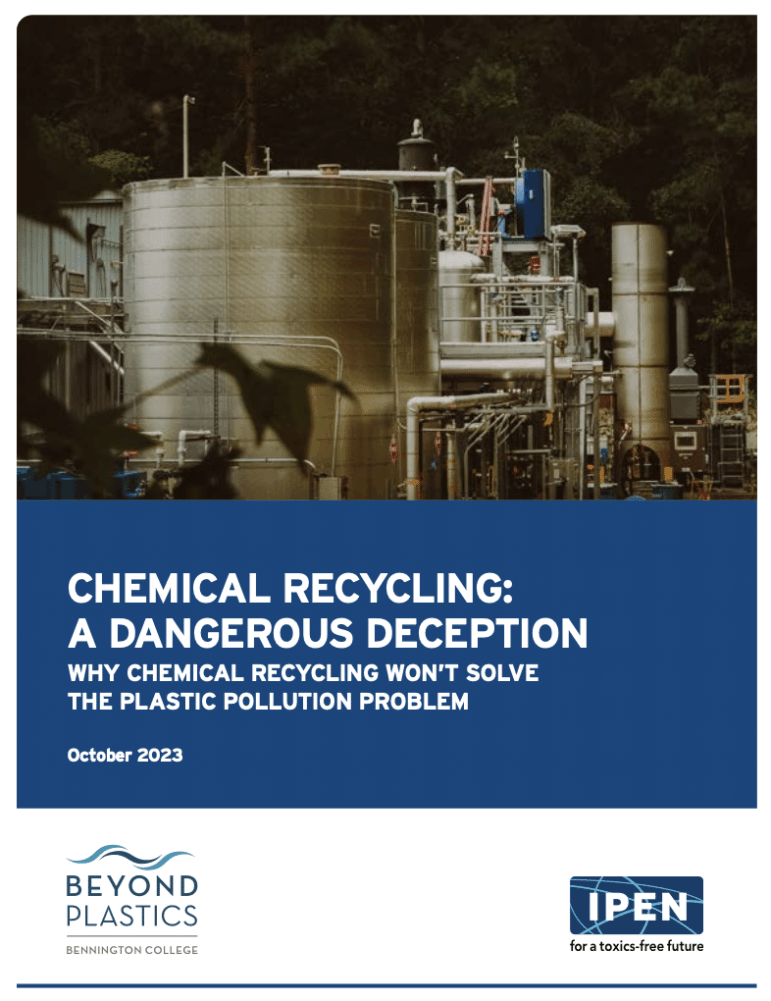
This effort marked the beginning of IPEN’s toxic plastics campaign. Soon after, a series of IPEN reports exposed threats from plastic recycling. The reports were critical in influencing the EU and Canada in 2020 to end recycling of plastics that contain globally banned chemicals. This was the first acknowledgment by major governments that recycling plastic is not a harmless practice, as it re-circulates toxic chemicals into new products.

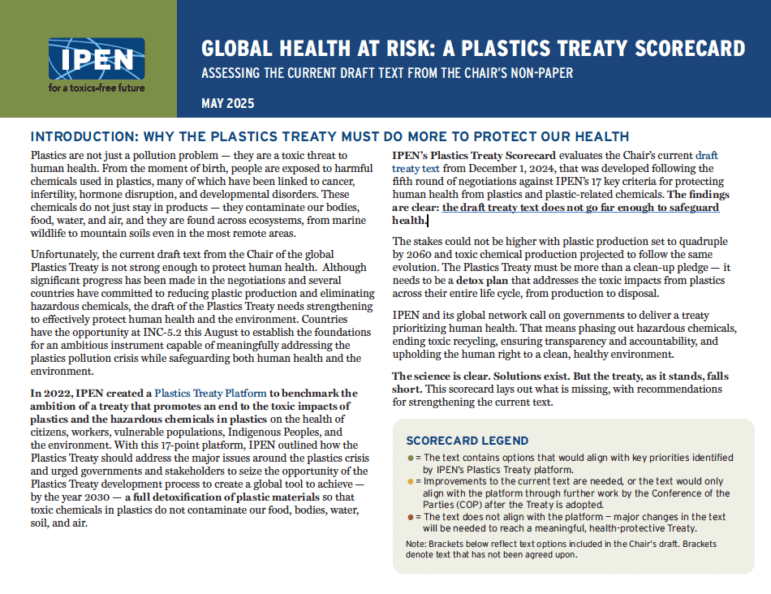
In 2022, IPEN succeeded in shifting the plastics crisis narrative from a pollution problem that can be solved by more recycling to establishing plastics as a toxic material that threatens public and environmental health. In March 2022 when the UN Environment Assembly agreed on the need for a Plastics Treaty, only a few governments mentioned chemicals and health. Just seven months later, at the first Treaty negotiations, over 60 countries formally raised these issues – demonstrating the impact of IPEN’s advocacy.

Публікації

МЕРП (Міжнародна мережа за ліквідацію забруднювачів)
Огляд конфіденційності

Цей вебсайт використовує файли cookie, щоб ми могли надавати вам найкращий користувацький досвід. Інформація про файли cookie зберігається у вашому браузері та виконує такі функції, як розпізнавання вас під час повернення на наш вебсайт та допомога нашій команді зрозуміти, які розділи вебсайту ви вважаєте найцікавішими та найкориснішими.