

At a Glance
Tackling Toxic Trade and Hazardous Waste
The production and use of toxic chemicals leave a legacy of hazardous waste that threatens global health and the environment. IPEN works through the BRS Conventions and for national policies for safer waste disposal, aiming to end threats from the trade in toxic chemicals and hazardous waste. To advance this goal, IPEN supports countries’ right-to-know when harmful chemicals cross their borders and calls for greater transparency around chemical pollutants that threaten health and the environment.
Global and National Action
For more than 25 years, IPEN’s work has uncovered risks from the spread of toxic chemicals and wastes and contributed to global and national policies to promote safer waste disposal and an end to the toxic trade.
У Новинах
Toxic Trade: Spreading Chemicals and Waste Globally
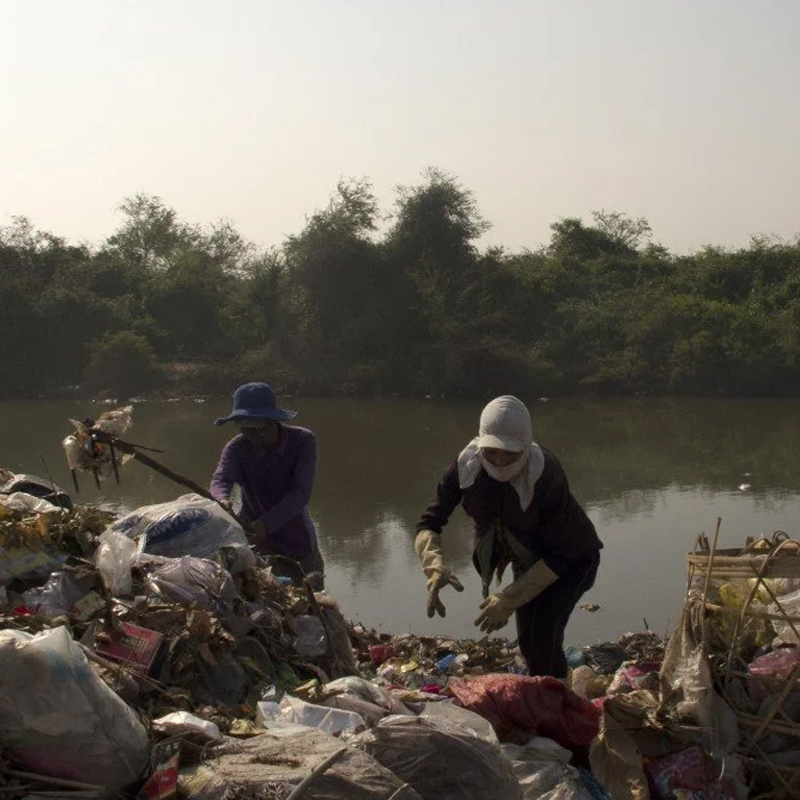
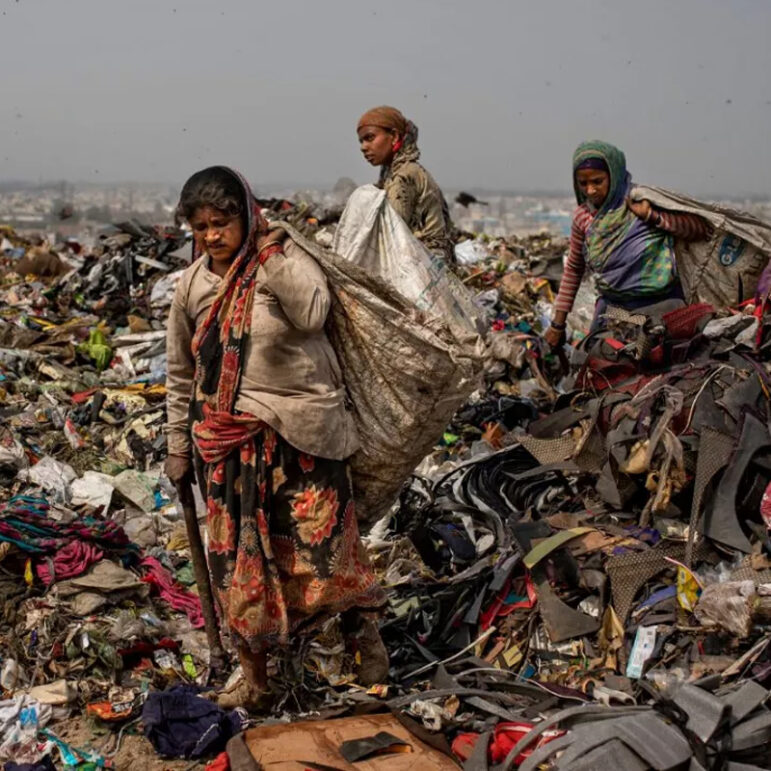
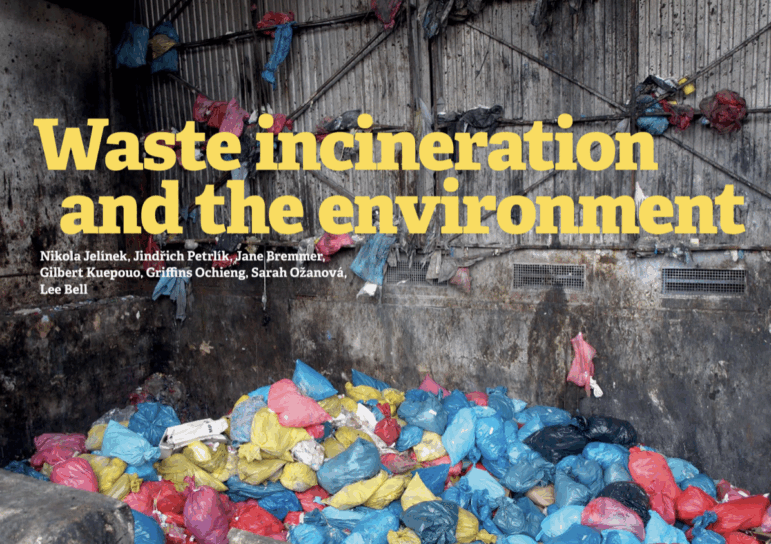
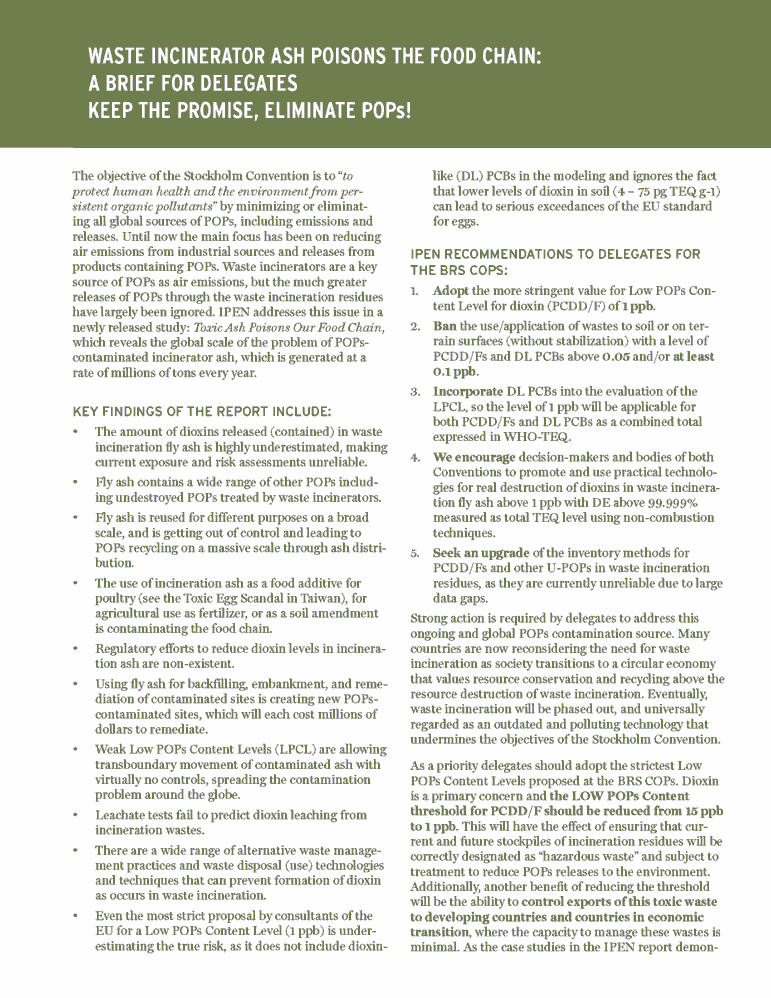
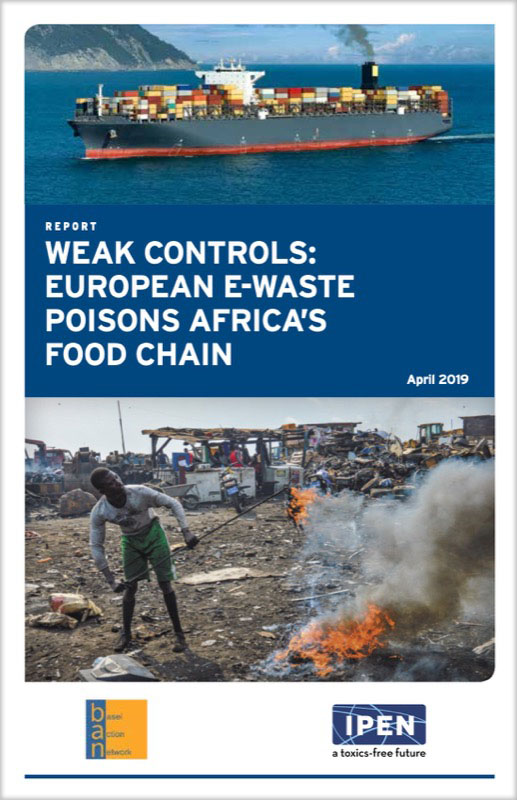
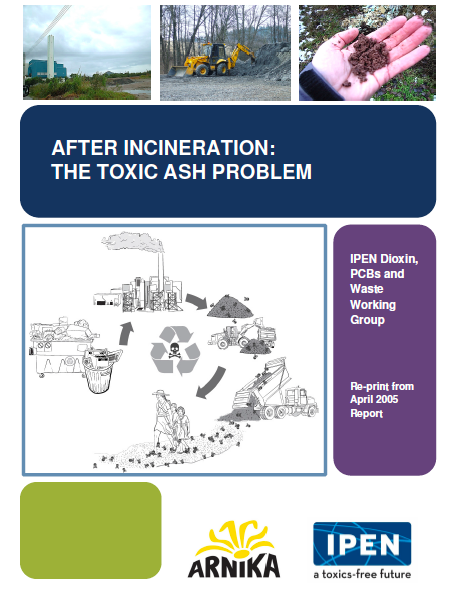
IPEN contributes to global environmental agreements and national policy development to end threats to health and the environment from toxic trade and hazardous waste and advocates for enforcement of a global ban on the toxic waste trade. IPEN members from five continents have documented risks from waste incineration and landfills, testing free-range chicken eggs collected near these waste disposal sites for toxic chemicals. IPEN also calls for the use of non-combustion technologies as safer alternatives to burning waste.
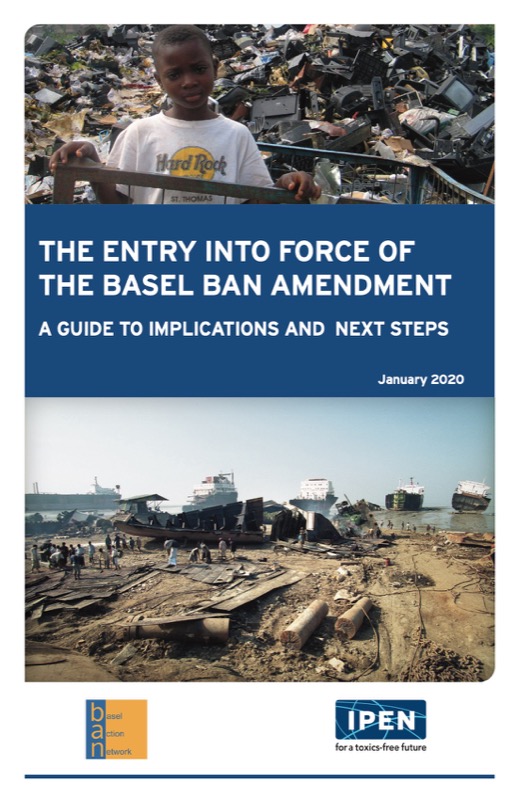
Transparency in trade is lacking, and double standards are ongoing, in which some countries restrict the use of toxic chemicals within their borders but continue to export those chemicals, threatening the health of people in recipient countries. IPEN advocates for stronger controls, greater transparency, and works to expose and end these dangerous double standards.
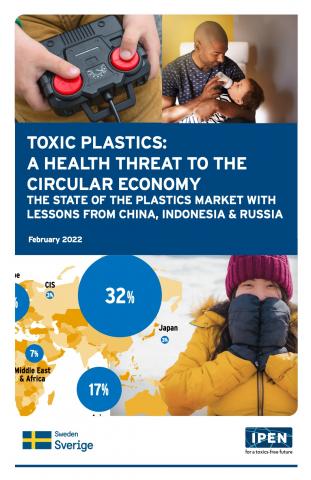
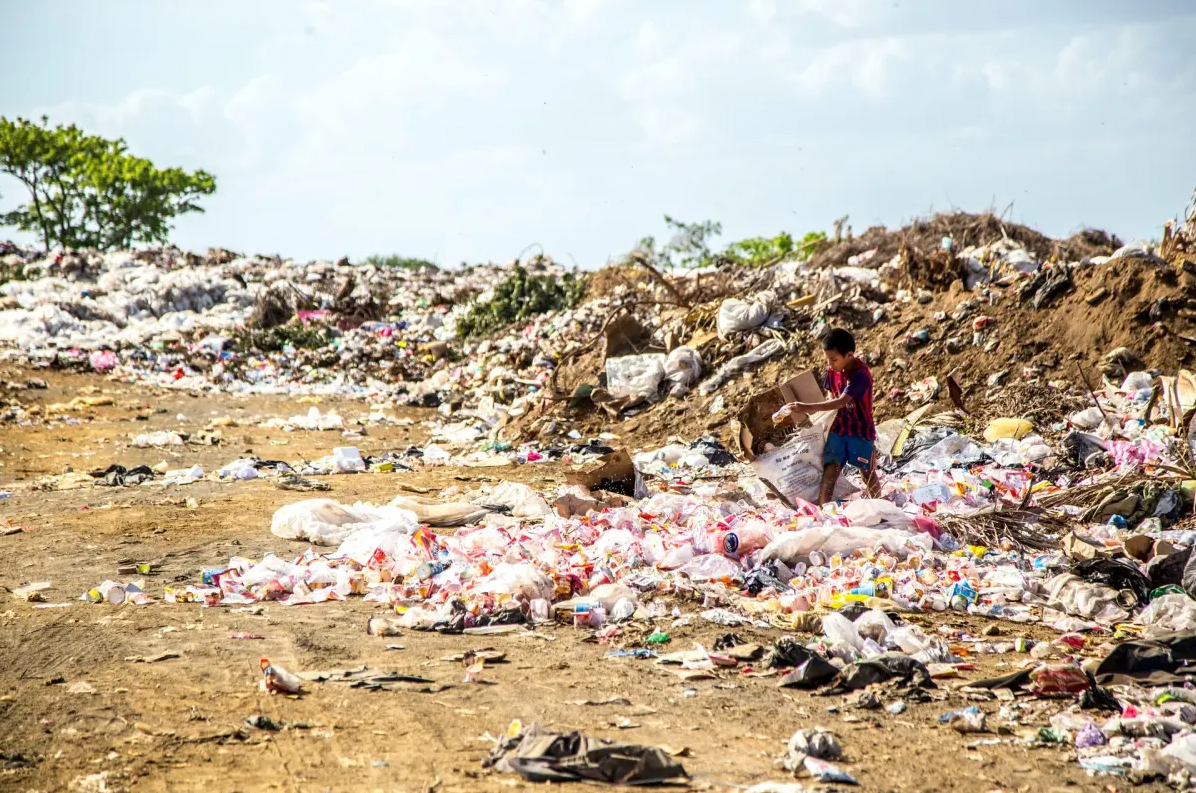
As plastics production escalates, the plastic waste trade is growing, including exporting plastic waste as fuel. Often referred to as refuse-derived fuels (RDF), IPEN advocates for global classification of RDF as hazardous waste and calls for an end to this dangerous plastic waste trade. IPEN also aims to expose the hidden plastic waste trade and calls for increased transparency to end dumping of waste plastics.
Increase in amount of plastic projected to be produced by 2060, while plastic waste disposal is already a global crisis.
Percent of eggs found with toxic chemicals above EU safety levels in recent IPEN studies
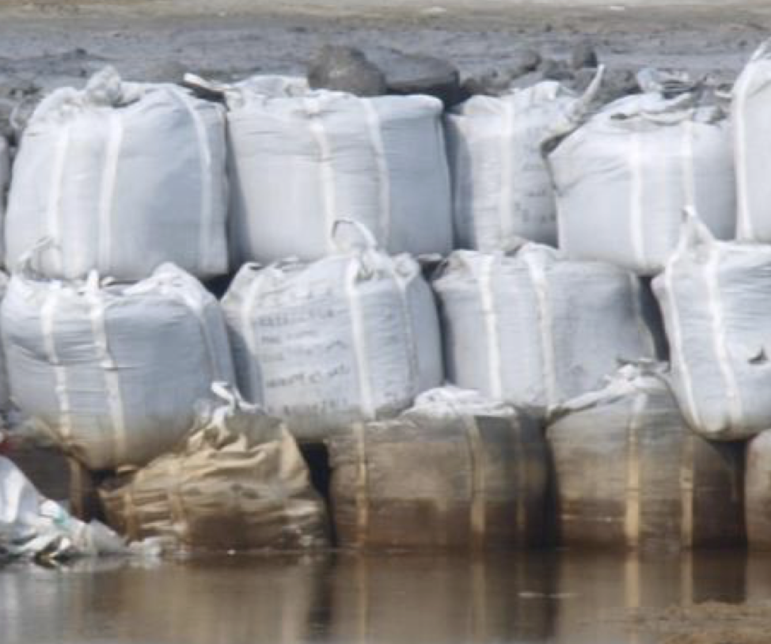
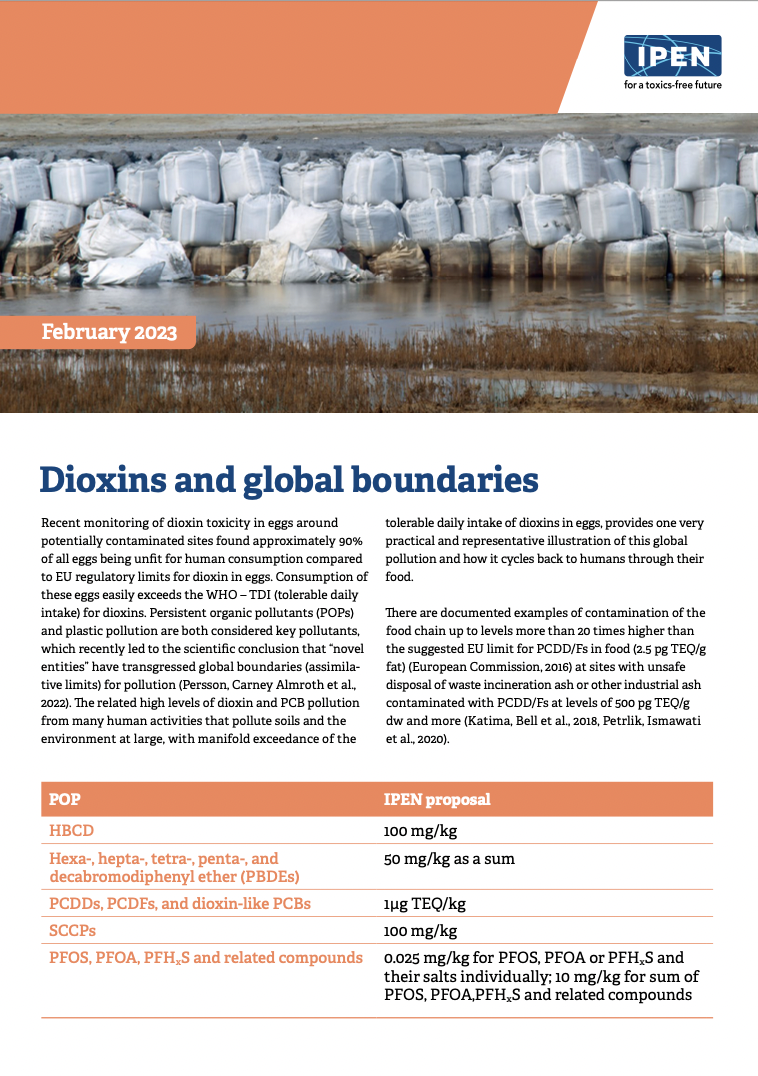
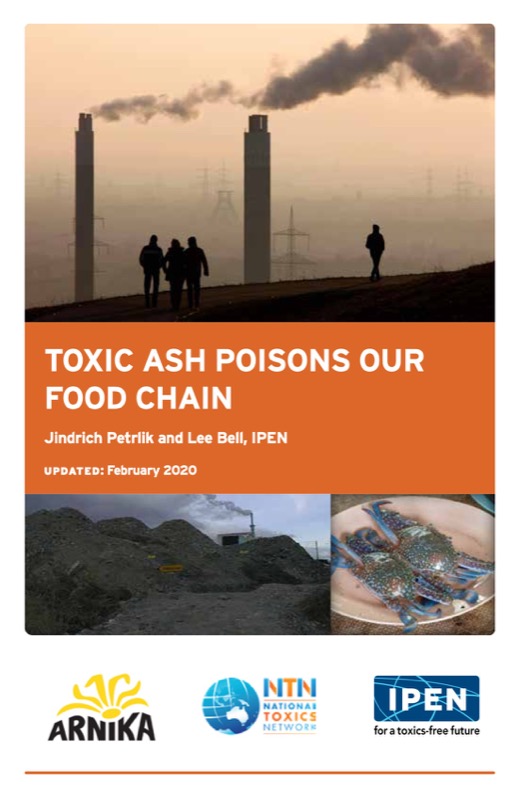
Amount of incinerator ash that could contaminate 7 tons of soil, under current weak standards
IPEN’s Role: Ending Toxic Trade
IPEN has more than 25 years of experience in working to expose and address the legacy of toxic pollution. IPEN members have documented health and environmental threats from chemical facilities and hazardous waste disposal operations, including incinerators, waste dumps, and other toxic sites.
Learn more about IPEN’s history and efforts to identify, expose, and end the toxic trade in hazardous chemicals and waste.