

概览
Tackling Toxic Trade and Hazardous Waste
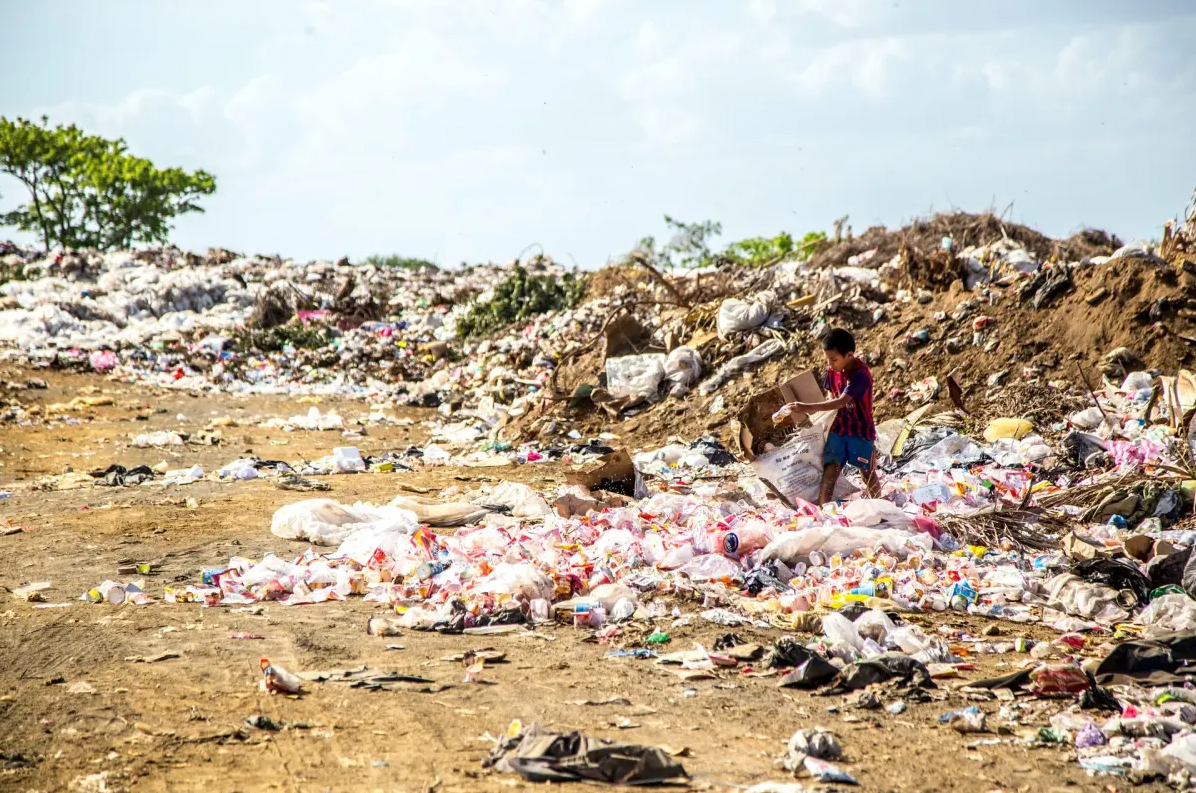
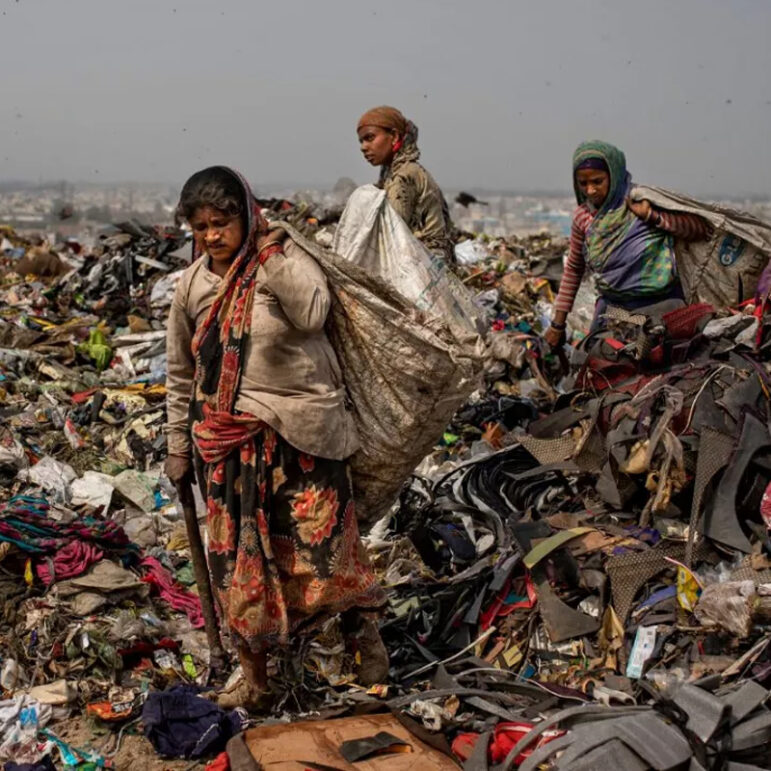
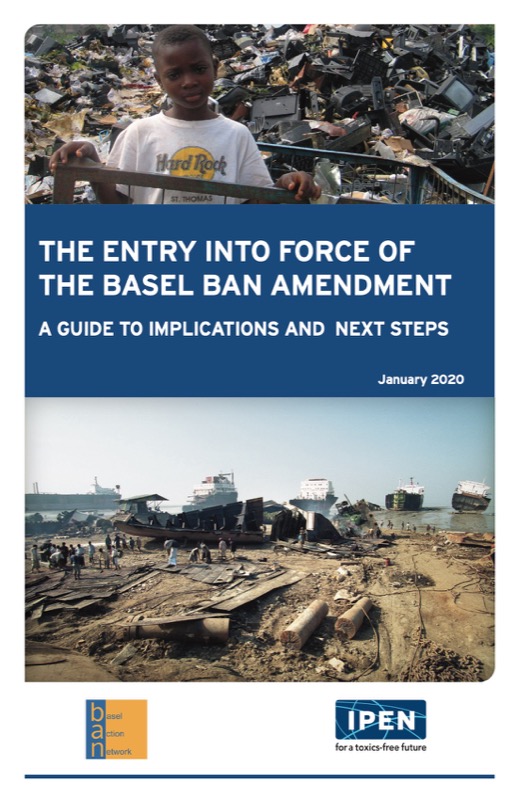
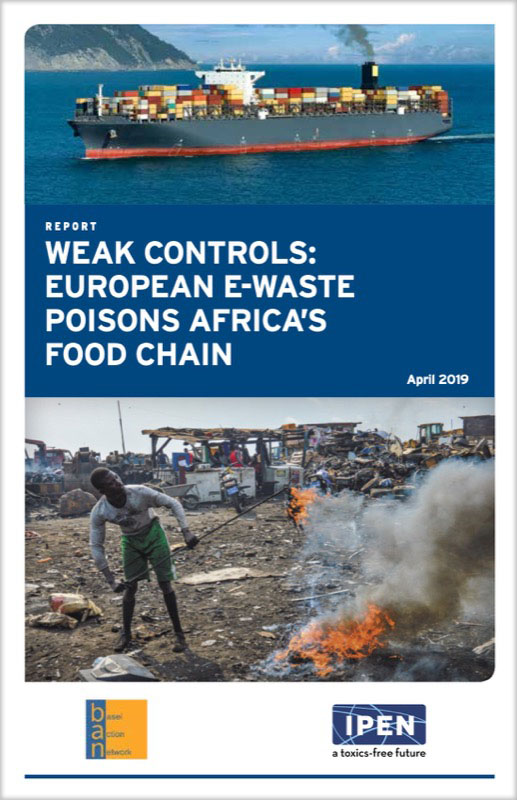
The production and use of toxic chemicals leave a legacy of hazardous waste that threatens global health and the environment. IPEN works through the BRS Conventions and for national policies for safer waste disposal, aiming to end threats from the trade in toxic chemicals and hazardous waste. To advance this goal, IPEN supports countries’ right-to-know when harmful chemicals cross their borders and calls for greater transparency around chemical pollutants that threaten health and the environment.
Toxic Trade: Spreading Chemicals and Waste Globally
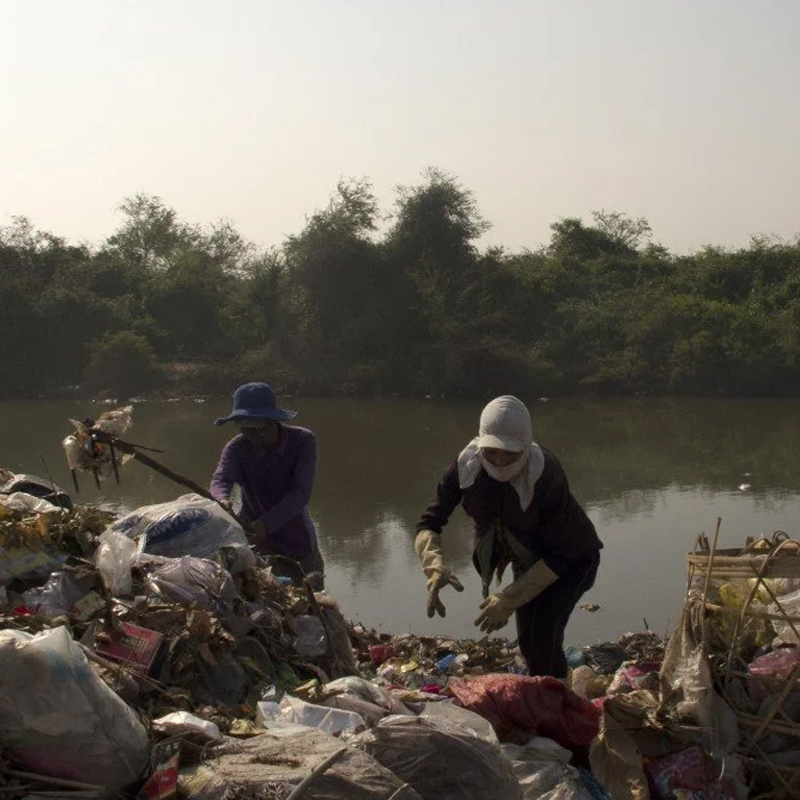
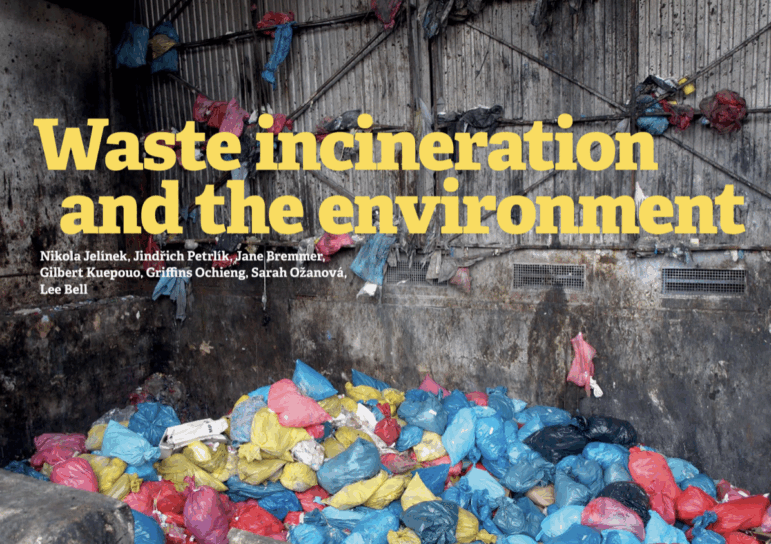
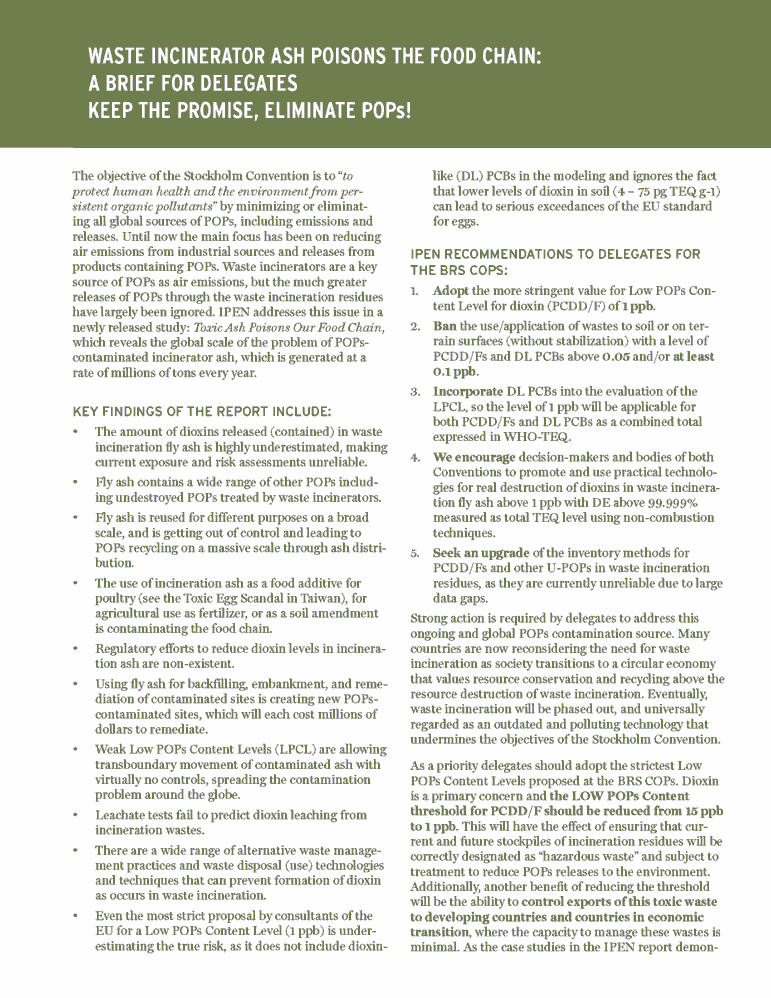
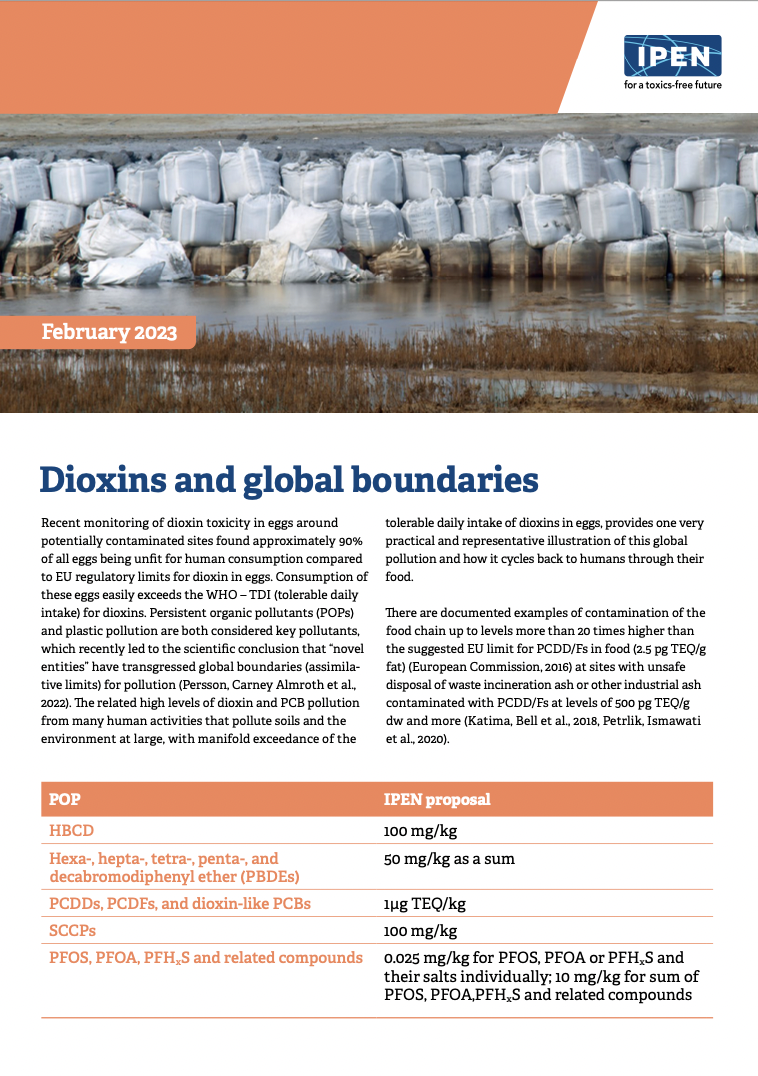
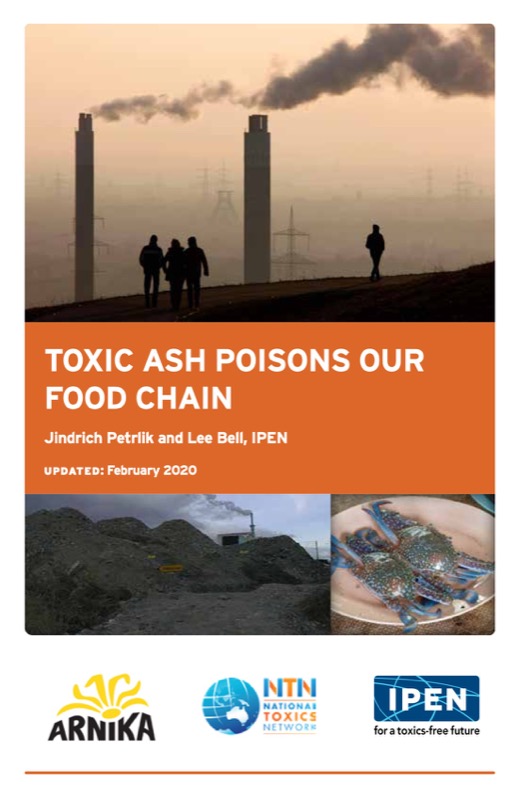
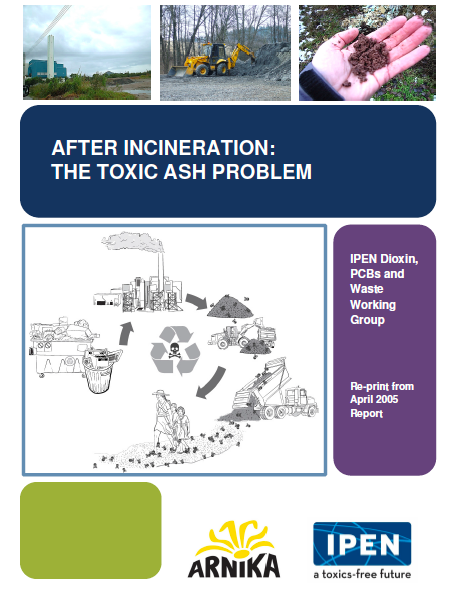
IPEN contributes to global environmental agreements and national policy development to end threats to health and the environment from toxic trade and hazardous waste and advocates for enforcement of a global ban on the toxic waste trade. IPEN members from five continents have documented risks from waste incineration and landfills, testing free-range chicken eggs collected near these waste disposal sites for toxic chemicals. IPEN also calls for the use of non-combustion technologies as safer alternatives to burning waste.
贸易透明度不足,双重标准持续存在,一些国家在国内限制有毒化学品的使用,但却继续出口这些化学品,威胁着接收国人民的健康。IPEN倡导更严格的控制、更大的透明度,并致力于揭露和终止这些危险的双重标准。.
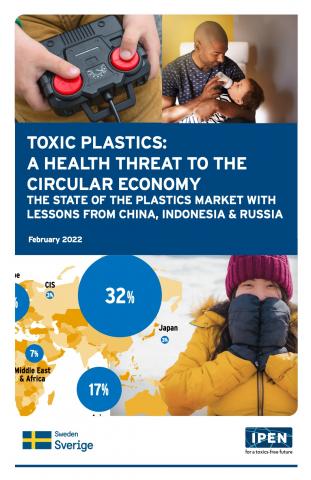
随着塑料产量的不断增加,塑料废物贸易也在不断增长,其中包括将塑料废物作为燃料出口.
Increase in amount of plastic projected to be produced by 2060, while plastic waste disposal is already a global crisis.
Percent of eggs found with toxic chemicals above EU safety levels in recent IPEN studies
当前薄弱标准下,焚化炉灰烬可能污染7吨土壤的量
IPEN 的作用:终结有毒贸易
IPEN has more than 25 years of experience in working to expose and address the legacy of toxic pollution. IPEN members have documented health and environmental threats from chemical facilities and hazardous waste disposal operations, including incinerators, waste dumps, and other toxic sites.
了解 IPEN 的历史及其在识别、揭露和终结危险化学品和废物的有毒贸易方面的努力。.