
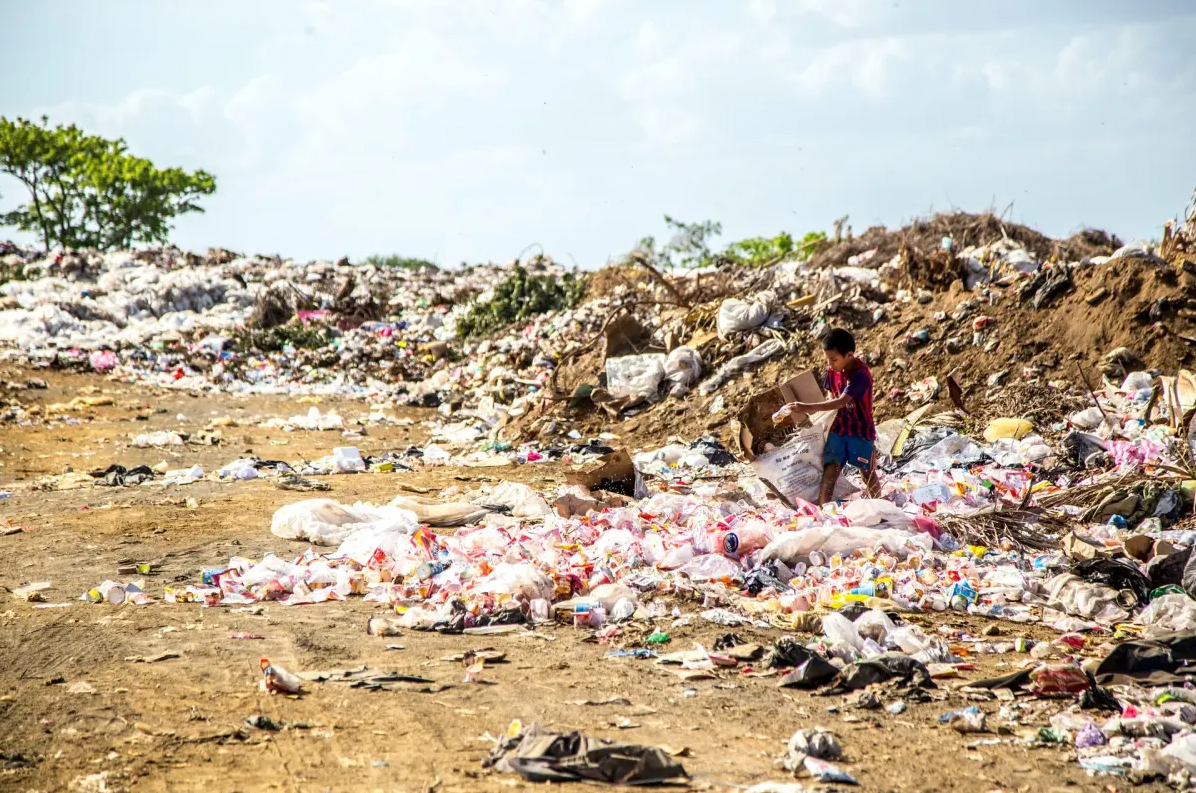

A person stands among piles of plastic waste and garbage at a large landfill site under a partly cloudy sky, with scattered trash covering the ground.

IPEN’s Role

IPEN 的作用:终结有毒贸易

Since its beginnings, IPEN has worked to address the legacy of toxic pollution created by harmful chemicals. Today, IPEN aims to end threats from hazardous waste and the trade in toxic chemicals and waste.

Identifying and Addressing Toxic Waste Sites

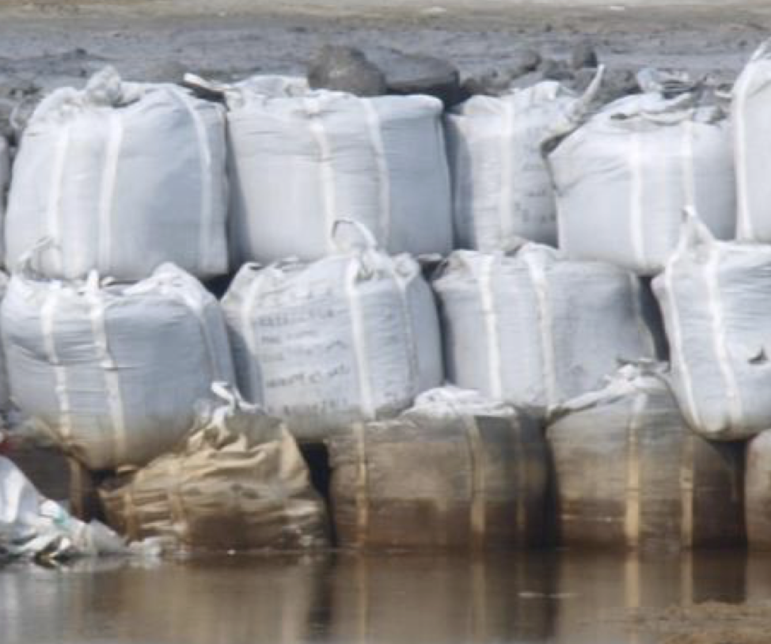
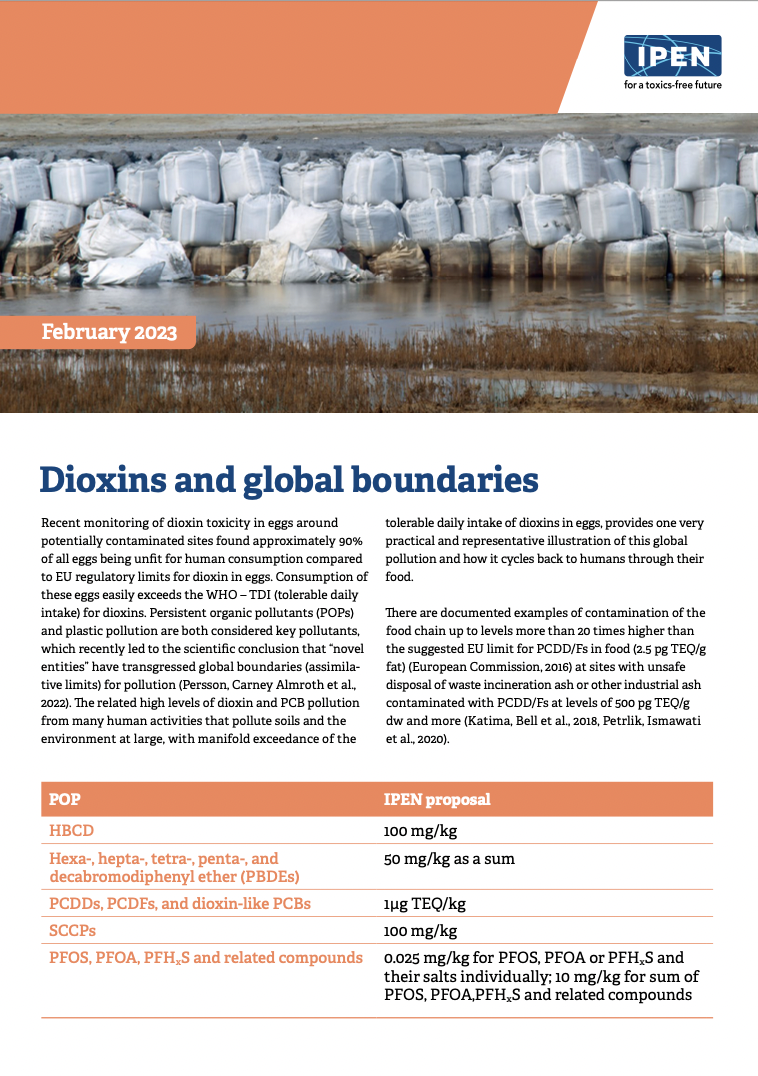
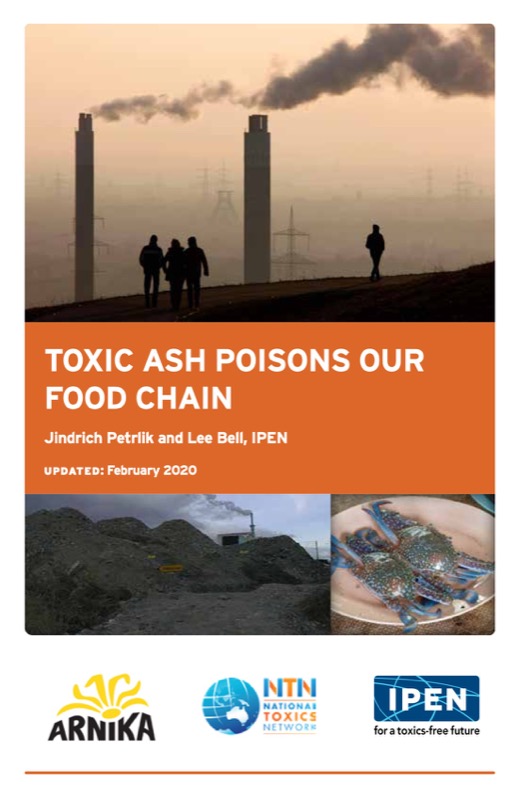
From 2004 to 2007, IPEN’s International POPs Elimination Project (IPEP) included several country-based projects to identify and expose threats from industrial areas and other sites contaminated by persistent organic pollutants (POPs). Starting in 2014, IPEN’s International Mercury Treaty Enabling Activities Program similarly included projects on sites contaminated by mercury. In 2015, IPEN’s map demonstrated the global problem of toxic waste contaminated hotspots – an updated map in 2025 shows the ongoing threats from contaminated sites.

Eggs Expose Toxic Threats

By collecting eggs laid by free-range chickens roaming close to waste incinerators and other polluting facilities, IPEN has documented how high levels of toxic chemicals contaminate the environment and the food chain. Since 2005, dozens of IPEN egg studies from five continents have exposed threats from toxic waste disposal sites.

巴塞尔和鹿特丹公约

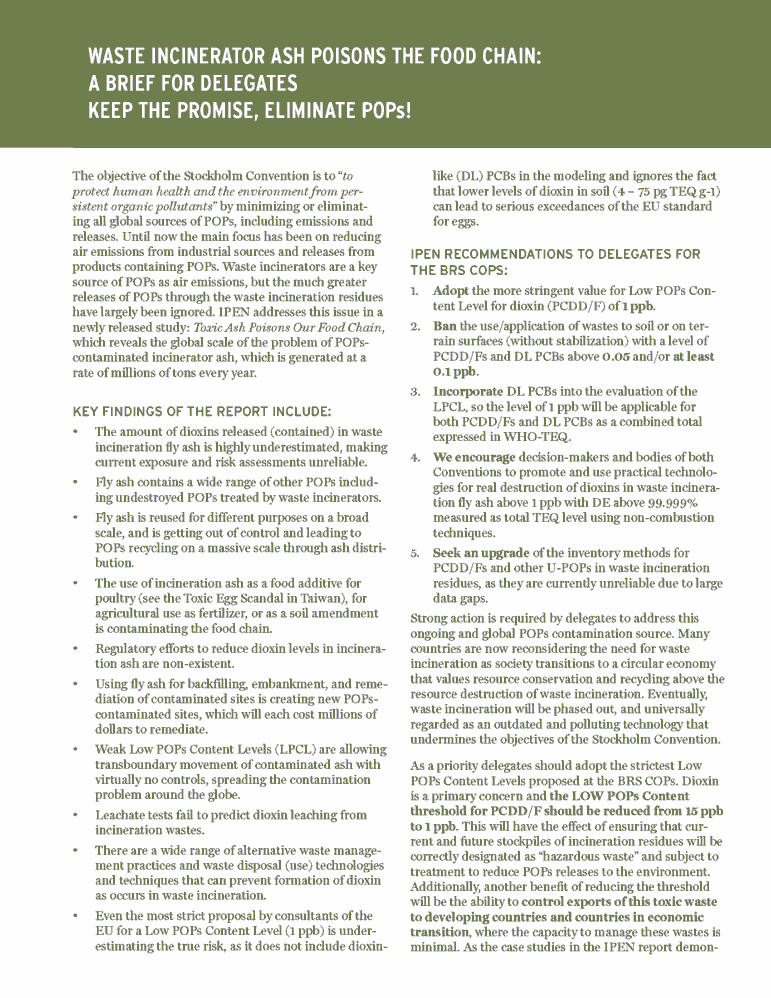
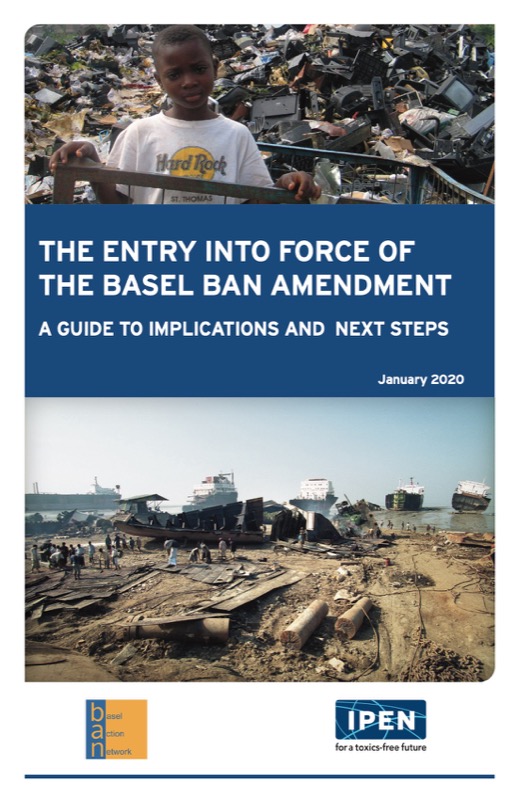
IPEN has decades of experience at the Basel Convention negotiations, advocating for strong measures to protect health and the environment from the hazardous waste trade, and working through the Rotterdam Convention for transparency rules around the trade in toxic chemicals including asbestos and lead chromates, the key pigments used in lead paints.

Plastics and the Plastic Waste Trade

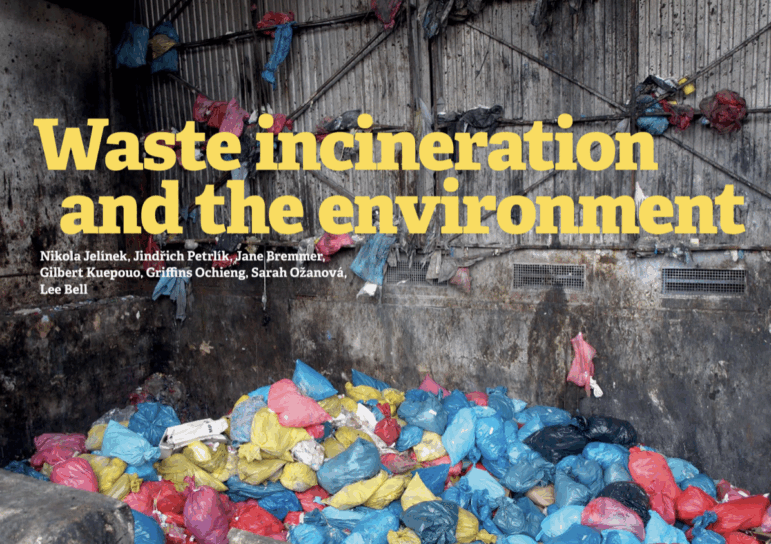
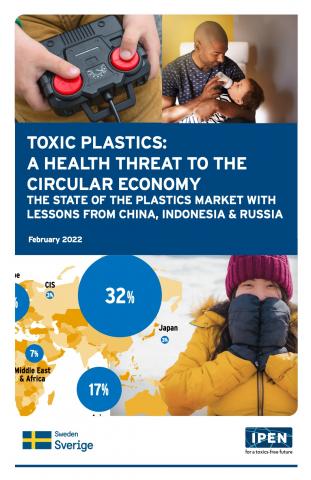
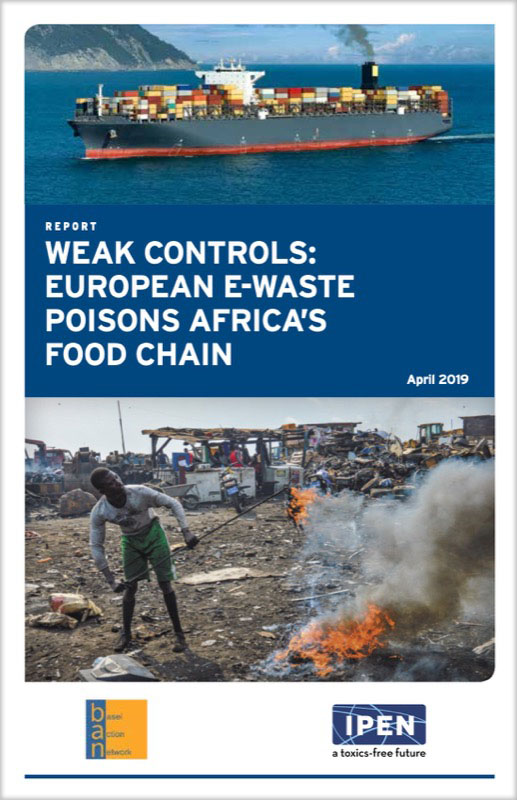
The global trade in plastics and plastic waste – including e-waste, textiles, plastic waste fuels, and other wastes – creates toxic threats to communities where plastics are dumped, often in low- to middle-income countries. IPEN members around the world have documented threats from the toxic plastic waste trade and from plastic waste dumped in their communities.

出版物

国际消除污染物网络(IPEN)
隐私概述

本网站使用 Cookie,以便为您提供最佳的用户体验。Cookie 信息存储在您的浏览器中,其功能包括在您再次访问我们的网站时识别您的身份,以及帮助我们的团队了解您对网站的哪些部分最感兴趣和最有用。.