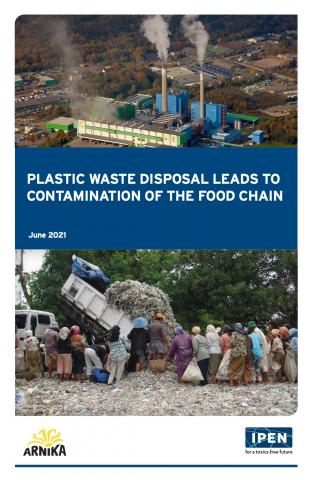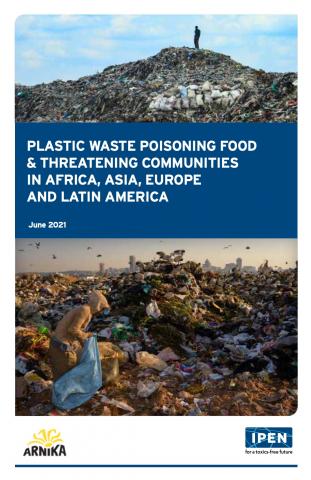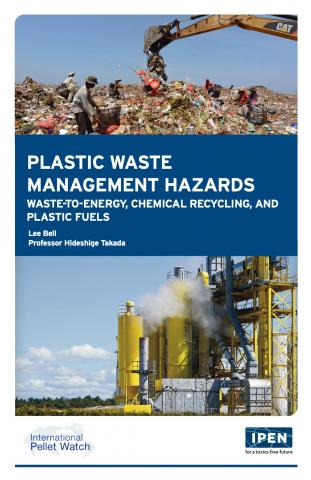

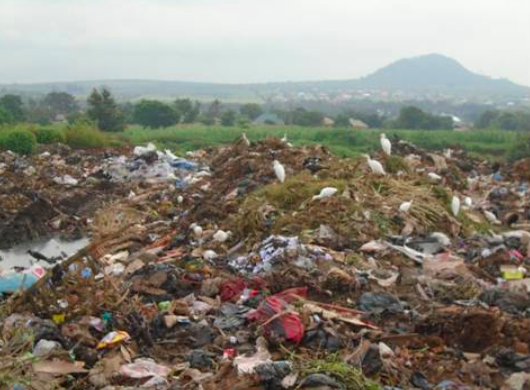

pile_of_municipal_waste_at_morogoro_municipal_dumpsite

Plastic Recycling, Disposal, and the Plastic Waste Trade

A Plastics Treaty for Healthy Environments

IPEN calls for a Plastics Treaty with restrictions to prevent the recycling and reuse of plastics that contain hazardous chemicals. So-called “advanced” and chemical recycling schemes, which create large toxic waste streams while recycling little or no plastic, should not be included in a Treaty as acceptable technologies for plastic waste disposal. 

The Treaty should exclude incineration, waste-to-energy processes, and co-processing in cement kilns, and promote safer, non-combustion technologies. A Treaty should promote a transition to a non-toxic materials economy that is just and inclusive to workers across the plastics supply chain and lifecycle, to provide opportunities for decent work in conditions of equity, security, and human dignity.

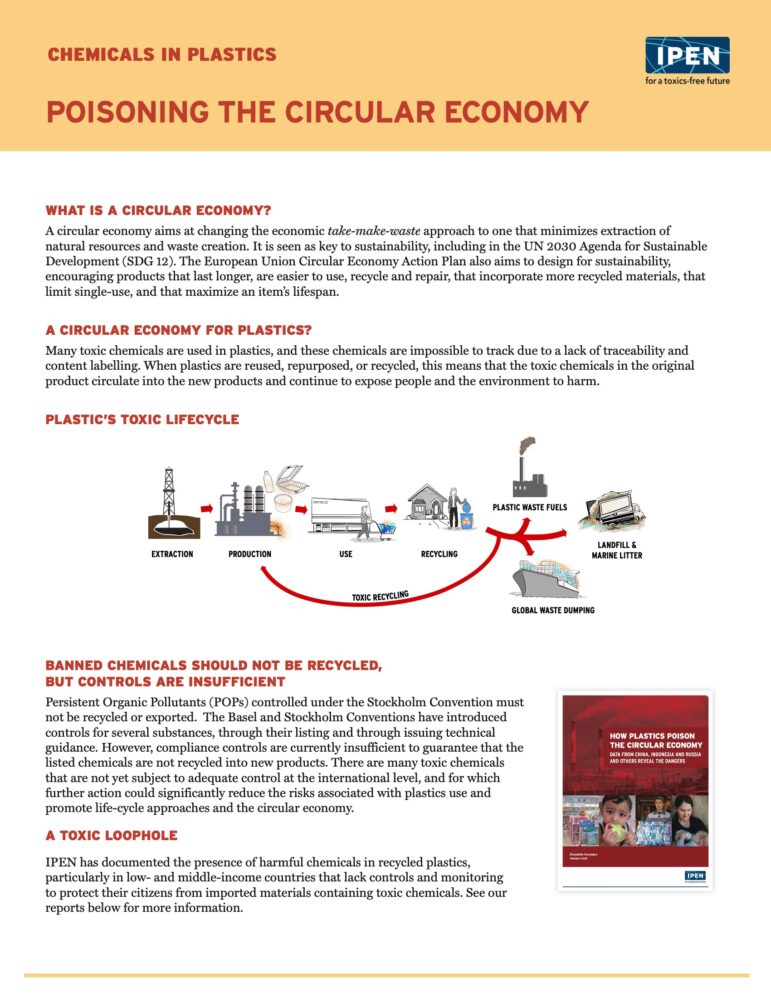
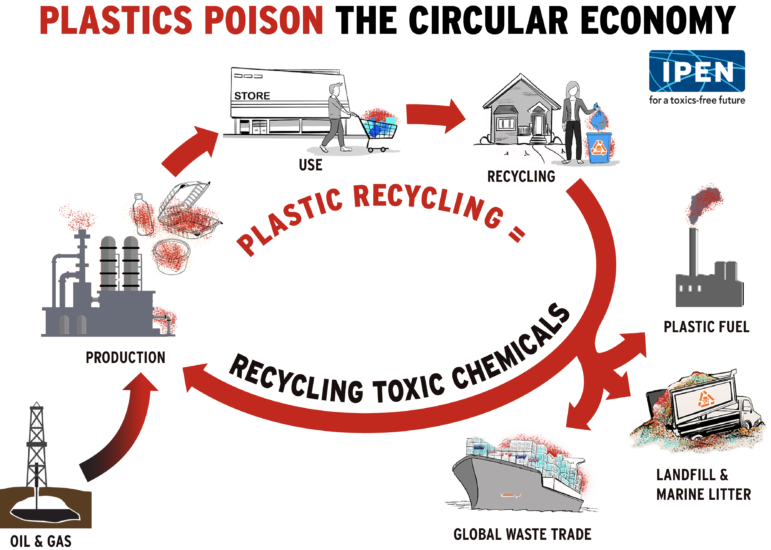
Plastic life cycle showing toxic threats from production through disposal

Plastics Poison the Circular Economy

A “circular economy” looks to minimize the extraction of natural resources and waste creation, designing products for sustainability and favoring products that maximize an item’s lifespan; are easier to use, recycle, and repair; and that incorporate more recycled materials and limit single-use. Since many toxic chemicals are used in plastics, plastics are inherently incompatible with a circular economy.

特色视频

Plastic Recycling Dangers

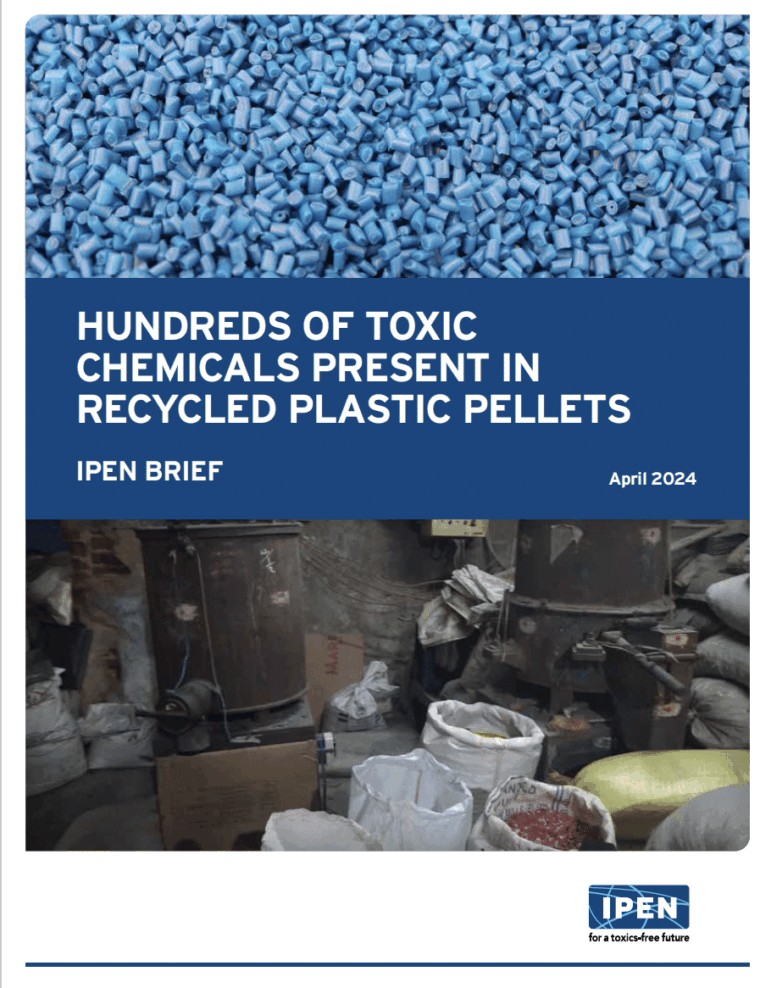
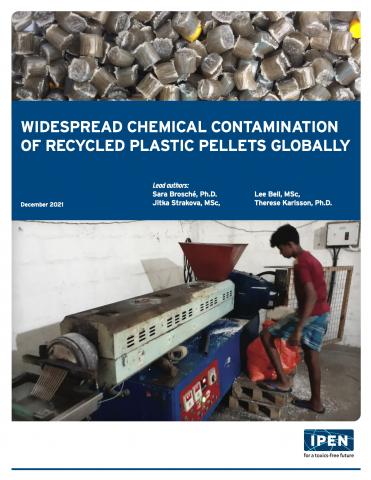
IPEN and its members have conducted several studies showing the dangers from plastic recycling to consumers, communities, and plastic waste workers. IPEN’s report produced with Beyond Plastics, “Chemical Recycling: A Dangerous Deception” debunks the plastic industry’s claims that plastic chemical recycling will play a significant role in reducing global plastic pollution, demonstrating that chemical recycling is a dirty, dangerous technology that has failed for decades.

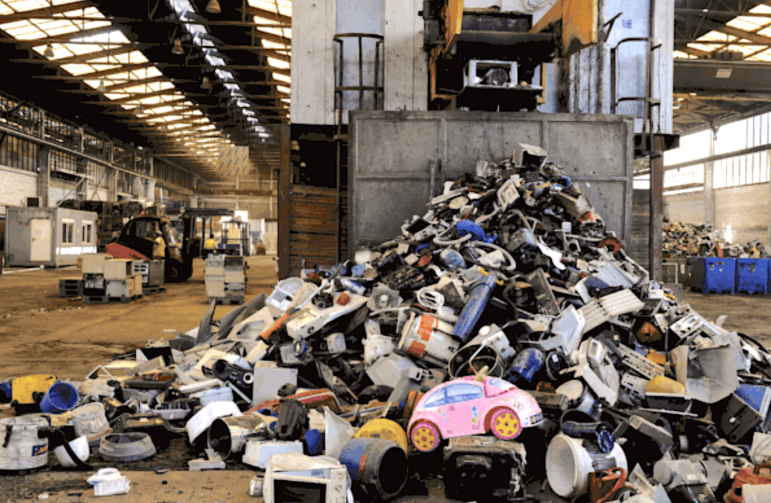
一个堆满塑料垃圾的仓库

塑料, Plastic Waste and the Waste Trade

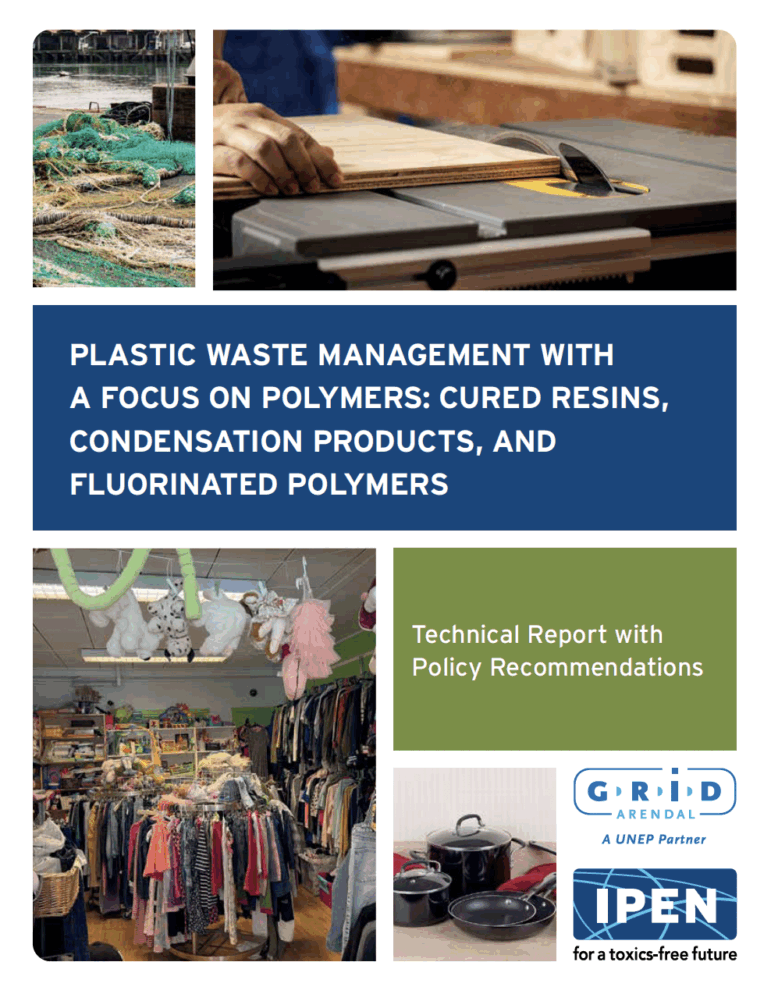
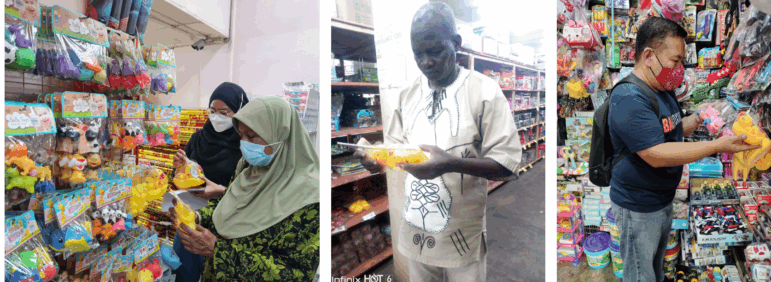
IPEN members produce original data and research from their countries on plastic waste, recycling, and the waste trade while also working to end the toxic trade in plastics and dumping of plastics – including textiles/clothing, e-waste, and other plastic waste.

特色视频

Refuse Derived Fuel

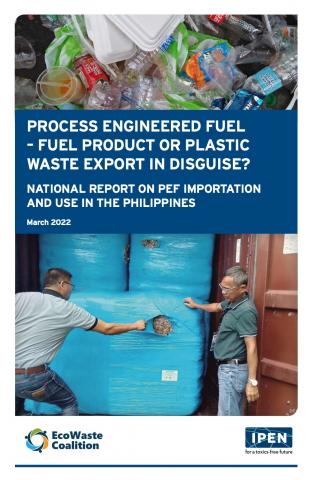
Using plastic waste as fuel is a growing market, with growing concerns, particularly around the trade in plastic waste used as fuel, often called refuse derived fuel (RDF). In 2022, IPEN exposed exports of RDF that contradicted Australia’s ban on plastic waste exports and later released a briefing on RDF as plastic waste in disguise. See the IPEN webinar on “Exporting Plastic Waste Fuels” and reports on RDF in IPEN members’ countries.

国际消除污染物网络(IPEN)
隐私概述

本网站使用 Cookie,以便为您提供最佳的用户体验。Cookie 信息存储在您的浏览器中,其功能包括在您再次访问我们的网站时识别您的身份,以及帮助我们的团队了解您对网站的哪些部分最感兴趣和最有用。.