
Toxic Waste and Global Trade
IPEN works for safer waste disposal options and to end health and environmental threats from the trade in toxic substances and hazardous waste, including through the Stockholm, Basel, and Rotterdam Conventions; the Minamata Convention on Mercury; and other international policy forums.
Mapping Contaminated Sites
IPEN members inventory and map contaminated sites, conduct sampling studies to monitor environmental and food chain contamination, and advocate for national policies based on global guidelines that call for safer management and cleanup practices. See the latest map of contaminated sites from IPEN and IPEN member Arnika.
Stockholm Convention
IPEN co-authored globally accepted guidelines for cleaning up and managing sites contaminated by POPs and advocates for strong standards to protect health and the environment from POPs waste.
Basel and Rotterdam Conventions
IPEN works for strong Basel Convention guidelines for environmentally sound management of hazardous waste and to strengthen the Rotterdam Convention, including by adding toxic substances to its list of chemicals that require Prior Informed Consent for export. IPEN also calls for an end to double standards, when countries ban or restrict the use of toxic chemicals (often pesticides) within their borders but continue to produce and export those chemicals, threatening the health of millions of people in recipient countries.
Minamata Convention on Mercury
In the negotiations to develop the Minamata Convention, IPEN advocated for strong standards to define and clean up mercury contaminated sites and created cleanup guidelines that were ultimately incorporated into the Convention’s official guidance. IPEN also advocates for amending the Convention to ban the global trade in mercury.
塑膠廢物
There is a growing market for using and trading plastic waste for fuel and growing concerns about this dirty, dangerous practice. Often called refuse-derived fuels (RDF), IPEN works for global policies that classify plastic fuels as hazardous waste, noting the threats to health, the environment, and the climate from burning plastics. IPEN also counters the myths around plastic recycling, works to expose threats from plastic chemical recycling, and investigates the hidden trade in plastic waste.
Incineration and Landfill Pollution
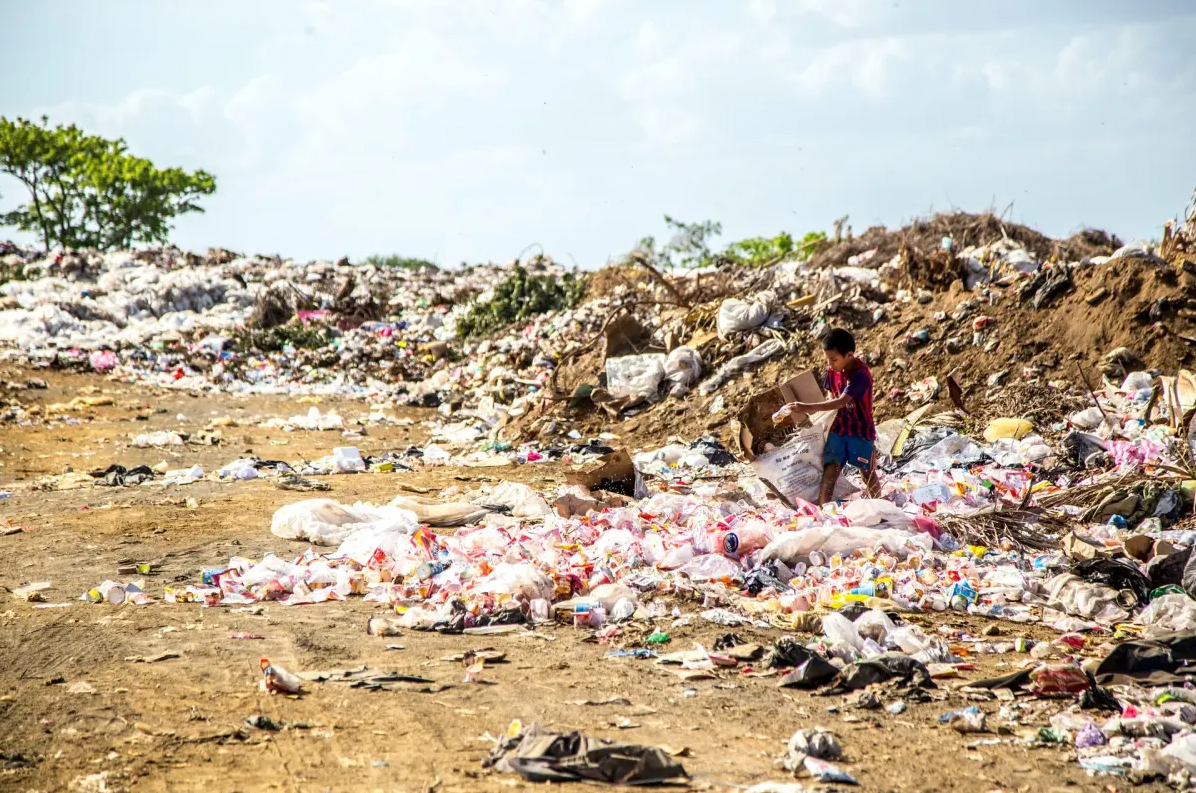
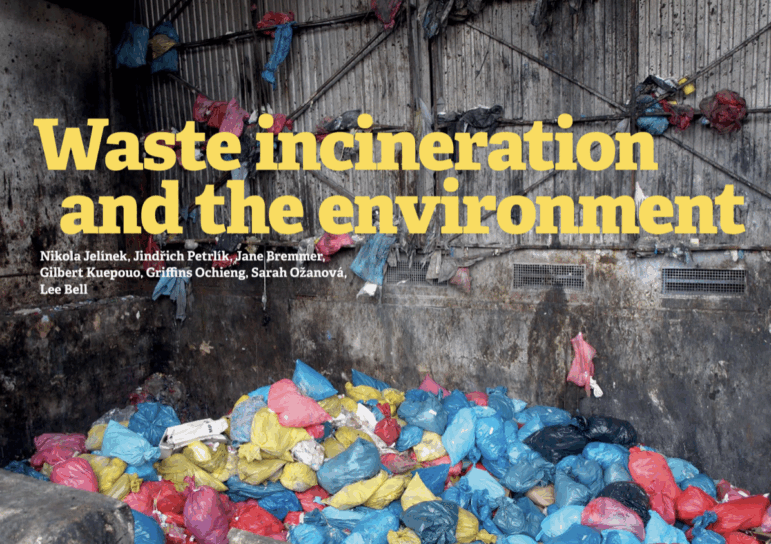
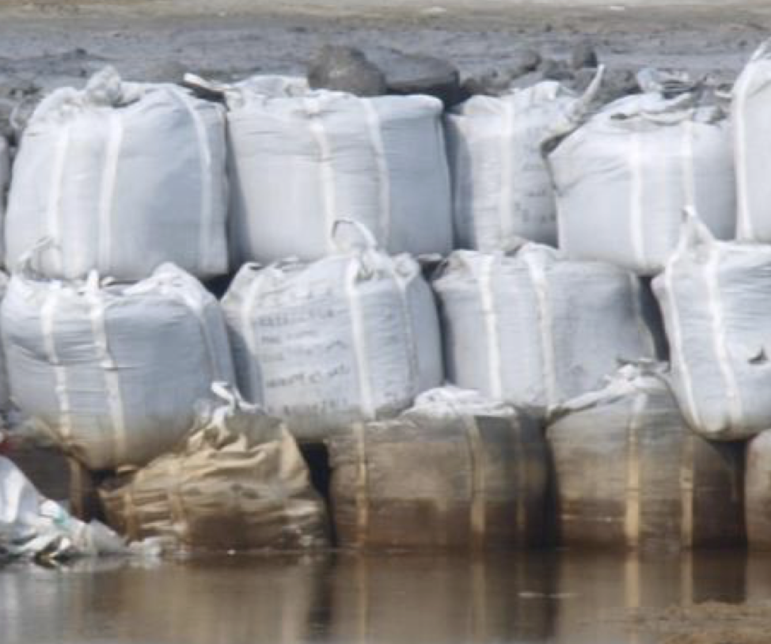
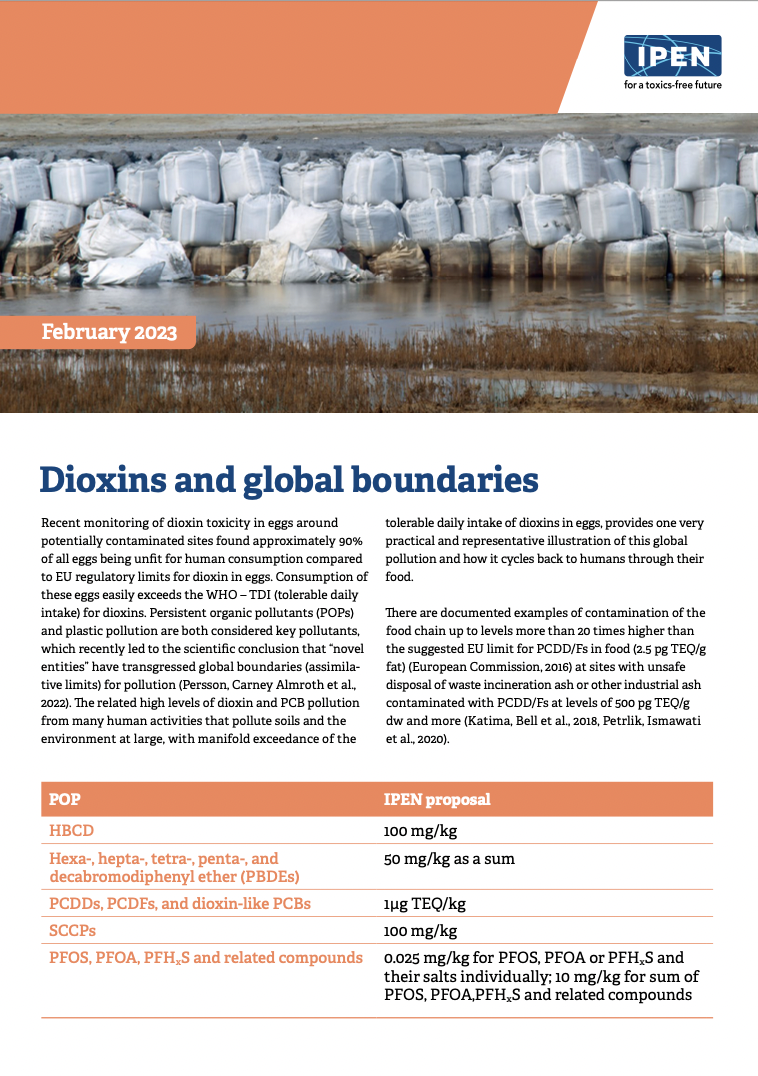
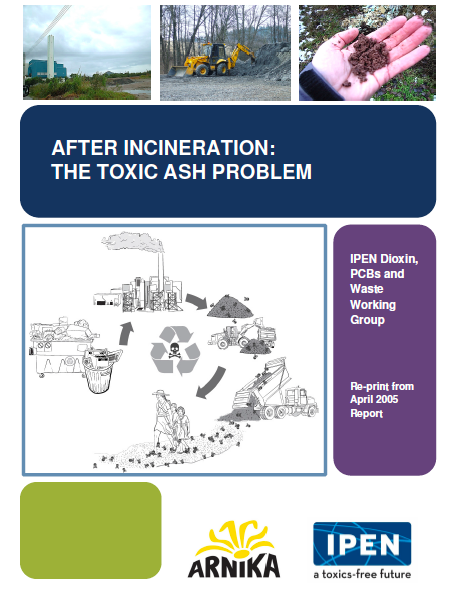
For decades, IPEN members have documented threats from incineration and landfills where toxic chemicals threaten waste workers and nearby communities. By testing free-range chicken eggs collected near these waste disposal sites, IPEN member Arnika working with other IPEN members around the world have exposed high levels of contamination of the environment and the food chain from toxic waste, urging alternatives to incineration and safer waste disposal practices. IPEN also calls for the use of non-combustion technologies as safer alternatives to burning waste.
Low POPs Content Levels
When waste contains persistent organic pollutants (POPs), regulators need to determine what amount of POPs contamination would require waste to be specially treated as hazardous POP waste. This regulatory limit is called the Low POPs Content Level. If the LPCL is set too high, a large volume of waste contaminated with POPs will continue to pose risks to our health the environment.
Dioxin Toolkit
Under the Stockholm Convention, Parties must take action to prevent and remediate pollution from dioxins, highly toxic chemicals that are known to be produced from certain industrial activities and waste disposal, including incineration of plastic and other waste. IPEN actively contributed to the Convention’s dioxin toolkit, a guide for countries to identify and eliminate sources of dioxin pollution.