


Stopping Toxic Plastics

At a Glance

Stopping the Global Spread of Toxic Plastics

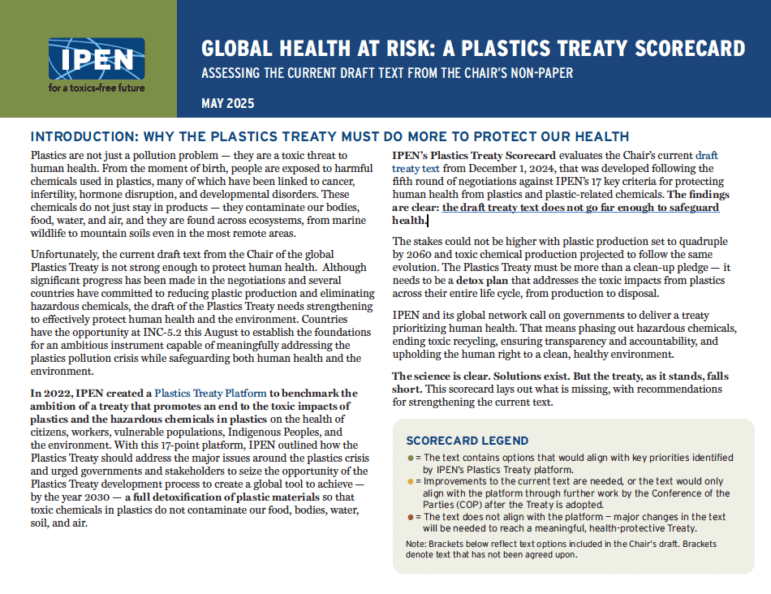
Plastics are made from fossil fuels and chemicals (petrochemicals, substances derived from fossil fuels). Throughout their life cycle, they contribute to climate change while releasing hazardous chemicals that threaten our health and the environment. IPEN calls for a meaningful Plastics Treaty and national measures to limit plastic production, end the use of toxic chemicals in plastics, and promote safer materials for a fossil fuels-free, toxics-free future.

including-voices-plastics-treaty-s25

Global and National Action

Plastics threaten human health and pollute the planet. IPEN is the leading global network contributing to the Plastics Treaty negotiations and IPEN members work for national protections to end threats from toxic plastics. Click “Global Action” to learn more about the Plastics Treaty and click “National Action” for IPEN members work to end threats from toxic plastics in their countries.

喺新聞入面

Going Upstream: The Roots of the Plastics Crisis

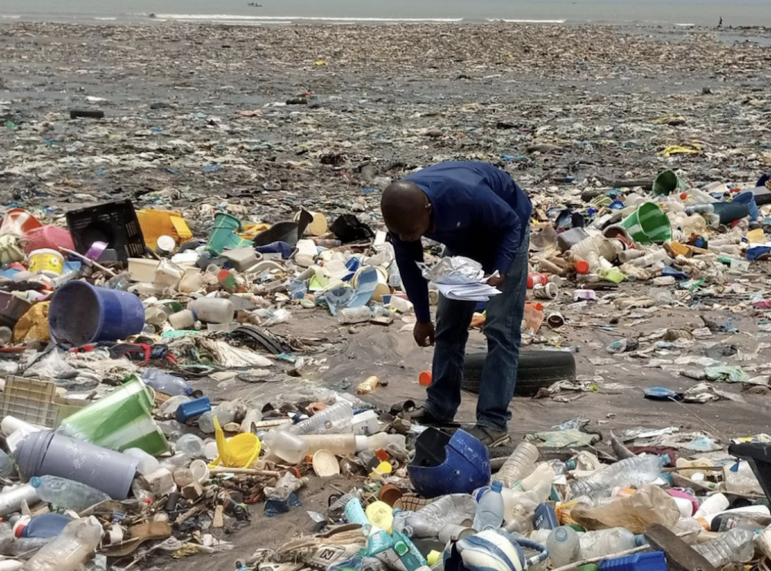
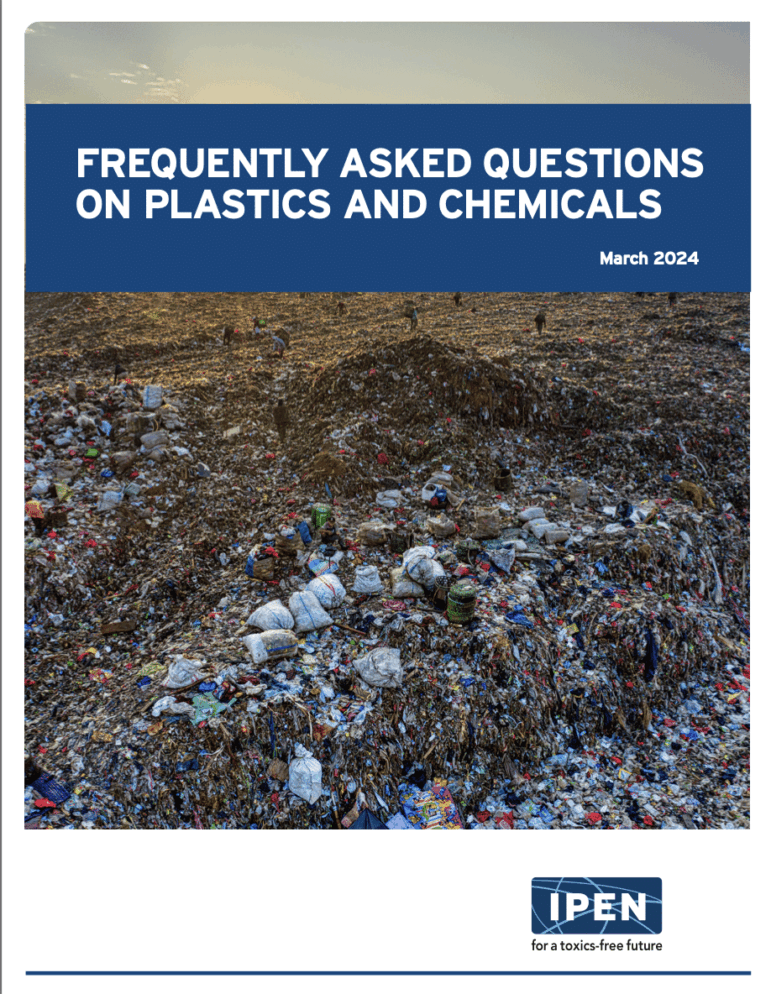
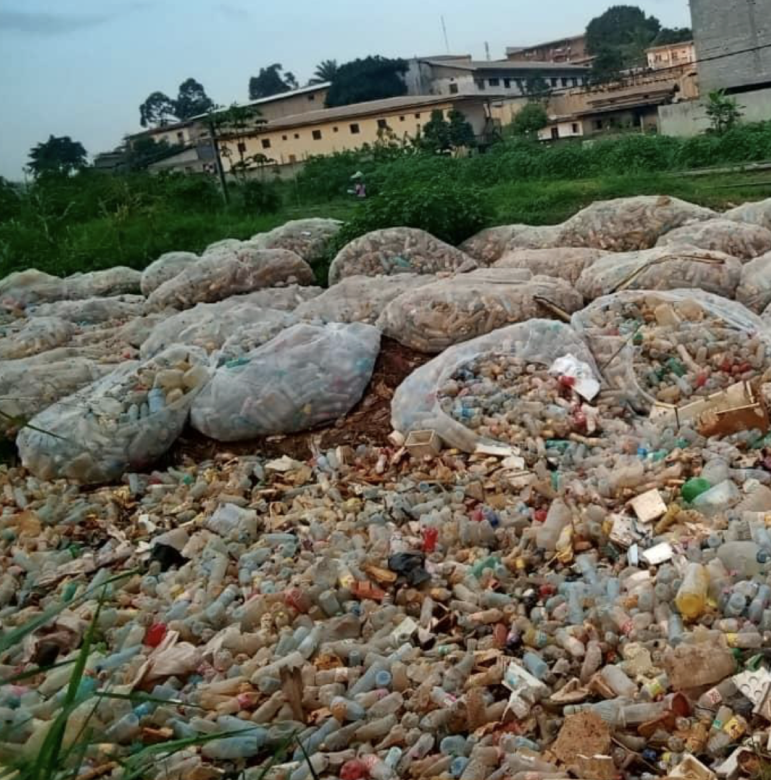
It has been just 75 years since plastics were first widely used, yet in that short time, plastic production has caused a global toxic pollution crisis. Now, projections suggest that in the next 35 years, industry will triple the amount of plastics they produce. This is clearly unsustainable and would be disastrous for our health and the healthy environments all people need to thrive.

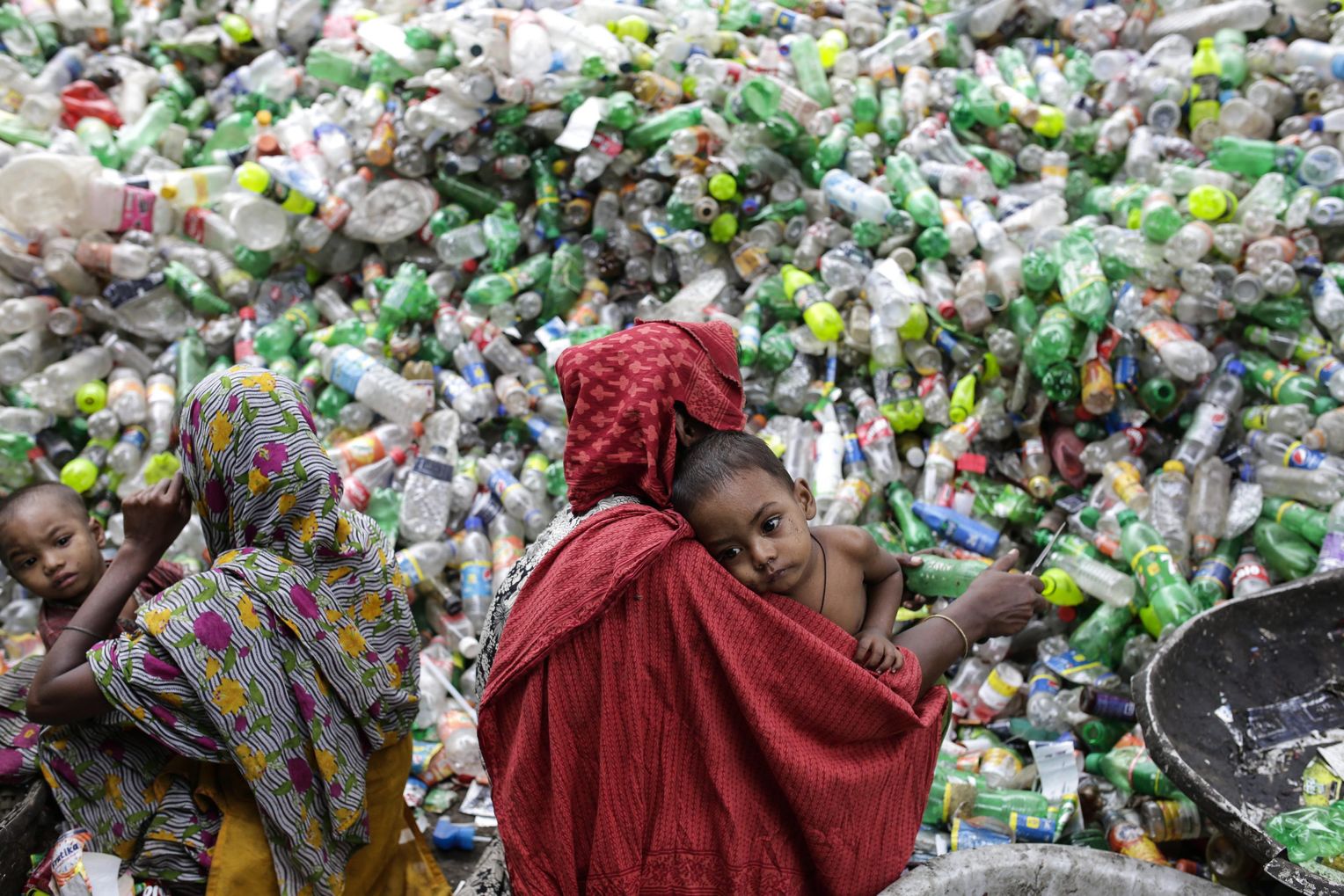
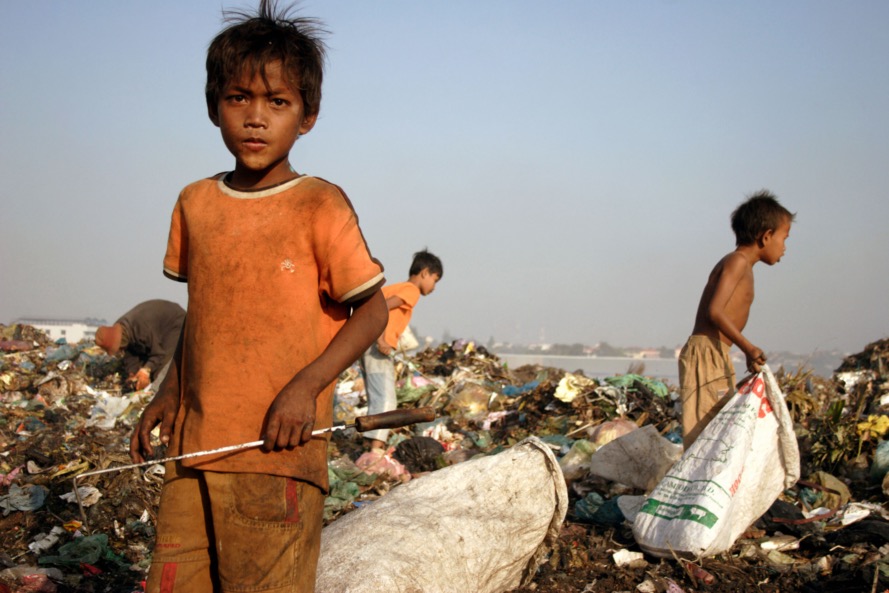
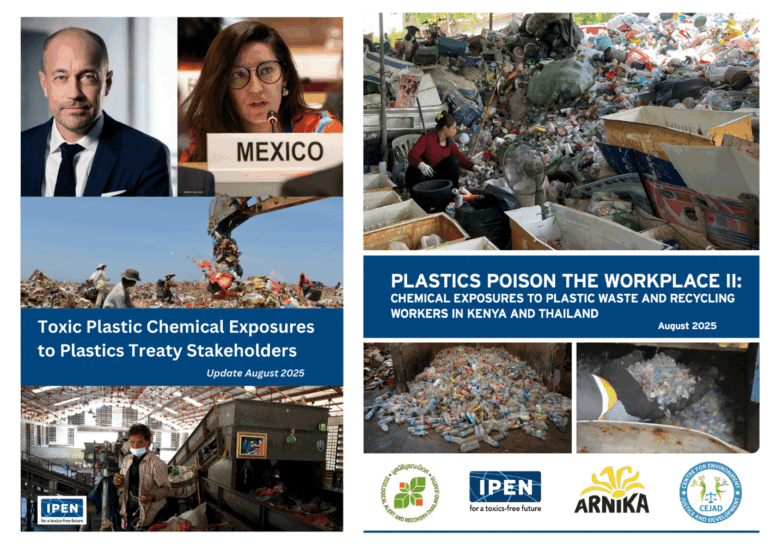
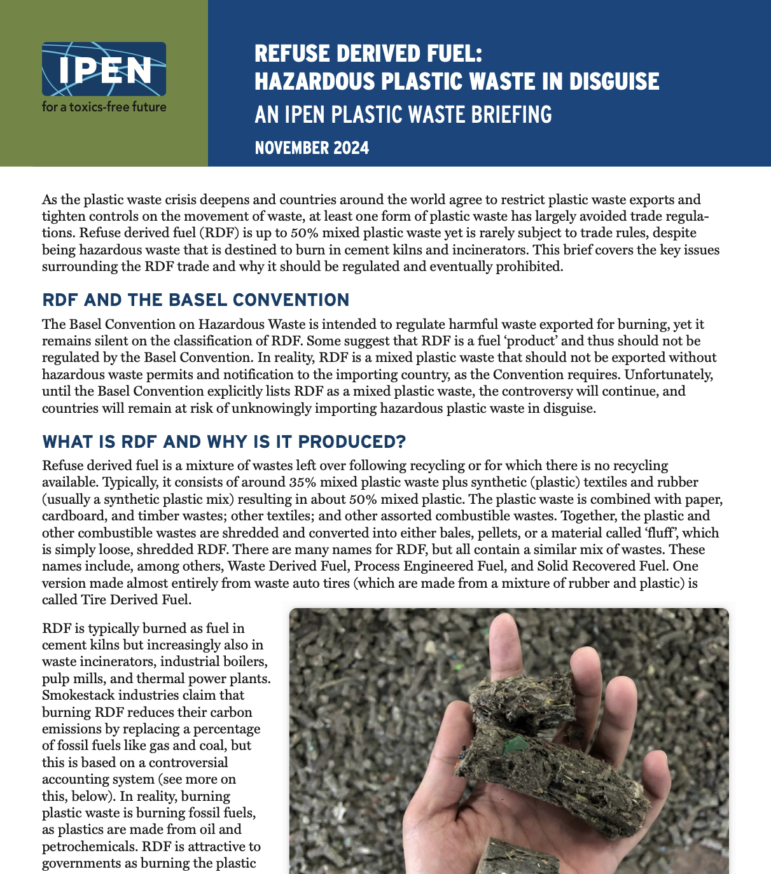
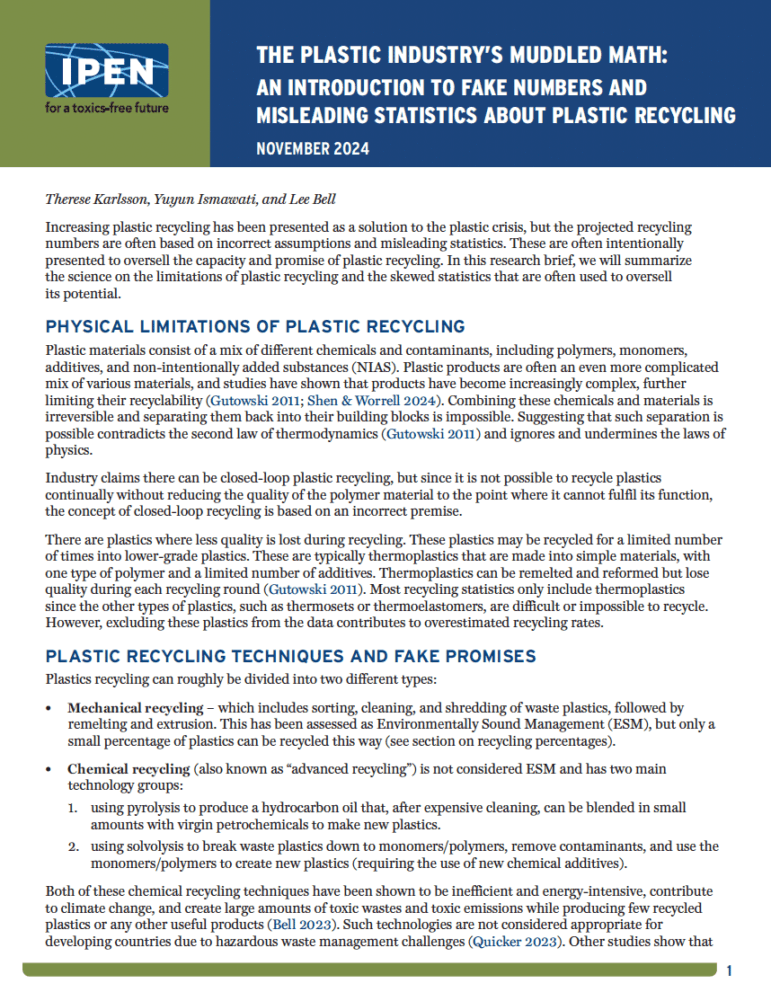
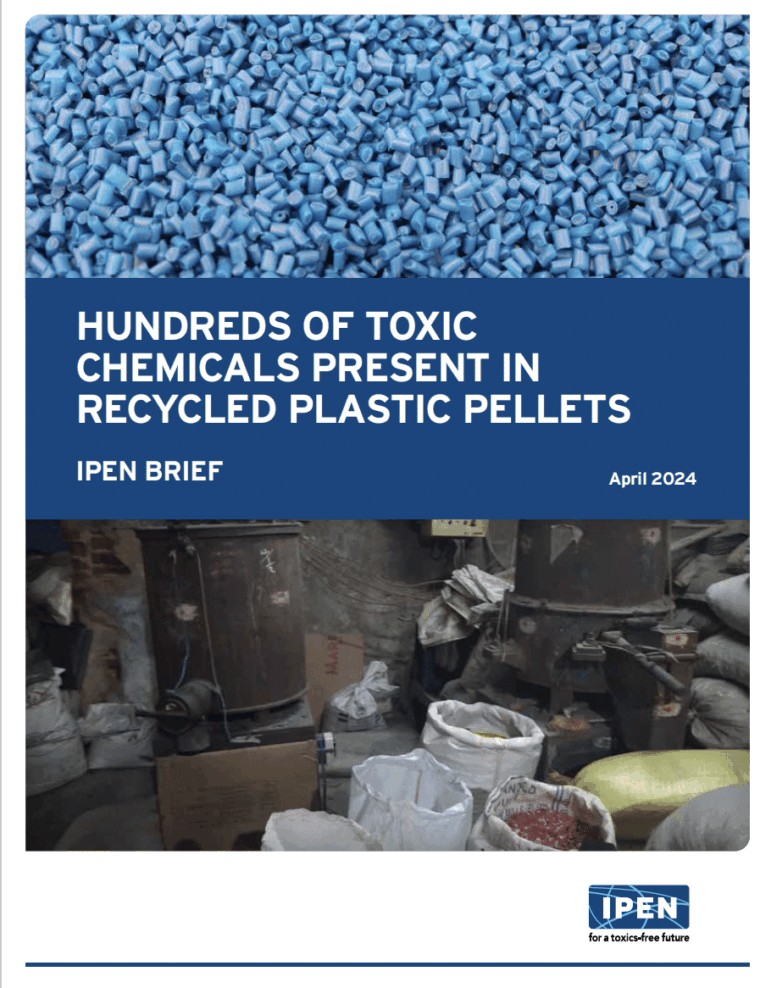
Harmful chemicals pose health threats throughout the plastics life cycle. Extraction of oil and gas, making petrochemicals, and plastic production all release toxic chemicals that are harmful to human health, with exposures to nearby communities and risks for workers. Consumers are exposed to toxic chemicals when they use plastics. Finally, plastic waste disposal creates more exposure threats. Even recycling creates toxic problems: when plastics are recycled, hazardous chemicals are combined and new harmful chemicals are formed, and this toxic stew ends up in recycled plastic products. 

At the start of talks for a Plastics Treaty, most countries looked at plastics as a downstream problem of ocean litter. But IPEN and others successfully turned attention to the upstream roots of the plastics problem: overproduction and toxic plastic chemicals that make people sick. IPEN’s science, policy advocacy, and expert voices from around the world have exposed the plastics, fossil fuels, and petrochemical complex as a major driver of the triple planetary crises: climate change, biodiversity loss, and plastic and chemical pollution. 

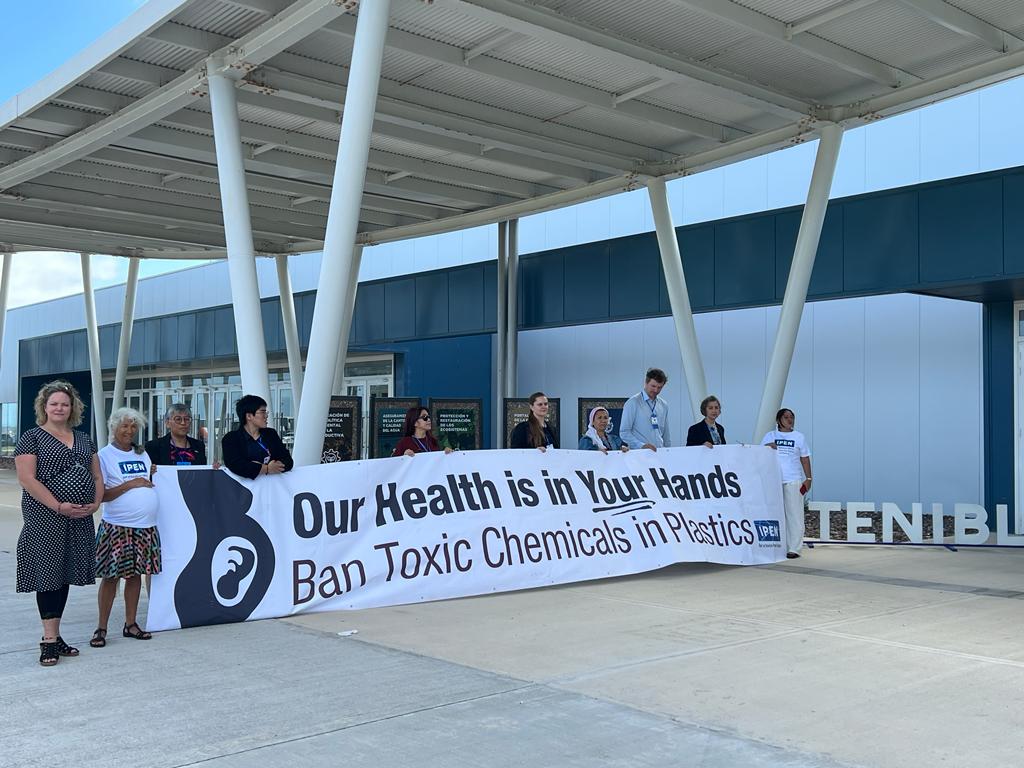
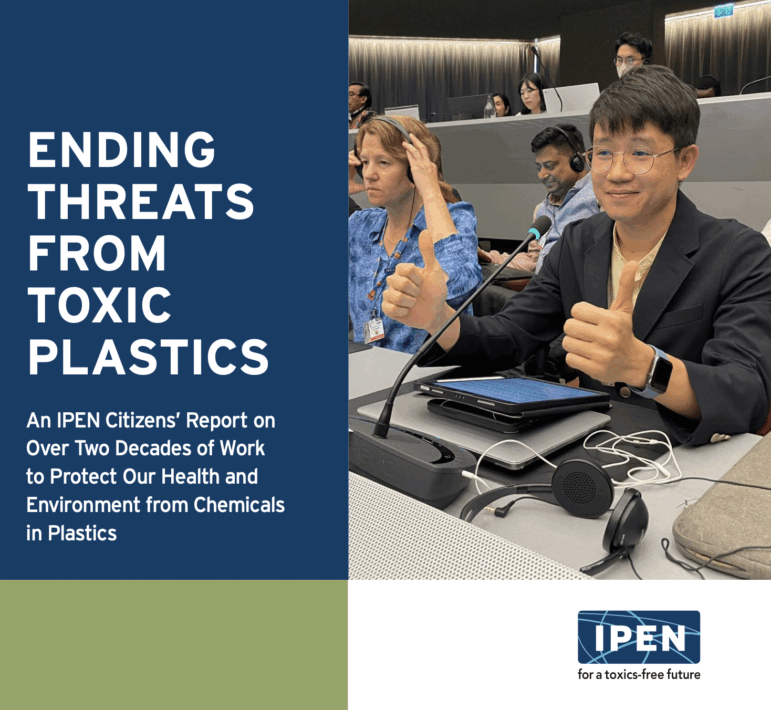
With more than 25 years of experience in negotiating multilateral environmental agreements, IPEN calls for a meaningful Plastics Treaty and works for national actions toward a future without toxic plastics.

Tons of plastics released into the environment each year

0 M

Tons of plastics projected to be released by 2060

0 M

Percent of plastics produced are recycled

< 0 %

IPEN's Role

As a leading contributor to the Plastics Treaty negotiations, IPEN brings decades of science, policy analyses, and local expertise from around the world to deepen the discussions and create a more meaningful, effective agreement.

Learn more about IPEN and its members’ history of documenting toxic plastics and advocating for global and national policies to end the health and environmental threats from plastics.

出版物

IPEN (國際污染物消除網絡)
私隱概覽

呢個網站會用 Cookie ,噉我哋就可以為你提供最佳嘅使用者體驗。 Cookie 資料會儲存喺你嘅瀏覽器,並且執行功能,例如喺你返去我哋嘅網站嗰陣識別你,同埋幫助我哋嘅團隊瞭解你覺得網站嘅邊啲部分最有趣同有用。.