



Stopping Toxic Plastics

Resumo

Stopping the Global Spread of Toxic Plastics

Plastics are made from fossil fuels and chemicals (petrochemicals, substances derived from fossil fuels). Throughout their life cycle, they contribute to climate change while releasing hazardous chemicals that threaten our health and the environment. IPEN calls for a meaningful Plastics Treaty and national measures to limit plastic production, end the use of toxic chemicals in plastics, and promote safer materials for a fossil fuels-free, toxics-free future.

including-voices-plastics-treaty-s25

Ação Global e Nacional

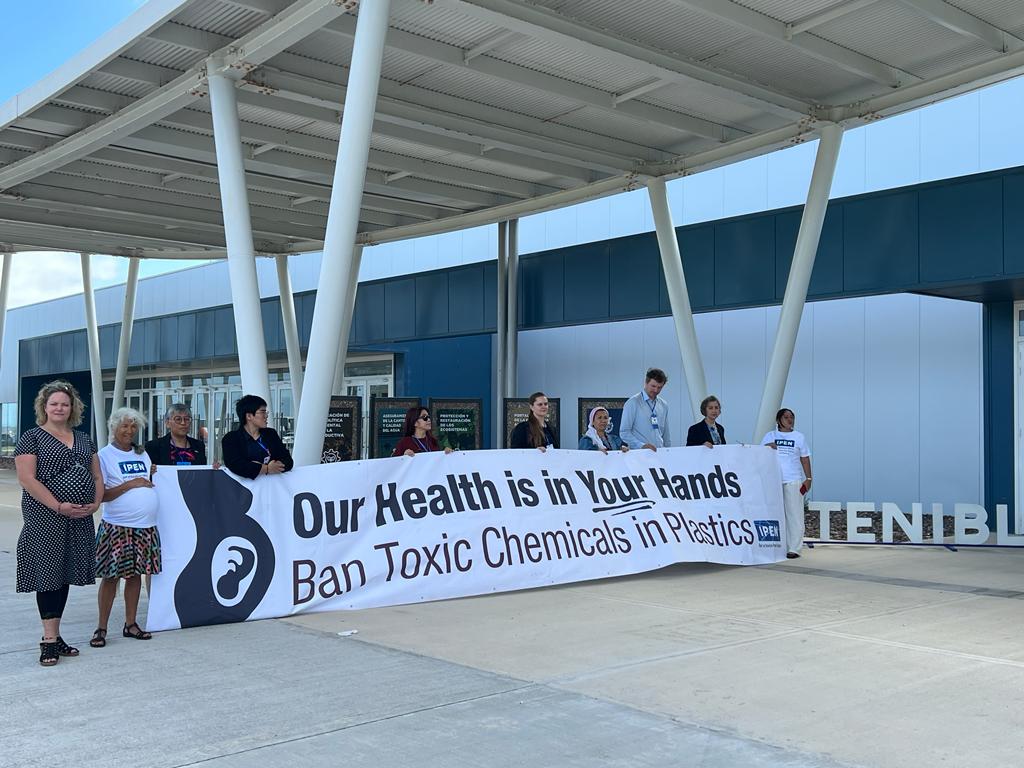
Plastics threaten human health and pollute the planet. IPEN is the leading global network contributing to the Plastics Treaty negotiations and IPEN members work for national protections to end threats from toxic plastics. Click “Global Action” to learn more about the Plastics Treaty and click “National Action” for IPEN members work to end threats from toxic plastics in their countries.

Nas notícias

Going Upstream: The Roots of the Plastics Crisis

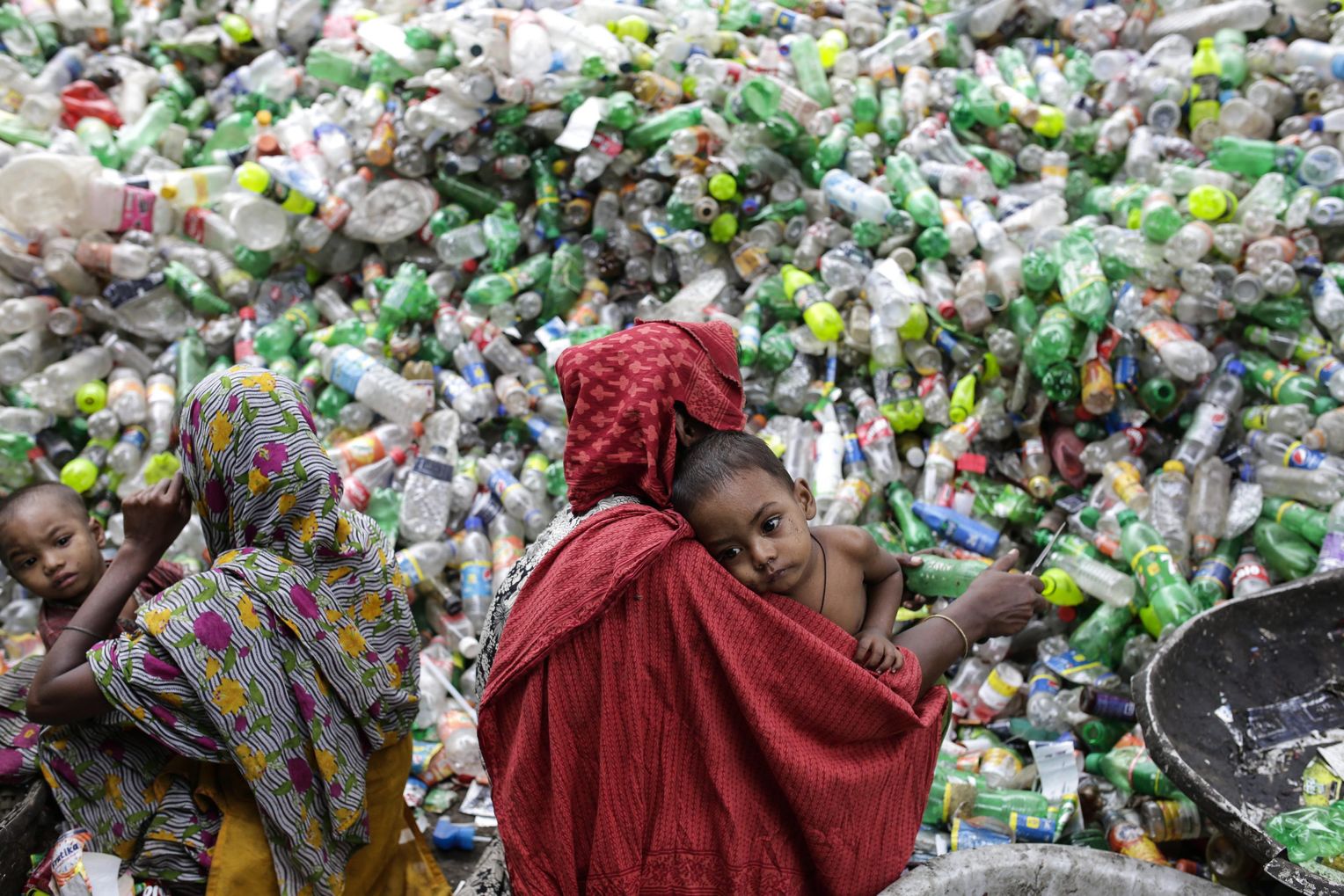
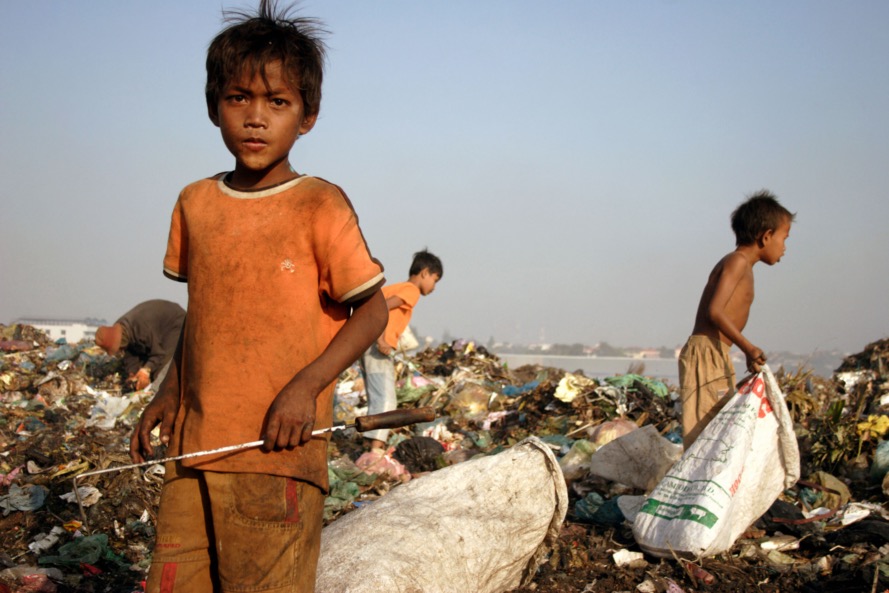
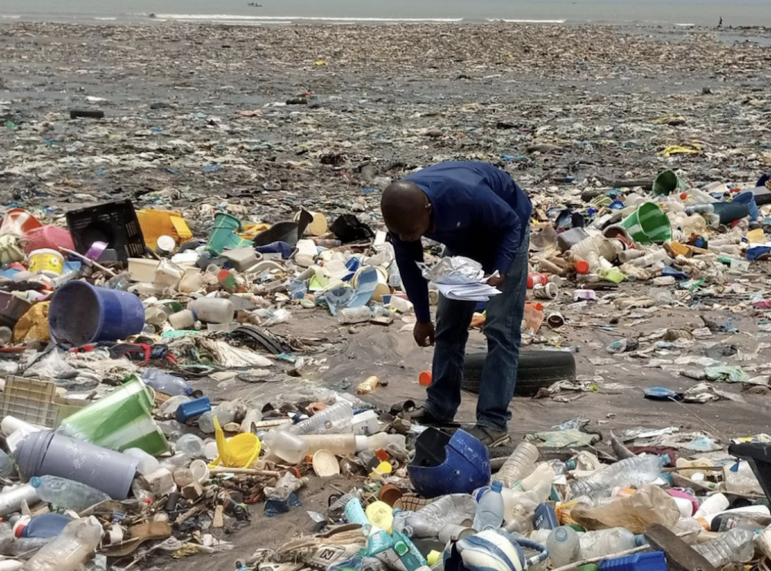
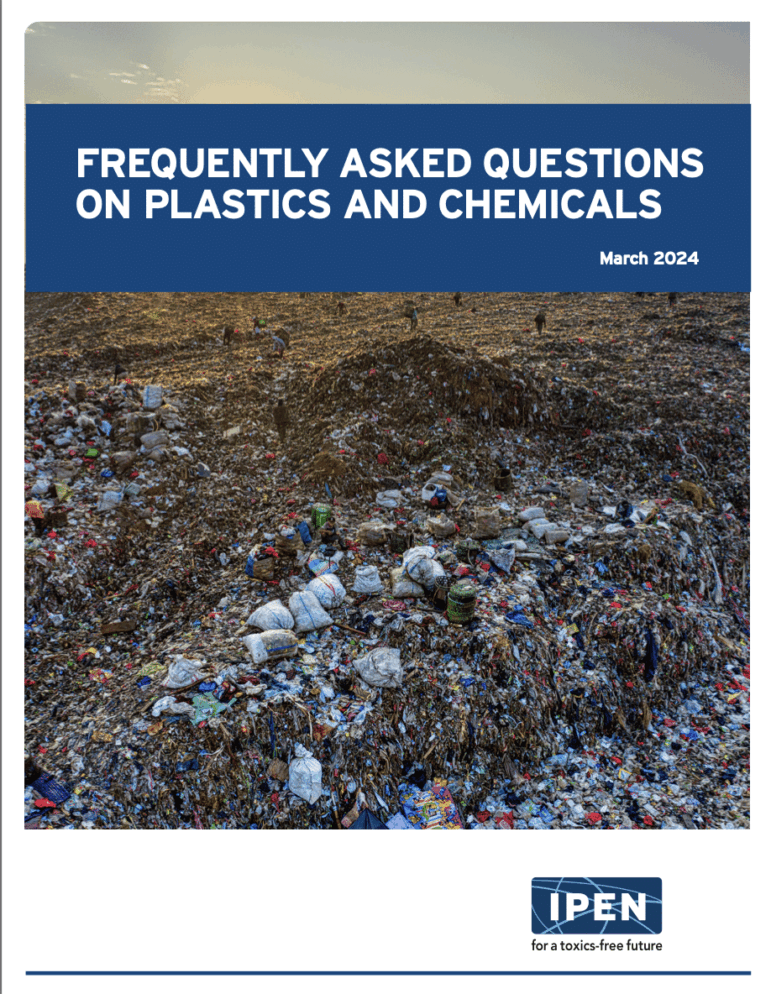
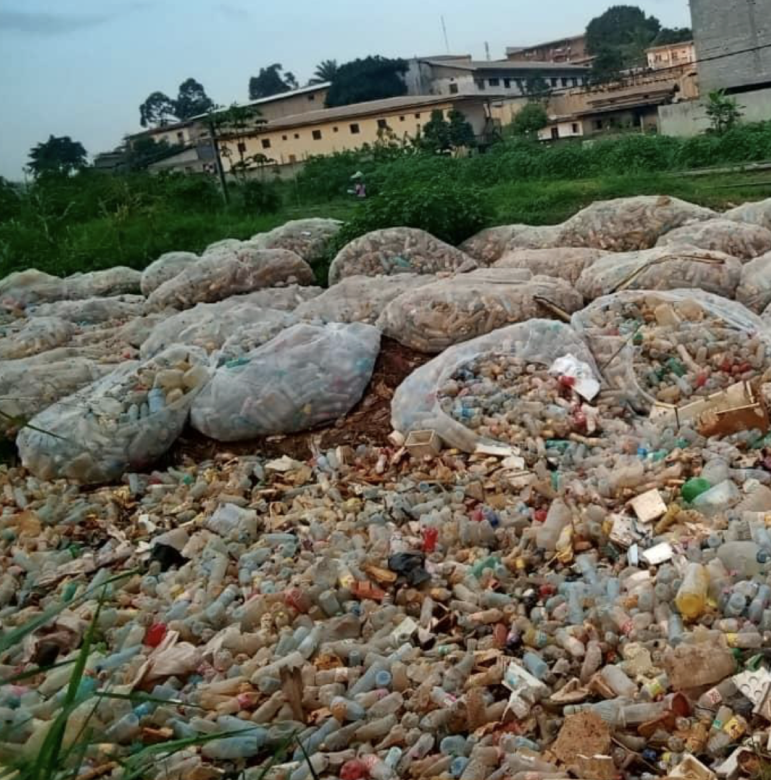
It has been just 75 years since plastics were first widely used, yet in that short time, plastic production has caused a global toxic pollution crisis. Now, projections suggest that in the next 35 years, industry will triple the amount of plastics they produce. This is clearly unsustainable and would be disastrous for our health and the healthy environments all people need to thrive.

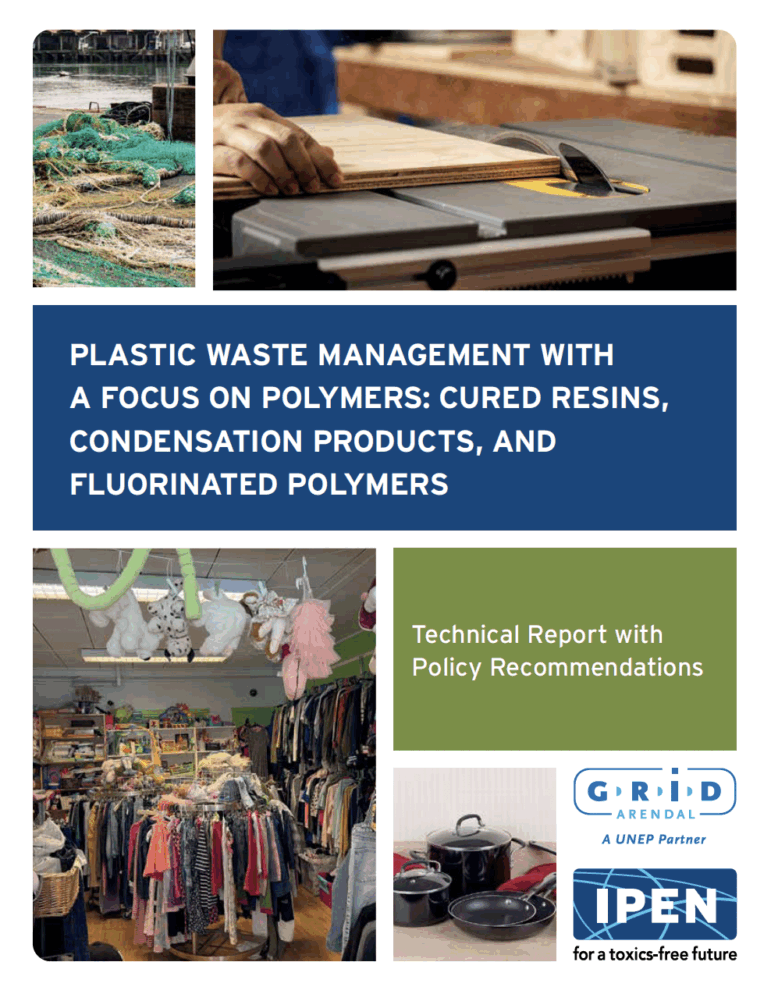
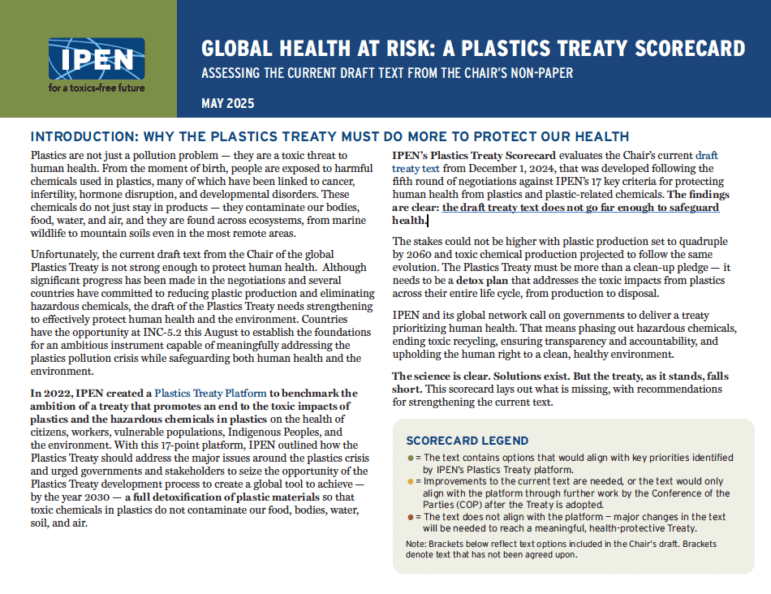
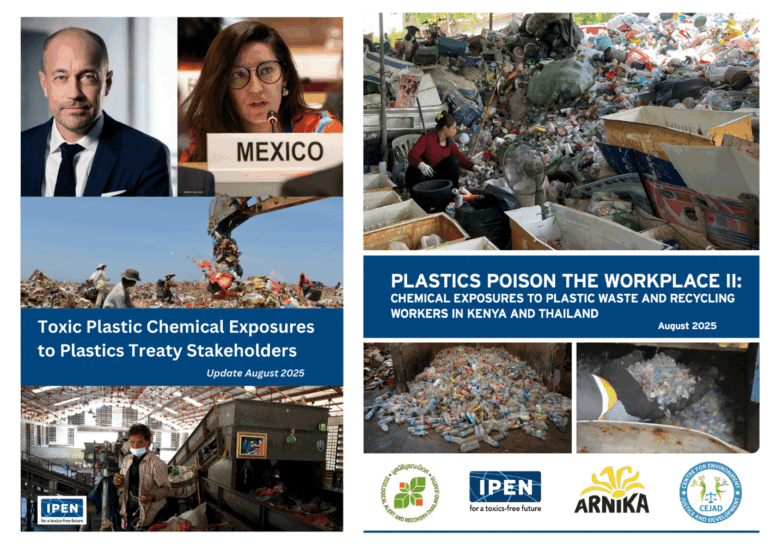
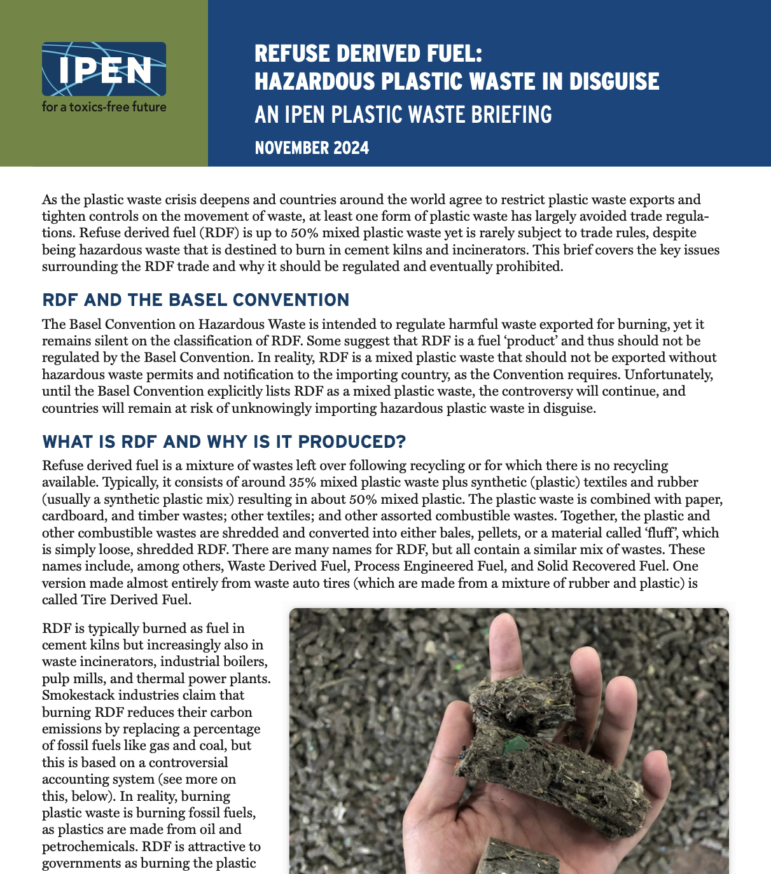
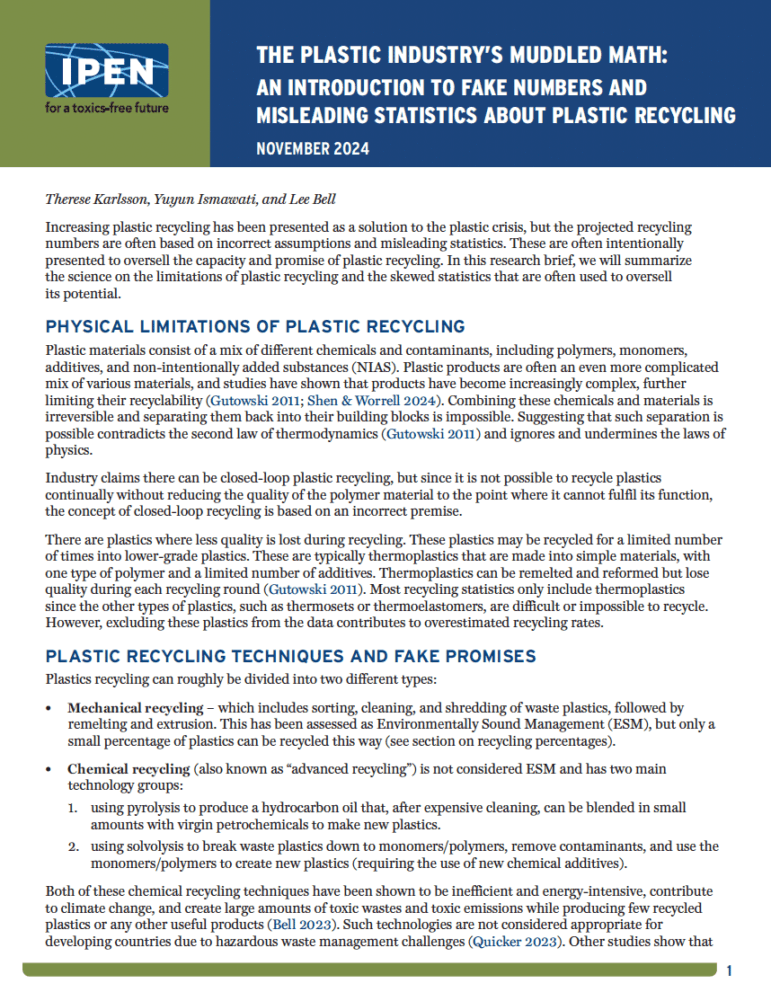
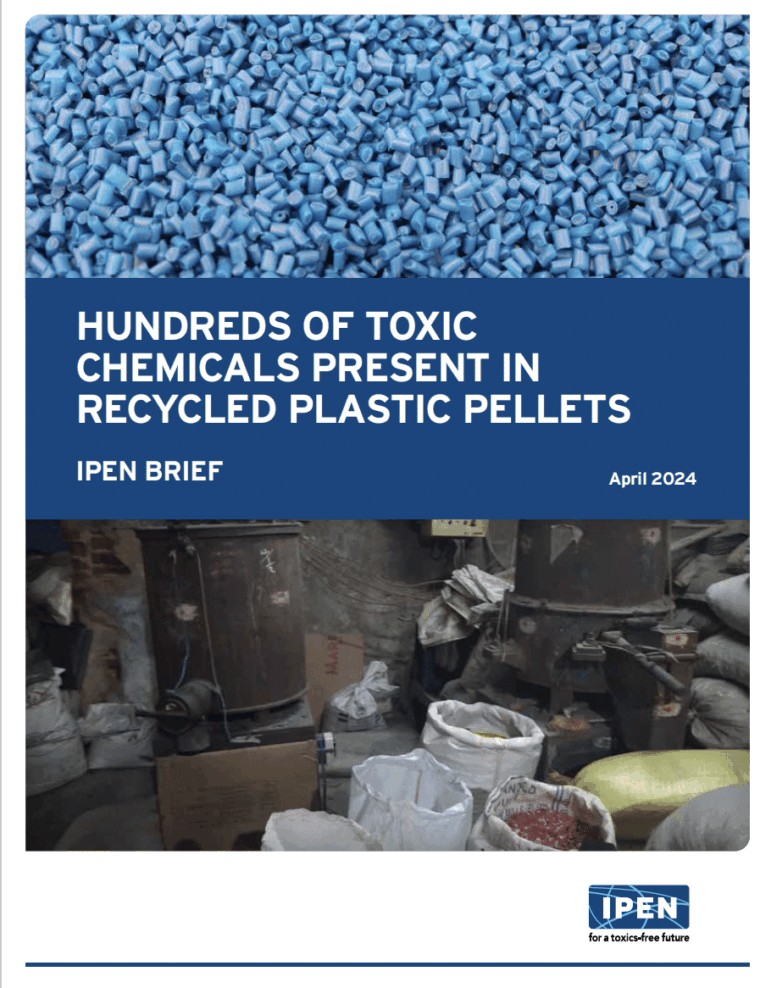
Harmful chemicals pose health threats throughout the plastics life cycle. Extraction of oil and gas, making petrochemicals, and plastic production all release toxic chemicals that are harmful to human health, with exposures to nearby communities and risks for workers. Consumers are exposed to toxic chemicals when they use plastics. Finally, plastic waste disposal creates more exposure threats. Even recycling creates toxic problems: when plastics are recycled, hazardous chemicals are combined and new harmful chemicals are formed, and this toxic stew ends up in recycled plastic products. 

At the start of talks for a Plastics Treaty, most countries looked at plastics as a downstream problem of ocean litter. But IPEN and others successfully turned attention to the upstream roots of the plastics problem: overproduction and toxic plastic chemicals that make people sick. IPEN’s science, policy advocacy, and expert voices from around the world have exposed the plastics, fossil fuels, and petrochemical complex as a major driver of the triple planetary crises: climate change, biodiversity loss, and plastic and chemical pollution. 

With more than 25 years of experience in negotiating multilateral environmental agreements, IPEN calls for a meaningful Plastics Treaty and works for national actions toward a future without toxic plastics.

Tons of plastics released into the environment each year

0 M

Tons of plastics projected to be released by 2060

0 M

Percent of plastics produced are recycled

< 0 %

IPEN's Role

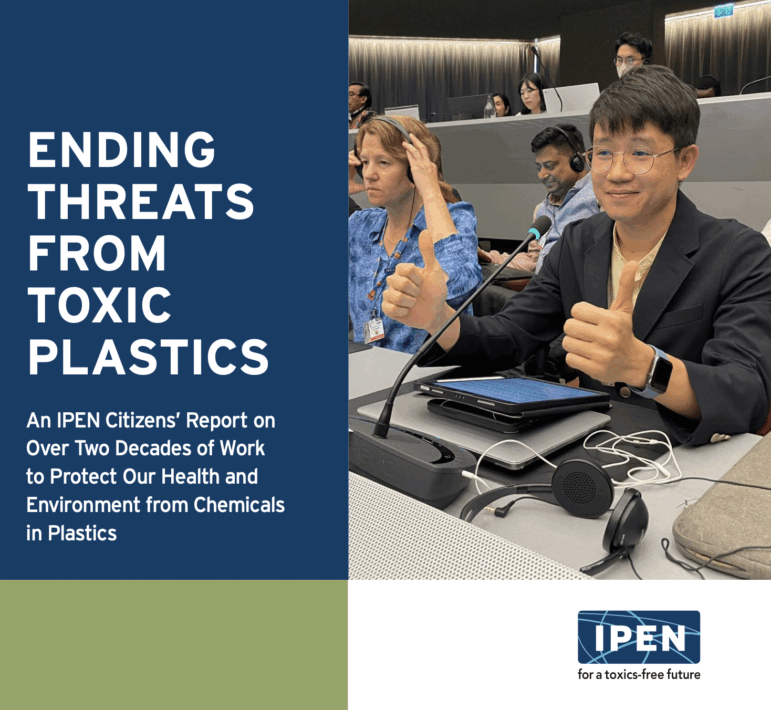
As a leading contributor to the Plastics Treaty negotiations, IPEN brings decades of science, policy analyses, and local expertise from around the world to deepen the discussions and create a more meaningful, effective agreement.

Learn more about IPEN and its members’ history of documenting toxic plastics and advocating for global and national policies to end the health and environmental threats from plastics.

Publicações

REIP (Rede Internacional para Eliminação de Poluentes)
Visão Geral da Privacidade

Este site utiliza cookies para que possamos oferecer a melhor experiência de usuário possível. As informações dos cookies são armazenadas em seu navegador e realizam funções como reconhecê-lo quando você retorna ao nosso site e ajudar nossa equipe a entender quais seções do site você considera mais interessantes e úteis.