
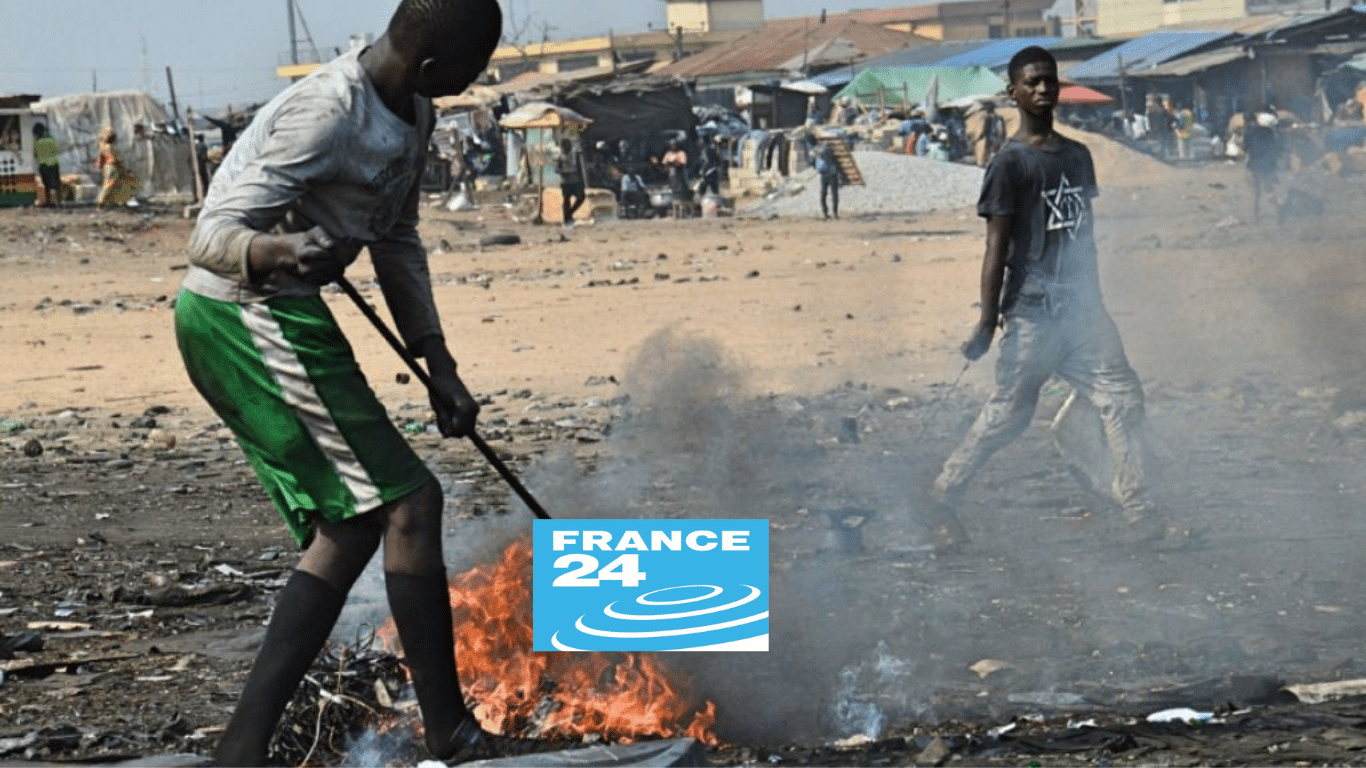
The scale of plastic pollution is growing, relentlessly. The world is producing twice as much plastic waste as two decades ago, reaching 353 million tonnes in 2019, according to OECD figures. The vast majority goes into landfills, gets incinerated or is “mismanaged”, meaning left as litter or not correctly disposed of. Just 9 percent of plastic waste is recycled.
Ramping up plastic recycling might seem like a logical way to transform waste into a resource. But recent studies suggest that recycling plastic poses its own environmental and health risks, including the high levels of microplastics and harmful toxins produced by the recycling process that can be dangerous for people, animals and the environment.
Plastics are made with as many as 13,000 chemicals, according to a UN report this month, and 3,200 of those have “hazardous properties” that could affect human health and the environment. Many more have never been assessed and may also be toxic, according to a report from Greenpeace released last week.
In addition, “only a very, very small portion of those chemicals are regulated globally”, said Therese Karlsson, science and technical adviser at the International Pollutants Elimination Network (IPEN). “Since there’s no transparency [in the market], there’s no way for people to know which plastics contain toxic chemicals and which don’t.”
The risk these chemicals pose increases among recycled plastics, as products with unknown compositions are heated and mixed together. “The outcome is a completely unknown product that is reintroduced onto the market,” Karlsson said.
Read the full story from France24.
 English
  简体中文
简体中文  Français
  Bahasa Indonesia
  Русский
  Español
  العربية
  Shqip
Shqip  Հայերեն
  Azərbaycan dili
  Беларуская мова
  Български
  Cantonese
  Hrvatski
  Čeština
  ქართული
  Deutsch
  Ελληνικά
  हिन्दी
  Қазақ тілі
  한국어
한국어  Кыргызча
  Bahasa Melayu
  नेपाली
  Português do Brasil
  Kiswahili
  Svenska
  Tagalog
  தமிழ்
தமிழ்  ไทย
ไทย  Українська
  Tiếng Việt