
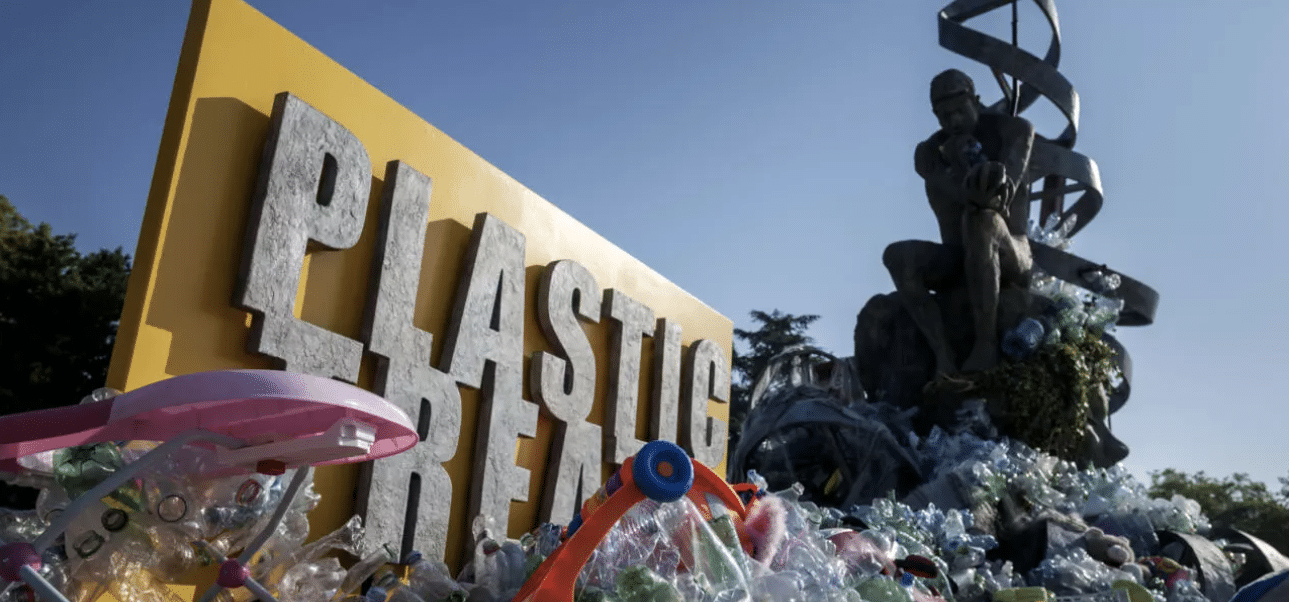
Geneva-The Plastics Treaty INC-5.2 negotiations closed today without an agreement, despite the majority of nations calling for meaningful, global solutions to protect health and the environment. While the INC has called for negotiations to continue at a date to be scheduled, the path forward remains uncertain. Nonetheless, IPEN notes that the Treaty process over the past three years has brought vital attention among most countries to the need to control plastic overproduction and address the toxic threats to health and the environment from plastic chemicals.
“IPEN has been gratified to see that many member states remain dedicated to fighting for a Plastics Treaty that upholds human rights to a clean, healthy environment,” said Yuyun Ismawati, IPEN Co-chair. “Despite the setback this week, we believe that most countries remain committed to fighting plastic pollution. IPEN is eager to continue working with governments in support of a process toward a future global agreement that protects human health and the environment.”
While no agreement was reached, during the INC-5.2, many countries joined in support of a proposal by Switzerland and Mexico that included global regulations on toxic plastic chemicals in products. About 90 countries supported the proposal’s call for identifying and eliminating harmful plastic chemicals (“chemicals of concern”), with measures for transparency and traceability of chemicals in plastic products.
This widespread agreement on controlling toxic plastic chemicals represents a significant milestone, and IPEN calls on countries committed to fighting plastic pollution to build on this work for a future agreement among countries that value human health and environmental protection.
“Decades of science shows that hazardous plastic chemicals are fueling a global health crisis, causing cancers, disrupting hormones, impairing fertility, harming brain development, and damaging ecosystems. We cannot continue to favor oil industry profits over the health of our children and grandchildren,” said Pamela Miller, IPEN Co-chair. “Going forward, the world needs international cooperation to resolve the global plastics crisis and promote the healthy environments all children and families deserve.”
In the early morning hours of August 15, the INC Chair released a new draft text proposal for negotiation going forward. While the draft included some positive concepts, it retained many of the deficiencies of the previous text released by the Chair earlier in the week that was not accepted by many countries. IPEN found the Chair’s last draft lacking because it failed to include:
- Globally binding controls on products and hazardous plastic chemicals (chemicals of concern) through the life cycle.
- Global controls on plastic overproduction, including toxic emissions from primary plastic production.
- Provisions to protect human health and to monitor the impacts on human health.
IPEN urges countries to continue to find pathways forward and stand for real health protections and real solutions to the plastics crisis, through meaningful, global obligations that address plastic overproduction and harmful plastic chemicals.
 English
  简体中文
简体中文  Français
  Bahasa Indonesia
  Русский
  Español
  العربية
  Shqip
Shqip  Հայերեն
  Azərbaycan dili
  Беларуская мова
  Български
  Cantonese
  Hrvatski
  Čeština
  ქართული
  Deutsch
  Ελληνικά
  हिन्दी
  Қазақ тілі
  한국어
한국어  Кыргызча
  Bahasa Melayu
  नेपाली
  Português do Brasil
  Kiswahili
  Svenska
  Tagalog
  தமிழ்
தமிழ்  ไทย
ไทย  Українська
  Tiếng Việt