
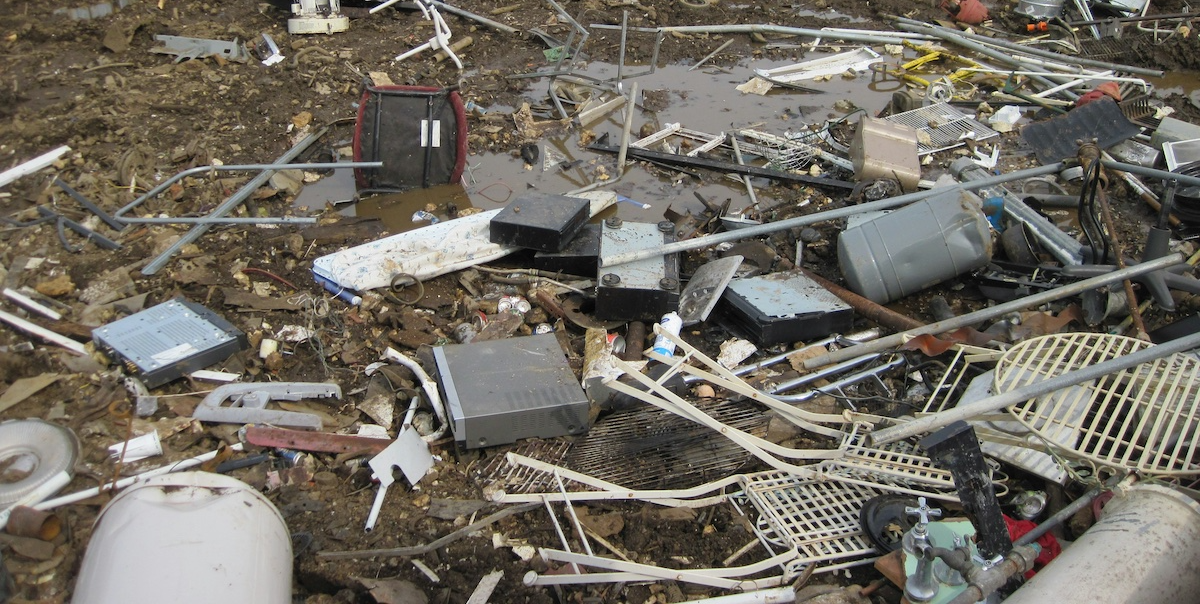

A muddy area is scattered with electronic waste, metal parts, wires, plastic containers, and household debris, creating a cluttered and chaotic junkyard scene.

Electronics, E-waste and Toxic Pollution

Electronics: A Global Toxic Threat

IPEN and its members have documented toxic threats from the massive production and disposal of one of the world’s largest industries: electronics. 

Electronics manufacture relies on and uses more than a thousand chemicals and other materials. Many of these chemicals are hazardous and lack comprehensive health and safety information due to weak regulatory policies. This causes harm during production, exposes consumers to toxic chemicals during use, and releases toxic chemicals when products become electronic waste.

IPEN: Strengthening Global Policy to Protect Our Health

Chemical threats to human health in electronics production and e-waste have been well documented in scientific literature. Severe illnesses including cancer, lung disease, reproductive disorders, congenital anomalies in offspring, and musculoskeletal problems arising from repetitive motion have been identified in manufacturing facilities located in China, Korea, Malaysia, and elsewhere. 

UN policies include recommendations for eliminating and managing hazardous chemicals in the lifecycle of electronics. In 2011, the United Nations Industrial Development Organization (UNIDO) and the Secretariats of the Basel and Stockholm Conventions developed recommendations to address hazardous chemicals in electronics that were endorsed by more than 100 governments.

特色视频

Health and Environmental Threats from Electronics Production in Asia

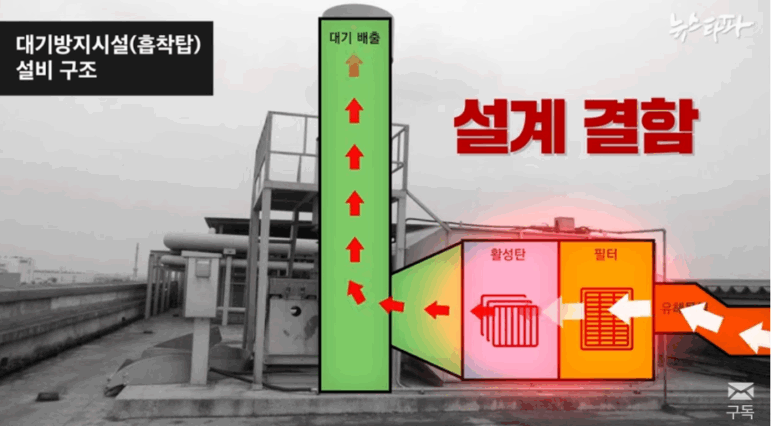
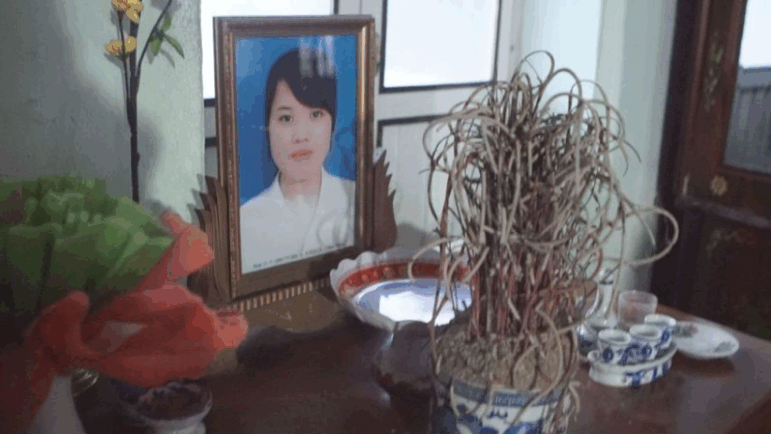
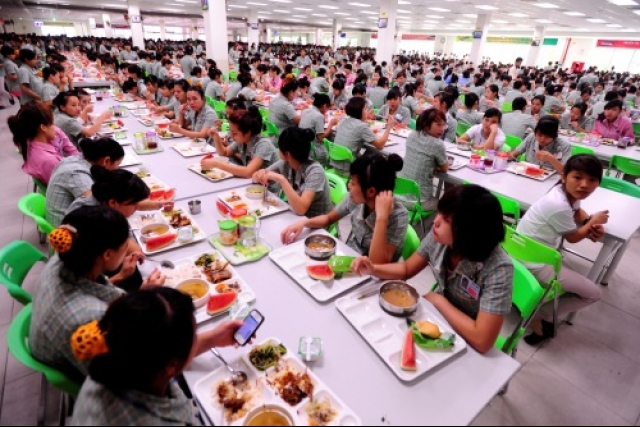
In Korea, IPEN member Supporters for the Health And Rights of People in the Semiconductor industry (SHARPS) documented health impacts on hundreds of women workers in electronics. The 2017 documentary “Stories from the Clean Room” tells first-hand stories from 23 former factory workers describing toxic exposures and the corporate abuses faced by electronics workers.

Exposing Toxic Practices in Electronics

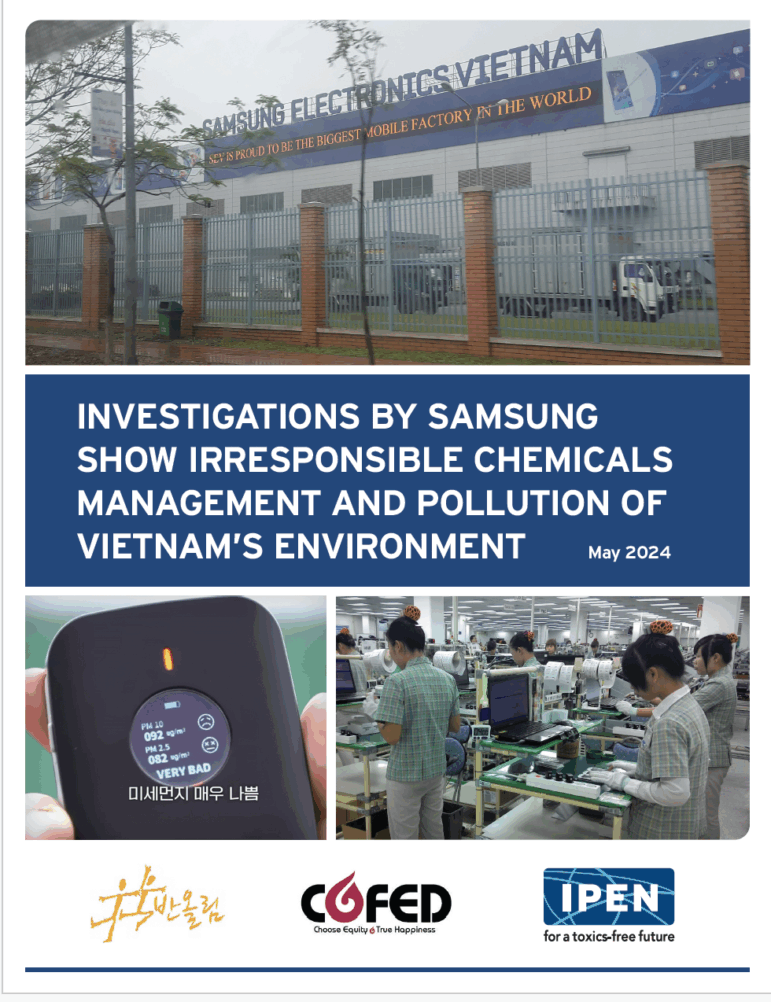
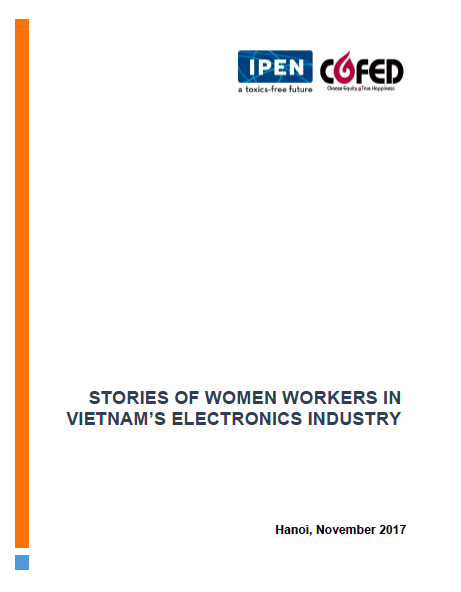
A 2024 report by IPEN, SHARPS and the Research Center for Gender, Family and Environment in Development (CGFED) found Samsung electronics factories in Viet Nam created toxic threats to workers and nearby communities. In 2017,  CGFED and IPEN documented health threats to women workers in the country’s electronics sector.

In 2019, the Korean media outlet Hankyoreh visited nine Asian cities and surveyed more than 120 workers at mobile phone factories to develop an investigative series they call, “Global Samsung: A report on unsustainable labor practices.” Click below to learn more and find links to the series of reports.

国际消除污染物网络(IPEN)
隐私概述

本网站使用 Cookie,以便为您提供最佳的用户体验。Cookie 信息存储在您的浏览器中,其功能包括在您再次访问我们的网站时识别您的身份,以及帮助我们的团队了解您对网站的哪些部分最感兴趣和最有用。.