
Within a single lifetime, Indigenous communities in the Arctic have seen the rates of illness skyrocket due to toxic pollution caused by the interlinking of chemicals, plastics and the climate crises. Respiratory disease, cancer, reproductive disorders and many other health disparities are threatening our very existence.
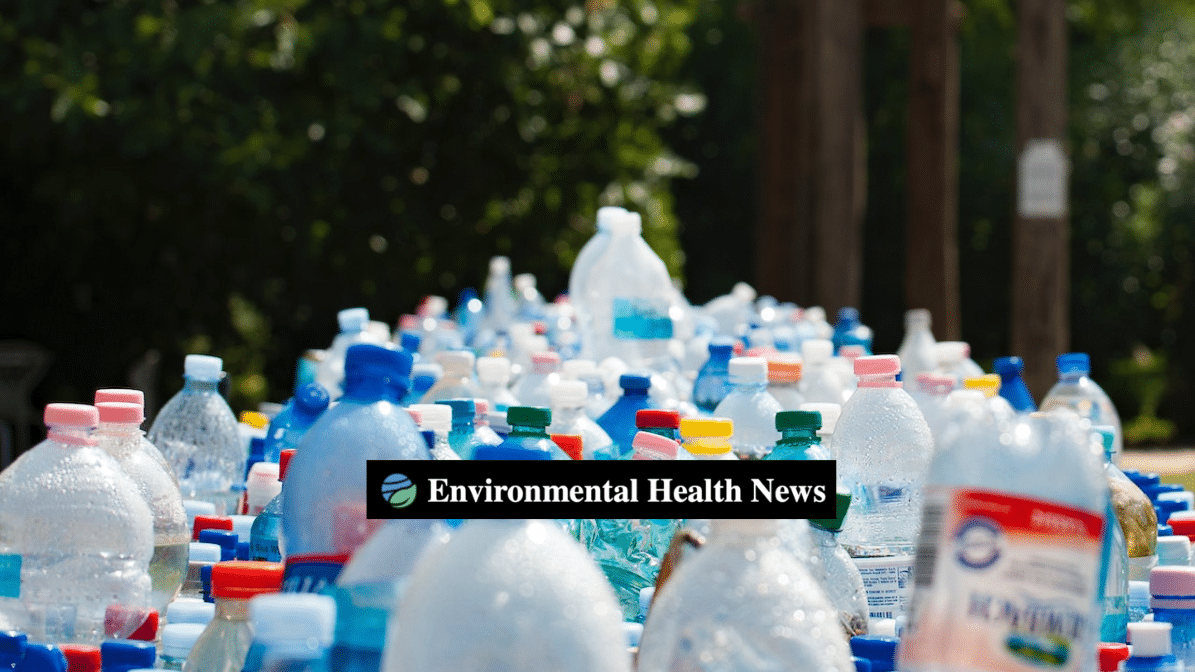
This April 23-29, the world’s nations will gather for the Plastics Treaty negotiations in Ottawa, Canada. An ambitious Plastics Treaty that controls plastic production and eliminates the use of toxic chemicals throughout the plastics life cycle is critical to protect human health and the environment. This would begin to rectify the environmental injustices experienced by Indigenous Peoples and benefit fence-line communities and all of us who are exposed to toxic chemicals from plastics.
The Plastics Treaty talks aim to finalize negotiations by the end of the year. Alaska and its inhabitants can’t wait. The Arctic is warming nearly four times faster than the rest of the world, and In 2019, over 70 of 200 Alaska Native villages were facing environmental threats from flooding, thawing permafrost, and erosions. Alaska is home to 229 federally recognized tribes, and their cultures and livelihoods are critically under threat from the linked threats of climate change, plastics, fossil fuels, and petrochemicals.
Read the full op-ed from Environmental Health News.
 English
  简体中文
简体中文  Français
  Bahasa Indonesia
  Русский
  Español
  العربية
  Shqip
Shqip  Հայերեն
  Azərbaycan dili
  Беларуская мова
  Български
  Cantonese
  Hrvatski
  Čeština
  ქართული
  Deutsch
  Ελληνικά
  हिन्दी
  Қазақ тілі
  한국어
한국어  Кыргызча
  Bahasa Melayu
  नेपाली
  Português do Brasil
  Kiswahili
  Svenska
  Tagalog
  தமிழ்
தமிழ்  ไทย
ไทย  Українська
  Tiếng Việt