

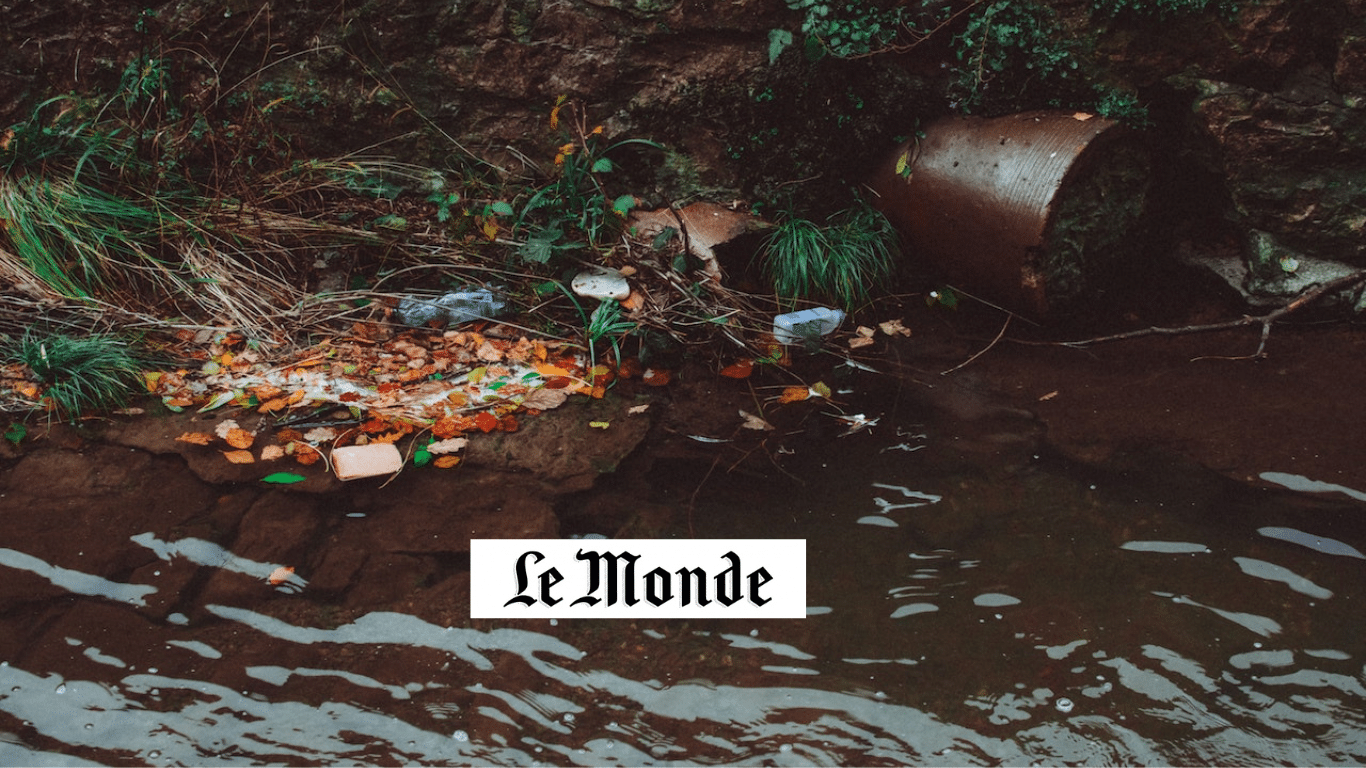
Pollution : “Nous sommes en train de créer un monstrueux réservoir de particules de plastique”
Directrice de recherche à l’Institut national de recherche pour l’agriculture, l’alimentation et l’environnement (Inrae), Nathalie Gontard est spécialiste des questions liées aux plastiques et emballages. Alors que Paris accueille jusqu’au 2 juin des négociations sur un futur traité international visant à mettre un terme à la pollution plastique, elle estime que cette dernière est « une bombe à retardement que nous léguons aux générations futures ».
Lire l’article complet en Le Monde.
Plastic Pollution is a multi-faceted threat
Over 350 million tonnes of plastic waste are generated worldwide every year, a quantity that is expected to triple by 2060 if nothing is done.
Plastics pollute throughout their lifecycle: As they age, plastic particles used in buildings, textile fibers from clothes or rubber from tires degrade into micro and nano plastics and end up in the atmosphere. This uncontrolled pollution affects every corner of the planet, right up to the summit of Mount Everest, in the 11,000-meter-deep Mariana Trench, in the deserts and on the Antarctic ice floe. The quantity of airborne microplastics observed in Arctic zones has increased 20-fold over the last decade.
A recent study by the International Pollutants Elimination Network (a global network of NGOs dedicated to the common aim of eliminating pollutants) identified more than 13,000 different chemical products. For half of these, toxicological data is lacking. Of the remaining half, 3,200 are deemed as extremely concerning substances. This long list includes phthalates, bisphenols, PCBs, brominated flame retardants and even forever chemicals, PFAS. These molecules are associated with multiple detrimental effects on health: cancers, endocrine disruption, premature births, infertility, obesity and cardiovascular diseases.
Read the full story in English 这里。.
 English
  简体中文
简体中文  Français
  Bahasa Indonesia
  Русский
  Español
  العربية
  Shqip
Shqip  Հայերեն
  Azərbaycan dili
  Беларуская мова
  Български
  Cantonese
  Hrvatski
  Čeština
  ქართული
  Deutsch
  Ελληνικά
  हिन्दी
  Қазақ тілі
  한국어
한국어  Кыргызча
  Bahasa Melayu
  नेपाली
  Português do Brasil
  Kiswahili
  Svenska
  Tagalog
  தமிழ்
தமிழ்  ไทย
ไทย  Українська
  Tiếng Việt