

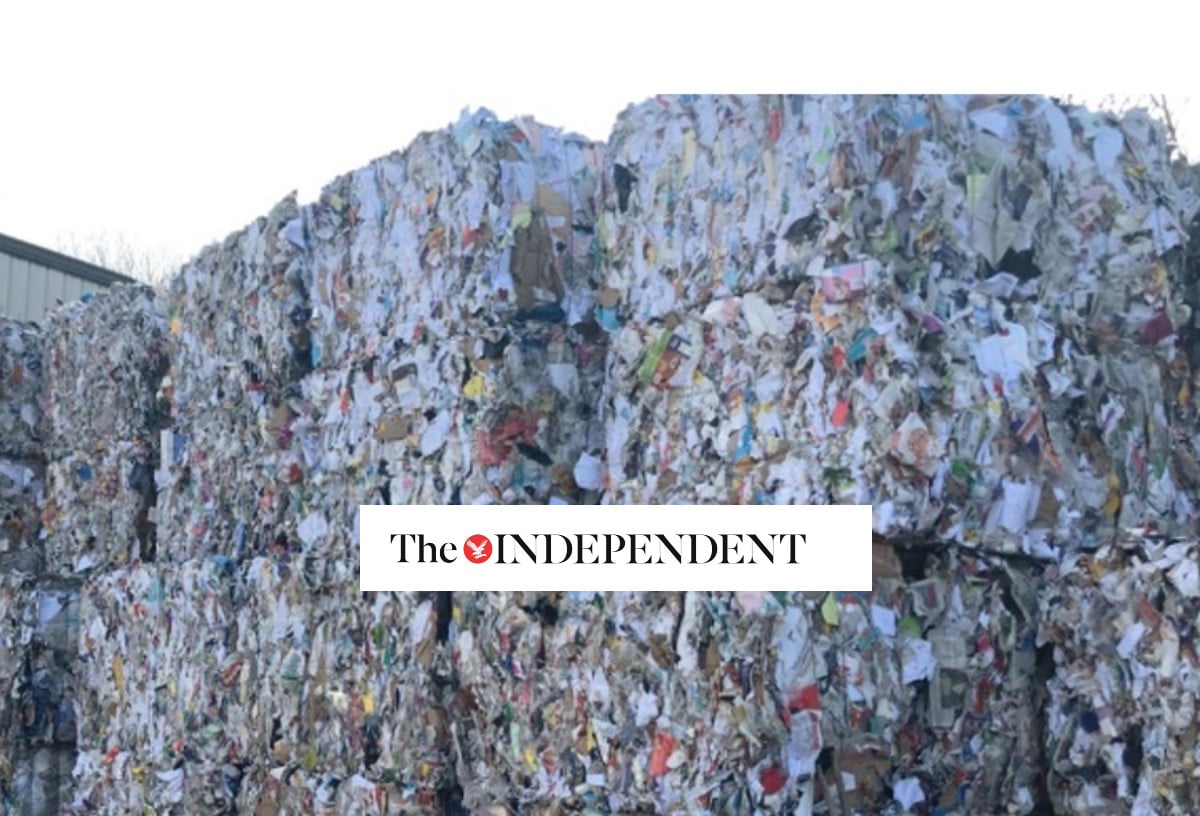
A week of tense negotiations to draft a legally binding treaty combating global plastic pollution ended in failure on Sunday night in Busan, South Korea, marking only the latest setback for global environmental diplomacy after disappointing outcomes at Cop29 and the Cop16 biodiversity summit.
The talks, which brought together nearly 200 countries under the UN Intergovernmental Negotiating Committee (INC-5), failed to resolve critical issues, including limits on plastic production, regulations on hazardous chemicals, and financial mechanisms to support developing nations.
Countries most at risk from plastic pollution rejected a watered-down proposal in the final hours, forcing negotiators to agree to reconvene next year. “We did not accept a weak treaty here, and we never will,” Juan Carlos Monterrey Gomez, of Panama, said at the plenary, receiving a long round of applause from delegates.
Bjorn Beeler, executive director of the International Pollutants Elimination Network (IPEN), said that the exclusion of civil society disproportionately disadvantaged developing nations.
“By removing high-ambition actors, you lower the ambition of the conversation,” he told The Independent. “Countries from the Global South depend on NGOs for critical information and expertise. Blocking their access effectively silences them.”
Another critical omission was binding measures to regulate harmful chemicals. Plastics are laced with over 3,000 chemicals, many of which pose serious risks to human health and the environment. While campaigners pushed for strong controls, the draft weakened provisions on this front.
“The draft text strips away systematic controls on toxic chemicals,” said Beeler. “We’re seeing weak language where there should be binding measures to eliminate these hazards.”
Read the full story in The Independent.
 English
  简体中文
简体中文  Français
  Bahasa Indonesia
  Русский
  Español
  العربية
  Shqip
Shqip  Հայերեն
  Azərbaycan dili
  Беларуская мова
  Български
  Cantonese
  Hrvatski
  Čeština
  ქართული
  Deutsch
  Ελληνικά
  हिन्दी
  Қазақ тілі
  한국어
한국어  Кыргызча
  Bahasa Melayu
  नेपाली
  Português do Brasil
  Kiswahili
  Svenska
  Tagalog
  தமிழ்
தமிழ்  ไทย
ไทย  Українська
  Tiếng Việt