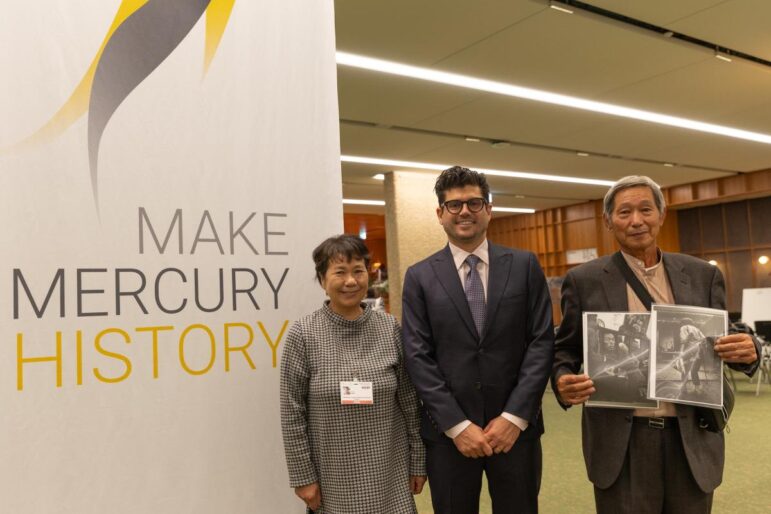

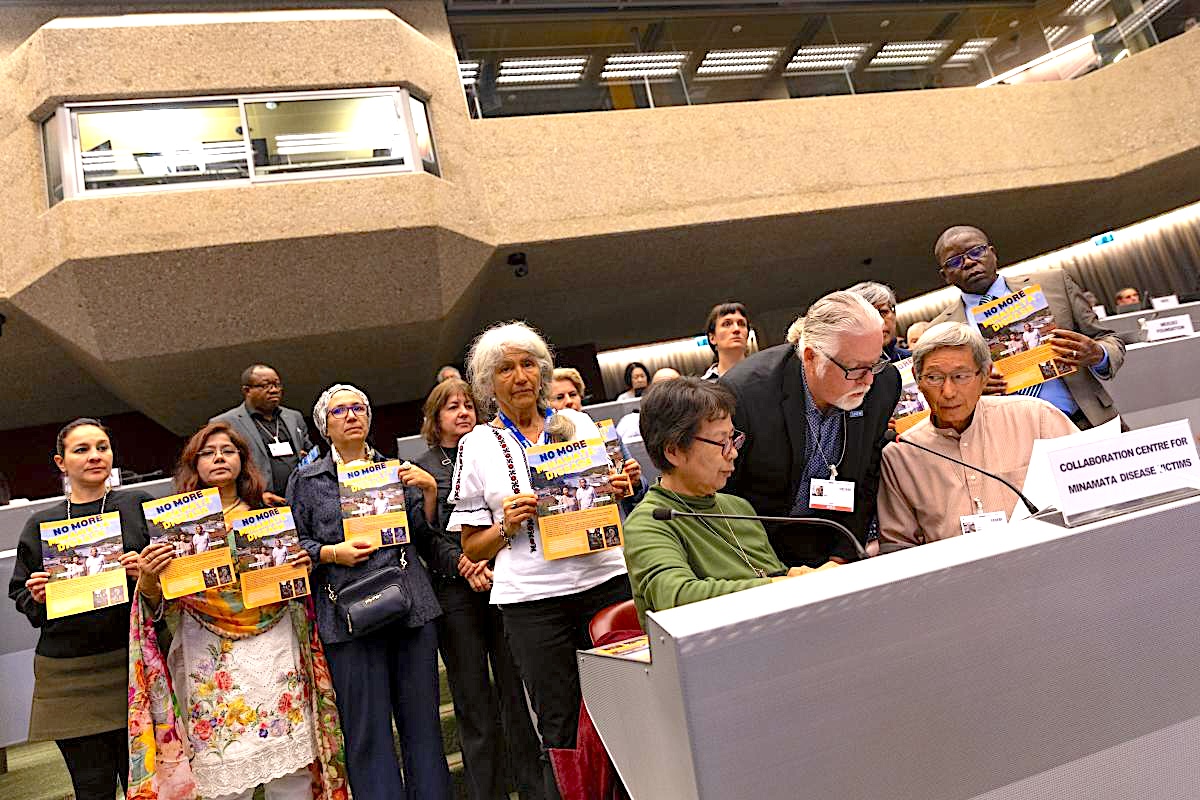

Sixth Conference of the Parties (COP-6) to the Minamata Convention on Mercury
جنيف، سويسرا
3 to 7 November 2025
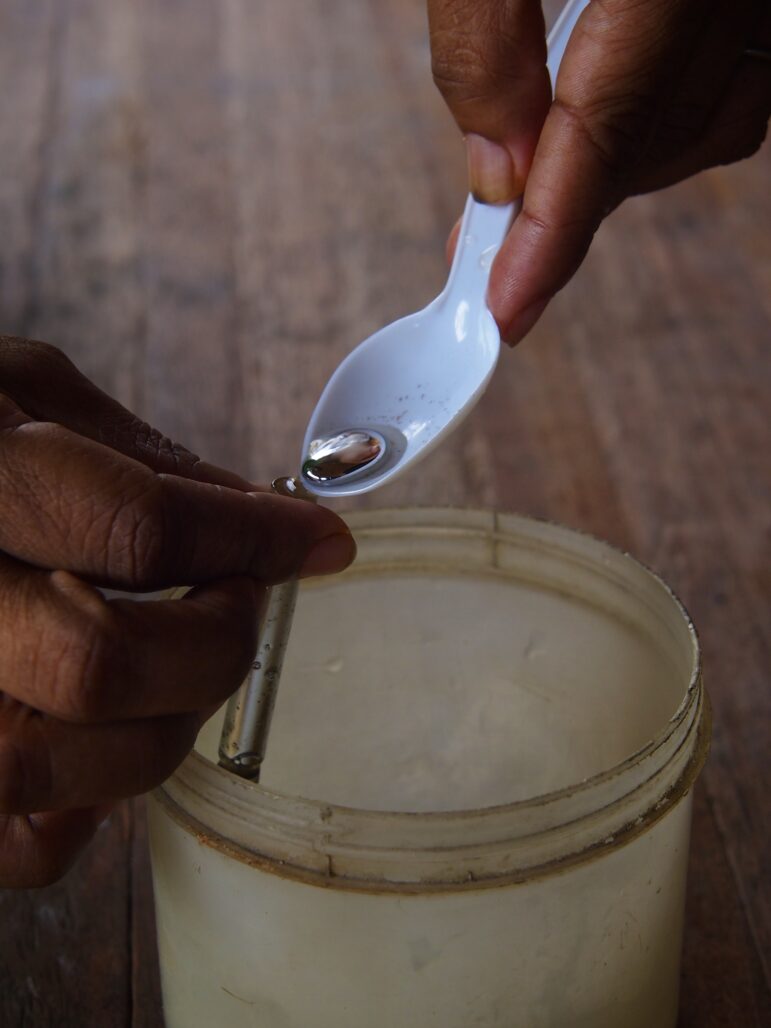
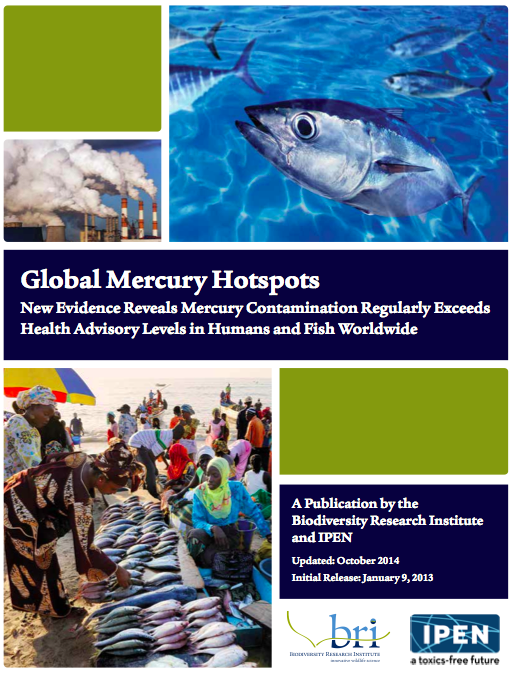
Contamination by mercury, particularly in Indigenous Peoples’ communities, has been recognized as a human rights violation. Global mercury pollution can only be tackled effectively by international regulation and government cooperation. Mercury is a hazardous neurotoxin that can cause many health problems in humans, and most exposure is caused by dietary impacts such as eating contaminated fish where mercury bioaccumulates.
تم تطوير اتفاقية ميناماتا بشأن الزئبق كأداة قانونية دولية رئيسية لحماية صحة الإنسان والبيئة من تلوث الزئبق، مع مجموعة من الضوابط على تجارة الزئبق وانبعاثاته واستخدامه.
IPEN Statement on the Conclusion of COP-6
معاهدة الزئبق تفشل في معالجة أزمة تعدين الذهب
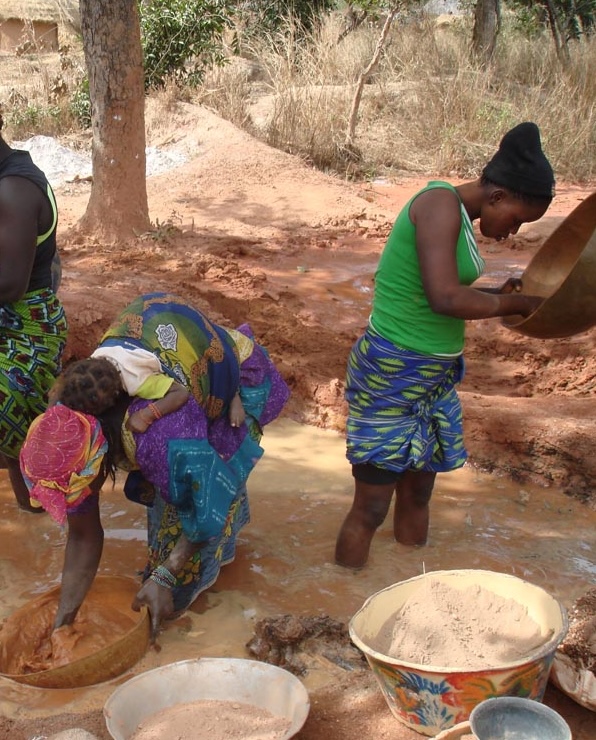
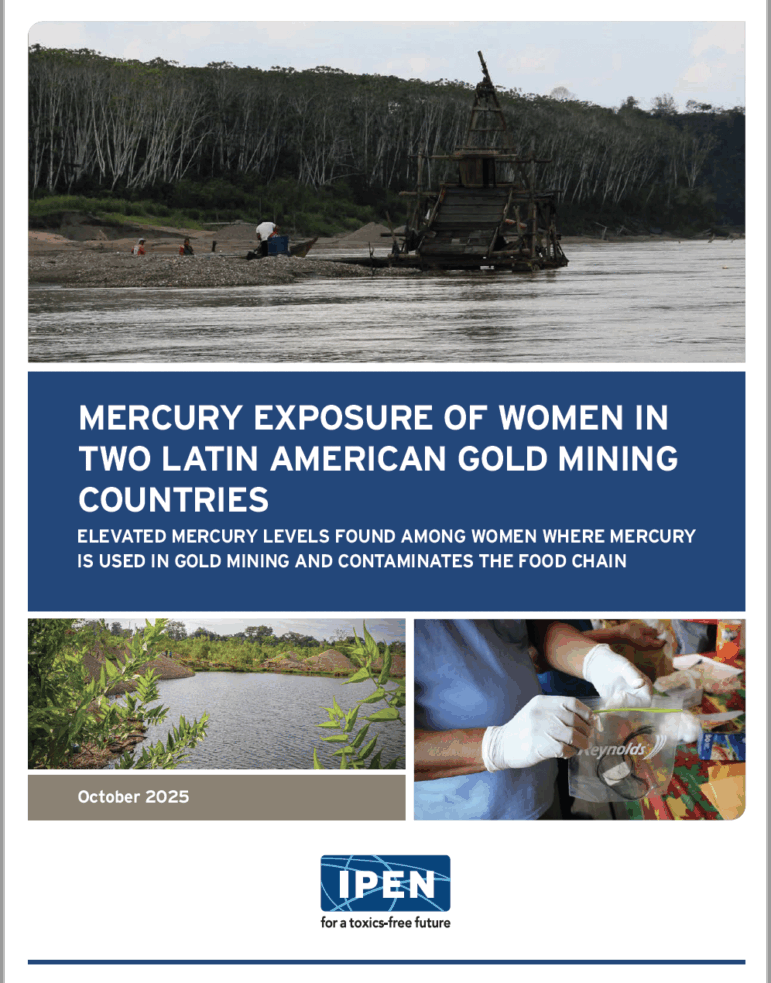
Geneva-Despite the growing crisis of mercury contamination in the Amazon, Africa and parts of Asia caused by mercury use in small-scale gold mining (also called artisanal and small-scale gold mining, ASGM), at the Sixth Conference of the Parties to the Minamata Convention this week delegates failed to take strong action toward amending the Convention to ban this use of mercury. The concerns are especially urgent in Latin America, where food sources of Indigenous Peoples are widely contaminated by mercury from ASGM. A recent IPEN study of women in Indigenous communities in Peu and Nicaragua found nearly all women had a mercury body burden that exceeded safe limits by several fold.
Click below to read the full statement.
COP-6 Materials
See COP-6 resources for delegates from IPEN, including:
- IPEN نظرات سريعة for COP-6
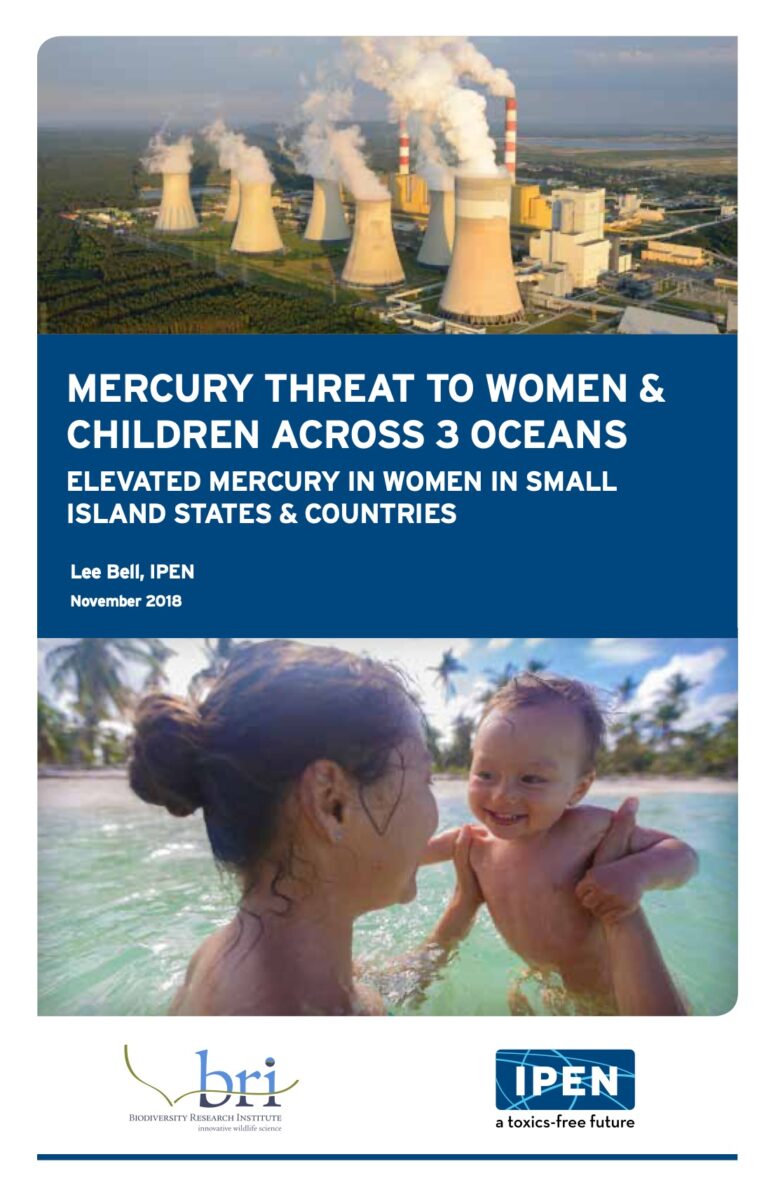
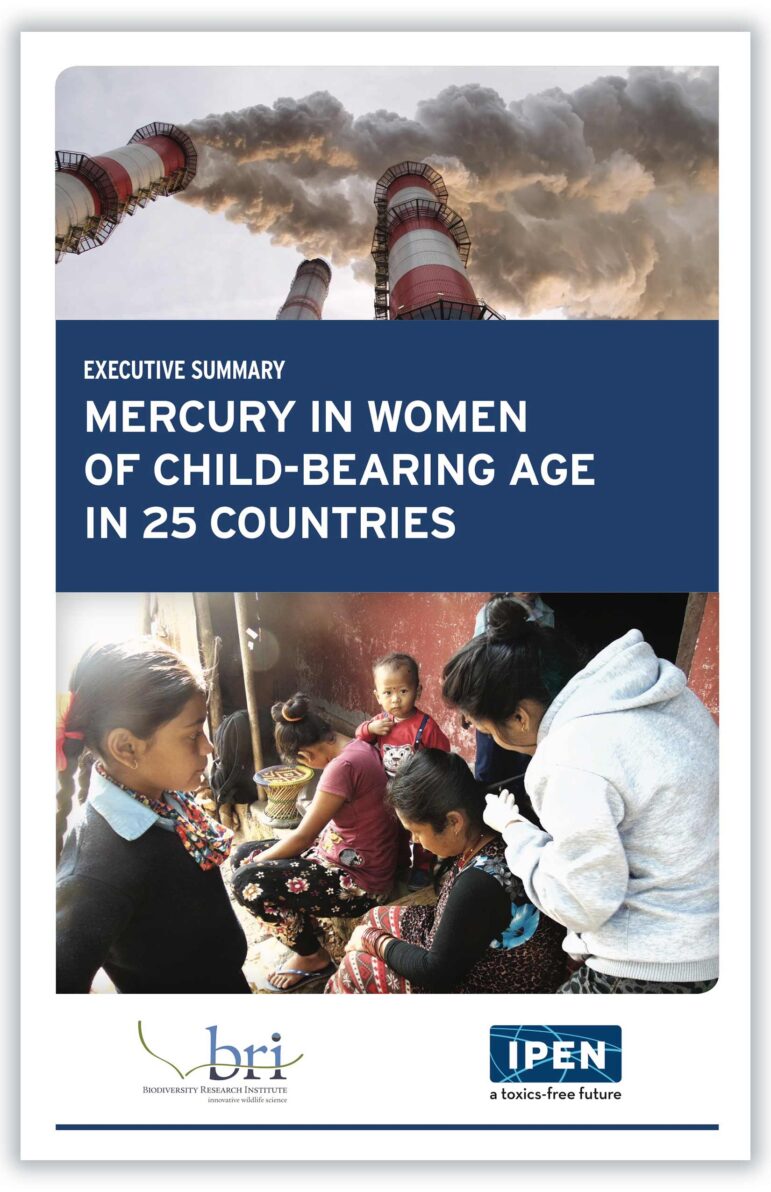
- A دراسة جديدة on high mercury levels found in Indigenous women in Peru and Nicaragua.
- Research from IPEN members on mercury from artisanal and small-scale gold mining (ASGM) in their countries.
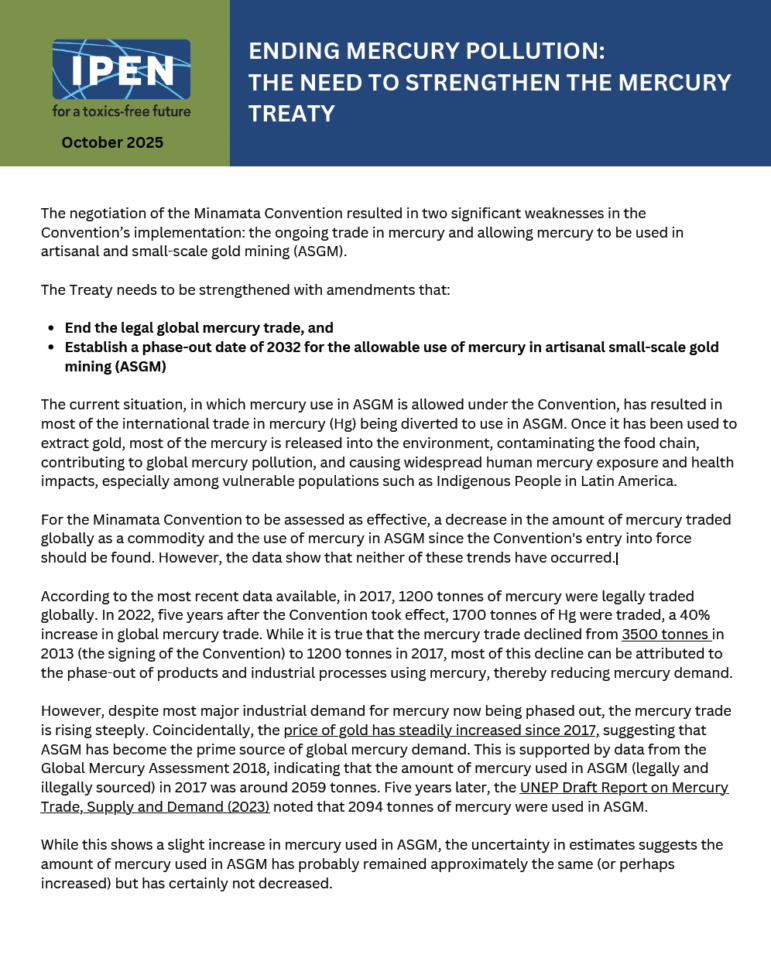
- A الإحاطة on the need for amendments to the Convention to end the global mercury trade and phase out the use of mercury in ASGM.
- A الإحاطة on the global trade in mercury.
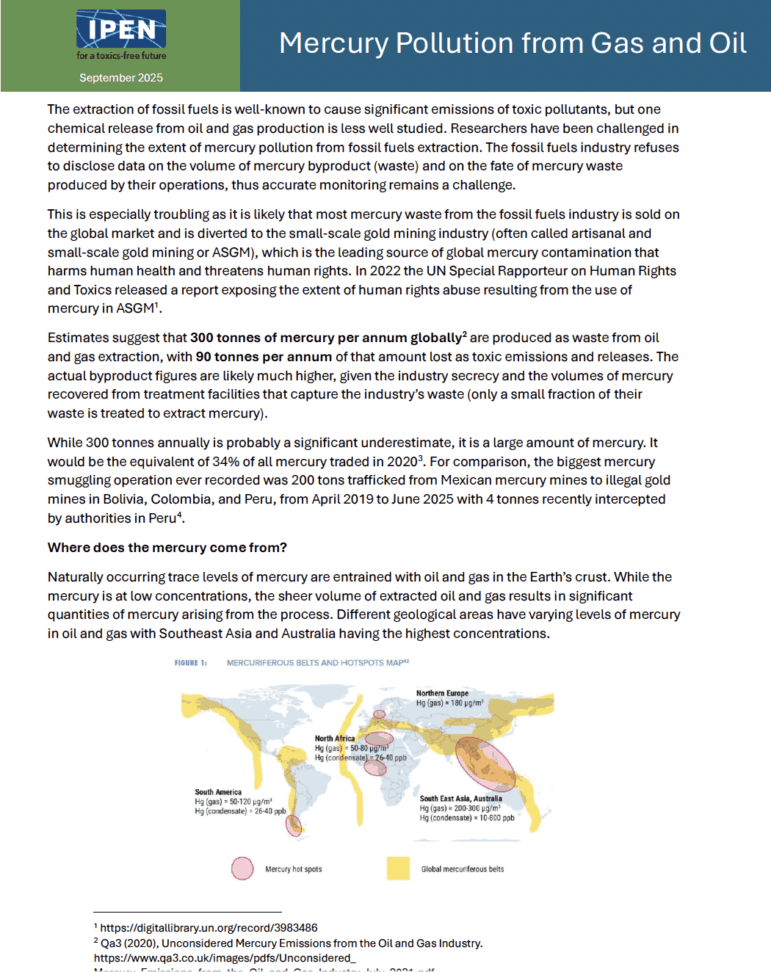
- A الإحاطة on mercury pollution from oil and gas.