



Spacer


Google Translate

IPEN

A Toxics-Free Future

Donate

IPEN South Asia Regional Meeting

December, 2025

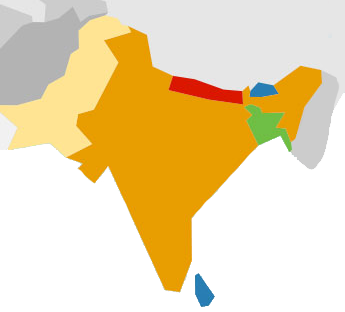
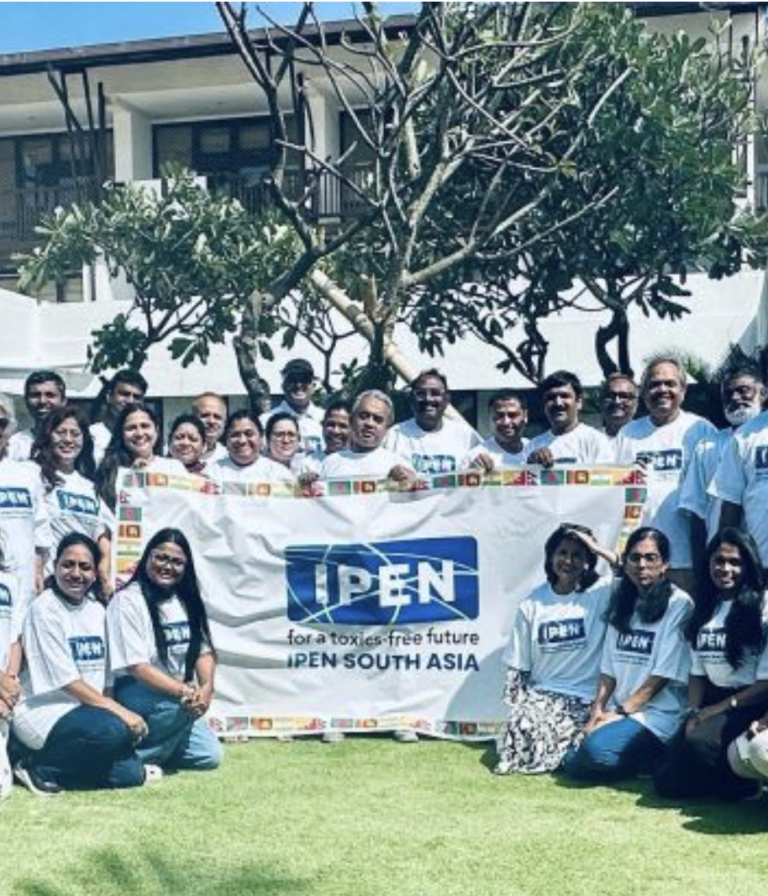
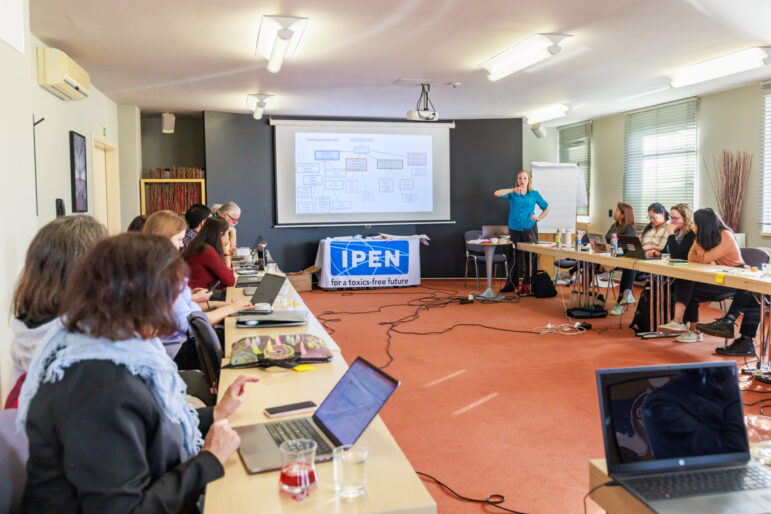
IPEN partner organizations from across South Asia came together in Negombo, Sri Lanka, from December 2–4, 2025, for a regional meeting focused on strengthening coordination, identifying priorities, and reflecting on how our work needs to evolve in a rapidly changing chemicals and waste landscape. Thirty participants from Bangladesh, India, Nepal, and Sri Lanka took part in the meeting.

The objective was clear: to move beyond updates and create a shared understanding of where the South Asia region stands, what connects our national realities, and where collective regional action makes the most sense. Discussions drew directly from country experiences and helped surface common regional challenges. The meeting also strengthened participants’ understanding of IPEN’s structure and facilitated discussion on the IPEN 2030 Strategy and its alignment with regional priorities.

An interactive vision-mapping exercise early in the programme helped set the tone. Participants reflected on what a toxics-free South Asia could and should look like by 2030, identifying common challenges and realistic pathways forward. This was followed by country snapshots and thematic discussions that allowed partners to learn directly from each other’s work, challenges, and strategies. Many participants noted that these exchanges deepened their understanding of IPEN’s work by clearly linking national efforts to regional and global chemical policy processes.

The agenda focused on both established and emerging priority issues for the region. Sessions on PFAS, lead (in paints, medicines and other products), microplastics, endocrine-disrupting chemicals (EDCs), women and chemicals and youth engagement were seen as particularly relevant and timely. Newer areas such as antimicrobial resistance (AMR) and refuse-derived fuel (RDF) generated strong interest, with several participants identifying them as important gaps that IPEN South Asia should engage with more systematically. 

Breakout groups played a central role in the meeting. These sessions helped participants collectively identify regional priorities, explore where collaboration is most needed, and discuss concrete activities that could be taken forward together. The emphasis was not only on what issues to work on, but also on how, including the need to move beyond treaty awareness toward national and local implementation, enforcement, and evidence-building.

Capacity building was also an important part of the programme. A practical introduction to AI tools for nonprofits was included to explore how emerging technologies can support research, documentation, communications, and proposal development. While introductory, the session was well-received, with many participants expressing interest in more hands-on and in-depth training in the future.

Across evaluations, participants consistently highlighted the value of being together in person. The opportunity for open discussion, informal exchanges, and relationship-building strengthened trust and created space for genuine cross-learning. Several partners noted that the meeting helped them build new connections across the region and identify peers whose approaches and experiences they would like to learn from and collaborate with going forward.

The meeting closed with a shared understanding of regional priorities and a clear sense of direction for the next phase of work. Inputs from the discussions are being consolidated to inform follow-up actions, strengthen regional coordination, and guide future collaborative efforts within IPEN South Asia.


Policy Area: