


The Stockholm Convention
IPEN was founded to ensure that the people most affected by toxic pollutants – mostly communities in low- and middle-income countries in Africa, Asia, Latin America, and other regions – would have their voices heard in chemical policy deliberations that impact their lives. The Stockholm Convention negotiations were the first global policy events IPEN and its members engaged in, beginning at IPEN’s founding in 1998.
IPEN and the Stockholm Convention
In 2001, IPEN welcomed adoption of the Stockholm Convention on Persistent Organic Pollutants. The Convention entered into force in 2004 with ratification by an initial group of 128 nations. Today, more than 200 countries are Parties to the Convention and meet biannually at the Conference of Parties (COP), together with the Basel and Rotterdam Conventions, collectively referred to as the BRS COPs.
IPEN also engages at the Stockholm Convention’s advisory body, the POPs Review Committee (POPRC), participating in meeting deliberations, informing the panel with the latest science, and advocating for global elimination of toxic threats.
Even at very low levels of exposure, POPs have the potential to cause serious health problems.
Under the Stockholm Convention, POPs are defined as chemicals that:
- Are persistent, they remain intact in the environment for a long time.
- Are toxic, posing adverse effects on human health and the environment.
- Are bioaccumulative, building up in living organisms (including people) and the food chain.
- Are subject to long-range transport – they move through soil, water, and air and are widely found throughout the environment, even far from where they were produced or used.
Today, more than 40 highly hazardous chemicals, including some chemical groups that cover hundreds of chemicals, are listed for global elimination under the Convention. Read more on IPEN’s history and role in the Stockholm Convention.
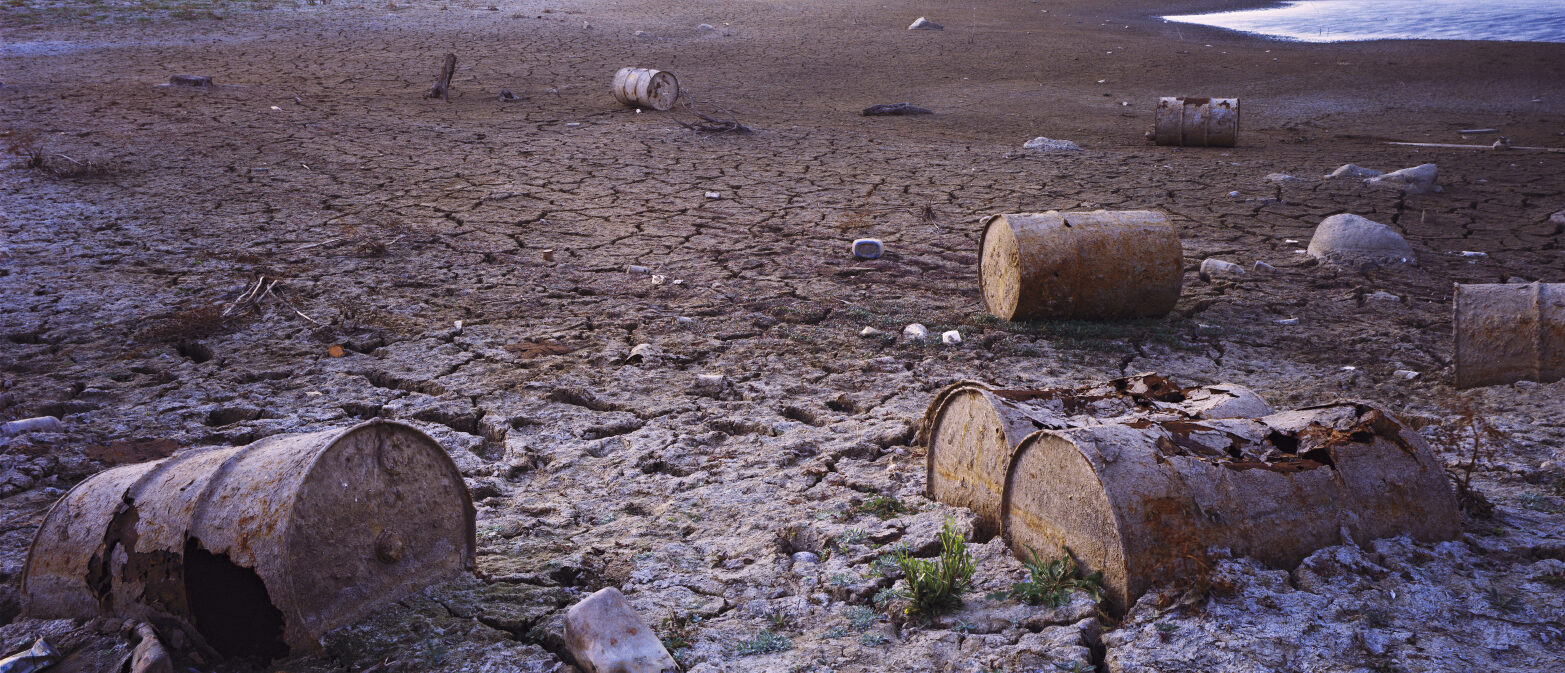
The Convention also includes guidelines for disposal of waste contaminated by POPs and cleanup of contaminated sites. IPEN co-authored the guidelines and works for sustainable management and clean up of contaminated sites using non-combustion technologies.