

Spacer


Google Translate

IPEN

A Toxics-Free Future

Donate

You are here

Mercury Treaty COP6

Global mercury pollution has been recognised as a major problem that can only be tackled effectively by international regulation and government cooperation. Contamination by mercury, particularly in Indigenous People's communities, has been recognized as a human rights violation. Mercury is a hazardous neurotoxin that can cause many health problems in humans, and most exposure is caused by dietary impacts such as eating contaminated fish where mercury bioaccumulates. 

The Minamata Convention on Mercury has been developed as the main international legal instrument to protect human health and the environment from mercury pollution with range of controls on trade, emissions, and use of mercury. The Sixth Conference of the Parties (COP-6) of the Minamata Convention on Mercury (Mercury Treaty) takes place in Geneva from 3 to 7 November 2025 and several important decisions will be discussed.

See IPEN's press statement at the conclusion of COP-6 here.

Find IPEN's Quick Views for COP-6 here.

See the latest resources from IPEN, including:

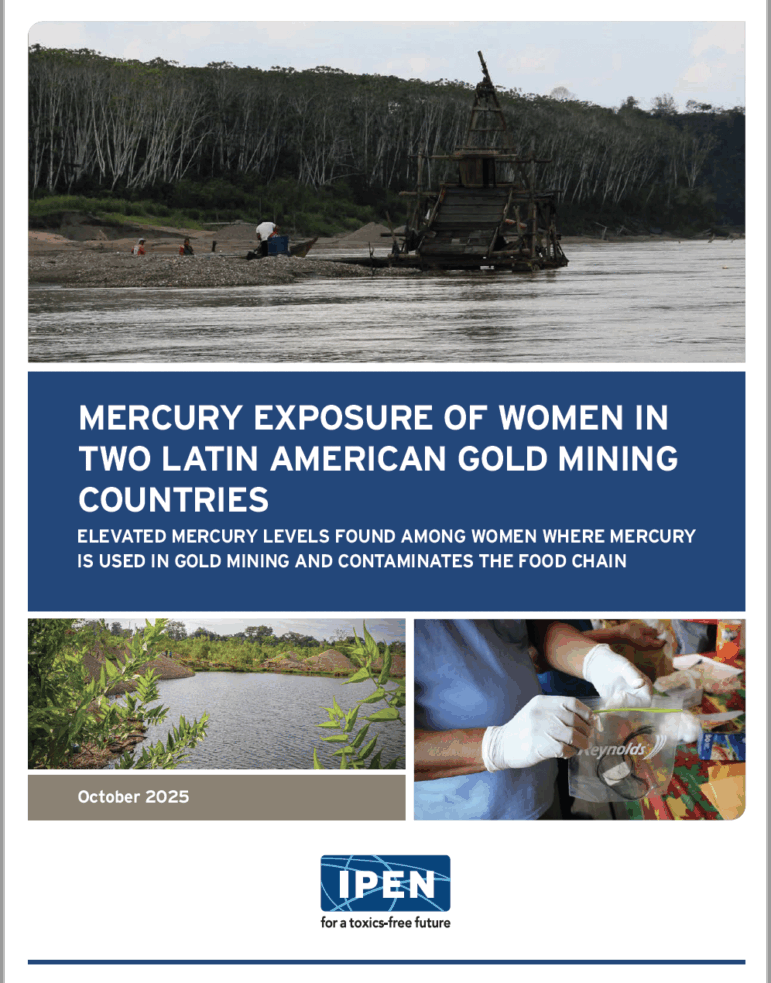
  • A new study on high mercury levels found in Indigenous women in Peru and Nicaragua.
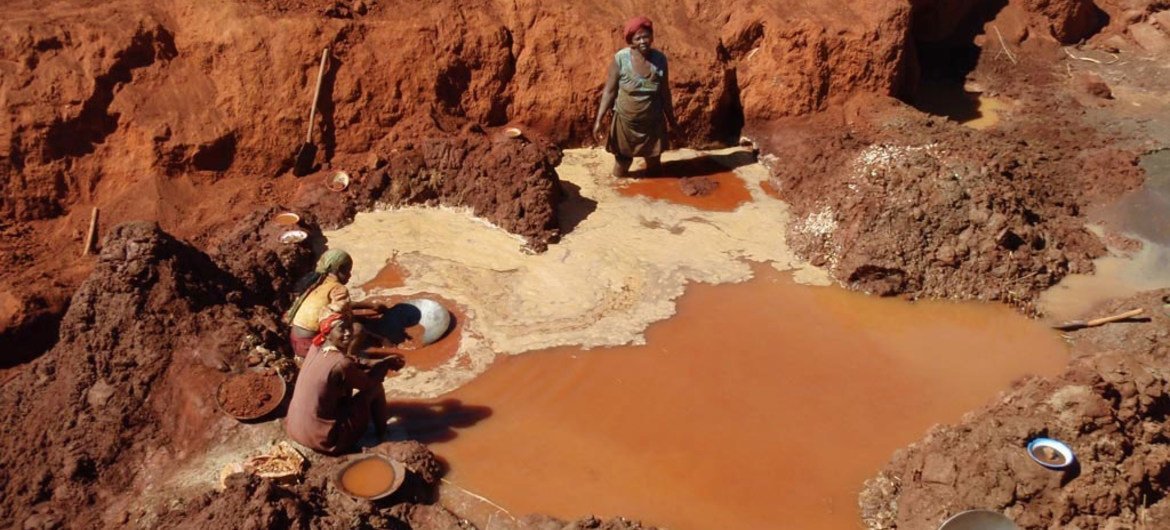
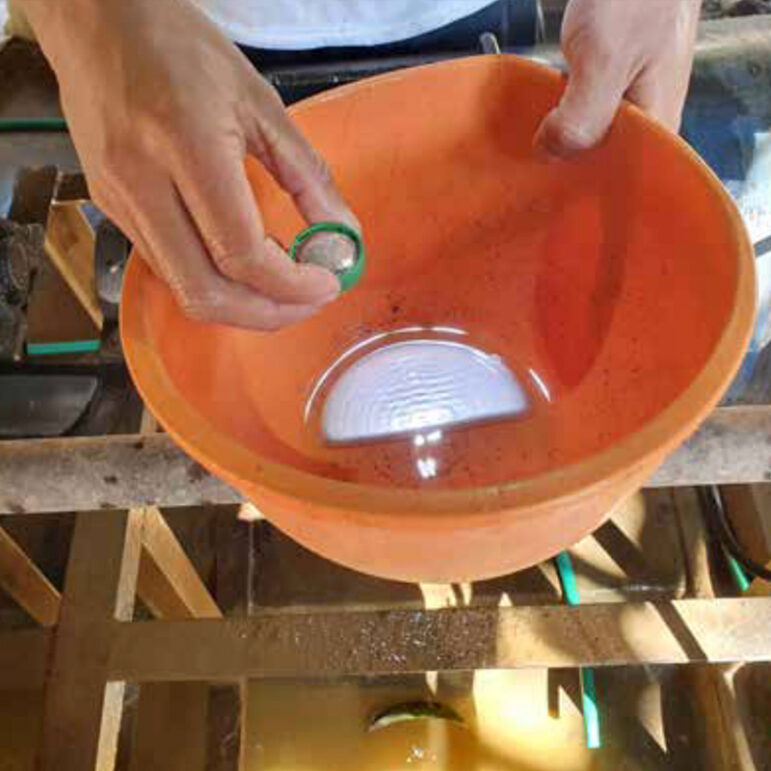
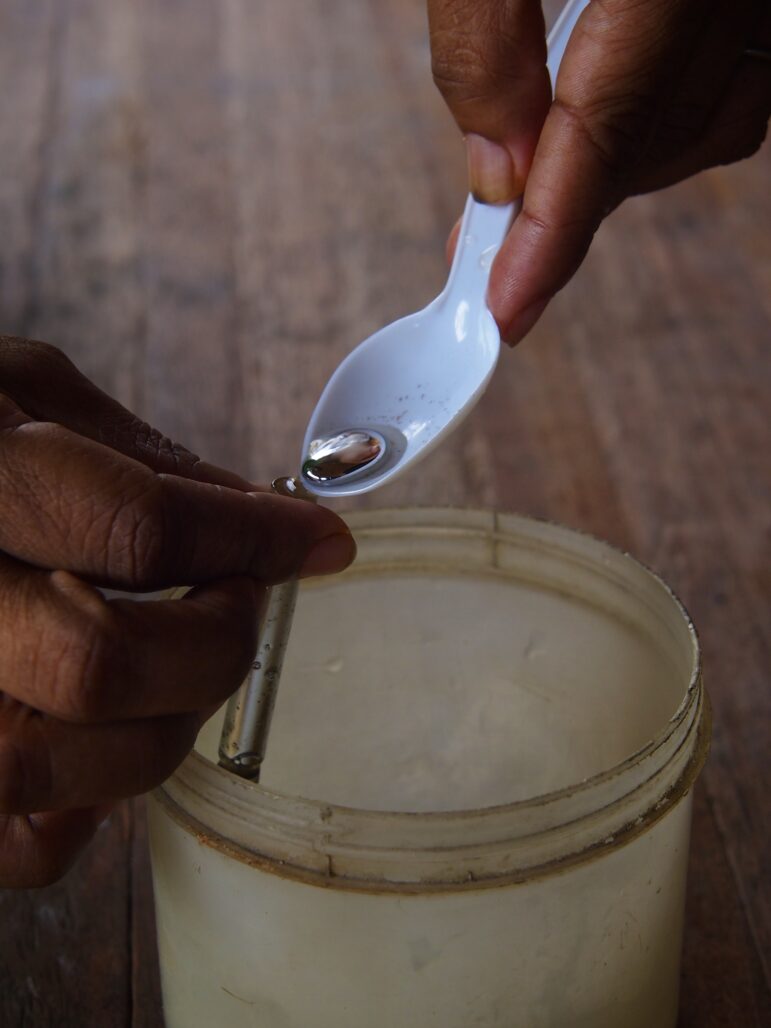
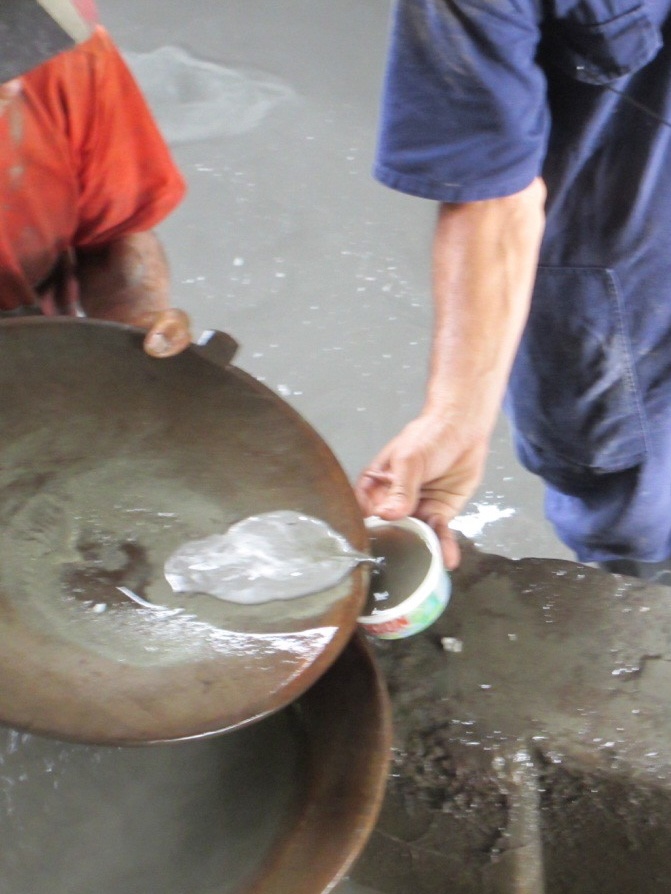
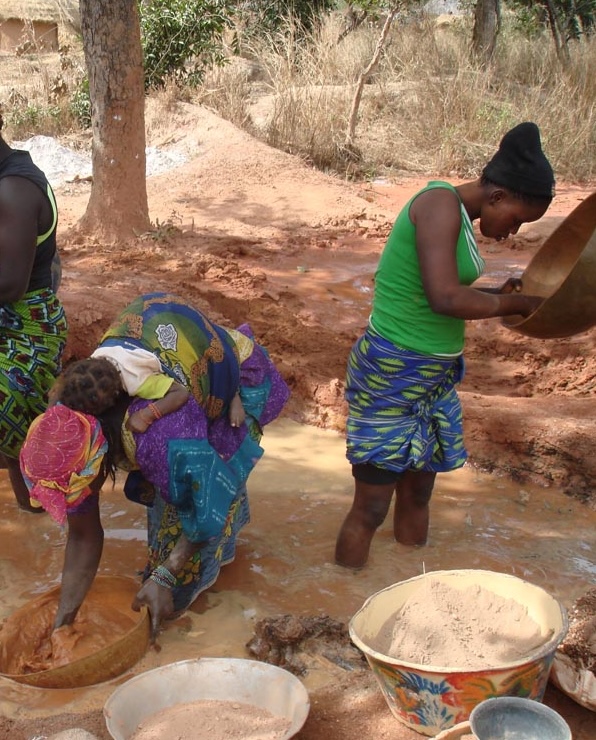
  • Research from eight countries on mercury from artisanal and small-scale gold mining (ASGM).
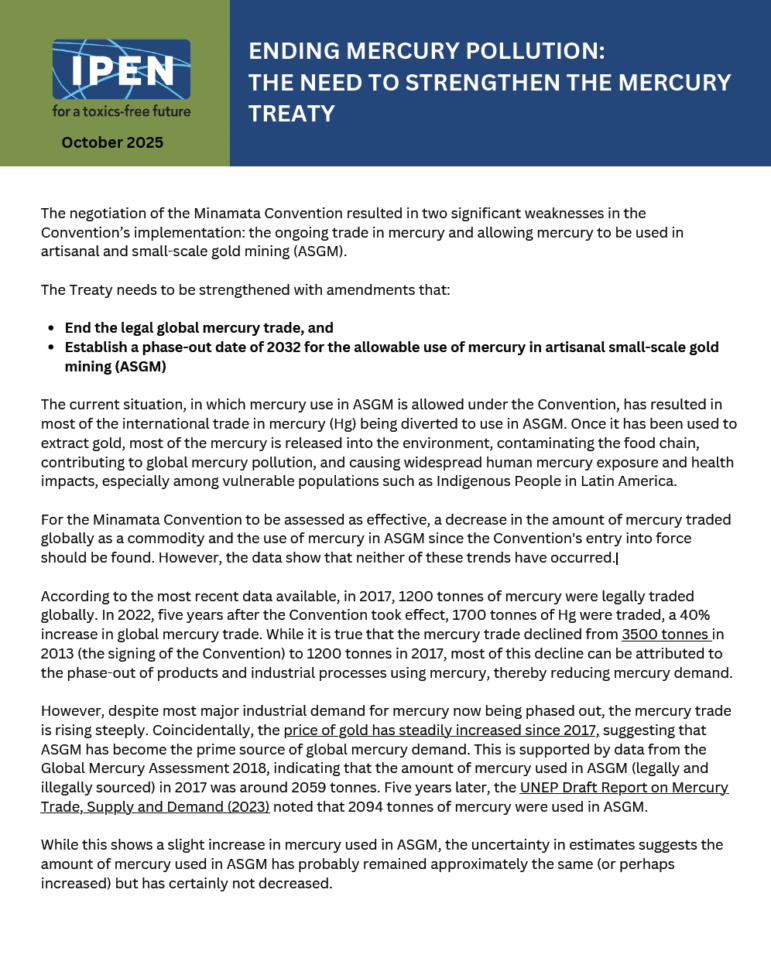
  • A briefing on the need for amendments to the Convention to end the global mercury trade and phase out the use of mercury in ASGM.
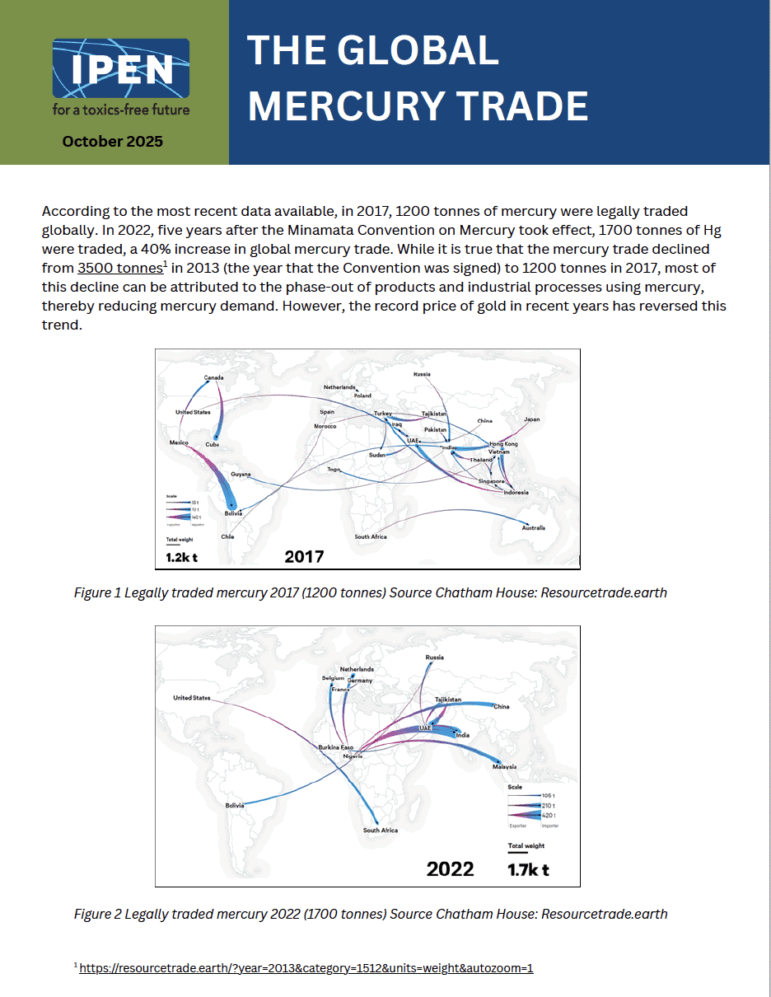
  • A briefing on the global trade in mercury.
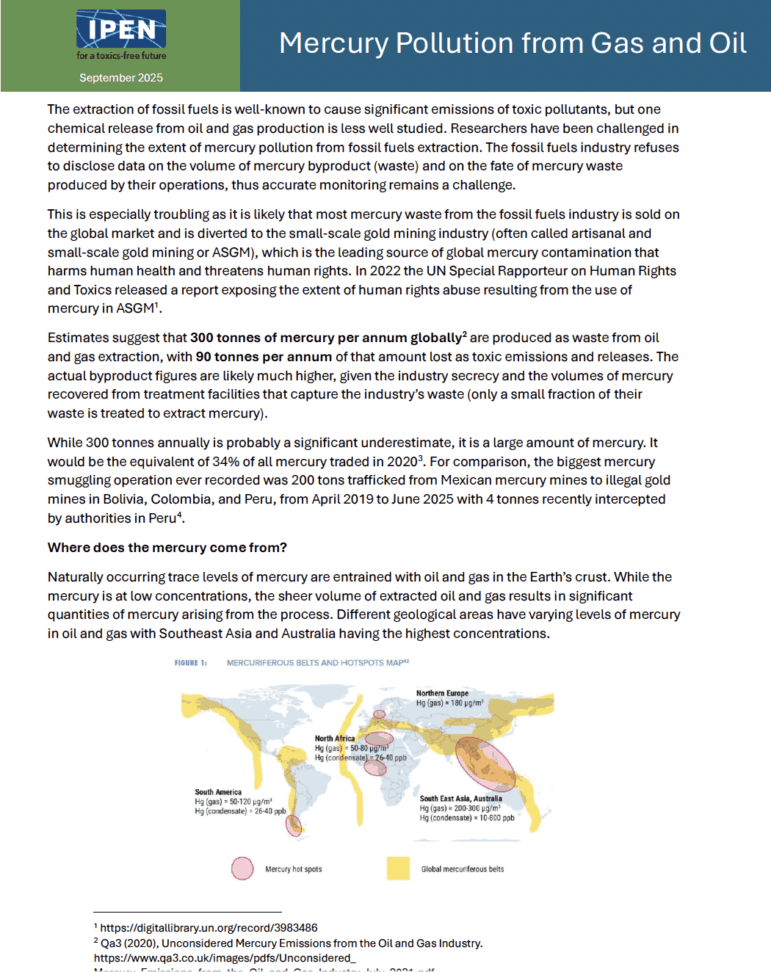
  • A briefing on mercury pollution from oil and gas.

IPEN co-hosted an educational briefing for delegates on Health, Human Rights and Mercury Impacts of ASGM: Prioritising Health Interventions on Tuesday, November 4, 2025.


Policy Area: 

Conference variant