
Until only a few years ago, developing countries and countries with economies in transition had very limited access to information about the severe health and environmental harm caused by persistent organic pollutants (POPs) and other chemical pollutants.
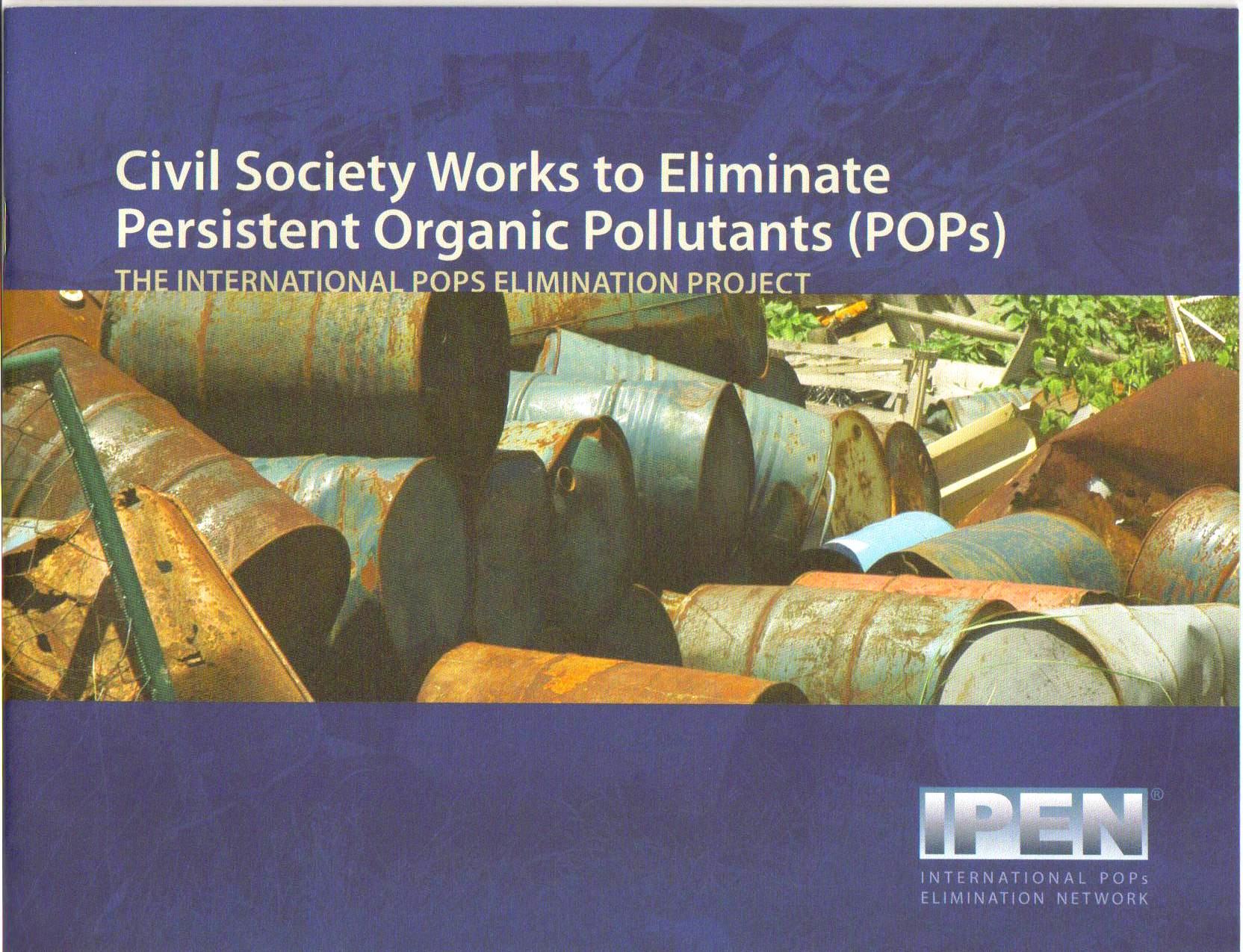
IPEN helped to change that situation through its International POPs Elimination Project (IPEP), which was created in order to assist countries with implementation of the Stockholmer Übereinkommen– the world’s first global treaty to establish a process for eliminating POPs. Conducted between 2004 and 2007, IPEP introduced the topic of toxic chemical elimination to IPEN member groups and other partners throughout the world and helped equip them to work with their governments and other stakeholders on POPs pollution in their countries. The project was conducted in partnership with the United Nations Industrial Development Organization (UNIDO) and the United Nations Environment Program (UNEP), with the Global Environment Facility (GEF) providing core funding for the project.
Through IPEP, IPEN encouraged and enabled more than 350 public interest groups in 65 developing countries and countries with transiting economies to engage in more than 290 activities. Key objectives accomplished included:
- Preparation for Stockholm Convention Implementation. The Project supported civil society participation in the development of Stockholm Convention National Implementation Plans (NIPs), training and awareness workshops, and public information and awareness-raising activities. It also supported the preparation and dissemination of NGO reports describing the country situation with respect to POPs, reports on contaminated sites and practices leading to POPs formation, and POPs-related policy briefs.
- Enhanced NGO Skills and Knowledge. IPEP increased the number of NGOs interested and knowledgeable about POPs and other issues related to sound chemicals management, and it helped build the capacity of both individuals and NGOs to engage on issues related to POPs and the Stockholm Convention.
- Regional NGO coordination and capacity in all regions of the world. IPEP established eight Regionale Drehkreuze based within existing NGOs. These Hubs ultimately became an integral part of IPEN’s global coordinating structure. Hub responsibilities in IPEP included: identifying NGOs with an interest and ability to work on IPEP activities; assistance to NGOs in preparing qualified proposals, executing activities and reporting; facilitation of communications between NGOs in the region; and dissemination of relevant information to stakeholders and the public.
The 2007 IPEP final report is available hier.
 English
  简体中文
简体中文  Français
  Bahasa Indonesia
  Русский
  Español
  العربية
  Shqip
Shqip  Հայերեն
  Azərbaycan dili
  Беларуская мова
  Български
  Cantonese
  Hrvatski
  Čeština
  ქართული
  Deutsch
  Ελληνικά
  हिन्दी
  Қазақ тілі
  한국어
한국어  Кыргызча
  Bahasa Melayu
  नेपाली
  Português do Brasil
  Kiswahili
  Svenska
  Tagalog
  தமிழ்
தமிழ்  ไทย
ไทย  Українська
  Tiếng Việt