




Six chickens of various colors walk on dry, reddish-brown soil with scattered rocks and sparse, greenish plants in the background.

Using Eggs to Expose Toxic Health Threats

20+ Years of Studies

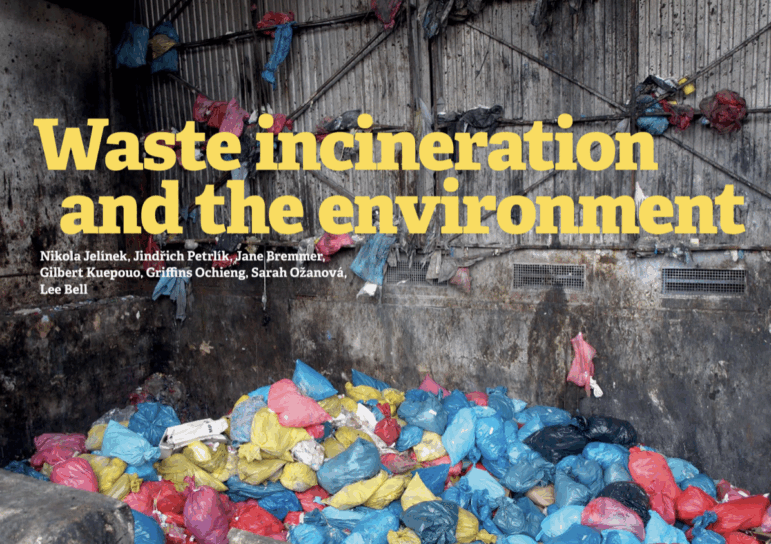
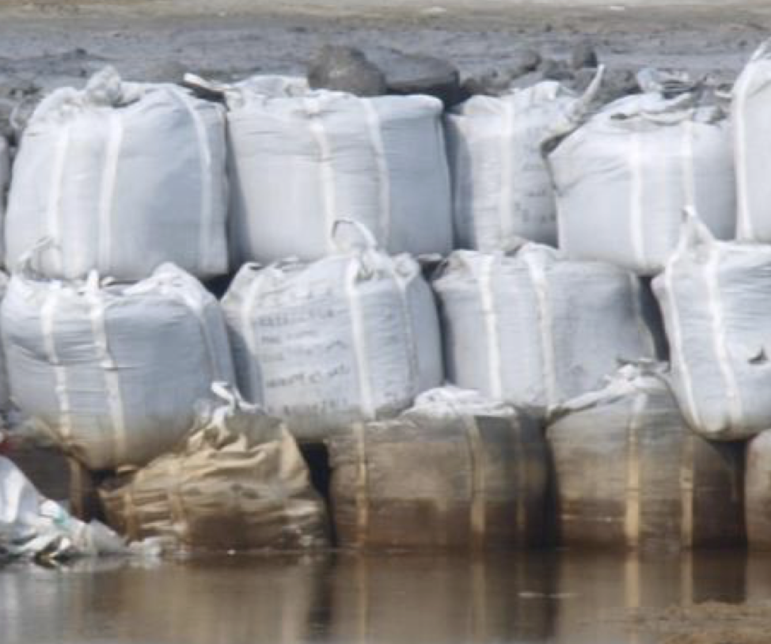
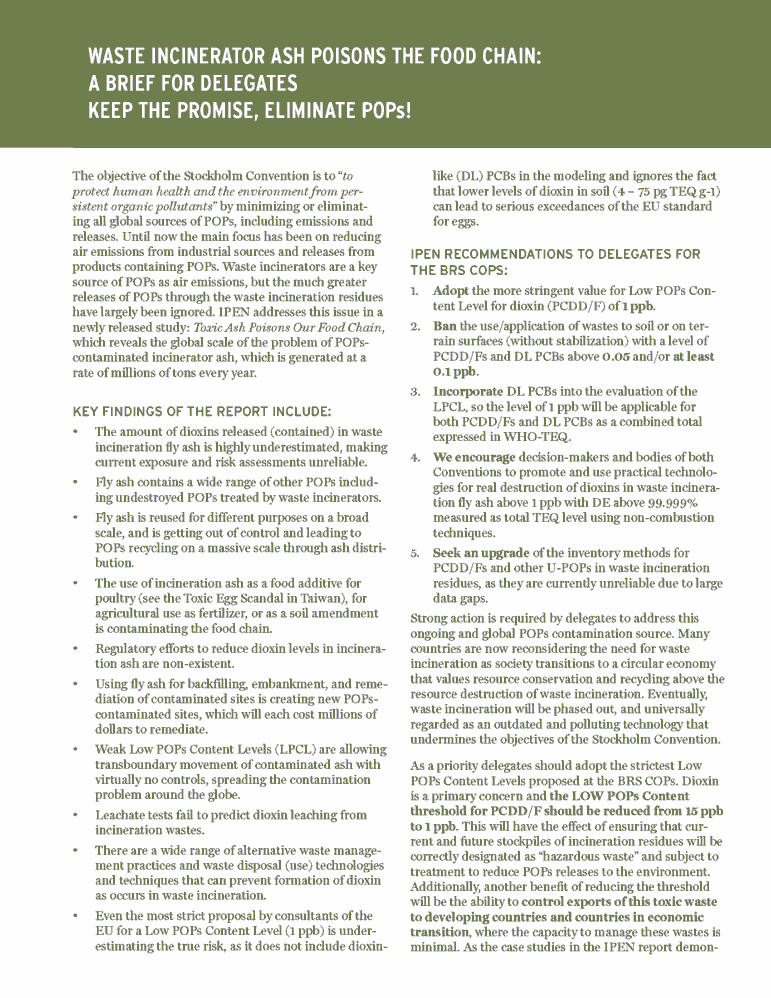
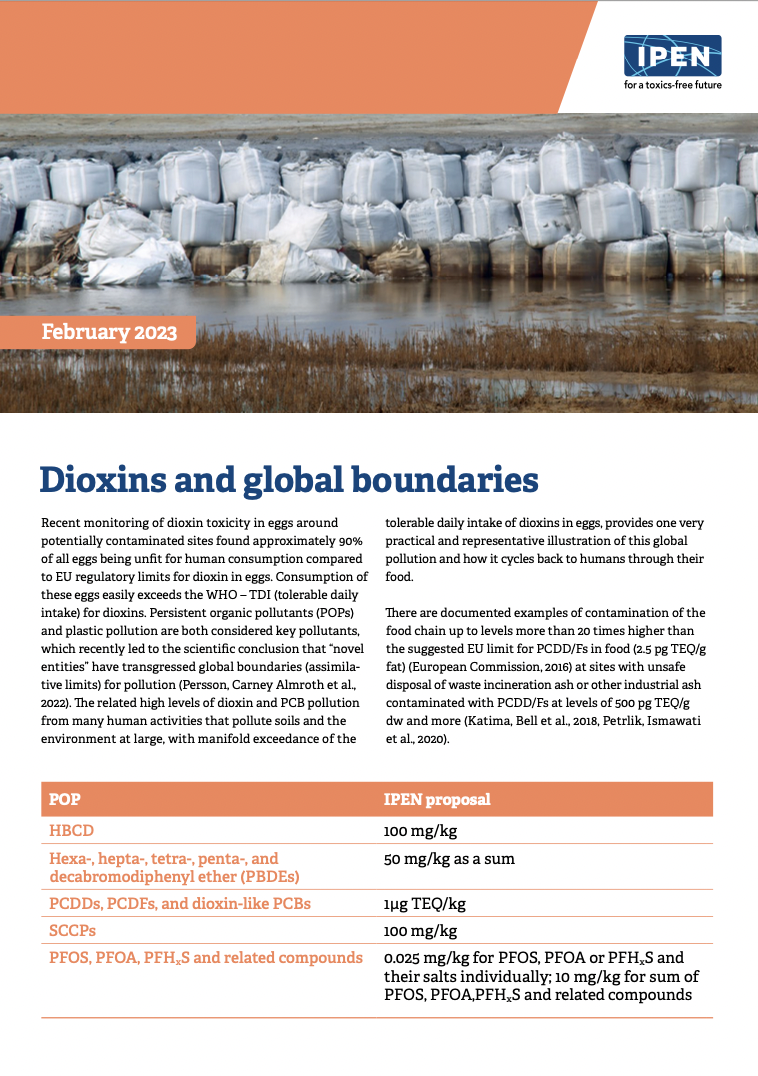
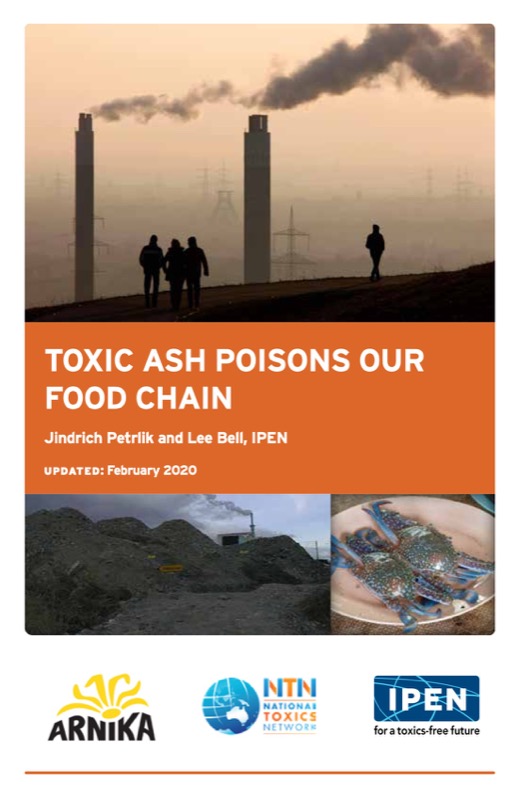
Since 2005, IPEN has been conducting scientific egg sampling projects to expose threats from persistent organic pollutants (POPs) and other toxic chemicals. By collecting eggs laid by free-range chickens that roam close to waste incinerators, cement kilns, landfills, and waste dumps, IPEN with its member group Arnika and other IPEN members from around the world have documented how high levels of toxic chemicals from these facilities contaminate the environment and the food chain.

child-with-egg

Acción mundial y nacional

See IPEN’s global and country-based egg studies below. You can also see more studies in IPEN’s plastics map, including several studies on plastic waste incineration, plastic waste disposal, and plastic waste fuels.

Eggs: Indicators of Chemical Contamination

Chicken eggs are sensitive indicators of chemical contamination in soils and dust and because they are widely consumed, they are a common exposure pathway between environmental pollution and humans. By eating eggs, people from contaminated areas can readily experience toxic exposures that exceed safety thresholds for the protection of human health. IPEN works through the Stockholm Convention and other global forums to provide evidence from egg studies that demonstrates threats to health and the environment from toxic chemicals.

Publicaciones

IPEN (Red Internacional de Eliminación de Contaminantes)
Resumen de privacidad

Esta web utiliza cookies para que podamos ofrecerte la mejor experiencia de usuario posible. La información de las cookies se almacena en tu navegador y realiza funciones tales como reconocerte cuando vuelves a nuestra web o ayudar a nuestro equipo a comprender qué secciones de la web encuentras más interesantes y útiles.