




Six chickens of various colors walk on dry, reddish-brown soil with scattered rocks and sparse, greenish plants in the background.

Using Eggs to Expose Toxic Health Threats

20+ Years of Studies

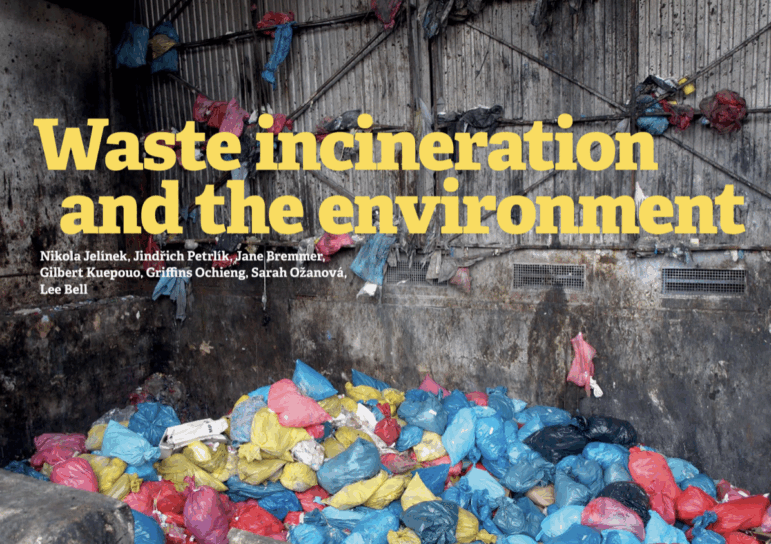
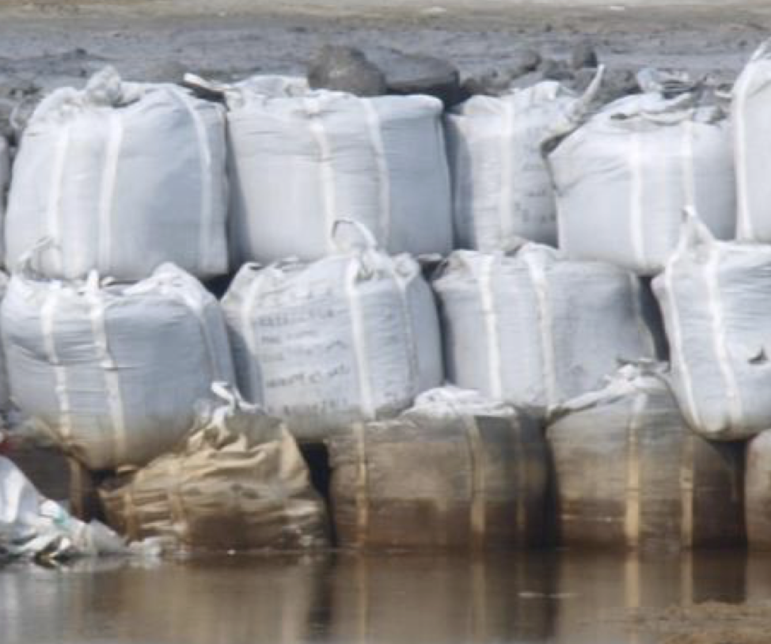
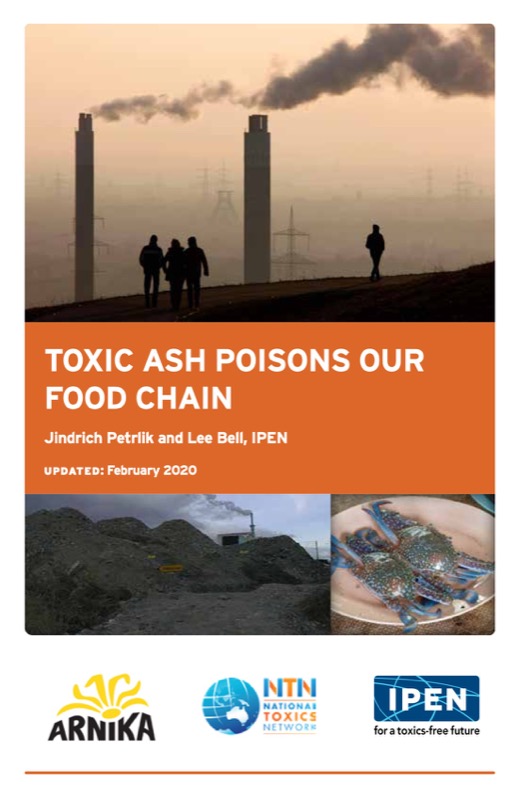
Since 2005, IPEN has been conducting scientific egg sampling projects to expose threats from persistent organic pollutants (POPs) and other toxic chemicals. By collecting eggs laid by free-range chickens that roam close to waste incinerators, cement kilns, landfills, and waste dumps, IPEN with its member group Arnika and other IPEN members from around the world have documented how high levels of toxic chemicals from these facilities contaminate the environment and the food chain.

child-with-egg

Globala och nationella åtgärder

See IPEN’s global and country-based egg studies below. You can also see more studies in IPEN’s plastics map, including several studies on plastic waste incineration, plastic waste disposal, and plastic waste fuels.

Eggs: Indicators of Chemical Contamination

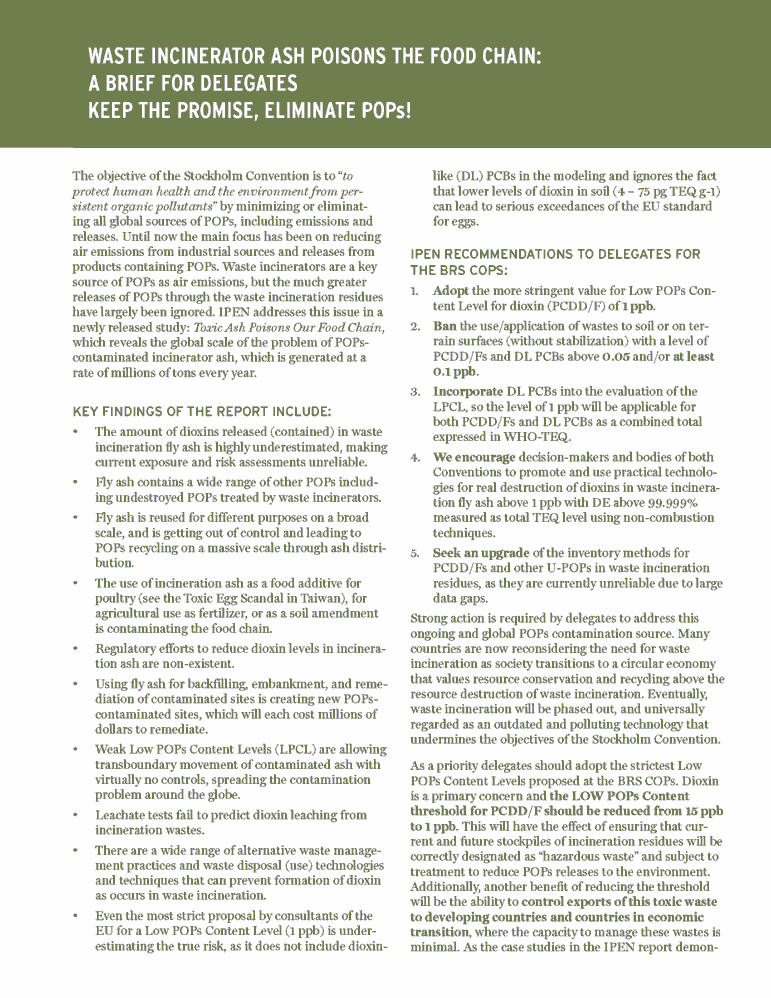
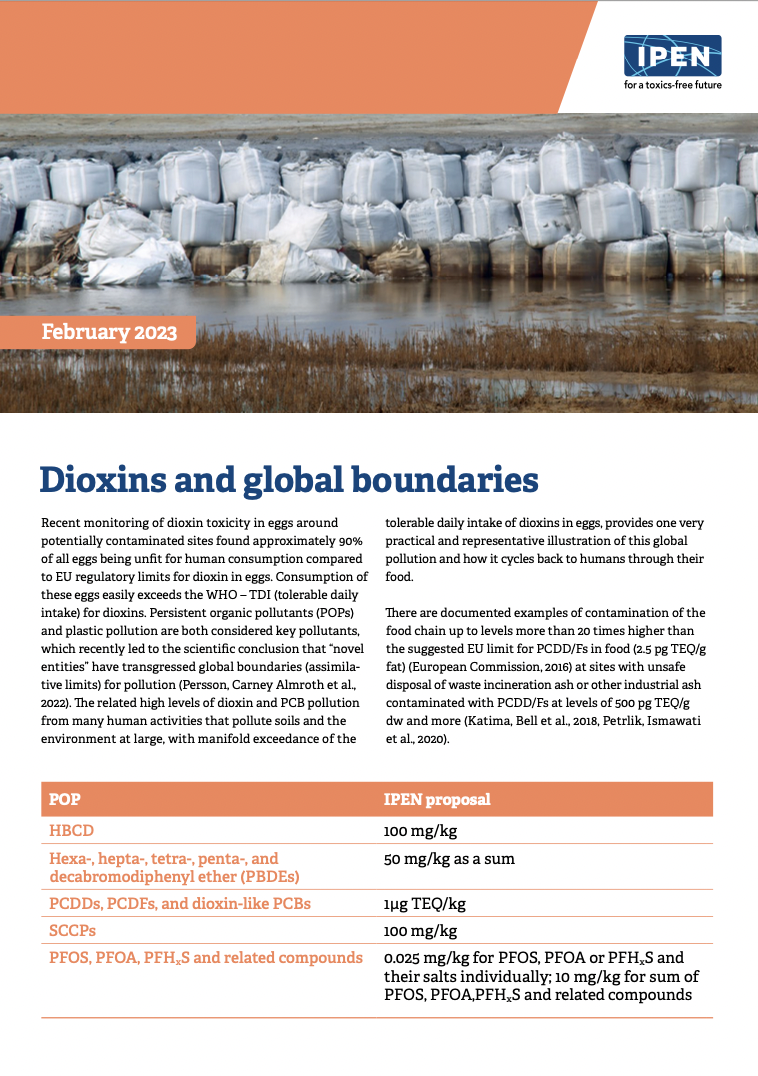
Chicken eggs are sensitive indicators of chemical contamination in soils and dust and because they are widely consumed, they are a common exposure pathway between environmental pollution and humans. By eating eggs, people from contaminated areas can readily experience toxic exposures that exceed safety thresholds for the protection of human health. IPEN works through the Stockholm Convention and other global forums to provide evidence from egg studies that demonstrates threats to health and the environment from toxic chemicals.

Publikationer

IPEN (International Pollutants Elimination Network)
Integritet översikt

Denna webbplats använder cookies för att vi ska kunna ge dig bästa möjliga användarupplevelse. Cookieinformation lagras i din webbläsare och utför funktioner som att känna igen dig när du återkommer till vår webbplats och hjälpa vårt team att förstå vilka delar av webbplatsen du tycker är mest intressanta och användbara.