
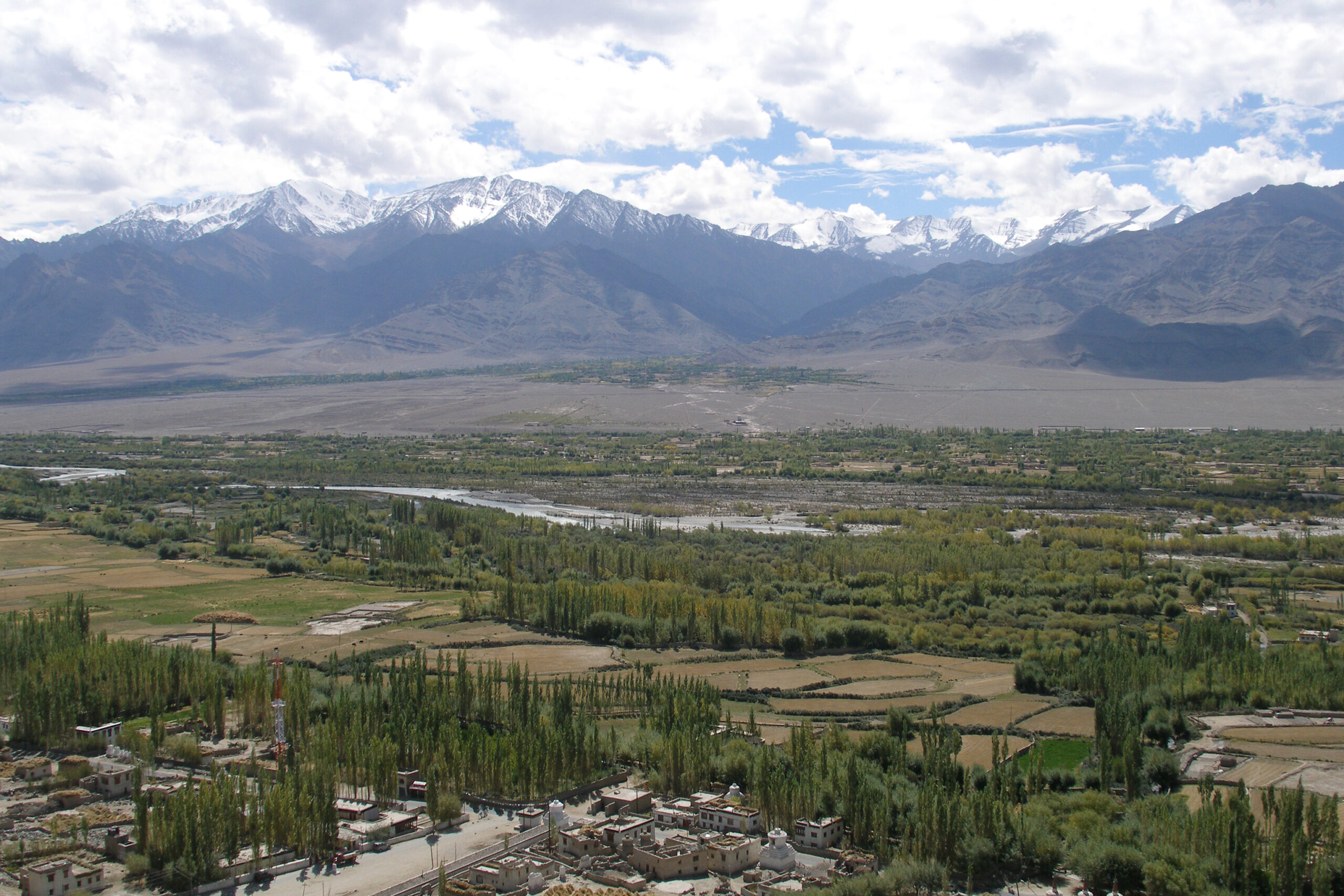
A wide valley with green fields and scattered trees in the foreground, a river running through the middle, and snow-capped mountains under a partly cloudy sky in the background.

South Asia

IPEN-ის რეგიონული ცენტრი

Toxics Link logo

Toxics Link

Based in India

რეგიონული კოორდინატორი: Tripti Arora

კონტაქტი: sahub@ipen.org

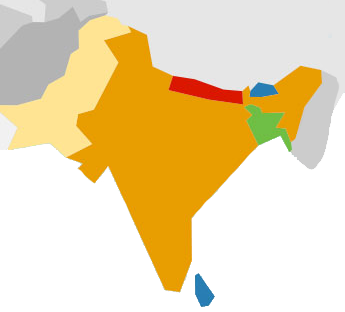
A simplified map of South Asia with countries depicted in different solid colors, including orange, green, blue, red, yellow, and gray, separated by clear borders. No labels or text are shown.

IPEN plays a key role in connecting and strengthening civil society organizations across South Asia working on chemicals, waste, and health and providing technical guidance, scientific materials, and opportunities to engage in global policy spaces.

South Asia is a diverse and vibrant region with varied landscapes, where people speak hundreds of languages–from Hindi, Urdu, Bengali, and Nepali in the north; to Tamil, Telugu, Kannada, and Malayalam in the south; plus many smaller local languages throughout. Religion and tradition are a big part of everyday life. This mix of geography, culture, and traditions shapes the environmental and health challenges the region faces—severe air pollution, widespread industrial contamination, unsafe pesticide use, and growing waste and plastic pollution are among the region’s challenges. Understanding this diversity is key to how civil society groups and IPEN work together across the region to protect people and the environment.

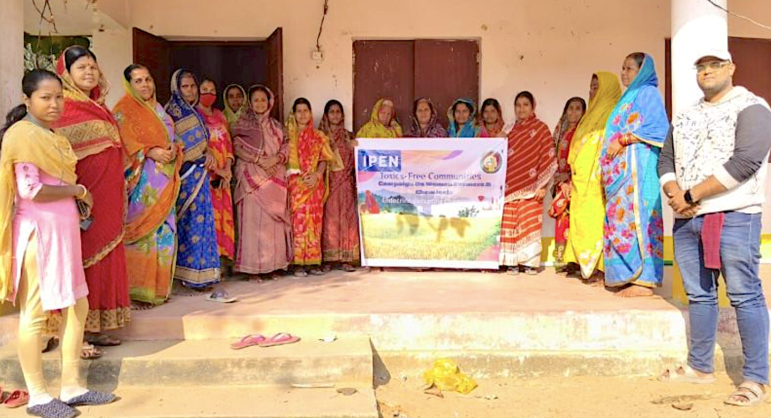
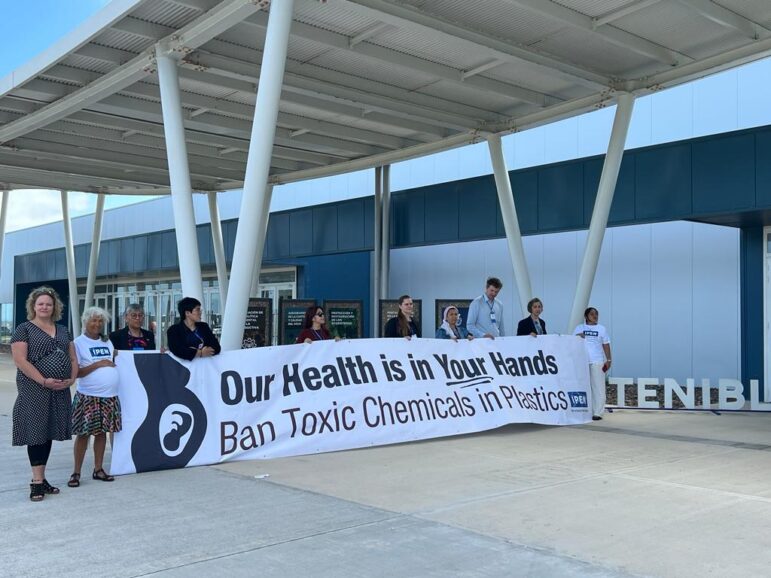
Women in colorful saris holding an IPEN banner

მთავარი ამბები

მომავალი ღონისძიებები

კვარტალური საინფორმაციო ბიულეტენი

სიახლეების მიმოხილვა

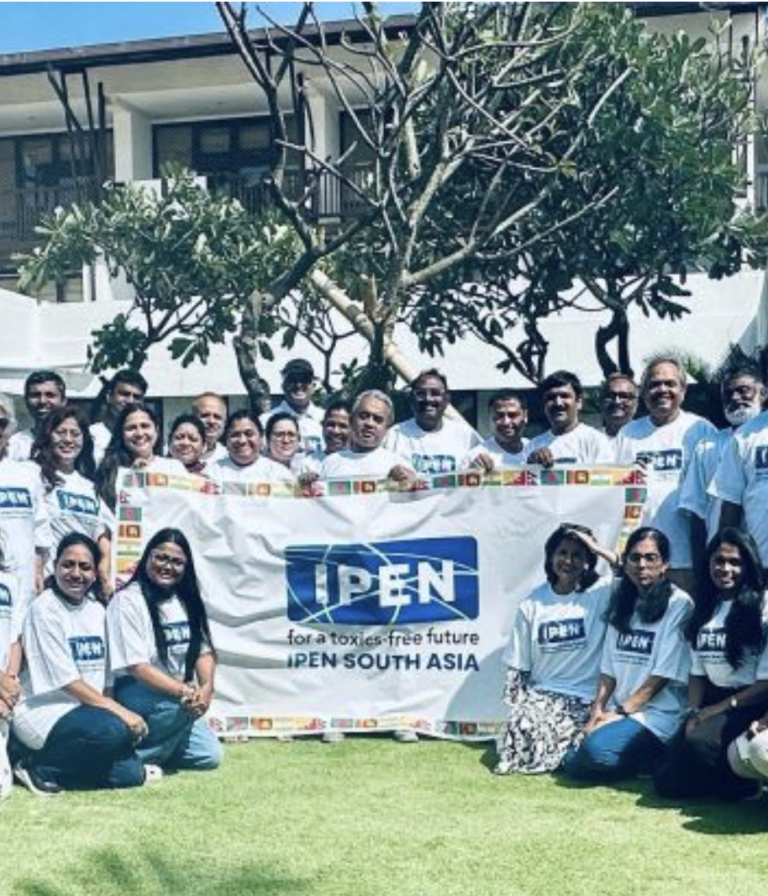
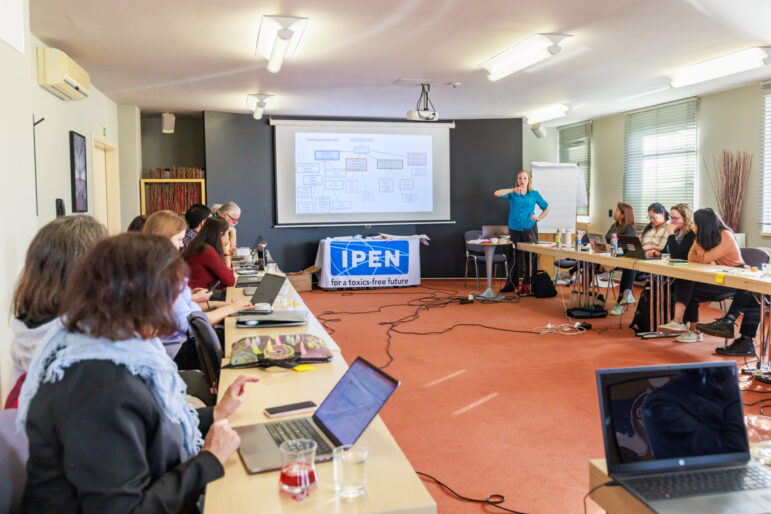
IPEN South Asia Regional Meeting took place from December 2-4, 2025 in Negombo, Sri Lanka. With participation from around 30 IPEN partner organisations across South Asia

Youtube #!trpst#trp-gettext data-trpgettextoriginal=2158#!trpen#ვიდეო#!trpst#/trp-gettext#!trpen#

გამორჩეული ვიდეო

The Story of Microplastic

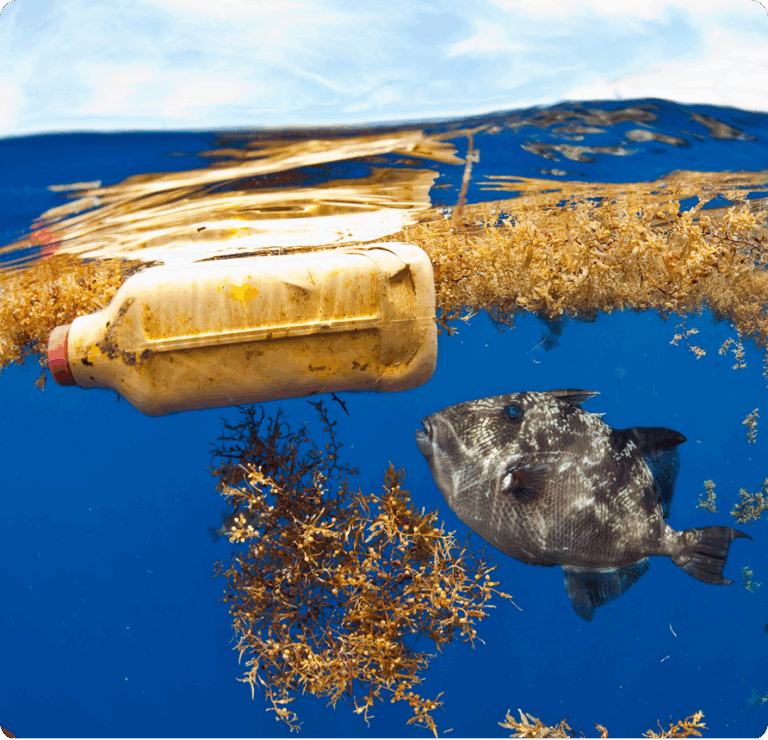
Microplastics are everywhere- in the air we breathe, the water we drink, the soil we grow vegetables. Oceans are full of these small plastic particles, impacting and killing marine life. But how do they get there? Are we responsible for this?

პუბლიკაციები

IPEN (მლუწინელების აღმოფხვრის საერთაშორისო ქსელი)
პერსონალური მონაცემების მიმოხილვა

ეს ვებსაიტი იყენებს ქუქი-ფაილებს, რათა შემოგთავაზოთ საუკეთესო შესაძლო მომხმარებლის გამოცდილება. ქუქი-ფაილის ინფორმაცია ინახება თქვენს ბრაუზერში და ასრულებს ისეთ ფუნქციებს, როგორიცაა თქვენი ამოცნობა ვებსაიტზე დაბრუნებისას და ჩვენი გუნდის დახმარება იმის გასაგებად, თუ ვებსაიტის რომელი სექციებია თქვენთვის ყველაზე საინტერესო და სასარგებლო.