
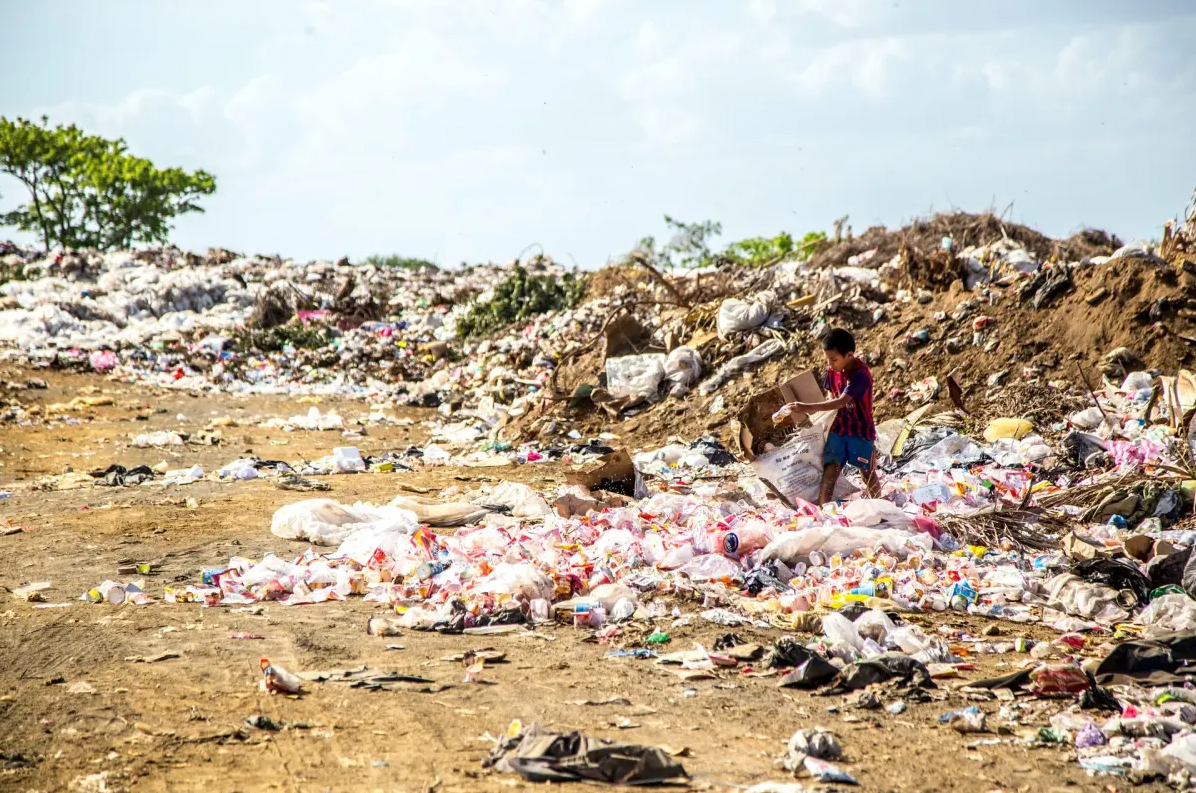

A person stands among piles of plastic waste and garbage at a large landfill site under a partly cloudy sky, with scattered trash covering the ground.

National Action

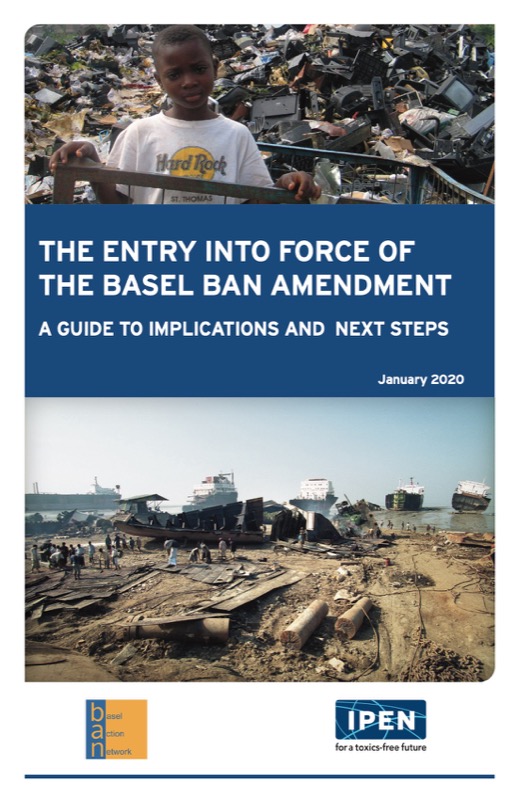
IPEN members advocate for strong national policies to protect communities from toxic waste incineration and dumping, including ending imports of hazardous waste from wealthier nations.

추천 동영상

National Action, International Success

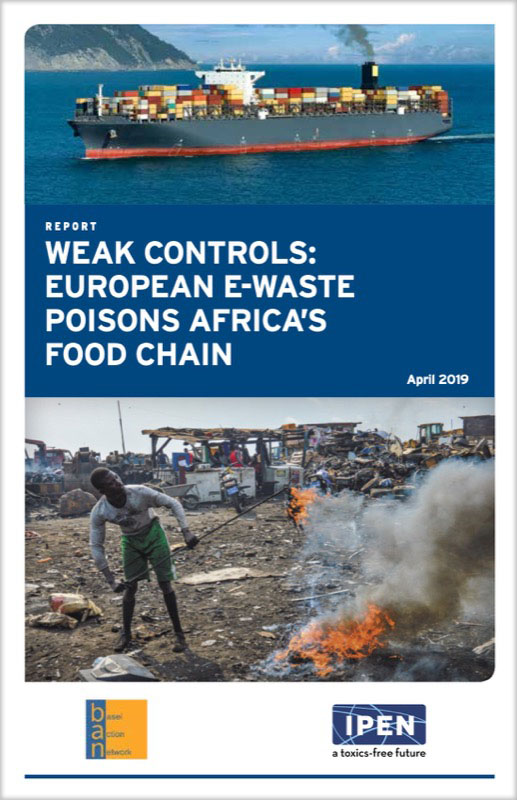
Through her work in Tunisia, IPEN Steering Committee member Semia Gharbi helped uncover an international scandal in the toxic waste trade, ultimately changing EU policies to strengthen rules against exporting hazardous waste. Semia’s work earned her the 2025 Goldman Environmental Prize.

Transparency and Protecting the Right-to-Know

Pollutant release and transfer register (PRTR) systems are environmental databases or inventories of hazardous pollutants released by industry and transferred for treatment or disposal. PRTR systems help safeguard the public’s environmental right to know and enable efforts to push for discharge reductions. Several IPEN members work for national policies to adopt and/or strengthen PRTR systems in their countries.

National research by IPEN members

Documenting Progress on POPs

Since 2005, IPEN members have researched POPs pollution in their nations and documented how their countries were progressing in upholding requirements under the Stockholm Convention to determine if priority problems such as stockpiles destruction, use phase-out, contaminated sites, and inventory development were being addressed.

Toxic Waste Threatens the Food Chain

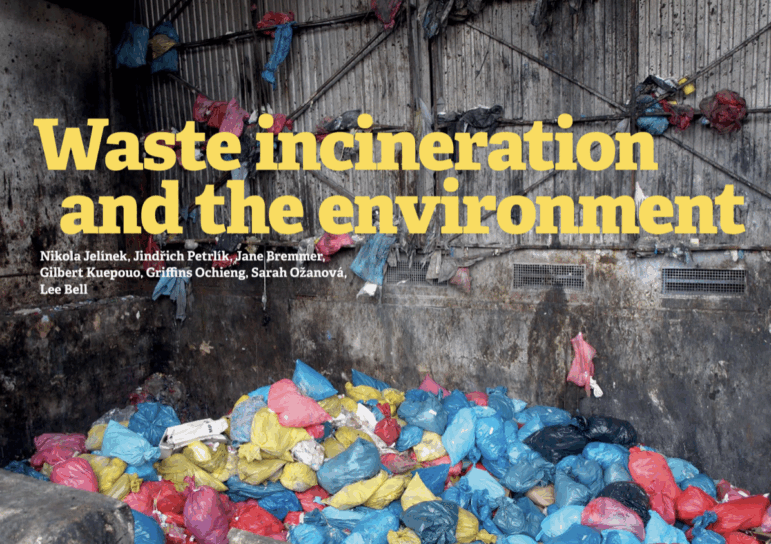
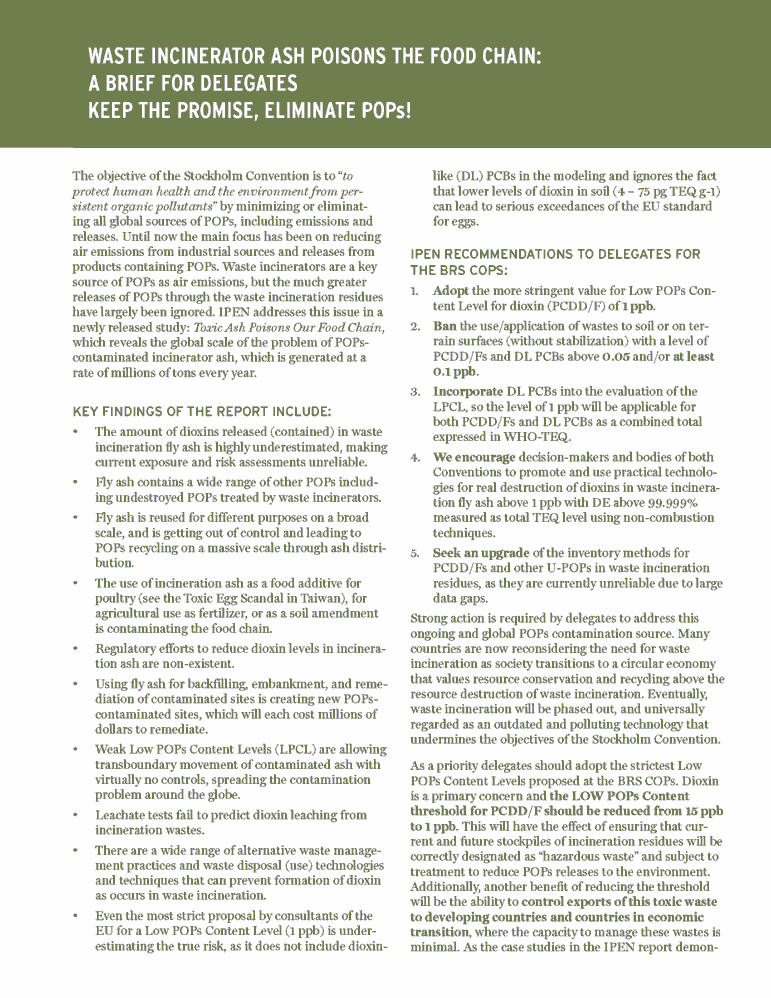
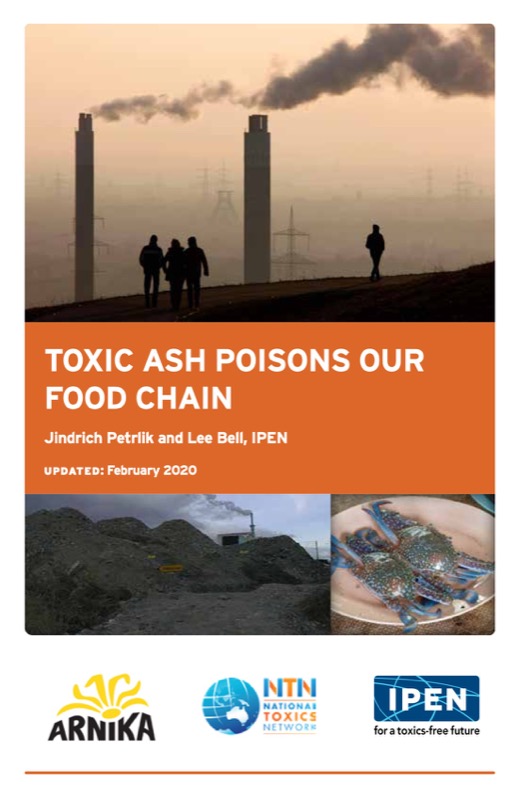
IPEN members contributed country-based data on pollution from waste disposal by collecting eggs from free-range chickens roaming near incinerators, cement kilns, waste dumpsites, and other disposal facilities.

Plastic Waste

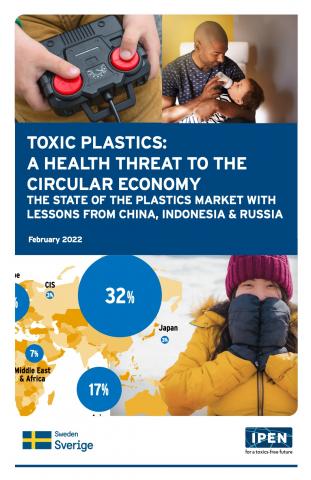
IPEN members conduct studies and document threats from plastic waste in their countries, advocating for global and national policies to protect their communities’ health.

Plastic Waste Fuels

IPEN exposed threats from the trade of refuse derived fuel (RDF) from Australia to Asia, forcing the Australian government to reaffirm its ban on the trade and classify RDF as hazardous waste.

See a map of selected global contaminated sites, compiled to identify and uncover toxic threats.

출판물

국제 유해물질 제거 네트워크
개인정보 처리방침

이 웹사이트는 최고의 사용자 경험을 제공하기 위해 쿠키를 사용합니다. 쿠키 정보는 브라우저에 저장되며, 웹사이트 재방문 시 사용자를 인식하고 웹사이트의 어떤 섹션이 가장 흥미롭고 유용한지 이해하는 데 도움이 되는 기능을 수행합니다.