

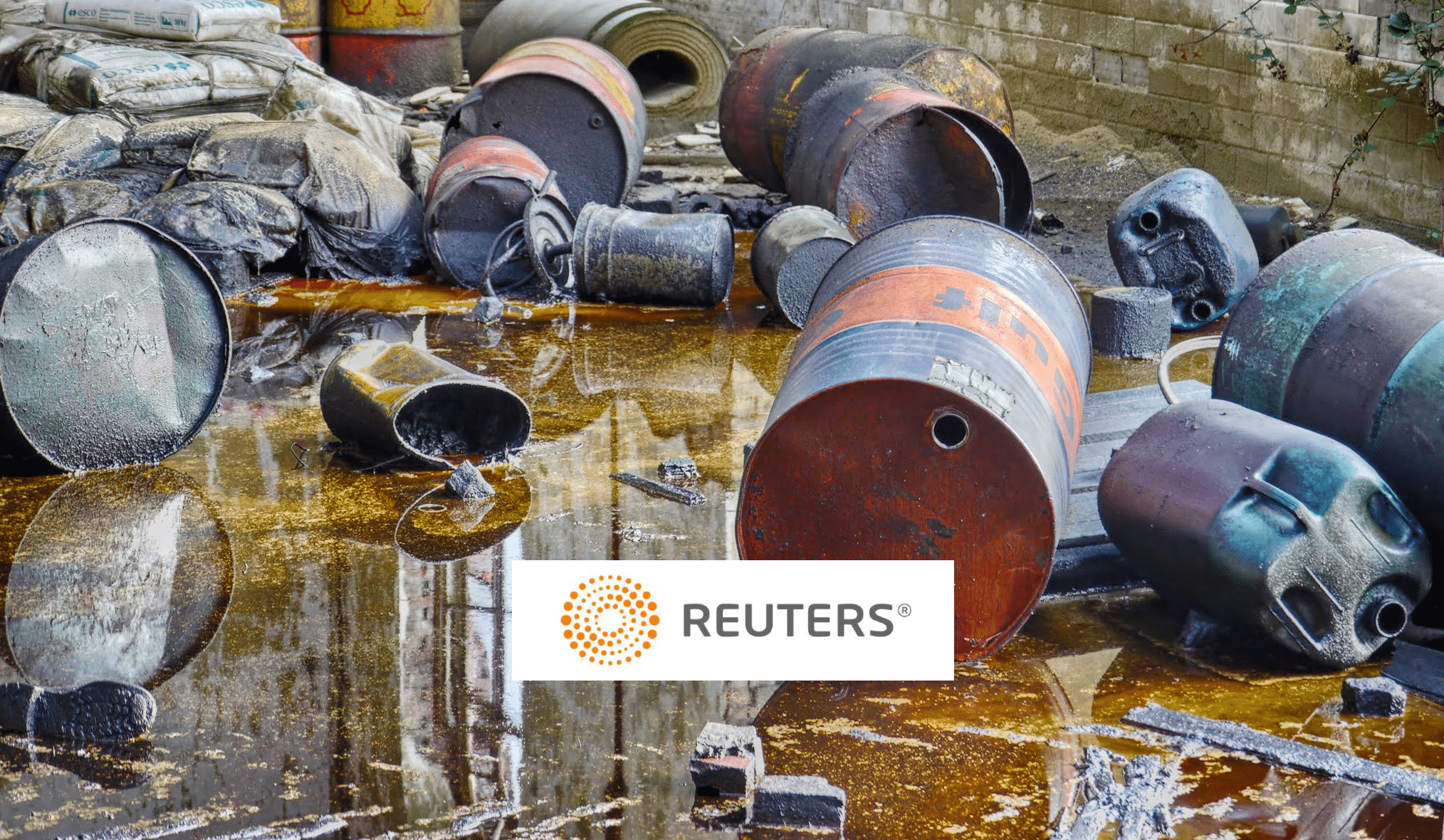
Countries are under pressure to make progress on a first-ever global plastics treaty this week, but they face tense negotiations in the Canadian capital with parties deeply divided over what the treaty should include.
If governments can agree on a legally binding treaty that addresses not just how plastics are discarded, but also how much plastic is produced and how it is used, the treaty could become the most significant pact to address global climate-warming emissions since the 2015 Paris Agreement.
The production of plastics accounts for some 5% of climate emissions and could grow to 20% by 2050 unless limited, according to a report last week from the U.S. federal Lawrence Berkeley National Laboratory.
It is unclear whether the majority of countries asking for production limits can persuade the holdouts to support such a measure. Environmental groups say production limits are essential.
“More plastic production means more plastic pollution,” said Bjorn Beeler, international coordinator of the International Pollutants Elimination Network.
Read the full story from Reuters.
 English
  简体中文
简体中文  Français
  Bahasa Indonesia
  Русский
  Español
  العربية
  Shqip
Shqip  Հայերեն
  Azərbaycan dili
  Беларуская мова
  Български
  Cantonese
  Hrvatski
  Čeština
  ქართული
  Deutsch
  Ελληνικά
  हिन्दी
  Қазақ тілі
  한국어
한국어  Кыргызча
  Bahasa Melayu
  नेपाली
  Português do Brasil
  Kiswahili
  Svenska
  Tagalog
  தமிழ்
தமிழ்  ไทย
ไทย  Українська
  Tiếng Việt