
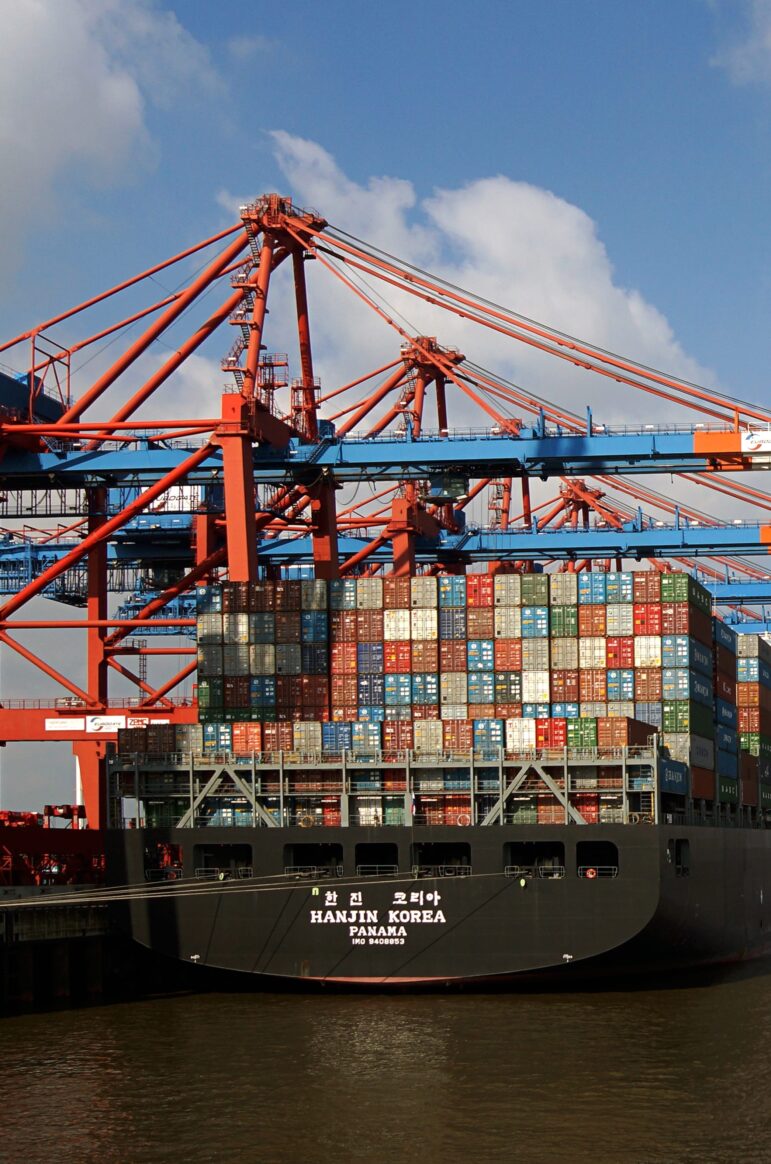

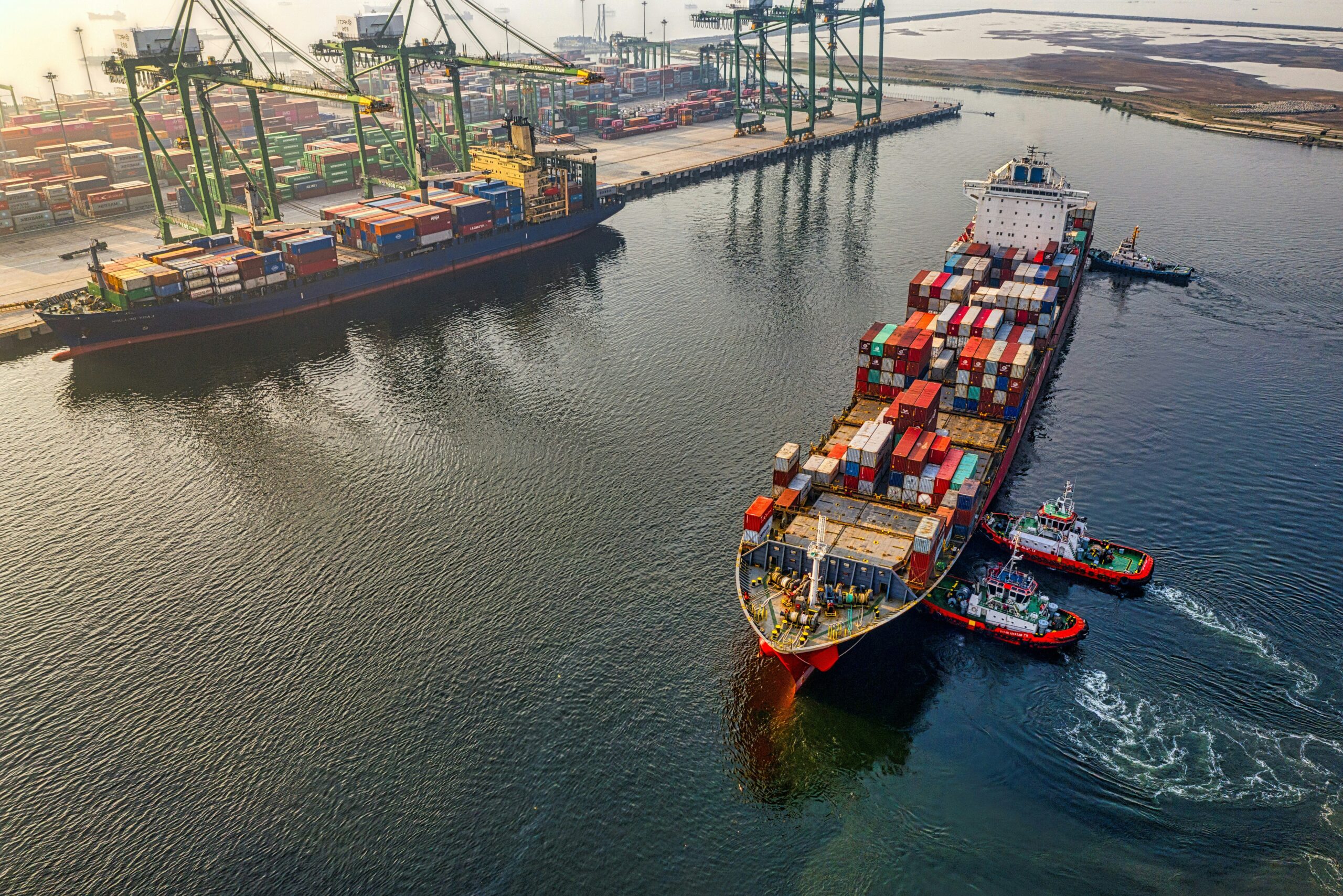

A large cargo ship loaded with shipping containers is guided by tugboats near a port with cranes and stacked containers visible onshore. The scene is set during daylight.

Базельська та Роттердамська конвенції

The Basel and Rotterdam Conventions

IPEN works for global policies to end health and environmental threats from the trade in toxic chemicals and wastes, including through strengthening the Basel and Rotterdam Conventions.

IPEN and the Basel Convention

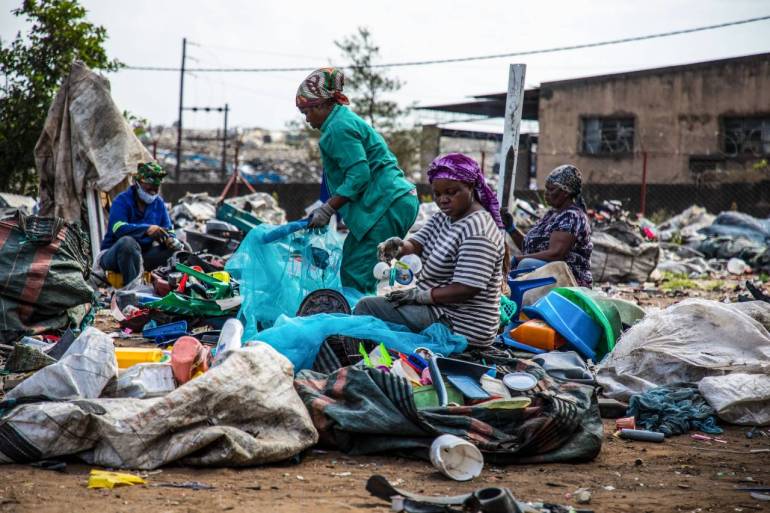
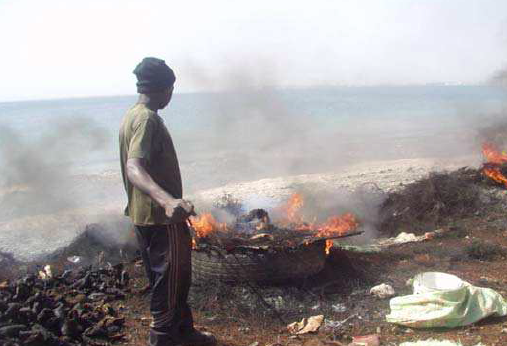
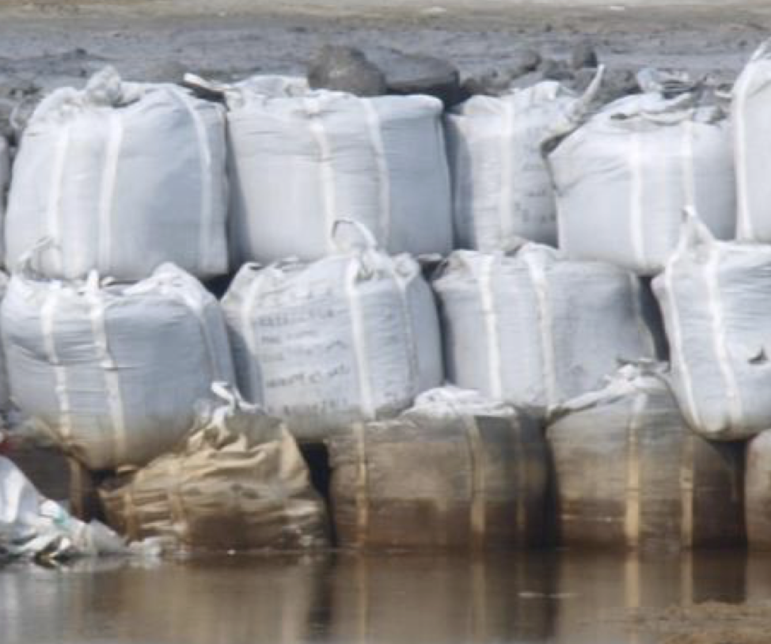
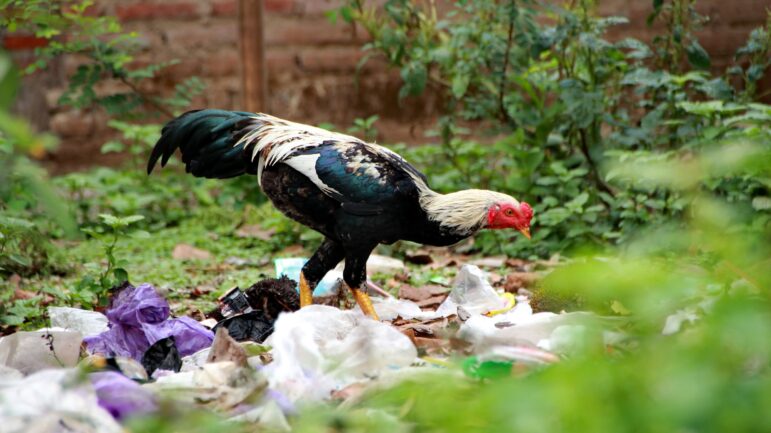
The Basel Convention on the Control of Transboundary Movements of Hazardous Wastes and their Disposal entered into force in May 1992 following widespread concern over the dumping of toxic waste from wealthier countries into low- to middle-income nations. The aim of the Convention is to protect human health and the environment from hazardous waste, including by regulating the waste trade. Initially, the Convention called only for Prior Informed Consent when a Party sent toxic waste to another nation, but in 2019, following years of advocacy by IPEN and many others, the Convention adopted the Basel Ban Amendment, aiming to end dumping of toxic waste.

Several people sort through piles of plastic waste and recyclables in an outdoor area filled with assorted garbage, with buildings and fencing visible in the background.

Plastic and the Basel Convention

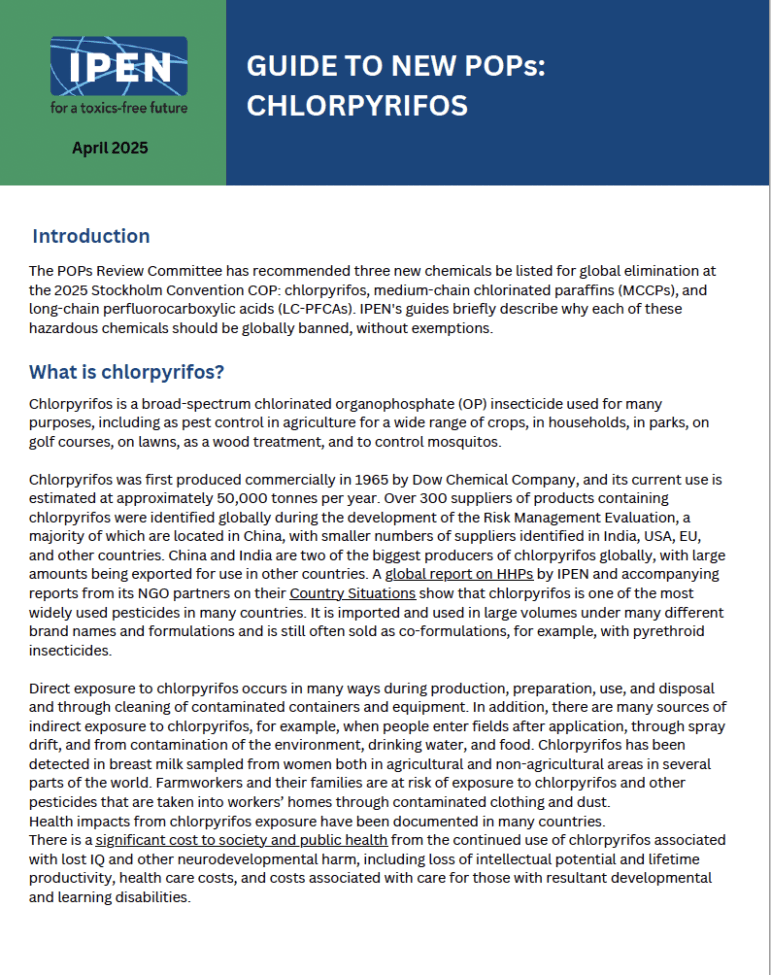
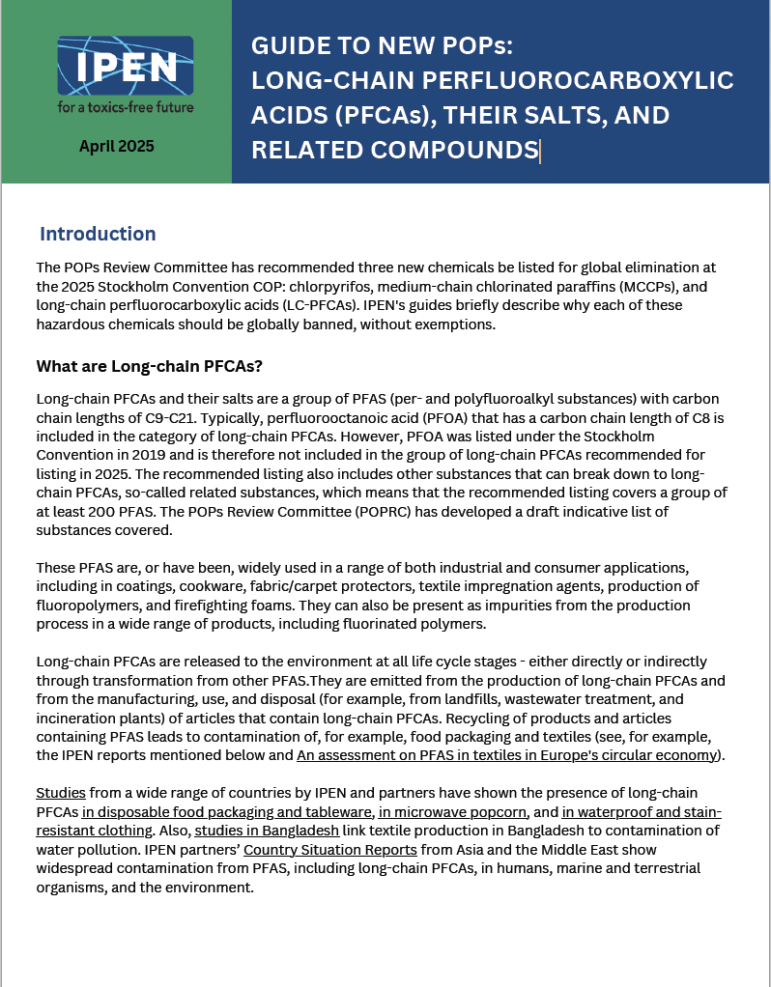
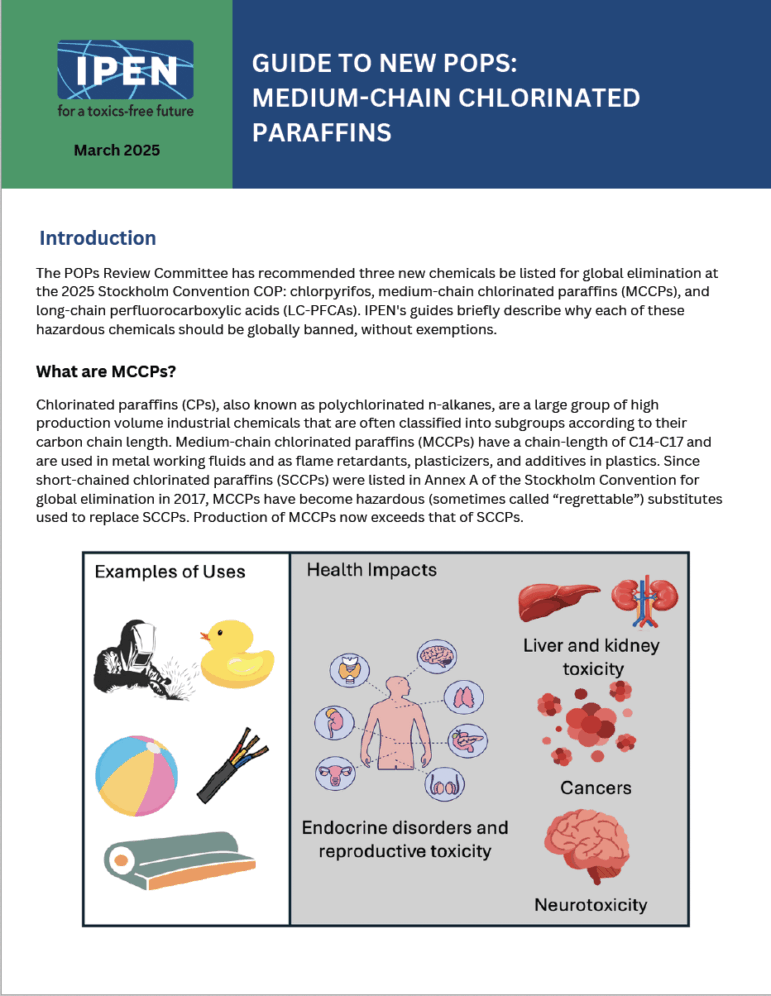
The Convention also creates guidelines for the environmentally sound management (ESM) of waste, including what plastic waste disposal techniques qualify as ESM. IPEN has successfully argued that plastic chemical recycling, a dirty, dangerous technology, should not be considered ESM. IPEN is also calling for plastic waste fuels (often called refuse-derived fuel, RDF) to be classified as hazardous waste under the guidelines.

Basel Convention and Low POPs Content Levels

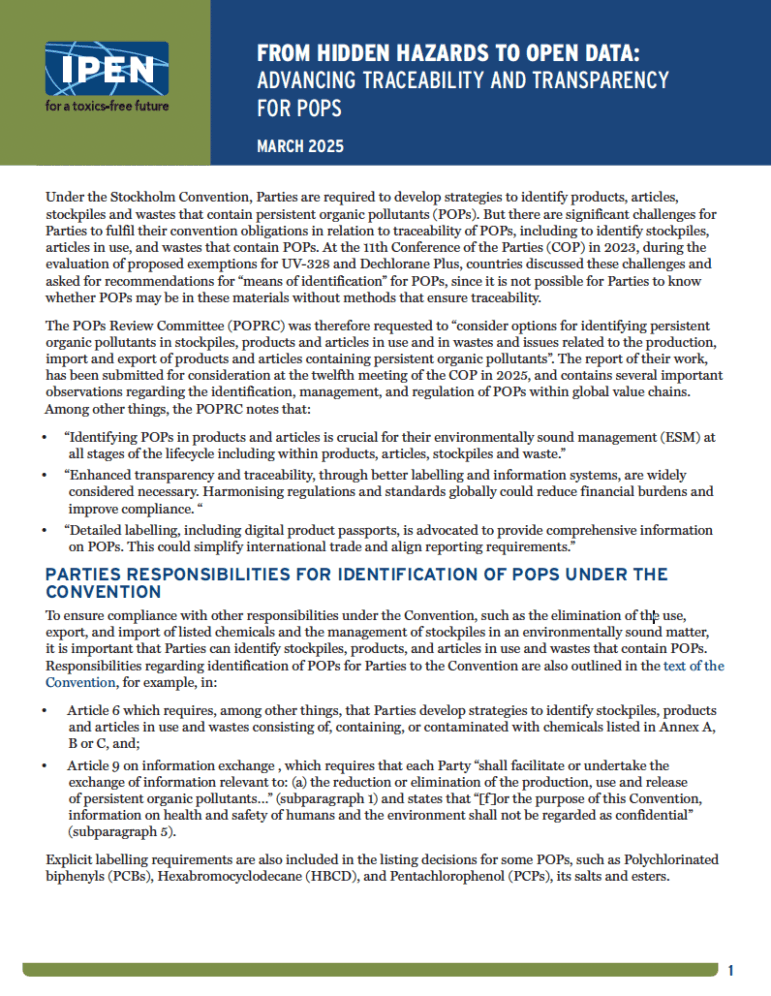
The Basel Convention outlines how toxic waste is classified, including what constitutes waste contaminated by persistent organic pollutants (POPs). The Convention guidelines establish Low POPs Content Levels (LPCL) above which waste is considered hazardous POP waste that must be treated so that it no longer exhibits POPs characteristics. If the LPCL is set too high, a large volume of waste contaminated with POPs will not be managed soundly and will pose threats to human health and the environment, especially if the waste is allowed to be shipped to low- and middle-income countries. 

IPEN advocates for setting meaningful LPCLs to avoid having the objectives of the Stockholm and Basel Conventions permanently undermined at the expense of human health and the environment.

container ship with stacked cargo

IPEN and the Rotterdam Convention

The Rotterdam Convention entered into force in February 2004, with the purpose of protecting human health and the environment from the trade in hazardous chemicals, primarily through promoting countries’ right-to-know when toxic chemicals cross their borders. The Conference of Parties (COP) meets every other year together with the Basel and Stockholm Conventions (collectively called the BRS COPs). 

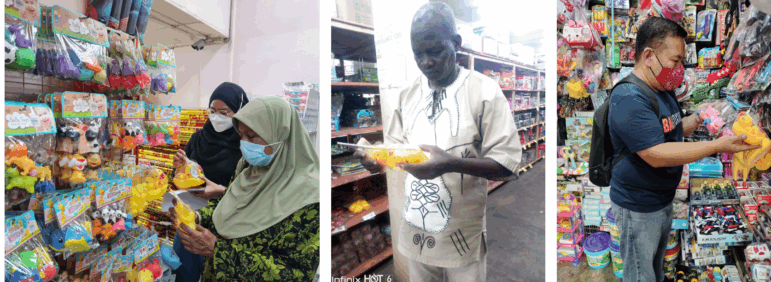
The Convention requires countries that are Parties to ensure that certain hazardous chemicals are only exported to a country that has given its explicit consent. The Convention establishes a “Prior Informed Consent” (PIC) procedure, meaning countries must inform and receive consent before they can export listed hazardous chemicals to another Party. Chemicals are added to the Convention for the PIC procedure when at least two countries from two different regions notify the Convention that they have banned or severely restricted the chemical. This action by two countries triggers a negotiation at the Conference of Parties to decide whether or not to add the chemical and subject it to the PIC requirement.

Regulating Lead Paint Exports

IPEN advocates for adding toxic chemicals to the Rotterdam Convention’s list of substances subject to the PIC requirement. To help countries adopt and enforce bans on lead paint, IPEN is calling for the Convention to add lead chromates, the key pigments used in lead paint, to its list of regulated chemicals.

Публікації

МЕРП (Міжнародна мережа за ліквідацію забруднювачів)
Огляд конфіденційності

Цей вебсайт використовує файли cookie, щоб ми могли надавати вам найкращий користувацький досвід. Інформація про файли cookie зберігається у вашому браузері та виконує такі функції, як розпізнавання вас під час повернення на наш вебсайт та допомога нашій команді зрозуміти, які розділи вебсайту ви вважаєте найцікавішими та найкориснішими.